

Potential Crisis: Global Air Cargo Transport Amid the New Wave of Tariffs
English - Ngày đăng : 12:20, 28/04/2025

This decision not only increases supply chain costs but also threatens the fragile recovery of the air cargo sector, which has yet to fully rebound following the COVID-19 pandemic. According to FreightWaves, ending tariff exemptions on over 350 Chinese items could result in a loss of approximately $22 billion in global cargo revenue in 2025, with air transport bearing the heaviest impact due to the fast-moving and high-value nature of the goods involved.
The conclusion of tariff exemptions on Chinese goods is creating a domino effect across the global logistics chain, forcing logistics companies to rethink their long-term strategies.
New Tariff Wave Disrupts Air Cargo Transport
The reimposition of tariffs comes amid a noticeable decline in international transport demand. According to data from the International Air Transport Association (IATA) cited by FreightWaves, global air cargo volumes fell by 6% year-on-year in the first quarter of 2025. Alongside declining demand, shipping costs have also surged. The air freight rate index from China to the U.S., as reported by Xeneta and TAC Index, rose by over 20% in the first two months of the year. This surge reflects companies' urgency to expedite shipments to avoid new tariffs and manage supply chain disruptions.
The shortage of air freight capacity has worsened as airlines are forced to restructure their flight networks due to soaring fuel prices and ongoing labor shortages. Major carriers like FedEx, UPS, Lufthansa Cargo, and Cathay Pacific have had to reduce frequencies on low-demand routes, focusing instead on high-margin cargo such as electronics, pharmaceuticals, and industrial components. These measures are seen as necessary to maintain profitability in a rising cost environment.
Transport Companies Confront a Survival Challenge
In addition to rising costs, air cargo operators face an existential challenge as the structure of global supply chains undergoes rapid transformation. FreightWaves analysis highlights that U.S. tariffs on China and other countries are accelerating production shifts to nations such as Vietnam, India, Mexico, and Eastern Europe. However, this shift poses challenges for air cargo networks historically dependent on traditional routes between China and major markets like the U.S. and Europe.
Many logistics firms are urgently investing in expanding their air cargo services in emerging markets. Pioneers like DB Schenker, Kuehne+Nagel, and DHL Global Forwarding are increasingly exploiting multimodal transport routes—combining sea and air freight—to optimize costs for customers amid record-high air freight rates.
Moreover, digital technology adoption has become a vital trend. Digital logistics platforms such as Flexport and Project44 are favored by enterprises to monitor shipments in real time, optimize routing, and minimize unexpected cost surges. Only those air cargo companies that quickly adapt, invest in technology, and expand networks are likely to maintain competitiveness amid growing uncertainty.
The global air cargo sector may face a broad restructuring phase, as shifting trade policies drive demand toward emerging markets.
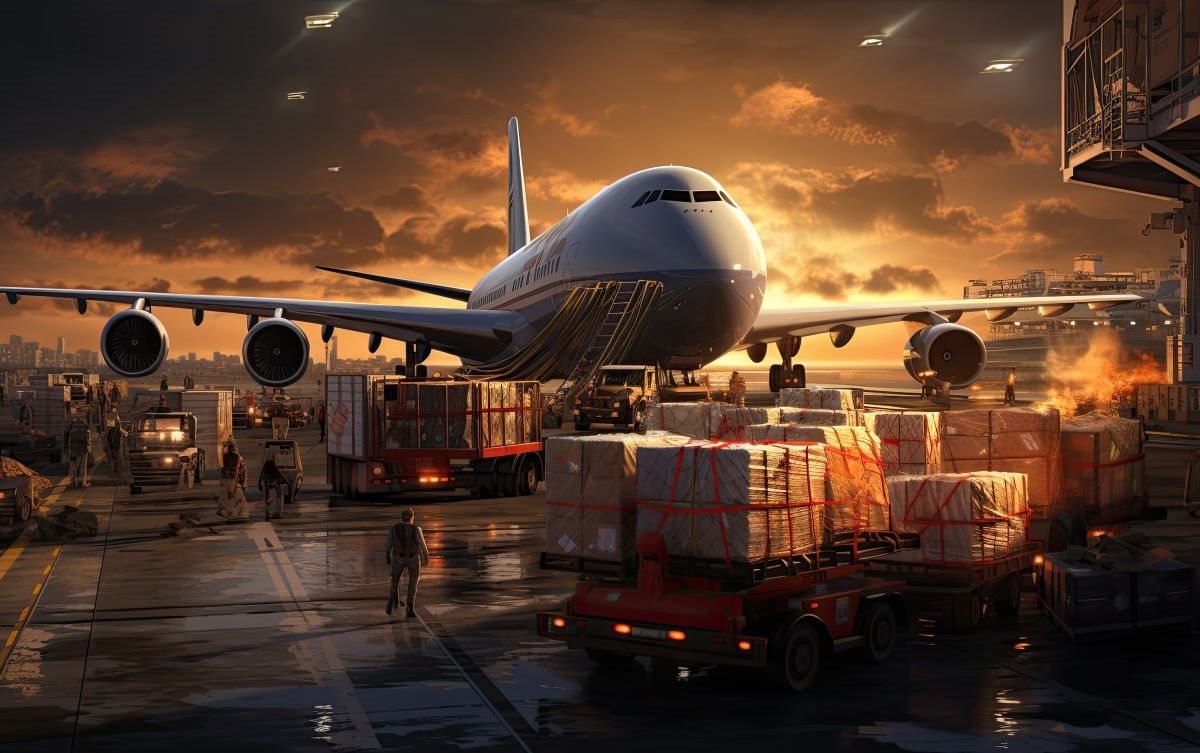
What Is the Outlook for Air Cargo Transport?
Looking ahead, experts at FreightWaves forecast continued volatility in the global air cargo sector throughout 2025. Should the U.S. tariffs persist or expand to additional trading partners like the European Union or India, global shipping volumes could contract by an additional 3–5% by year-end. This situation will force logistics firms and airlines to reshape their business strategies, including diversifying cargo sources, relocating transport networks, and adopting innovative logistics solutions.
Nevertheless, these upheavals also present significant opportunities for air cargo players who can capitalize on supply chain relocations. As multinational corporations seek alternative production hubs outside China, demand for air freight in Southeast Asia, South Asia, and Latin America is expected to surge. This means air carriers must promptly adapt, invest in expanding their flight networks, and enhance service capabilities to stay ahead of the curve.
Ultimately, today’s crisis is not only a test of resilience for the global air cargo industry but also an opportunity to modernize and move towards sustainable development. In an ever-evolving global economy, proactive adaptation will be the key for logistics enterprises to weather the storm and emerge stronger.