












Giải pháp logistics chuyên ngành dành cho hóa chất nhập khẩu
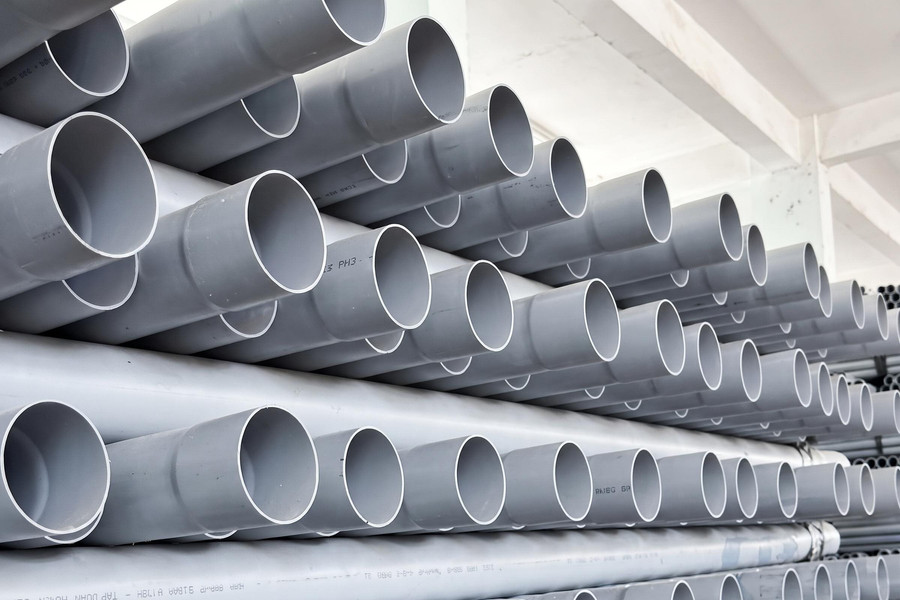
Ngày 5/11, Cục Hải quan tiếp tục gửi Công văn 23913/CHQ-GSQL tới Cục Hóa chất (Bộ Công Thương), đề nghị hướng dẫn thống nhất cách cấp phép nhập khẩu hóa chất cần kiểm soát đặc biệt, nhập khẩu từ nước ngoài vào doanh nghiệp chế xuất, vì các địa phương đang làm mỗi nơi một kiểu.
  • Measuring shipment emissions across the transport chain
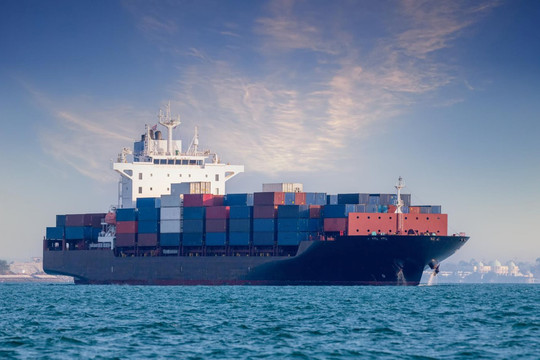
    A shipment may move through trucks, ports, vessels and several transfer points before reaching its consignee. Quantifying the emissions associated with that journey requires an agreed boundary, suitable data and a clear allocation approach. A useful result should explain how it was calculated. That transparency allows customers to compare transport options and helps operators identify where better information or operational changes would have the greatest value.
  • Managing Returns in Domestic E-commerce
    A returned parcel is not a closed case. The customer’s request still needs a decision, while each item needs an authorized destination and an accurate stock status. When parcels reach a warehouse but wait unexamined, both merchandise and money remain tied up between processes. For domestic e-commerce, returns should be designed as part of normal operations, with clear ownership from the initial request to the final inventory and financial entries.
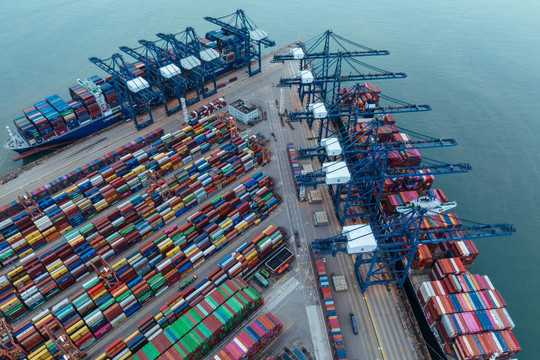
  • Vessel time in port and how to interpret terminal productivity
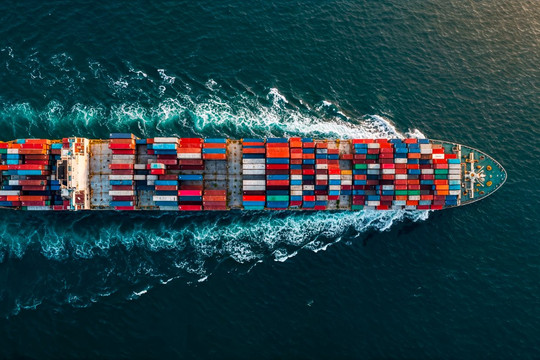
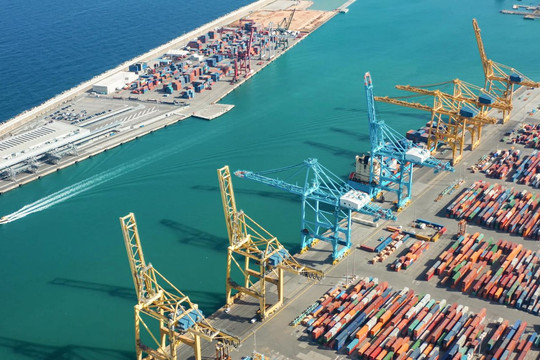
    A terminal can handle containers quickly while a vessel still waits a long time before being accepted, or remains alongside after cargo operations have finished. Productivity assessment therefore needs to cover the sequence of services provided during a call. Separating waiting from cargo handling, checking measurement units and comparing similar operating conditions helps ports and carriers identify what needs improvement.

  • Container Charges and the Basis for Resolving Disputes
    A container charge can be mathematically correct while its contractual basis or the practical ability to return equipment remains disputed. Importers and exporters should therefore manage these costs through clear terms and shipment records. Once a disagreement arises, a documented sequence of events is more useful than a general statement that a terminal was congested. The objective is to explain which charges arose, why they arose, and which specific items require adjustment.

POWERED BY ONECMS - A PRODUCT OF NEKO