

Climate Change: A Threat to Global Supply Chains
English - Ngày đăng : 08:02, 26/05/2025
Impact on Production
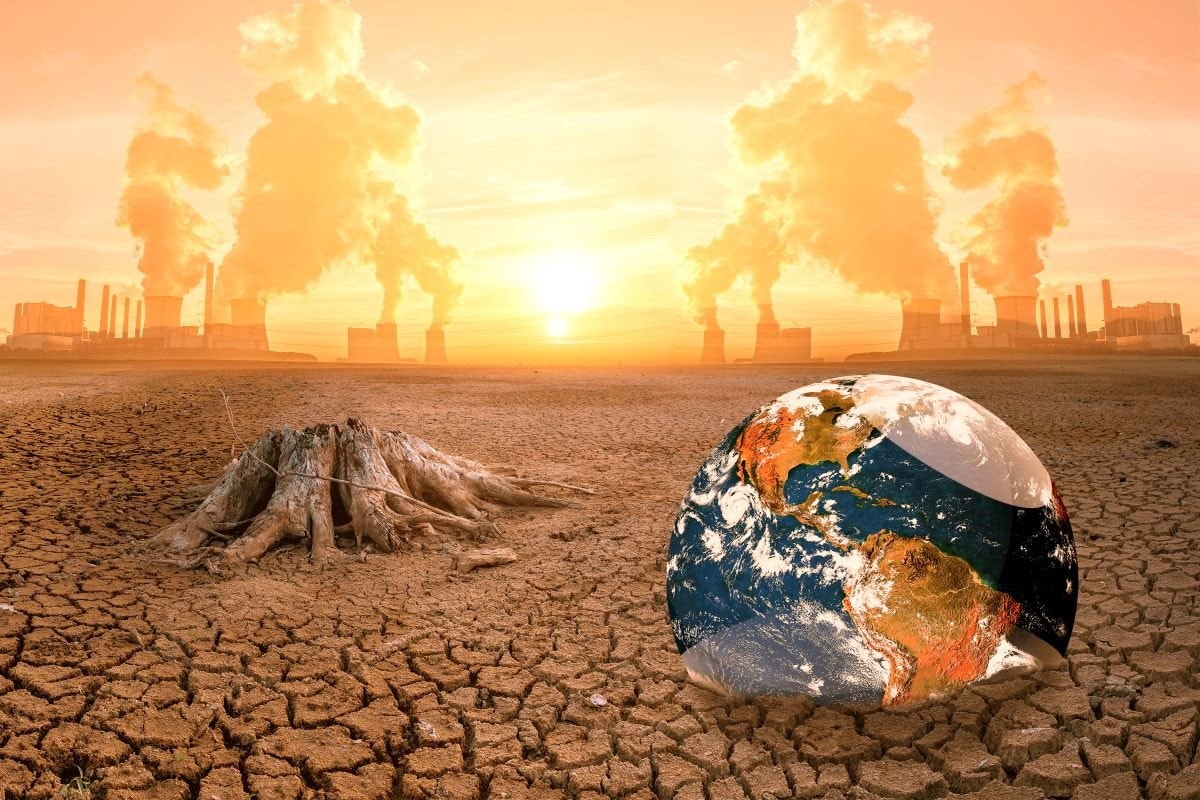
Climate change causes droughts, floods, and abnormal heatwaves, directly affecting agricultural and industrial productivity. For instance, prolonged heatwaves in Europe have reduced crop yields, while floods in Asia have damaged production infrastructure. These disruptions lead to breaks in the supply of raw materials and finished products, affecting the entire supply chain.
Additionally, climate shifts increase the prevalence of pests and reduce soil quality, making cultivation more difficult. Businesses are thus compelled to invest in adaptive measures such as crop diversification, smart farming technologies, and early warning systems to mitigate damage.
Impact on Transportation
The global transportation system is also heavily impacted by climate change. Rising sea levels and frequent storms damage seaports, railways, and roads. This results in shipping delays, increased transportation costs, and reduced supply chain reliability. Moreover, high temperatures affect the operational efficiency of vehicles, increasing the risk of accidents and breakdowns.
Key shipping routes like the Suez Canal and major ports in Asia are increasingly vulnerable to disruption from extreme weather events. This requires businesses to build alternative transportation routes and invest in resilient infrastructure to maintain continuity.
Challenges in Goods Storage
Storing goods—especially perishables such as food and pharmaceuticals—becomes more difficult under extreme climatic conditions. High temperatures and fluctuating humidity levels impact product quality and shelf life. At the same time, increased energy demands for cooling and preservation systems raise operating costs and greenhouse gas emissions.
Enterprises must adopt technological solutions such as smart warehouse management systems, advanced thermal insulation materials, and energy-saving practices to reduce the impact of climate change on storage operations.
Business Adaptation to Climate Change
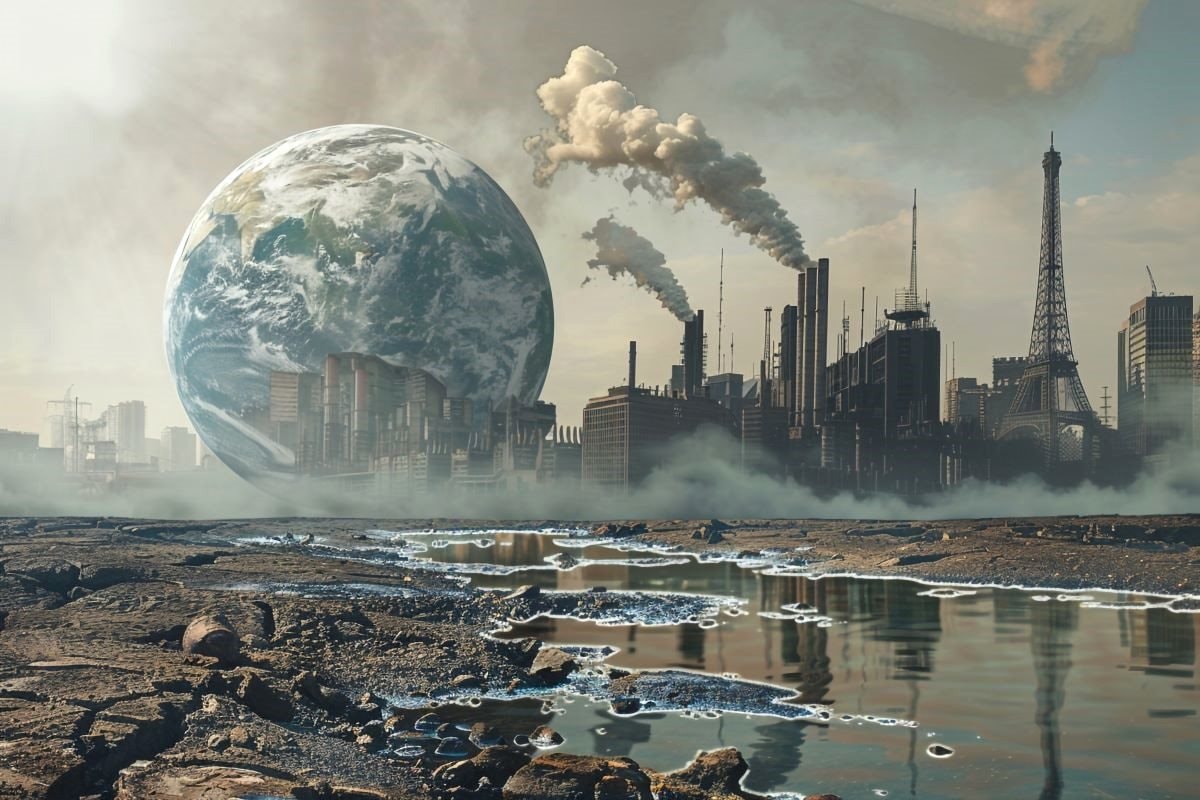
In response to these challenges, many companies have proactively implemented adaptation measures. Some invest in green technologies, use renewable energy, and improve production processes to reduce environmental impact. Diversifying supply sources and manufacturing locations also helps mitigate risks from extreme weather events.
A prominent example is Mountain Equipment Co-op (MEC) in Canada, which has taken steps to enhance the climate resilience of its supply chain, including climate risk assessments and close collaboration with suppliers to ensure sustainability throughout the value chain.
Strategies to Minimize Environmental Impact
To ensure supply chain sustainability, businesses must develop strategies to reduce environmental impact. These include climate risk assessment, investment in sustainable infrastructure, and collaboration with stakeholders to create adaptive solutions. Additionally, complying with environmental regulations and participating in global initiatives contributes to mitigating climate change’s effects on supply chains.
Specific strategies include:
- Diversifying supply sources and manufacturing locations to reduce risks from extreme weather.
- Investing in green technologies and renewable energy to cut greenhouse gas emissions.
- Building early warning systems and disaster response plans to ensure business continuity.
- Collaborating with organizations and governments to develop supportive policies and encourage adaptation practices.
Expert Opinions
Frank Elderson, member of the Executive Board of the European Central Bank (ECB), emphasized: “Droughts and extreme weather events could reduce the Eurozone’s economic output by nearly 15%, severely affecting agriculture, manufacturing, and construction sectors.”
Katharina Erfort, supply chain analyst, stated: “Climate change is not only an environmental challenge but also the greatest business risk of the 21st century. Companies must actively invest in adaptive solutions to ensure stability and sustainable growth.”
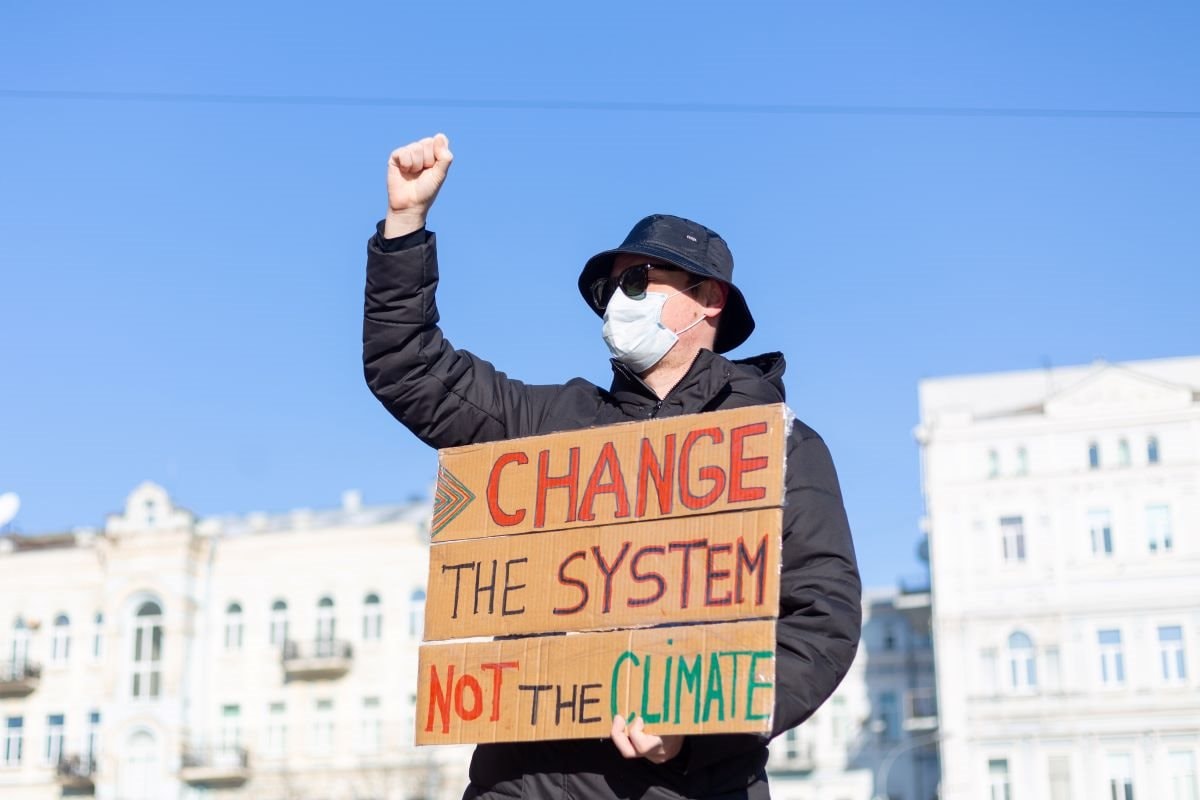
Climate change is posing unprecedented challenges to global supply chains. From production to transportation and storage, every link in the chain is negatively affected by extreme weather events and environmental shifts. To address these challenges, businesses must proactively design and implement adaptive strategies, including investing in green technologies, diversifying supply chains, and working with stakeholders to develop sustainable solutions.
Awareness and proactive adaptation are crucial for ensuring long-term business stability and sustainable development. Climate change is not just an environmental issue—it is a major threat to the future of global supply chains. Thus, investing in adaptive and environmentally responsible practices is essential for sustaining business success in today’s world.