

Agricultural Supply Chain: From Farm to Table
English - Ngày đăng : 10:30, 09/07/2025
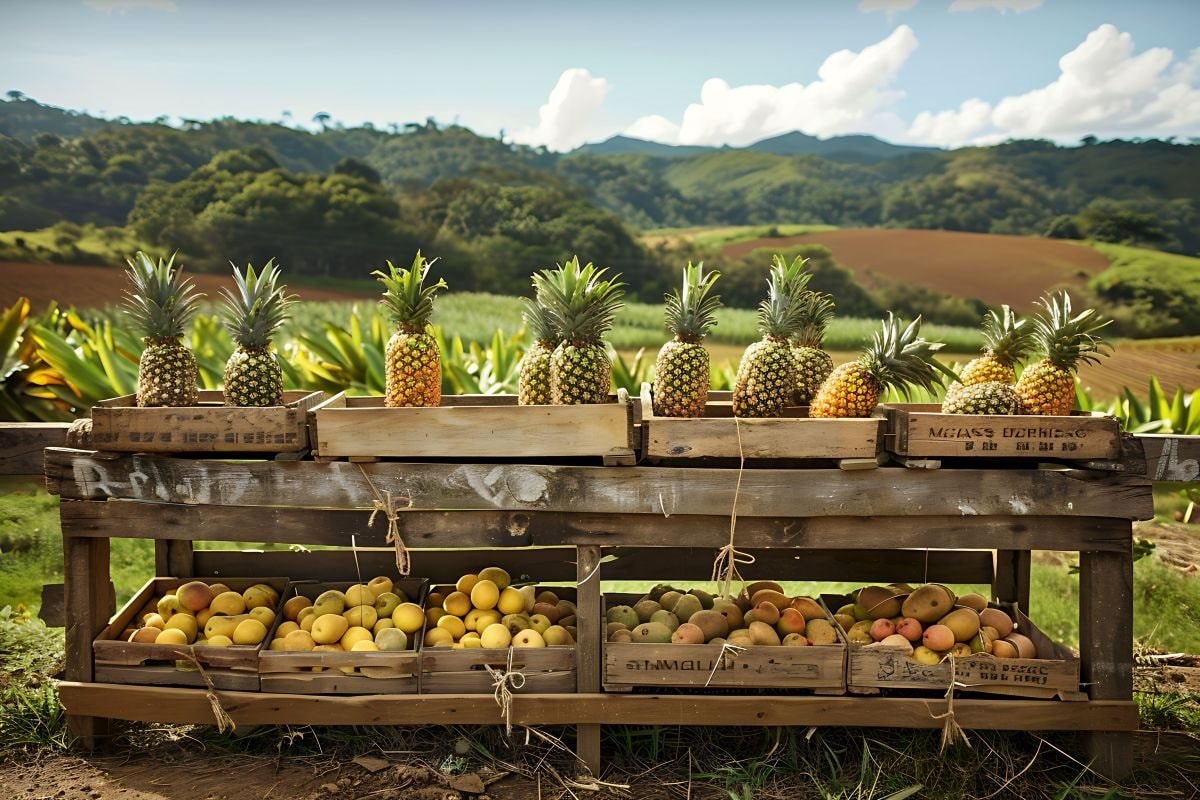
The agricultural supply chain—from cultivation, harvesting, preservation to distribution—needs to be redesigned to optimize efficiency, ensure information transparency, and create direct connections between farmers, businesses, and end consumers.
Post-Harvest Storage & Preservation Issues
One of the major bottlenecks in agricultural supply chains in developing countries, including Vietnam, is post-harvest preservation. In many localities, it is estimated that up to 20–30% of agricultural produce is damaged due to the lack of proper refrigeration, storage, and transportation systems. This not only causes economic losses but also affects food quality, brand reputation, and public health safety.
The lack of advanced preservation equipment, standard cold storage, and proper technical operation procedures means that even products that meet quality standards at the farm may be rejected at the distribution stage. Especially for fruits, vegetables, seafood, and fresh meat—items with short shelf lives and high perishability—even a few hours’ delay in transport or improper storage temperature can severely degrade quality.
The solution lies in synchronized investment in agricultural logistics infrastructure—from cold storage facilities in production areas, inter-regional refrigerated transport, to smart distribution centers near consumer markets. Establishing specialized logistics clusters for agricultural products not only helps reduce loss but also optimizes cost and delivery time.
IoT + Blockchain for Traceability
In parallel with physical infrastructure, the application of technology in agricultural supply chain management is also driving profound changes. IoT (Internet of Things) allows remote, real-time monitoring of production conditions—such as soil moisture, ambient temperature, and irrigation levels. All this data is stored and synchronized, helping farmers manage more effectively and enabling businesses to transparently monitor input quality.
When combined with blockchain—a decentralized, immutable data storage technology—the agricultural supply chain becomes more transparent than ever. Each product is tagged with a QR code containing complete information: origin, harvest time, storage temperature, logistics provider, supermarket arrival date, etc. Consumers simply scan the code to trace the entire journey.
Applying IoT not only enables real-time data collection and analysis but also builds trust among all stakeholders—from farmers, processing businesses, and logistics providers to end consumers.
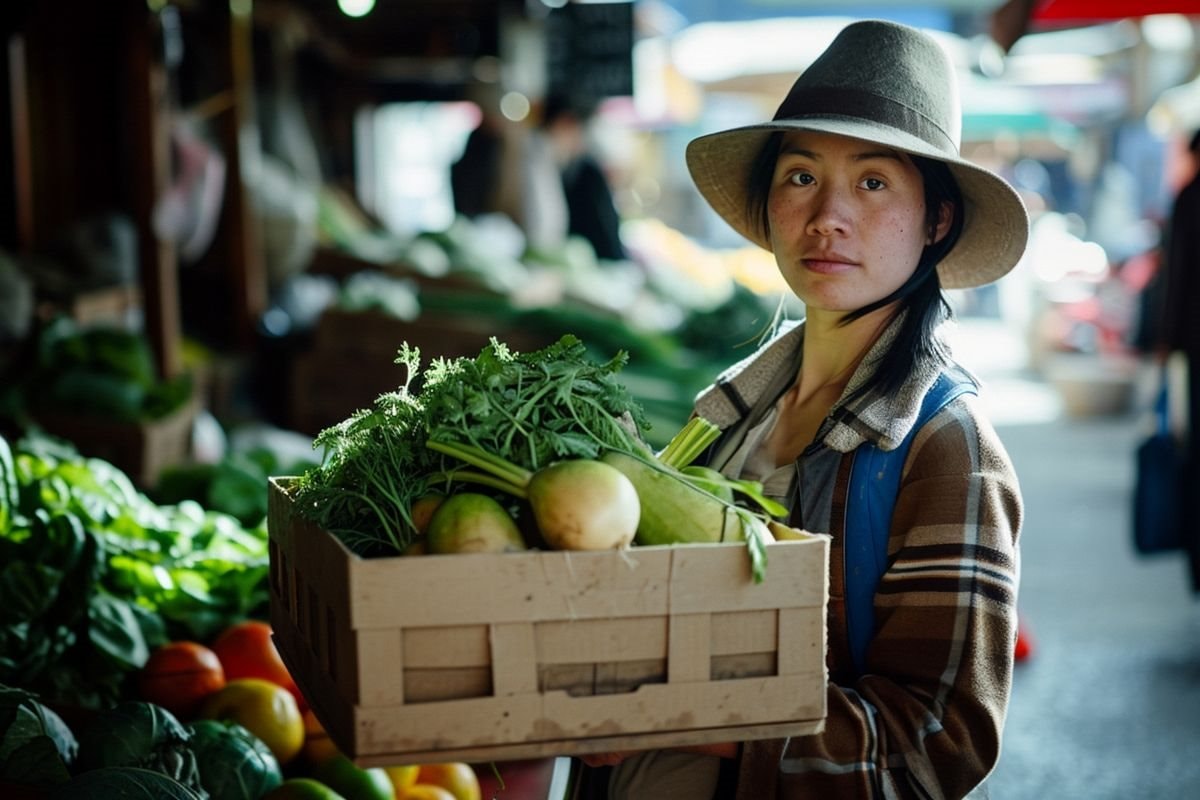
IoT provides early warnings of spoilage, optimizes operations, and significantly reduces post-harvest losses—one of the most pressing issues in today’s supply chains. According to scmr.com, trust generated from transparent data is the foundation for building a modern, efficient, and sustainable agricultural supply chain.
This transparency is especially crucial for exports to demanding markets like Europe, the U.S., or Japan—where traceability is a prerequisite for agricultural imports. Businesses pioneering in digitizing agricultural chains not only increase product value but also assert their position in the international market.
Farmer – Business – Consumer Relationship
A modern agricultural supply chain cannot be separated from its three main stakeholders: producers, purchasing–processing–distribution units, and consumers. This relationship must be built on transparency, information sharing, and equitable benefits.
Many businesses have shifted from a “one-off buy-sell” model to sustainable partnerships with farmers, wherein businesses provide seeds, techniques, and market access while sharing input risks. In return, farmers follow cultivation procedures and ensure product quality. This model helps improve productivity, stabilize quality, and increase farmers’ income.
From the consumer side, the “eat clean – live green” trend is increasing demand for traceable and transparent products. When consumers know the product’s origin, organic certification, and production process, they are willing to pay more for safe products—creating a clear economic incentive for supply chain transformation.
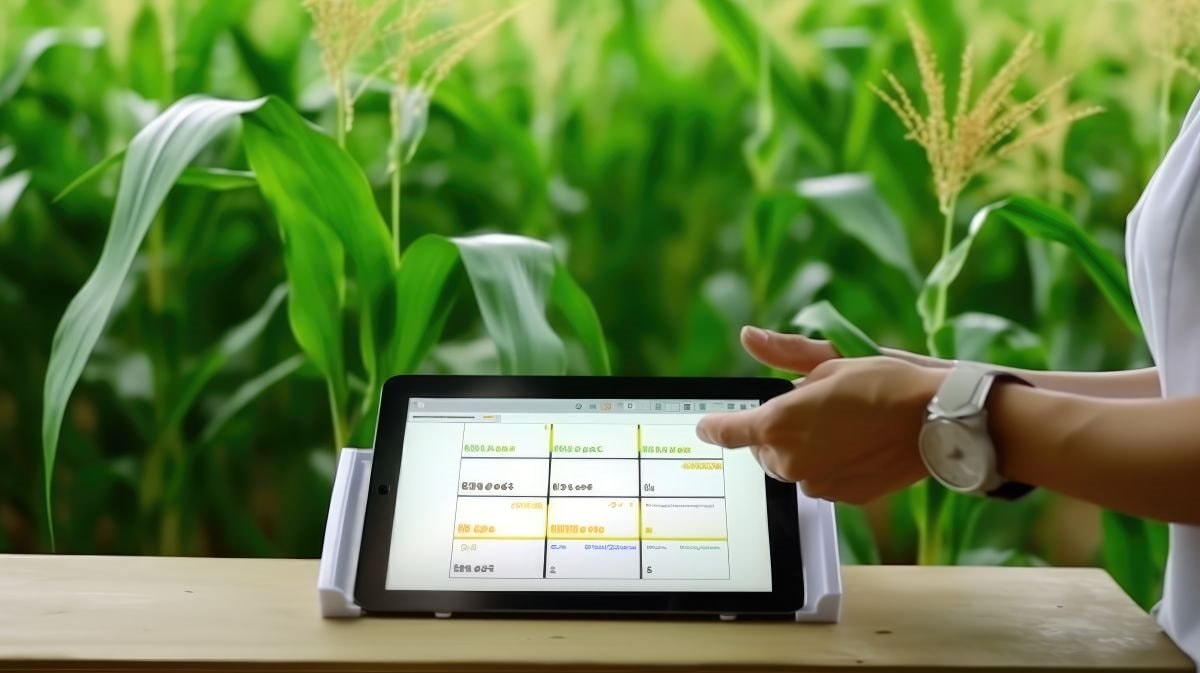
When data like storage temperature, transportation time, humidity, and inspection history are updated transparently and continuously, consumers gain confidence in product quality, and businesses can easily trace and manage risks.
The agricultural supply chain from farm to table is no longer an idealistic concept but an inevitable path in an era of smart consumption, modern agriculture, and a global market that demands transparency. Building a smart ecosystem for production – preservation – distribution – traceability will help reduce waste, increase quality, optimize costs, and boost consumer trust.
We believe Vietnam—with its agricultural strengths—needs to turn this advantage into value by investing in cold logistics, digital transformation, and fair cooperation models between businesses and farmers. Only when all three stakeholders in the chain understand, trust, and benefit together can the agricultural supply chain truly become sustainable and confidently reach the global stage.