

The Rise of Robotics and Automated Material Handling
English - Ngày đăng : 10:02, 13/07/2025
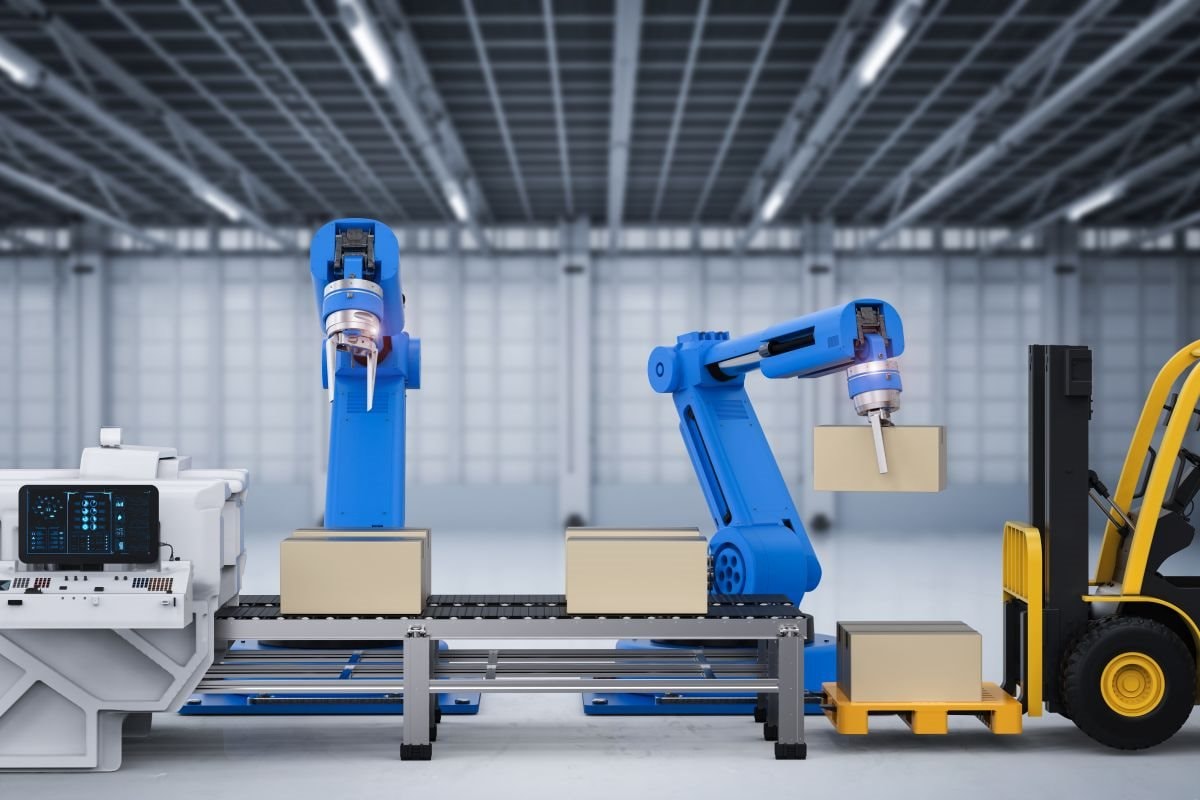
In this context, robots and automated material handling systems have become the “key employees” in smart distribution centers. Tireless, working 24/7, and coordinated by optimization algorithms, the new generation of robots is redefining the entire logistics process from warehouse to doorstep.
24/7 Robotics Overview & Warehouse Applications
Robots in logistics are no longer a futuristic vision but a present-day reality in every stage of the modern supply chain. From automated conveyors, picking robots, and Autonomous Mobile Robots (AMRs) to robotic arms for packaging and palletizing—all operate continuously and harmoniously under warehouse management systems (WMS) and artificial intelligence.
Large distribution centers have adopted goods-to-person robot systems, where robots bring items to workers rather than having staff search for products. This reduces handling time, increases accuracy, and minimizes order errors. Robots can function continuously in low-light, temperature-controlled environments without breaks—creating an uninterrupted logistics system.
Automation technology optimizes delivery time and accuracy— helping businesses shorten lead times and enhance customer experience in e-commerce.
Investment vs ROI: Financial Considerations
However, the adoption of robotics must be viewed beyond technical aspects. Initial investments in robotic logistics systems can be substantial—covering hardware, software, systems integration, and workforce training. A small or medium enterprise may need to spend several hundred thousand to millions of USD for a basic automation setup.
Return on investment (ROI) depends heavily on operational scale, order volume, and process efficiency. For businesses with high order density, frequent errors, and significant labor costs, robotics can deliver noticeable savings within 2–3 years. Conversely, without reaching an optimal scale, such investments may become financial burdens or underutilized assets.
Many businesses are now opting for a “robot-as-a-service” model—renting robots by the hour or workload—to minimize upfront costs and add operational flexibility.
Case Studies: Amazon Robotics, JD.com
Amazon is a prime example of successful robotics integration in logistics. After acquiring Kiva Systems and renaming it Amazon Robotics, the company has deployed over 750,000 robots in its warehouses across the US, Europe, and Asia. These robots process millions of orders daily, reducing fulfillment times from 90 minutes to under 30 minutes.
In China, JD.com—a major rival of Alibaba—has built “human-free” warehouses with over 1,000 robots working in real time. From order receipt to dispatch takes under 20 minutes, with near-zero error rates. JD.com was also the first in Asia to deploy outdoor Autonomous Ground Vehicles (AGVs) for last-mile delivery within a 5 km radius.
These examples demonstrate that robots are not just productivity tools but critical elements of fast delivery strategies, warehouse optimization, and competitive edge in e-commerce.
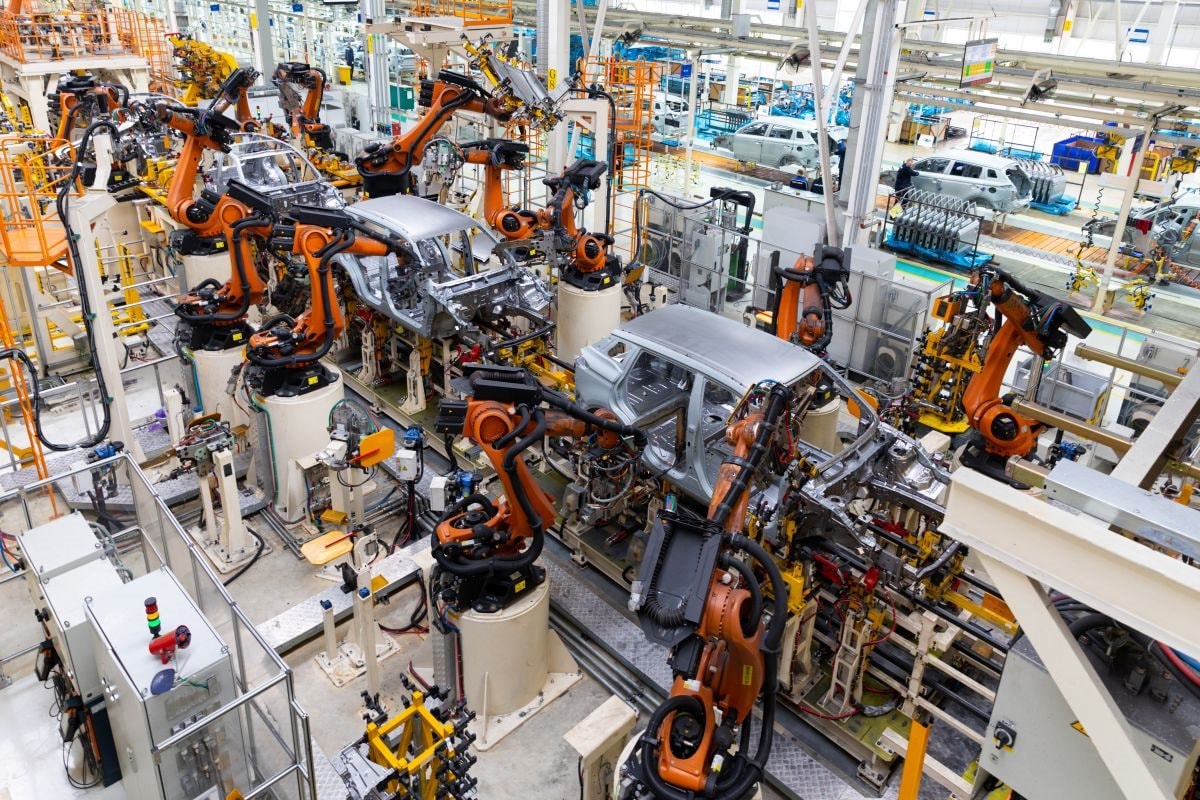
The rise of robotics in logistics is not merely a technological trend but a comprehensive transformation in how businesses think and operate. Robots do not replace humans; they replace repetitive, error-prone tasks—allowing human workers to focus on strategic roles like data analysis, system optimization, and customer experience enhancement.
The author believes Vietnamese businesses should boldly adopt automation technologies, from small to large scale, from outsourcing to in-house deployment. When speed and precision become the deciding factors in modern supply chains, early investment in robotics becomes a competitive advantage in the global logistics race.