

Agile Supply Chains: A New Advantage on the Capital Market
English - Ngày đăng : 13:55, 26/10/2025

International studies reveal a strong correlation between how often a company is mentioned for supply chain disruptions during earnings calls and fluctuations in its stock price and profit margins. This shows that flexibility and responsiveness not only determine operational efficiency but also directly influence market confidence and a company’s financial performance.
The “Earnings Call” Effect and Operational Reflexes
On financial forums, when investors ask about a company’s ability to respond to disruptions, even a brief answer can influence the company’s valuation for the entire next quarter.
Companies with early-warning systems, proactive risk management, and rapid recovery speeds are less likely to be “called out” in earnings calls, thereby maintaining shareholder confidence.
Conversely, those that lack transparency or respond sluggishly often experience stock price swings of 3–5% following each reported disruption.
From Operational Metrics to Recovery Capacity
Agility in supply chains can be measured through multiple layers of indicators:
- On-time and in-full delivery rate (OTIF);
- Order cycle time;
- Recovery time after disruption - in other words, time to recover.
When these operational indicators are linked with financial data — such as revenue preserved during crises or margin recovery after disruptions — companies can demonstrate their performance not with words, but with data, in a narrative that resonates with investors.
From Shop Floor to Trading Floor
To quantify agility, businesses must identify the recovery time of each critical supply lane and assess how long inventory can sustain operations during disruption (known as time to survive).
When on-the-ground metrics such as OTIF or cycle time are connected to financial outcomes — like revenue retained or margin preserved — the overall picture of supply chain efficiency becomes clearly reflected in earnings reports.
Leading corporations are minimizing “mention risk” by implementing data-backed disruption response scenarios, conducting regular simulations and drills, and publicly disclosing recovery metrics to strengthen investor confidence.
Scenario-Based Risk Dashboards
A truly agile enterprise doesn’t just move fast it knows when to pause and how to pivot.
A risk dashboard helps simulate diverse situations: changes in freight costs, material shortages, or shifts in consumer demand.
With a “risk map” built by region and activation threshold, companies can proactively reallocate supply sources, select alternate transport routes, or increase short-term buffers to maintain product flow.
The core value lies in translating risk into financial language - speaking to investors not about threats, but about the cost–benefit of each prepared scenario.
Scenario Mapping and Investor Communication
Building a detailed risk profile by product group, region, or source of supply is the foundation of transparent communication with the capital market.
Each scenario should clearly outline its activation measure, contingency cost, and the financial value protected if disruption occurs.
When communicating with investors, companies should move beyond “what we have done to mitigate” and instead highlight the net benefits revenue saved, margins maintained, or stock value protected through timely response.
In cases where disruptions exceed tolerance levels, supply chain insurance becomes the final defense - safeguarding both the balance sheet and brand reputation.
Investor Messaging: What KPIs Really Say
Investors increasingly regard supply chain risk management as a proxy for leadership capability and long-term strategic vision.
Companies that can tell their operational story through data - turning technical KPIs into financial language build deeper, more resilient trust in the market.
When metrics such as OTIF or recovery time appear not only in internal reports but also in earnings presentations as profit protection indicators, the financial value of agility becomes quantifiable.
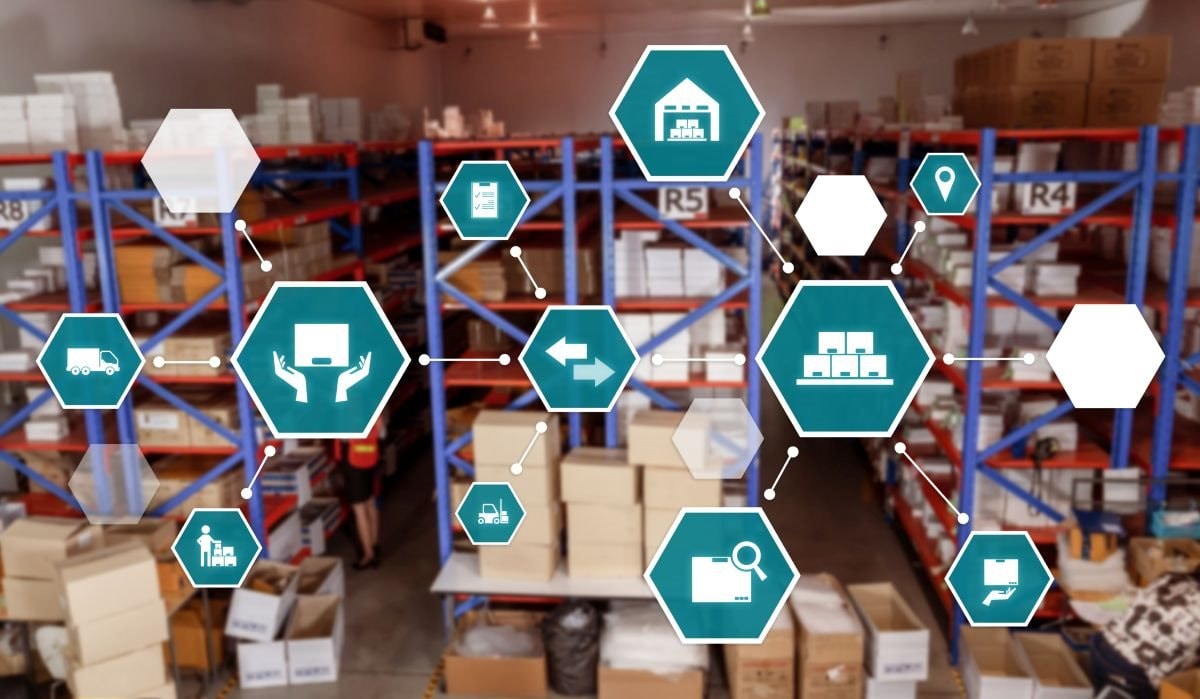
Supply chain agility is no longer just a management strength it is a measurable financial asset.
When companies know how to quantify, report, and communicate their agility effectively, they don’t just survive disruptions they open new margins of profit, strengthen shareholder trust, and enhance valuation stability.
A supply chain that reacts swiftly, operates transparently, and aligns with capital market expectations is the defining model of modern enterprise resilience in an age of uncertainty.