

How much will FuelEU 2025 push freight rates up - and can “pooling” save shippers?
English - Ngày đăng : 09:06, 07/11/2025
What’s new from 01/01/2025 and how it hits freight rates
From 01/01/2025, FuelEU Maritime imposes a “well-to-wake” greenhouse-gas intensity reduction, starting with a 2% cut from the 2020 baseline and rising stepwise toward an 80% reduction by 2050. The regulation applies to ships from 5,000 GT calling at EU/EEA ports, with monitoring/verification requirements and penalties if intensity thresholds are exceeded. FuelEU does not prescribe any single technology: companies can choose any mix (blended biofuels, LNG/bio-LNG, wind-assist, operational optimization, etc.) as long as they meet intensity targets. In the near term, the scarcity of certified low-carbon fuels plus compliance/audit costs will be reflected in green surcharges in transport contracts.
On EU-heavy lanes, this surcharge may become a per-voyage fixed item, separate from traditional bunker surcharges. In parallel, FuelEU interacts with the maritime EU ETS: by 30/09/2025, carriers must surrender EUAs for 40% of 2024 emissions; the share rises to 70% for 2025 (surrendered in 2026) and 100% from 2027. This requires careful budgeting for EU-bound transport, as both FuelEU and ETS costs will show up on the invoice.
Pooling - “combining fleets” to optimize compliance
Nội dung trích dẫn...
Pooling allows ships to balance compliance collectively: vessels with surplus points (intensity below the target) can offset shortfalls of other vessels within the same pool - either within one fleet or across companies by agreement - provided transparency and verification rules are met. Practically, if part of a fleet has invested in greener fuels/high-efficiency solutions, a company can hedge risk for the rest of the fleet, reduce penalties, and smooth its investment path.
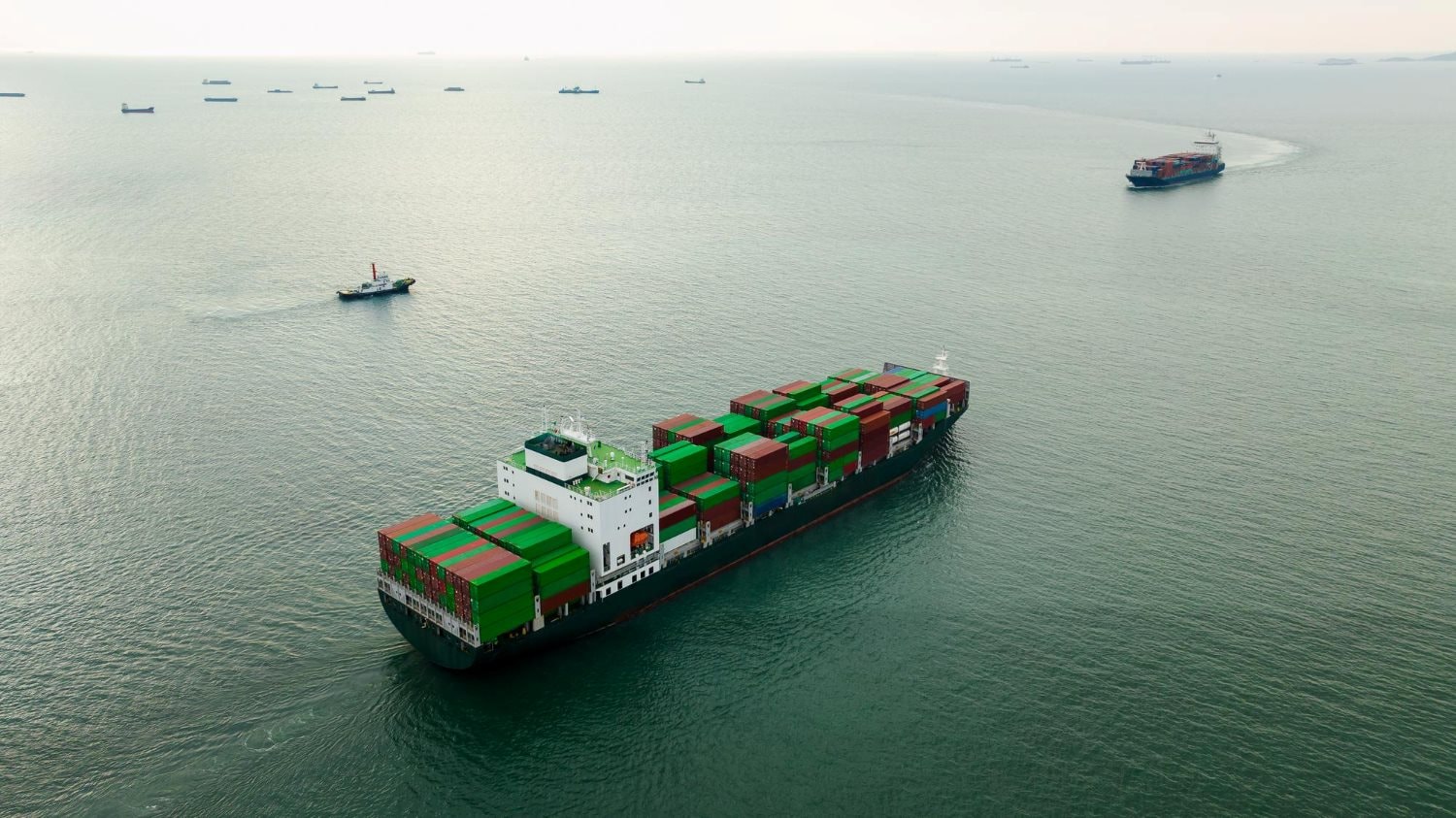
However, pooling is no silver bullet. Its benefits depend on (1) the quality of each vessel’s intensity data; (2) contract design within the pool (how benefits/penalties are shared); and (3) the durability of fuel blends across seasons/bunkering ports. If a supposed “surplus” vessel faces a fuel supply issue, the whole pool can flip into deficit and face escalating penalties. Hence “make-good” clauses and withdrawal rights after two consecutive quarters of under-performance are critical, alongside third-party audit rights for data.
Exporters and importers should model three cost scenarios for EU-calling lanes - conservative, base, and optimistic - varying: feasible green-fuel blend ratios per lane, EUA price bands (low/mid/high), and the risk of a pool shortfall. Then set a quarterly “green surcharge cap” and require a transparent, auditable calculation workbook. Disclosure disciplines both sides to optimize instead of simply “passing the buck.”
Contract playbook: green surcharge & risk-sharing
At contract level, build a backbone of three clause clusters.
First, a carved-out Green Compliance Surcharge with a clear formula: (i) base on prior-period green-fuel cost deltas by lane/vessel type; (ii) an adjustment factor tied to actual current-period intensity; (iii) a cap-and-collar to avoid price shocks. Attach an evidence pack: fuel-blend certificates, consumption and voyage data, and chain-of-custody documentation if “book & claim” is used.
Second, Carbon Cost Sharing: define how FuelEU (intensity-driven) and ETS (EUA-driven) components are allocated between carrier and shipper. For multi-year deals, add a re-opener trigger when EUA prices breach a threshold or when blend ratios shift due to supply constraints.
Third, pooling clauses: specify whether the pool is internal or joint; how benefits accrue to the party investing in costlier vessels/fuels; remedies if promised compliance points aren’t delivered; and an orderly exit process.
One often-overlooked lever is how sensitive intensity is to operating behavior: intelligent slow steaming, optimizing port operations to cut auxiliary engine time at berth, and re-shaping rotations to avoid many short port calls. These are “real reductions” that often beat the cost of buying expensive green fuels. When operational KPIs - e.g., average speed reductions on non-time-critical legs - are embedded, FuelEU scores improve promptly, reducing the need to “buy” compliance from the pool.
At the same time, prepare the data ecosystem: an EU-compliant monitoring plan, verification workflows, and a “data passport” for each vessel/lane. Early standardization reduces disputes over green surcharges and point allocation in pools.
On the supply side, consider “locking” a portion of green-fuel supply through collective procurement/framework commitments (e.g., a Green Fuel Purchase Agreement) with carriers and suppliers in exchange for stable schedules and traceability. Combined with pooling, such agreements can form a more predictable “point reservoir” for 12–24 months, reducing surcharge volatility.
Pooling only works if “surplus points” are durable. Require disclosure of fuel composition (neat vs. certificated), seasonal vessel-efficiency data, and bunkering plans at key ports. Set guardrails: if pool points fall below an alert threshold for two consecutive quarters, auto-trigger top-up compliance purchases or a pool restructuring. Third-party audit rights must be explicit in the annex.
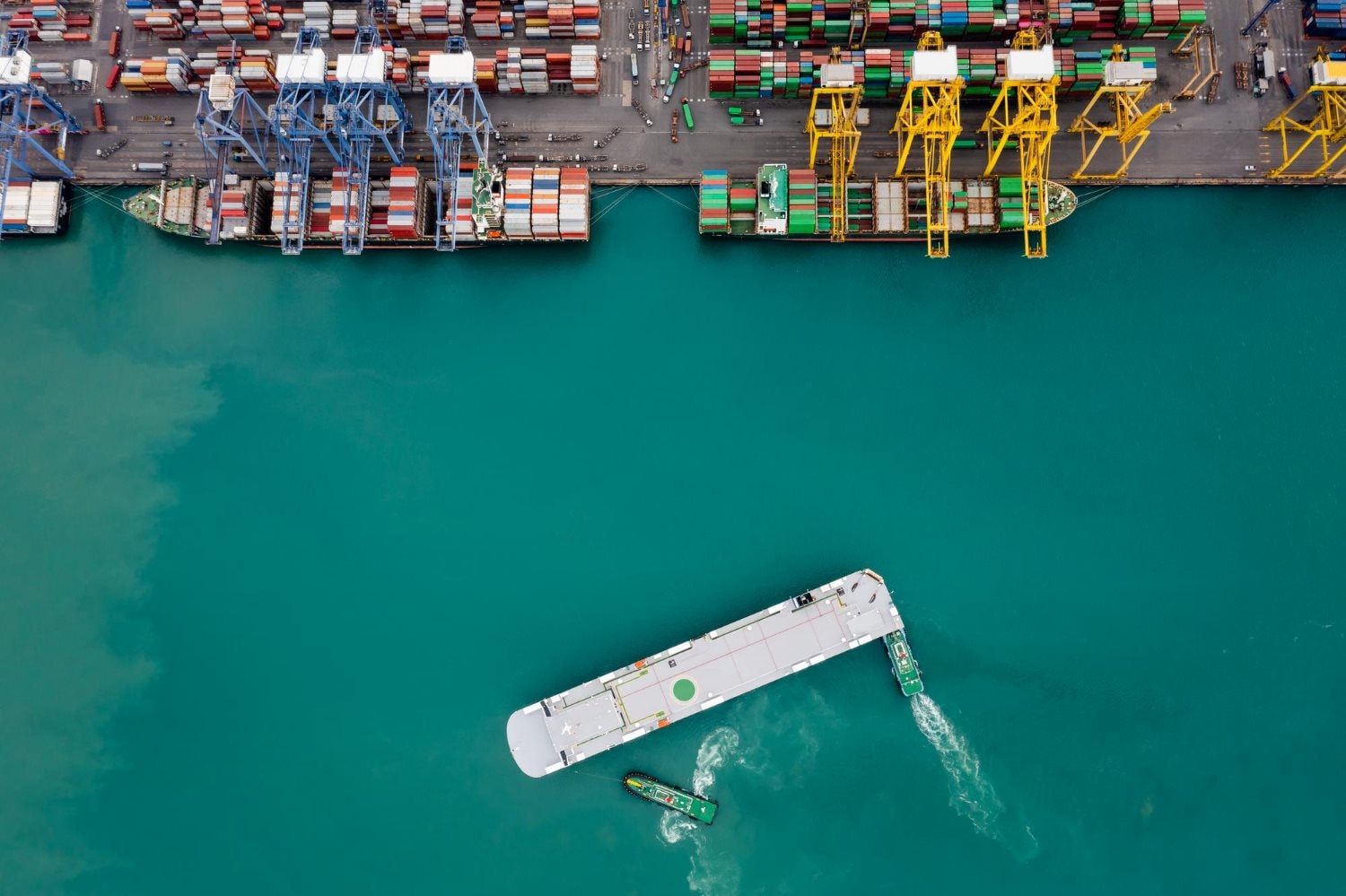
A common question: “buy” compliance (invest in vessels/fuels) or “rent” compliance (pooling + surcharge)? The answer lies in a 3-5-year TCO. Big fleets benefit from early investments that create surplus points to trade within pools; SMEs can use pooling as a bridge to avoid penalties while waiting for green-fuel prices to ease and bunkering infrastructure to scale.
Meanwhile, separate and standardize FuelEU and ETS cost lines in contracts to avoid double-charging. Set quarterly variance limits for EUA exposure using price bands, with a re-opener if the carbon market breaks through agreed thresholds; routinely reconcile voyage–bunkering–emissions data to curb invoice errors.
From 01/01/2030, container/cruise ships calling at TEN-T ports must achieve zero-emission at berth. Early investment in OPS (on-shore power supply) and re-shaping berthing schedules will cut indirect emissions costs down the road.
Conclusion
FuelEU 2025 makes “green costs” real. Choosing between “buying compliance” and “creating compliance” will define each shipper’s margin over the next two years. Pooling is a useful bridge while green fuel remains pricey and supply is tight, but only works with clear contracts, transparent data, and disciplined operations. Companies that standardize data, scenario-plan costs, and design surcharge and risk-sharing terms now will keep the upper hand at the negotiating table.