

APAC Cold Chain Accelerates: Where Should You “Lock” Capacity to Break Through?
English - Ngày đăng : 08:30, 04/12/2025
New demand structure: from deep-freeze to 2–8 °C for pharma
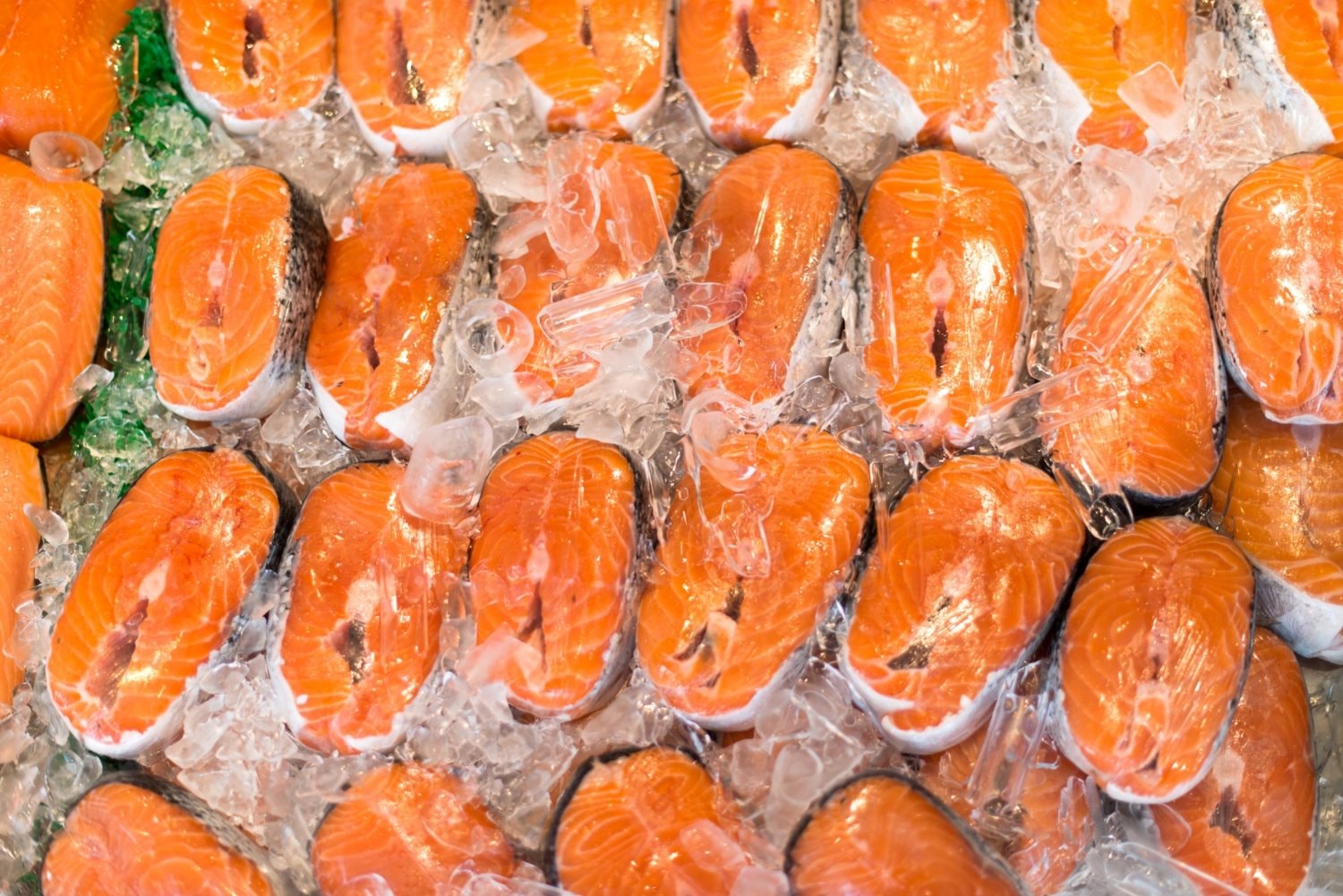
Seafood used to dominate; now 2-8 °C and 15-25 °C flows are expanding with pharma and packed fresh food. That means new requirements: temperature monitoring at handover points, exception capture and corrective actions, plus sanitation and de-odor cross-control. Don’t just “rent more cold storage” - look for multi-temperature capacity, light processing/packing, rapid testing rooms, and quarantine staging. At air gateways, short ground times and safe reefer-powering capacity are decisive.
Design by “risk corridor”: lane-by-lane, not country-by-country
Cold chains demand a corridor view: pickup - consolidation - gateway - ocean/air leg - arrival gateway - last mile. Each leg has a different risk matrix: ambient temperature, dwell time, reefer power, and sanitary/quarantine rules. Build lane-by-lane risk profiles: for 2-8 °C, spot where thermal excursions >30 minutes are likely and harden defenses (insulation, gel packs, logger battery SOPs). For frozen seafood, emphasize traceable temperature custody during cross-dock and transfer the weak links are often in the middle. With a risk map, capacity bets become clearer: prioritize sites with chilled cross-dock zones, gateways with enough reefer plugs, and routes with stable turns.
Do they support multi-temperature? Separate chilled cross-dock? Number of reefer plugs and backup power? Logger signal-loss rates? SLA for temperature exceptions? Cleaning/odor-control/pest protocols? Average pallet handling time? Telemetry/logger data integration to your systems? Contingencies for extended power outages?
Transport mesh: where ocean, air, and sea–air meet
Smaller, more frequent orders make ocean-cold and air-cold complementary. On long corridors, ocean is the cost backbone; near deadlines, push a portion to sea–air or convert containers to ULDs to hit retail dates. The question isn’t “which is better,” but how to standardize the crossover: anti-condensation rules, allowable door-open windows, and an evidence pack - container thermographs, sanitation certificates, and handover photos. For pharma, add GDP: temperature-controlled handover areas, sealed cartons per SOP, and randomized third-party audits.
Financializing the cold chain: turn big CAPEX into flexible OPEX
Cold stores are capital-intensive; if you wait for projects to finish, the market opportunity may pass. Usage-based services let you “buy” seasonal slots by pallet/hour and scale trials. To avoid bill shock from hidden fees, pre-agree formulas for reefer power surcharges, after-hours yard fees, and outage handling. Transparency lets operations adjust seasonal volumes without getting trapped between shortages and rigid contracts.

Thermal excursions >15 minutes; gateway dwell times; logger data-loss rates; reefer container turn times; quality claims; time to resolve exceptions; sanitary-compliant handover rates. Track weekly and share with partners to stabilize quality.
APAC’s cold chain is poised for a historic surge, but growth is durable only if you “lock” capacity in the right places, temperatures, and lanes. A risk-corridor lens avoids scattershot investments; standardized handovers and evidence packs cut disputes; flexible service models turn heavy CAPEX into adjustable OPEX. When temperature data, gateway capacity, and handover quality connect seamlessly, you preserve not only freshness - but margins throughout peak season.