

The U.S. - Mexico Border “Speeds Up”: Where Should You Lock Capacity for Your 2026 Supply Chain?
English - Ngày đăng : 15:32, 04/12/2025
Booming demand, infrastructure in a sprint
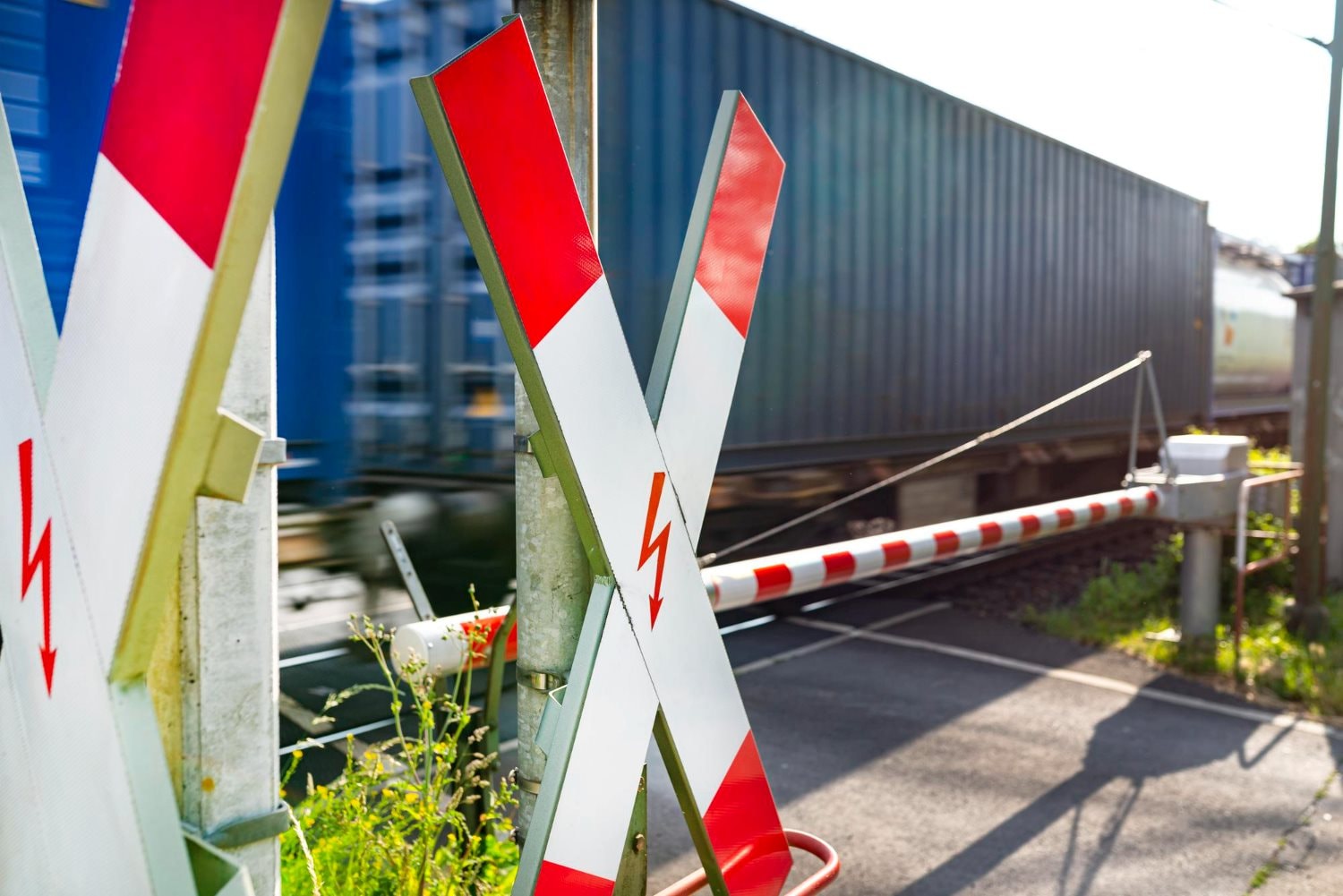
Laredo authorities have launched long-range plans to expand international bridges as truck traffic has nearly tripled since 1996, lifting congestion, cost, and environmental impacts; the city stresses 10-20-30-year milestones to preserve its No. 1 inland-port status. In parallel, the White House has granted a presidential permit for “Green Corridors” - elevated, cargo-only routes operating 24/7 to connect industrial parks north of Laredo to the Monterrey area - aimed at slashing bottlenecks and up to 75% emissions if implemented after environmental and international reviews. On rail, many 3PLs/retailers report gains from shifting to CPKC’s cross-border network, beating truck speed and reliability on some lanes.
Rail reaches the seas - an East-Coast bridge
CPKC and CSX see 2026 as a pivot year to extend Mexico - Texas flows to the U.S. East Coast through acquisitions/swaps of short segments, potentially opening more paths from Mexico into East-Coast ports and the Northeast consumer belt. For cold chains, a pilot moving frozen potato products from Calgary to Laredo by reefer rail suggests cross-border cold intermodal can “unlock” higher-value categories and relieve truck bottlenecks. FreightWaves’ Borderlands reports a steady run of bridge expansions, inspection yards, and border-industrial parks signaling rising production near the U.S. market.
Capacity-locking strategy: by corridor, by temperature, by gateway
Step 1 - corridors: Monterrey - Laredo - Dallas/Atlanta/NJ; Bajío - Laredo - Chicago; Tijuana - Otay - LA basin. Each needs a different mix of truck, cross-border rail, and for revenue-sensitive SKUs - air. Step 2 - temperature modes: ambient, cool (15-25 °C), 2-8 °C, frozen. For 2–8 °C and frozen, prioritize inland terminals with reefer plugs and chilled docks. Step 3 - gateways and split discharge: don’t funnel everything to one hub; split to 2-3 points to reduce single-node risk while balancing cost with schedule certainty. Another lever is integrated rail-truck drayage on an interlinked SLA: shared definitions of on-time, maximum dwell, and credits when rollovers/redirects happen.
Weeks 1-2: pick two primary corridors + one backup; re-measure lead times, variance, and choke points.
Weeks 3-6: lock CPKC cross-border slots for core SKUs; add triggers to shift when Gateway A flags congestion.
Weeks 7-10: secure reefer plug capacity and a standard “gateway-switch” SOP.
Weeks 11-13: pilot sea–air/air for 5-10% revenue-sensitive SKUs to insure peak seasons.
Regulatory & procedural risks: “narrow roads” widen with data
Differences in quarantine, security, and entry norms often create “soft bottlenecks.” Standardize dossier templates and pre-filing windows per gateway, integrate container/order-level data before arrival, and make “document completeness” a contractor KPI. Some firms run a centralized dashboard 24-72 hours ahead: forecasted gate volumes, open rail slots, average daily inspection rates - allowing volume to be shifted among gateways without breaking delivery promises.
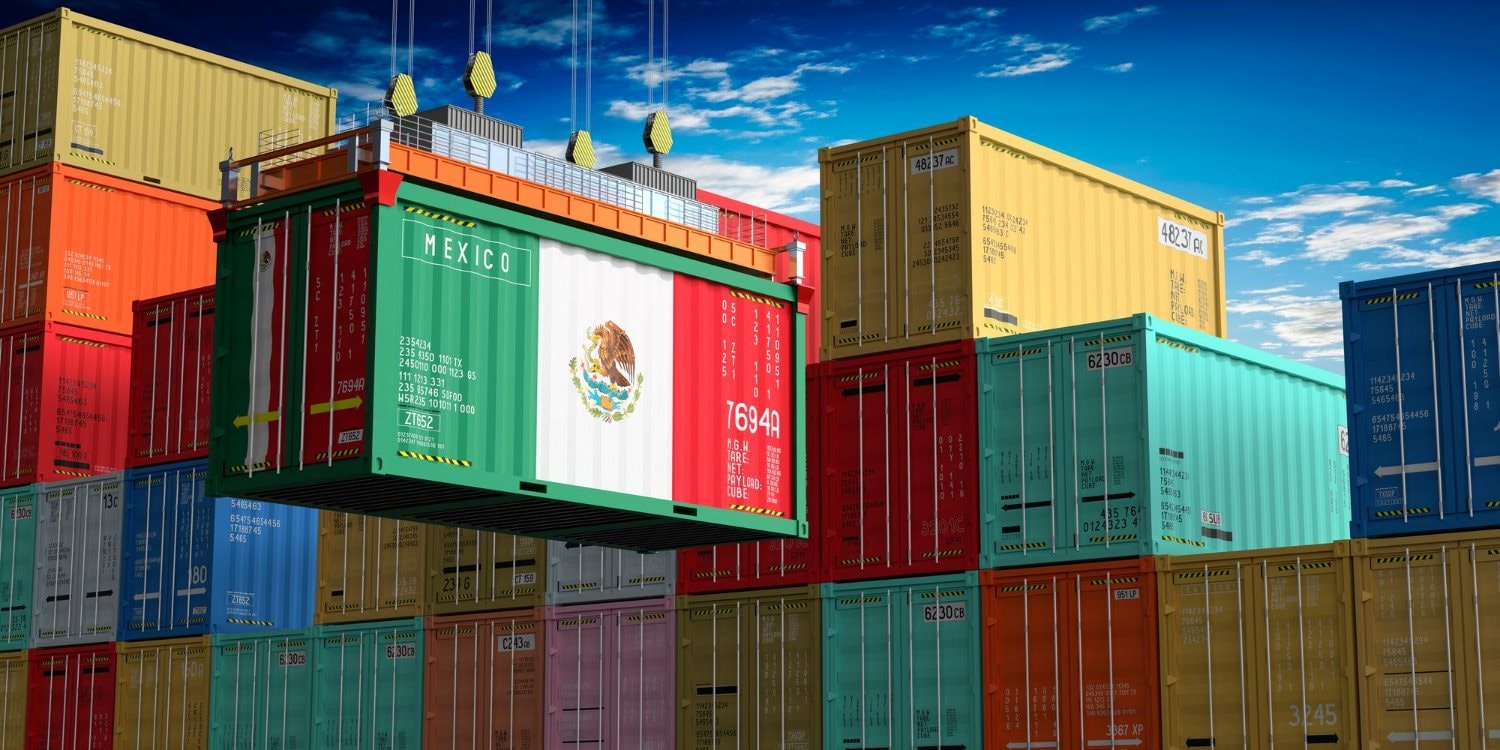
On-time by gateway; median gate wait; open rail-slot count by day; physical inspection rates; rollover rates; empty reefer availability; lane lead-time mean/variance; security/compliance incidents. Tie KPIs directly to adjustment clauses: if limits are breached, split gateways or switch lanes.
The Mexico - U.S. frontier is entering a deep infrastructure upgrade - from bridges to cross-border rail and even elevated freight corridors. Those who “lock” capacity by corridor - gateway - temperature, embed cross-chain SLAs, and run on data will turn nearshoring into margin - not a cost adventure.