

Marine Fuels - Will LNG “Take the Lead” Before Methanol?
English - Ngày đăng : 08:30, 06/12/2025
The 2030 picture: LNG leads on infrastructure; methanol accelerates on orders
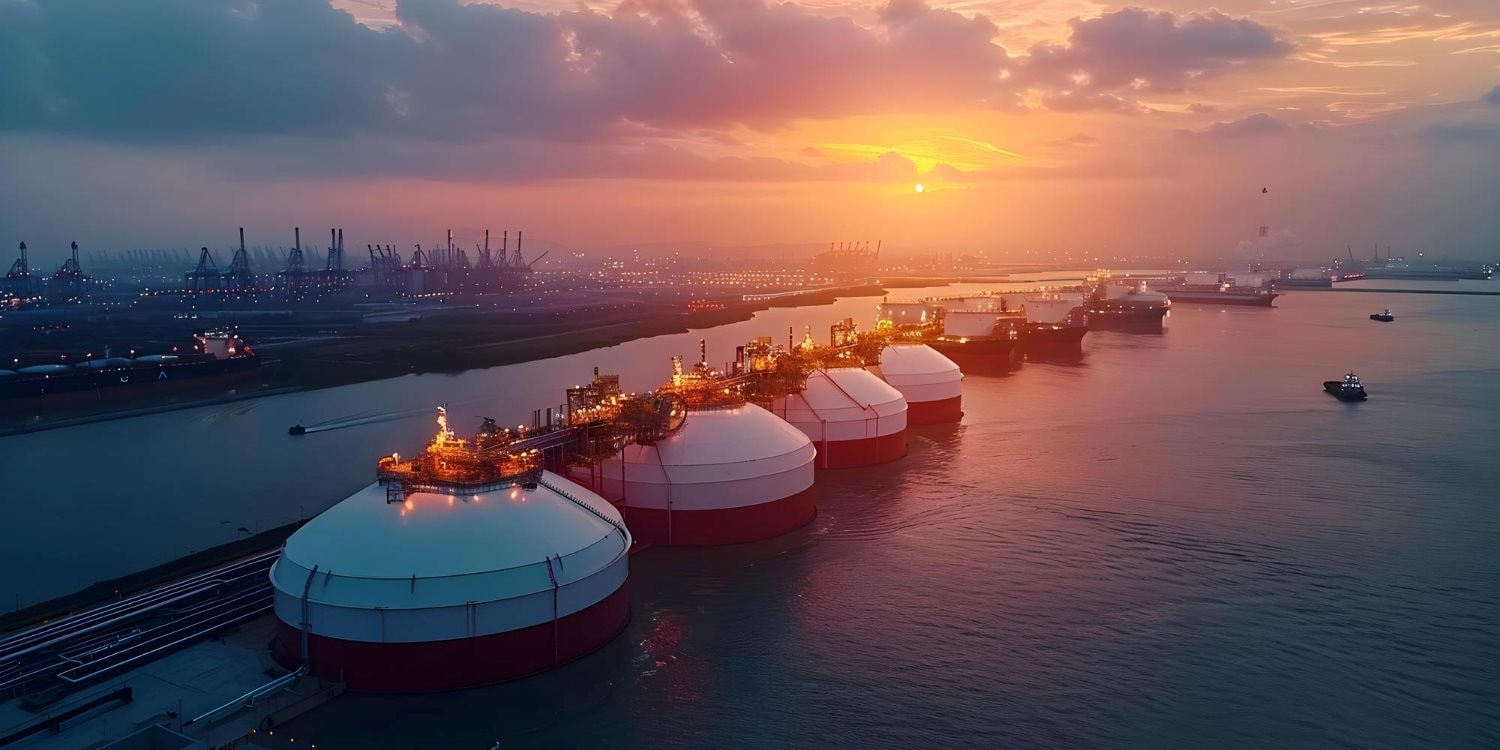
According to Reuters, dual-fuel LNG vessels already number in the hundreds and may exceed 1,400 by 2030; bunkering volumes could top 4 million tonnes in 2025 and reach 15 million tonnes by 2030, with Singapore, China and the Netherlands among leading supply hubs. Frameworks such as FuelEU and new IMO rules are key drivers.
On the methanol side, orders and commercial deployment have broken out of pilot mode: Maersk put its first large methanol vessel on the Asia–Europe route in February 2024, and a wider methanol-enabled fleet program is underway. Major bunkering milestones, long-term supply deals, and MoUs signal methanol’s shift from “testing” to “network building.”
What it means for shippers: LNG on trunk corridors; methanol on selected clusters
Over the next 3-5 years, LNG enjoys a “plugged-in” advantage at big hubs; on Asia-Europe/Asia-US trunk routes, the probability of LNG-powered vessels is higher, implying lower carbon surcharges than conventional fuel and clearer surcharge formulas. By contrast, methanol shows promise where carriers field sufficiently dense methanol-enabled fleets, especially when green methanol is allocated via long-term contracts. For ESG-sensitive revenue, a “clustered methanol corridor” contract can lock in an emissions trajectory - trading off a fuel premium for predictable, lower lifecycle emissions, with transparent “book & claim” proofs to prevent double counting.
Fuel & carbon surcharge contracting: design it so you’re not reactive
A 2026–2030 transport contract should separate three layers: a base freight rate; a fuel-basket surcharge (VLSFO/LNG/methanol) with adjustments tied to credible indices; and a carbon-compliance layer (EU ETS/FuelEU) updated quarterly. For routes likely to use LNG, insert corridor clauses linked to hub bunkering. Where methanol is viable, add “book & claim” documentation requirements: serial numbers, a public reconciliation ledger, and a well-to-wake blend ratio to convert emissions. With both surcharge layers transparent, the procurement team can “change fuel lanes” quarterly without reopening the entire deal.
Trunk routes via major hubs (Singapore, Rotterdam, Tanjung Pelepas): prioritize LNG given infrastructure; track spreads versus VLSFO.
Carrier clusters operating methanol-enabled fleets: consider methanol for ESG-sensitive SKUs, accepting the premium in return for stable, low-emission dossiers.
Routes with limited infrastructure: keep VLSFO in the short term and compensate with high-quality credits-strictly as a bridge, not a long-term strategy.
Managing fuel-market risk: don’t forget infrastructure lag
LNG prices will reflect US and Qatari supply; as expansions come onstream, the longer-term outlook may ease, but short-term swings will persist. Green methanol depends on renewable power, captured CO₂, and storage/bunkering chains; during the build-out phase, the risk of “no bunkering available” on certain secondary routes is real. Therefore, set quarterly “circuit-breaker” rules for fuel surcharges, with triggers to shift fuel baskets or carriers when price/availability breaches defined thresholds.
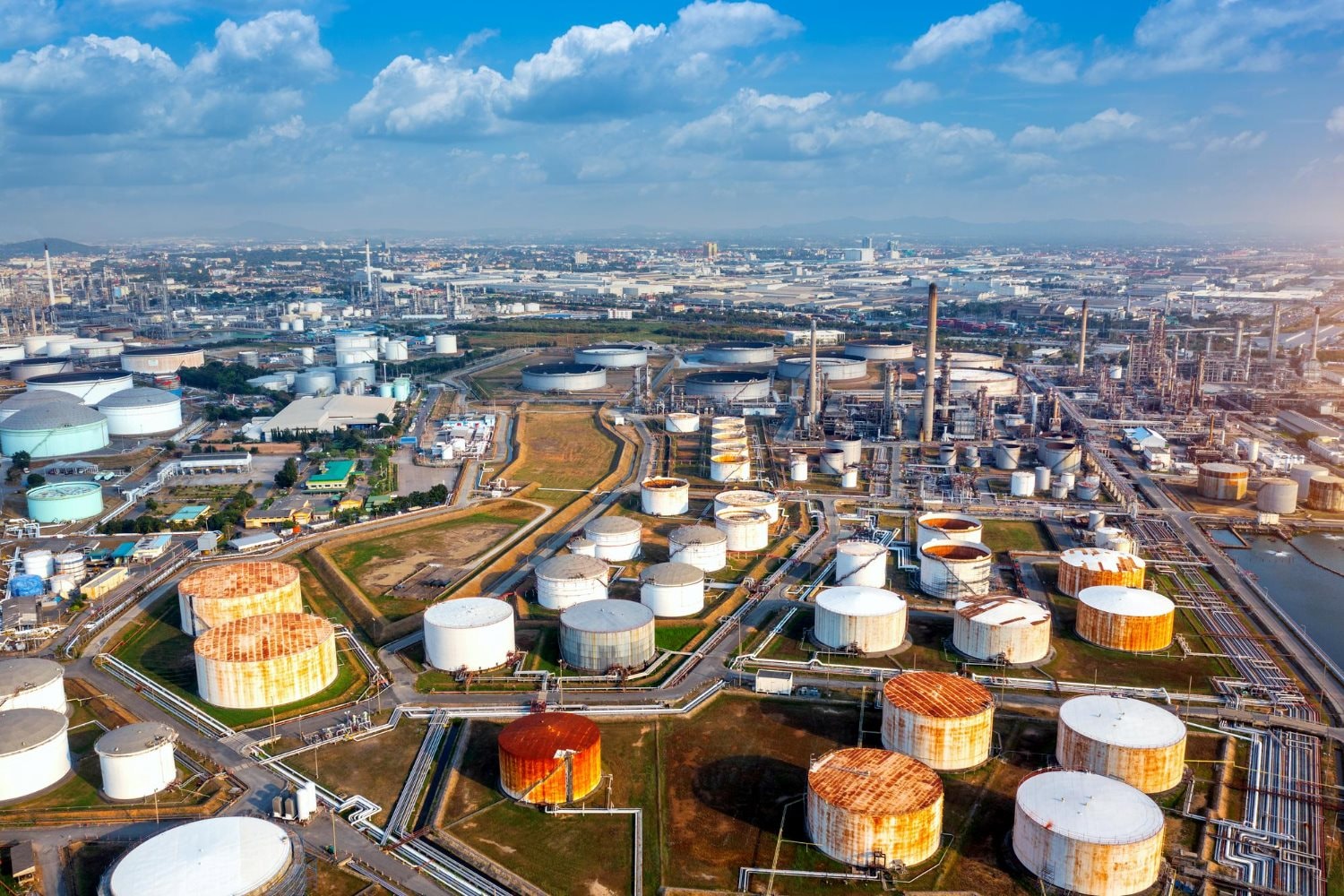
The LNG–VLSFO spread by hub; methanol premium over VLSFO; LNG/methanol bunkering networks by port; each carrier’s share of dual-fuel fleets; ETS/FuelEU surcharges by corridor; well-to-wake emission intensity per tonne-km. Dashboards must tie to actions: if thresholds are breached, switch fuel lanes, change carriers, or trigger “book & claim” reconciliations.
By 2030, LNG will likely be the principal “bridge” thanks to infrastructure and scale, while methanol surges on corridors backed by fleet and bunkering investment. Shippers need not “pick sides” - configure a fuel portfolio by route and quarter, with unbundled surcharge layers and documentary transparency. Done right, you cut real emissions, avoid “paying for labels,” and most importantly - keep cost control in your hands throughout the marine-energy transition.