
Cold Chain and Pharmaceuticals: The “Premium Lane” of Asia–Pacific Air Cargo
English - Ngày đăng : 09:23, 30/12/2025
With surging demand for biopharmaceuticals, vaccines, chilled and frozen food, and cold-chain e-commerce, the cold chain is becoming a “premium lane” that airlines, airports and 3PLs in Asia–Pacific cannot afford to ignore.
Pharma, vaccines, fresh food: the least stormy segment
After the Covid-19 vaccine boom, pharmaceutical airfreight has not collapsed as many feared. Recent data show that volumes of temperature-controlled pharmaceutical shipments continued to grow by about 2% in 2024, following a relatively stable 2023. The main drivers are biopharmaceuticals, oncology drugs, orphan drugs and injectable therapies, all of which require strict temperature control and short lead times – conditions under which ocean freight struggles to compete.
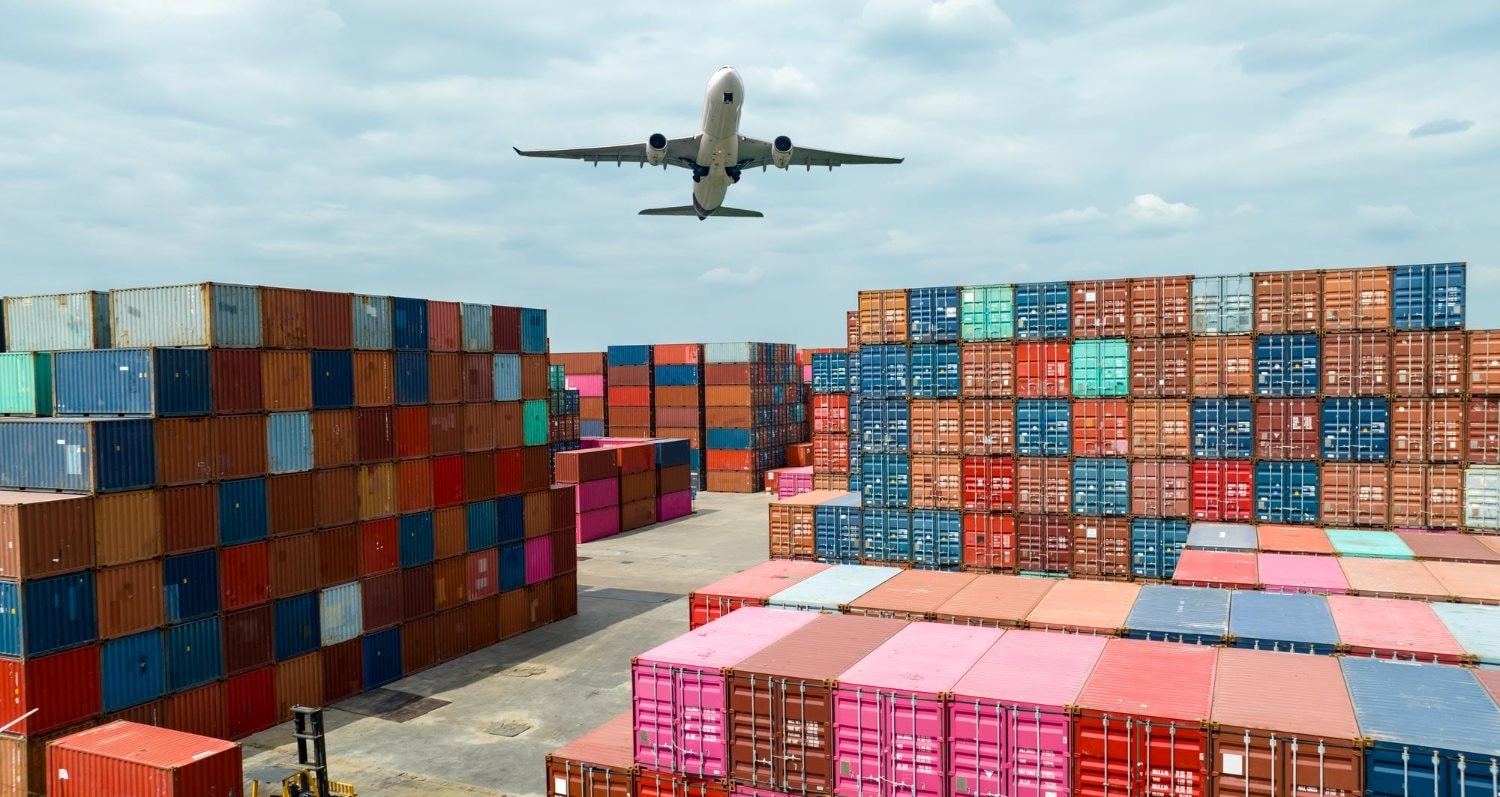
Alongside pharmaceuticals is a fast-growing category of fresh foods: seafood, premium fruits, meat and dairy products destined for the urban middle class and modern retail chains. In Asia–Pacific, the cold-chain sector posted an impressive compound annual growth rate of around 29.6% between 2017 and 2022, fuelled by rising household incomes, rapid urbanization and booming demand for fresh, high-quality foods. This provides a solid foundation for airlines to invest more deeply in cool-chain and pharma products.
In the broader restructuring of air cargo, cold chain and pharmaceuticals are playing the role of a crucial “shock absorber.” Even when general cargo yields and volumes soften, this segment continues to grow on the back of ageing populations, the rise of chronic diseases, demand for new vaccines and a consumer shift toward premium food. Market studies indicate that pharmaceutical air transport generated over USD 38 billion in 2024 and could grow by more than 6% annually through 2030, with China and Asia–Pacific among the fastest-growing markets. This helps explain why Singapore, Bangkok, Seoul, Shanghai, Mumbai and others are all racing to position themselves as regional “pharma and cold-chain hubs.”
The race for GDP, CEIV Pharma and regional cold-chain hubs
One key difference in this segment is the intensity of standardization. IATA notes that its CEIV (pharma, fresh, live animals, etc.) certification programs have expanded rapidly over the past 12 months, with 150 organizations certified or re-certified in 2024 alone; in total, the CEIV programs now cover more than 700 stations worldwide, over 500 of which are directly involved in pharma.
In Singapore, Changi has built a dedicated “Pharma Hub” with cold-chain handling capacity of more than 375,000 tonnes per year, supported by the largest CEIV Pharma community in Asia–Pacific and a pool of specialized cold-chain professionals. In Bangkok, Bangkok Flight Services (BFS) has obtained GDP certification for a dedicated pharmaceutical facility at Suvarnabhumi, adding another compliant link in the region’s pharma corridors.
Global logistics giants are also moving aggressively. LOGISTEED Asia-Pacific received CEIV Pharma certification at Changi in late 2024, as part of a strategy to expand its network of GDP-compliant facilities worldwide. FedEx Global Healthcare was awarded company-level CEIV Pharma certification by IATA in 2025 and announced plans to add 15 more certified locations within the year. These moves show that pharma and cold chain are being treated as strategic battlegrounds, not just small niches in a product portfolio.
Opportunities for Vietnam: from seafood and fruit to biopharmaceuticals
Within Southeast Asia, Vietnam is one of the fastest-growing cold-chain markets. In 2024, the country’s agro-forestry-fisheries exports reached a record of around USD 62.4–62.5 billion, driving demand for refrigerated storage and transport for seafood, tropical fruit, processed vegetables, meat and dairy products. Market research indicates that Vietnam’s cold chain is being driven by both exports (seafood, fruit) and domestic consumption/F&B, even though bottlenecks remain in cold storage capacity, human resources and technology.
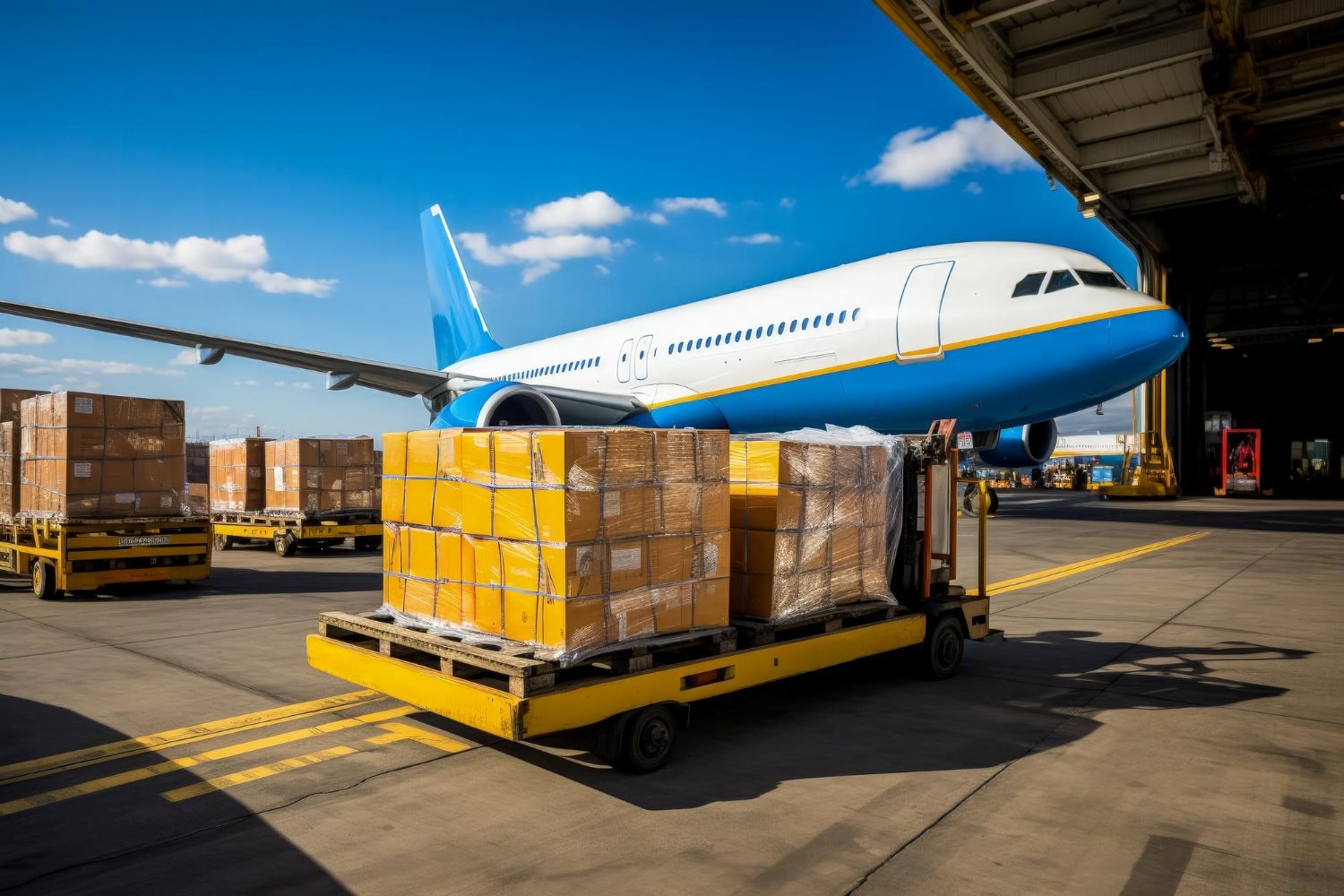
From an air-cargo perspective, this is an opportunity for Vietnam to move from merely “carrying fresh goods” to providing end-to-end cold-chain solutions for regional customers. Airlines, 3PLs and cargo terminals that invest early in GDP/CEIV-compliant cold facilities, design robust handling processes for pharmaceuticals, vaccines and biologics, and build links with high-tech farming areas and major aquaculture zones can tap more deeply into air cargo’s “premium lane.” At the same time, as pharmaceutical, medical-device and biotech manufacturers expand in the region, Vietnam can aim to become a transit point for pharma and medical-technology flows into ASEAN and neighbouring markets.
Cold chain and pharmaceuticals are gradually becoming one of the key segments defining the status of air-cargo hubs on the global map. With stable growth and limited exposure to economic cycles compared with general consumer goods, this is the “premium lane” where airlines, airports and 3PLs are vying for position. For Asia–Pacific in general and Vietnam in particular, the question is no longer whether to play in cold chain, but at what level, under which standards and at which link in the global pharma–food value chain. If Vietnam capitalizes on the wave of GDP/CEIV standardization and pairs infrastructure investment with regulatory improvements, it can turn its strengths in agriculture, seafood and geoeconomic location into a solid pillar within the region’s air-cargo cold-chain network.