
From 3PL to 4PL/LLP: The Next Upgrade for Vietnam’s Logistics Providers
English - Ngày đăng : 09:02, 16/01/2026
However, as multinational corporations seek partners capable of designing and managing their entire supply chains, the game is shifting toward 4PL/LLP models, where service providers act as architects and orchestrators rather than simply carriers or warehouse operators. For Vietnamese firms, this is both a gateway to higher tiers of global value chains and a demanding test of managerial, technological and financial capability.
From stand-alone services to 3PL: a solid foundation, but not enough
Most local logistics providers started from very modest building blocks: a small container fleet, a bonded warehouse, a customs brokerage team, a freight forwarding office. As customer demand grew more sophisticated, they began stitching together these elements into end-to-end offerings: door-to-door services, integrated logistics for specific sectors such as furniture, garments or electronics. This marked the transition to 3PL – integrated logistics where the provider takes responsibility from pick-up and customs procedures through warehousing and final delivery under a contract.
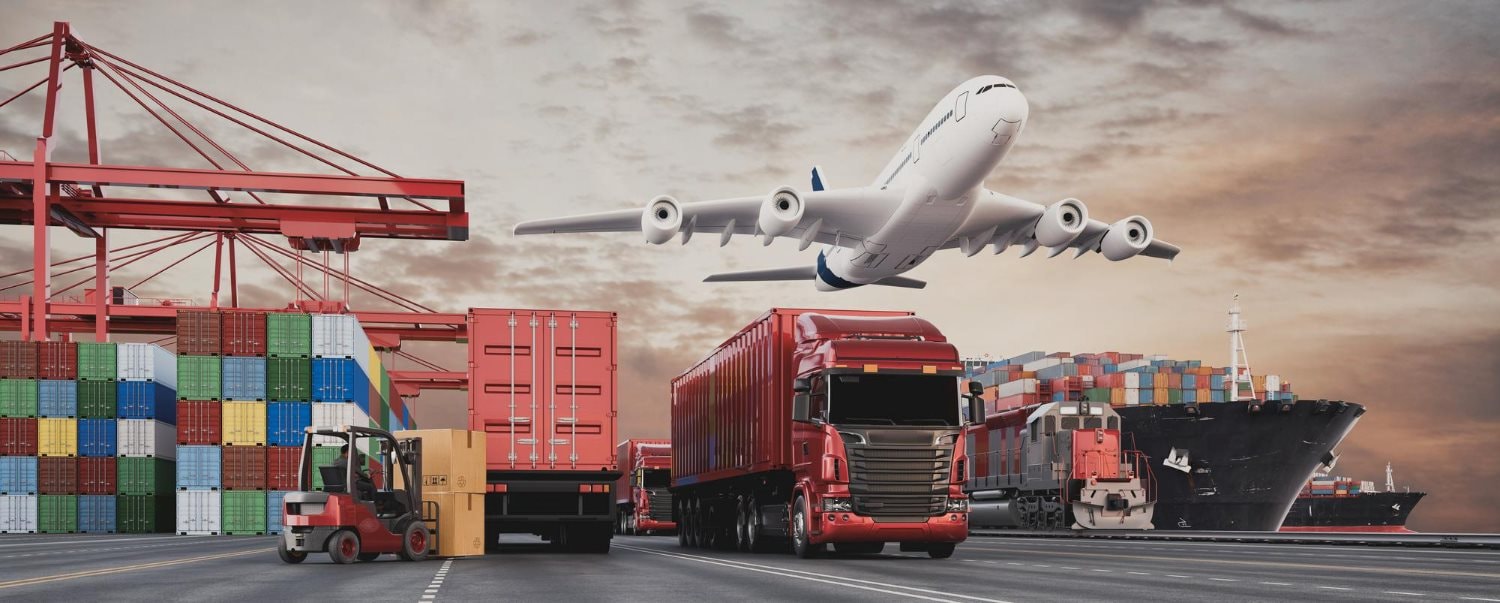
3PL has clearly helped Vietnamese companies mature: revenue streams became more stable, customer relationships longer-term, and internal management capabilities – especially cost and service quality control – improved. Yet most 3PL contracts remain execution-focused: the customer defines the network and service parameters, while the provider organises assets and labour to deliver at an agreed price. Providers largely rely on their own physical capacity (fleets, warehouses, depots) and a limited set of subcontractors, rarely playing the role of orchestrator for multiple large vendors.
In a volatile supply chain environment, this model shows its limits. Companies that only sell operational capacity are easily pulled into price wars, with slim margins and little room to invest in technology, network development and higher-level management. This is precisely where the 4PL/LLP conversation becomes relevant: moving from “doing the work well” to “designing and running the whole system” for customers.
4PL/LLP: from operator to supply chain architect
Unlike 3PL, which focuses on executing defined tasks efficiently, 4PL (Fourth-Party Logistics) or LLP (Lead Logistics Provider) models place the service provider at the centre of supply chain design and coordination. Instead of relying solely on their own assets, 4PL/LLPs combine multiple 3PLs, ocean carriers, airlines, truckers and warehouse operators into a unified network, optimised around end-to-end objectives: cost, lead time, reliability and even carbon emissions.
The core strength of a 4PL/LLP is therefore not the number of trucks or square metres of warehouse space, but its ability to consult, design, contract and manage the entire chain. These providers help customers answer strategic questions: where to locate distribution centres, how to split sourcing by region, how much safety stock to hold, which transport modes to use for each product segment. From there, they build the supply chain blueprint, sign and manage contracts with execution partners, and monitor performance across the network.
For Vietnamese logistics firms, this shift requires a major mindset change. Instead of focusing mainly on maximising truck utilisation or warehouse occupancy, they must learn to “sit on the same side of the table” as their customers: looking at total supply chain cost, end-to-end lead time, disruption risk and resilience. Relationships with other logistics companies also need to be redefined: competitors can become partners in 4PL projects, where each contributes its strengths in specific lanes, sectors or geographies under a shared coordination framework.
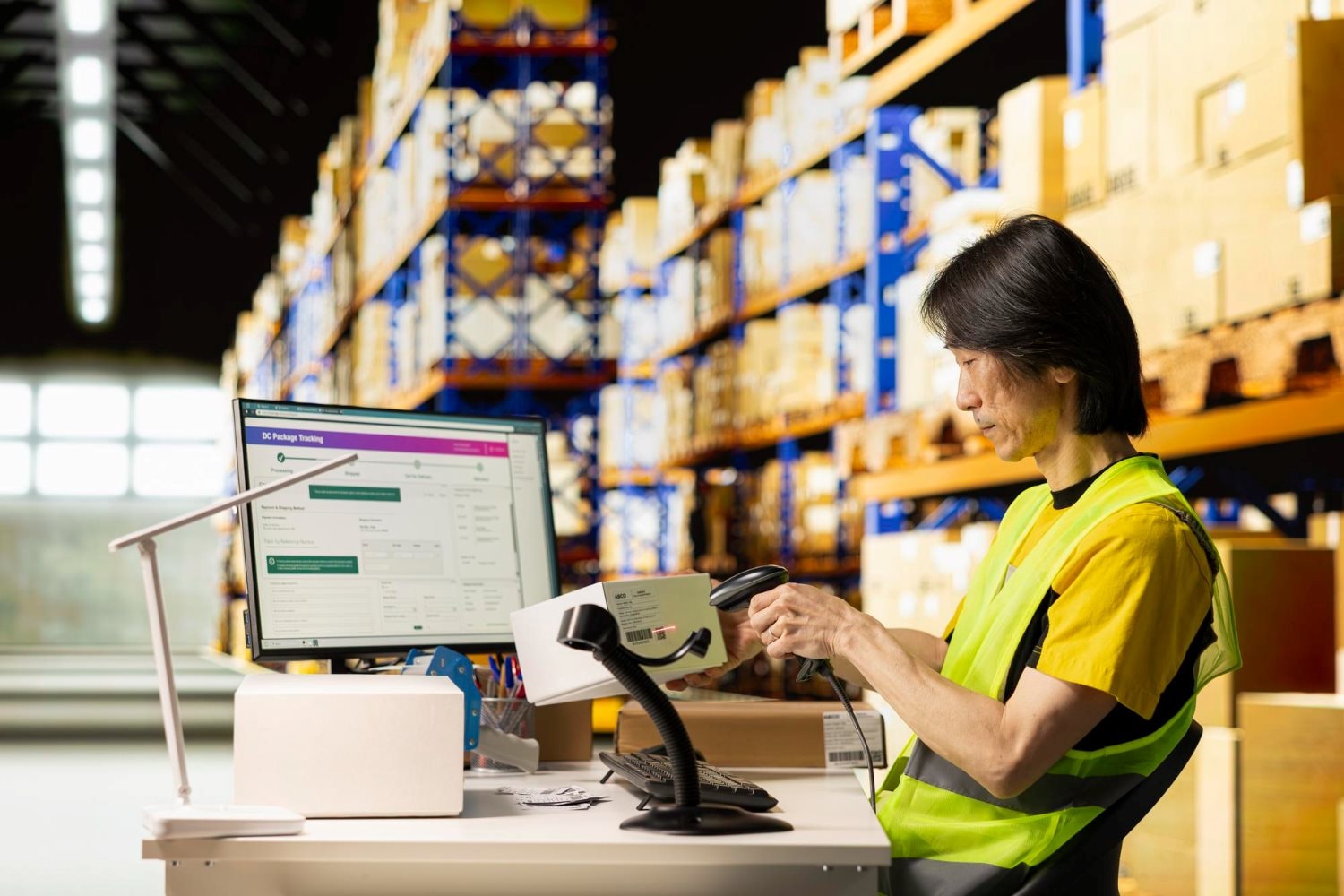
This is also a chance to embed more deeply into the regional and global supply chains of FDI manufacturers. Rather than taking on isolated transport legs, Vietnamese providers can propose integrated solutions that cover inbound, outbound, domestic distribution and cross-border flows, positioning themselves as the single regional point of contact. This naturally strengthens their bargaining power and margin potential.
Prerequisites: technology, talent and financial credibility
The path to 4PL/LLP is attractive but not meant for every company – and certainly not achievable through slogans alone. There are at least three critical prerequisites that Vietnamese logistics providers must prepare.
First is technology. At the 3PL level, a robust TMS or WMS can already be a differentiator. At the 4PL/LLP level, companies need platforms capable of integrating data from multiple sources: customers, subcontracted 3PLs, ocean and air carriers, truckers, ports, customs authorities, banks and insurers. The system must support a “control tower” view of the supply chain, with near real-time visibility and multi-dimensional reporting by region, product, SKU, lane, mode and vendor. Over time, advanced capabilities such as scenario planning and network optimisation become key differentiators.
Second is talent. 4PL/LLP models require true “supply chain architects” – professionals who understand business strategy, finance, operations, legal frameworks and technology. They must be able to work with senior executives on the customer side, translate strategic objectives into concrete network designs, and coordinate with operational teams for implementation. This implies serious upskilling of existing staff, coupled with targeted recruitment from multinationals, global carriers and large manufacturers.
Third is financial strength and risk management. Acting as a 4PL/LLP means sitting at the centre of a web of contracts and cash flows: paying and collecting from multiple parties, handling claims, insurance and disputes. Customers will only entrust this role to partners with sound financials, strong internal controls, and clear risk and compliance frameworks. This is why many 4PL/LLP arrangements worldwide are structured as joint ventures, long-term strategic alliances or equity-based partnerships, rather than simple service contracts.
The journey from 3PL to 4PL/LLP is not a race to see who owns more trucks or warehouses; it is about who understands their customers’ supply chains more deeply and who can build a robust foundation of technology, people and governance. Vietnamese logistics providers that remain purely operational will be trapped in thin-margin competition. Those willing to upgrade into the architect role can open up new, defensible value spaces where they are much harder to replace.
As global supply chains continue to be reshaped, 4PL/LLP is emerging as a new ceiling for ambitious logistics providers. For Vietnam, it is not just a matter of following a trend, but an opportunity to climb higher in the value chain instead of remaining perpetual subcontractors. The path demands serious preparation in technology, talent, finance and partnership culture, but the reward is deeper customer integration, stronger brands and more sustainable competitive advantage. The real question is not whether to move toward 4PL/LLP, but how each company will start preparing today so that it is ready when the opportunity arrives.