

Vietnam’s Agricultural Cold Chain: When Will We Break the Cycle of “Good Harvest, Low Prices”?
English - Ngày đăng : 08:28, 17/01/2026
Yet behind these impressive figures lies a worrying reality: post-harvest losses for many products range from 20 to 30 percent, equivalent to billions of dollars wasted each year due to inadequate post-harvest infrastructure and incomplete cold chains. The key question is: when will Vietnamese agriculture truly escape the vicious cycle of “bumper crop, falling prices” and border congestion if cold chain logistics remains the weakest link?
Record export growth, but cold chain is still the bottleneck
Recent studies paint a two-sided picture of Vietnam’s agricultural sector. On one hand, export turnover of agro-forestry-fishery products has grown strongly, with rising trade surpluses and significant potential in fresh fruits, vegetables, seafood and processed meats. On the other hand, logistics infrastructure – particularly cold chain capacity – has not kept pace with output growth and the quality requirements of high-end markets such as the EU, United States and Japan.
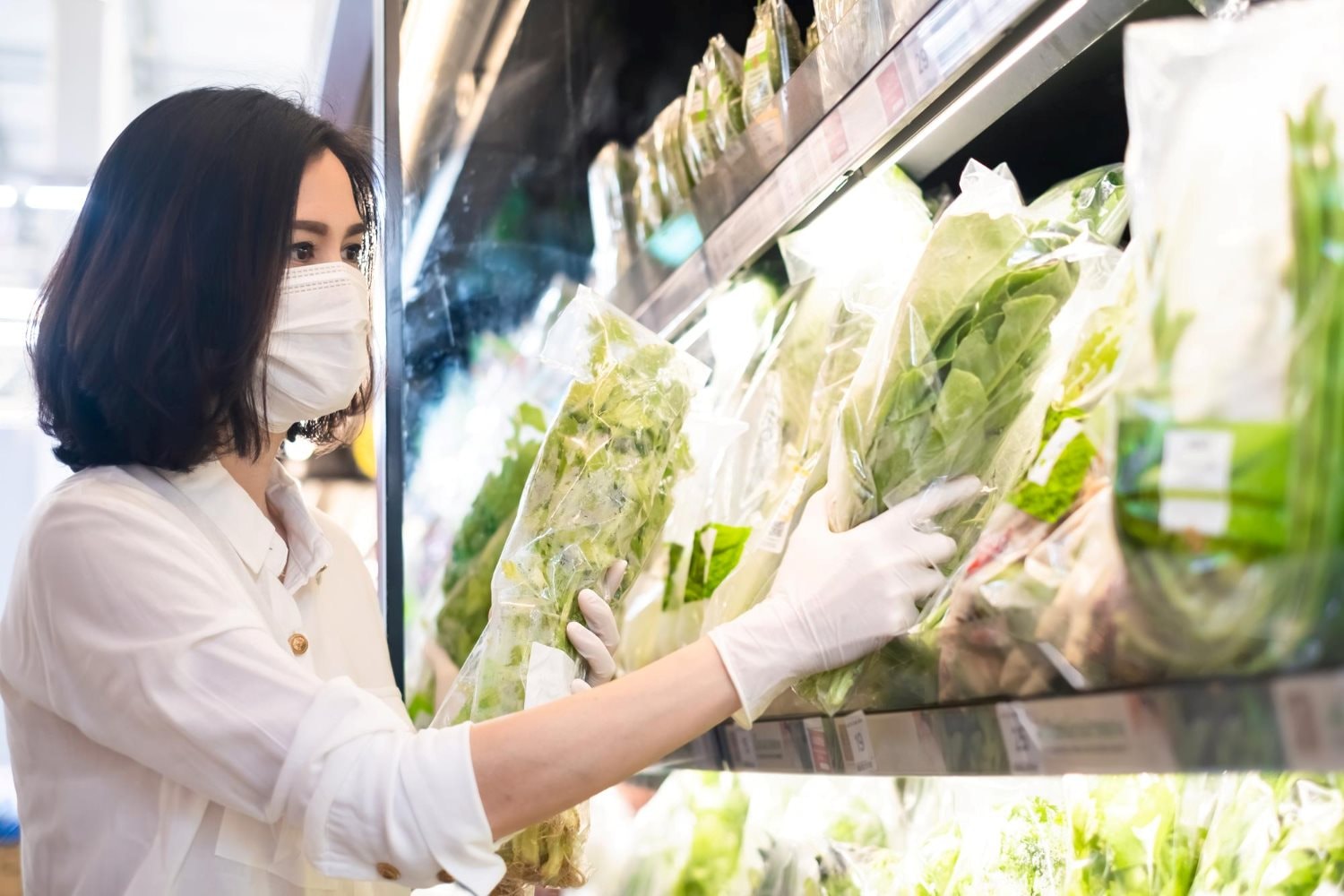
Sectoral reports estimate that post-harvest losses in Vietnam account for roughly 20–25 percent of output value, or about USD 3.5–4 billion each year, equivalent to around 2 percent of GDP and 12–14 percent of agricultural GDP. A large share of these losses stems directly from the lack of cold storage, refrigerated transport and standardized cold handling from the moment crops are harvested. In many growing regions, produce is still piled up in yards and open spaces, covered with tarpaulins while waiting for traders, degrading rapidly in hot, humid conditions long before it reaches a truck or vessel.
Meanwhile, the cold-chain market is growing quickly, but from a low base. In 2023, Vietnam’s cold chain logistics market was valued at about USD 211.2 million, with over 100 commercial cold storage providers and more than 30 professional cold truck operators, and a total designed capacity exceeding 1 million pallets. Capacity is projected to surpass 1.7 million pallets by 2028 thanks to a new wave of investment, but this still falls short of the needs of both export and domestic distribution. Only about 20–21 percent of agricultural products are stored under temperature-controlled conditions, while losses in fruit and vegetables can reach over 30 percent.
Where value leaks away along the farm–to–port journey
Looking along the value chain, we can see multiple “value leaks” directly linked to cold-chain gaps. At harvest, most farmers still pick crops based on experience rather than on firm orders, available processing capacity or weather forecasts. Produce is often gathered at household yards or makeshift collection points, loosely covered. In tropical heat and humidity, quality declines within hours, but buying prices barely differentiate between well-handled and poorly-handled goods.
In pre-processing and transport, many shipments are moved in closed trucks without active refrigeration or with only basic ice-based cooling. From growing regions in the Central Highlands or Mekong Delta to seaports, journeys can span hundreds of kilometres with unstable temperatures, driving up bruising, spoilage, dehydration and loss of sweetness or texture. By the time the cargo reaches cold storage or processing plants, exporters often have to downgrade or discard a significant portion of the load, limiting volumes available for high-value markets and pushing more product into lower-value channels.
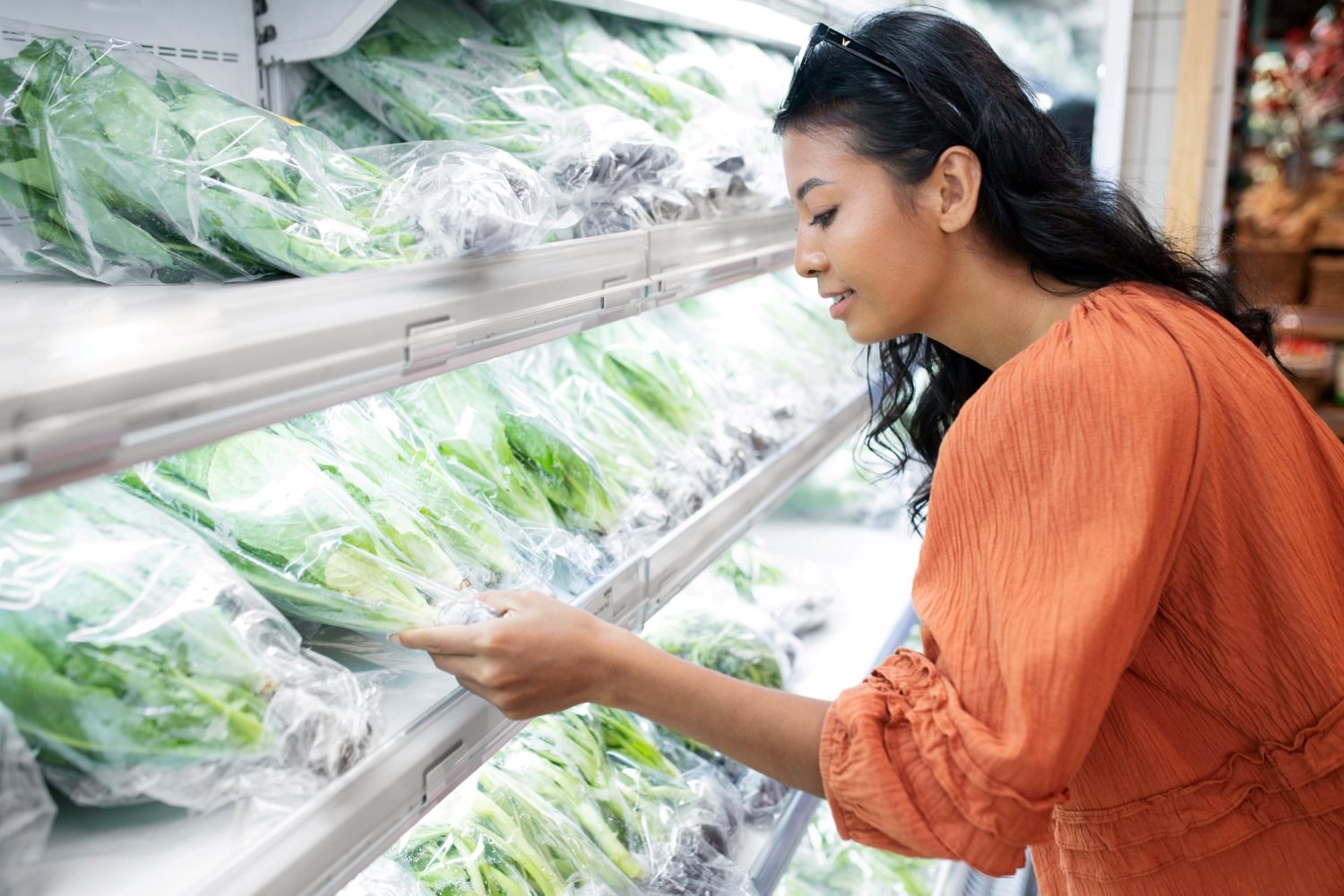
One study found that in export-oriented supply chains, about 66.7 percent of businesses make use of cold chain solutions, while in the domestic market only 8.2 percent of producers apply a full set of cold chain steps. This reveals a clear imbalance: Vietnam works hard to ensure cold-chain integrity for exports, yet remains relatively lax in serving domestic consumers, who are exposed to higher food safety risks as chilled and frozen products are handled inconsistently.
Even in cold storage, capacity allocation is far from optimal. Occupancy in many cold warehouses in hubs such as Ho Chi Minh City, Binh Duong, Long An and Bac Ninh often exceeds 88–90 percent, with rental rates ranging from USD 22 to 50 per ton per month depending on location. Scarce capacity makes it difficult for farmers and traders to hold stock and time the market; they are forced to sell quickly during peak harvest, fuelling the familiar “good harvest, low prices” cycle. Meanwhile, many provinces lack any modern commercial cold storage facilities, forcing product flows to be concentrated into a few major hubs, adding both transport cost and pressure on infrastructure.
A roadmap for a complete cold chain: from growing regions to logistics parks
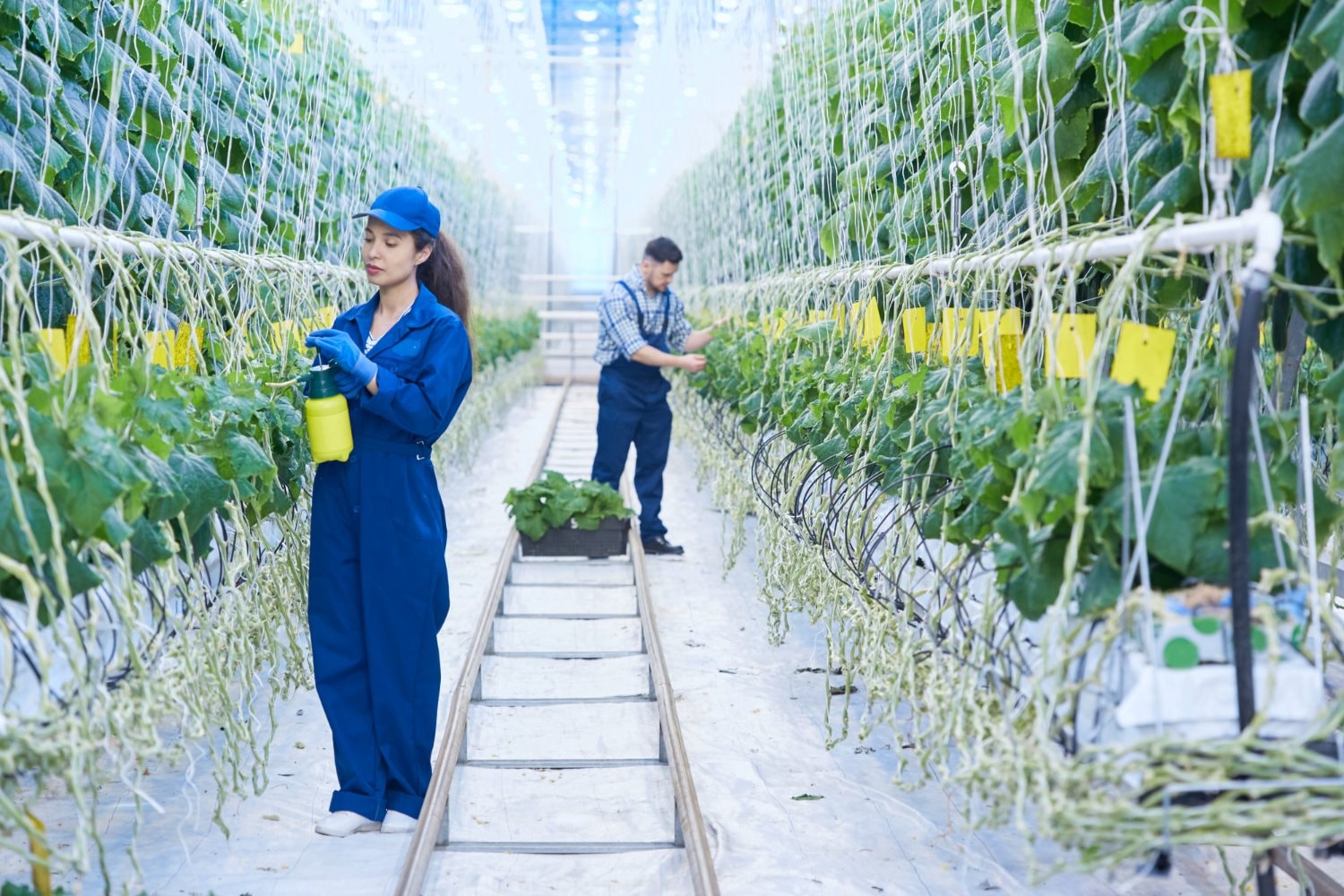
To break this cycle, Vietnam must treat agricultural cold chain as a system rather than a set of isolated assets. The starting point lies in the growing regions themselves: aligning crop planning with market demand and processing capacity; investing in pre-cooling stations near farms to capture field heat immediately after harvest; and standardising packaging, crates and pallets to match cold-chain requirements.
The next step is to rethink the network of refrigerated transport and storage. Instead of concentrating nearly all capacity in large hubs around Ho Chi Minh City or Hai Phong, Vietnam could develop a network of satellite cold warehouses at major production clusters, linked via fixed refrigerated lanes to logistics centres, seaports and border gates. “Agri-logistics parks” – combining trading platforms, ambient and cold storage, pre-processing and quality inspection – if located close to growing areas, would significantly shorten the distance that “raw” produce has to travel before being loaded into reefer containers.
At the same time, service quality and management capabilities among cold-chain providers need to be upgraded. Beyond renting space and trucks, cold-chain companies can offer end-to-end solutions: advising on harvest and packing practices, designing optimal transport schedules, providing real-time temperature and humidity monitoring, and supporting traceability. Technologies such as IoT sensors, remote monitoring platforms, QR codes and blockchain are not mere buzzwords; they are rapidly becoming prerequisites to meet increasingly stringent traceability standards.
Policy support is also critical. Green credit schemes for cold chain and agricultural logistics projects, land zoning for logistics parks near growing regions, technical standards for cold stores and vehicles, PPP mechanisms for key infrastructure, and incentives for domestic distributors to use cold chains can all serve as strong catalysts. Relying solely on the resources of individual enterprises will not be enough to build a nationwide agricultural cold chain.
An agricultural cold chain is not simply about adding a few more cold rooms or refrigerated trucks; it is about restructuring the entire journey from farm to table. With post-harvest losses still running at 20–30 percent, every dollar invested in effective cold-chain infrastructure can generate multiple times that value for farmers, agribusinesses and the broader economy. Building a robust cold chain is the key for Vietnam to stop playing on the low-value end of global agri-food markets.
As Vietnam’s agricultural sector shifts from a volume-driven to a value-driven growth model, cold chain logistics can no longer remain the “low spot” in the logistics system. Annual post-harvest losses worth billions of dollars show that the country is squandering a significant share of farmers’ efforts and its own competitive advantage. Completing the cold chain – from regional planning and infrastructure investment to new agri-logistics park models, better services and coherent policies – will determine where Vietnamese products stand in global value chains. Once these “cold gaps” are filled, the story of “good harvest, low prices” need not keep repeating after every season.