

Urban Logistics and the Last-mile Challenge: How Can Cities Deliver Faster, Cheaper and Greener?
English - Ngày đăng : 08:30, 19/01/2026
In major Vietnamese cities such as Ho Chi Minh City, Hanoi and Da Nang, congestion hotspots, truck restrictions, a lack of loading bays and the absence of dedicated urban logistics hubs are turning the last mile into an increasingly difficult equation. Without a solution, efforts to cut logistics costs and enhance national competitiveness will be blocked right at the city gates.
A short distance with a hefty price tag
In traditional logistics models, long-haul transport usually grabs the most attention because that is where most fuel and time are consumed. However, with the rise of e-commerce, omni-channel retail and expectations of same-day or even two-hour delivery, the cost picture is changing. The segment from distribution centres to individual delivery points has become the focal point for both cost and customer experience.
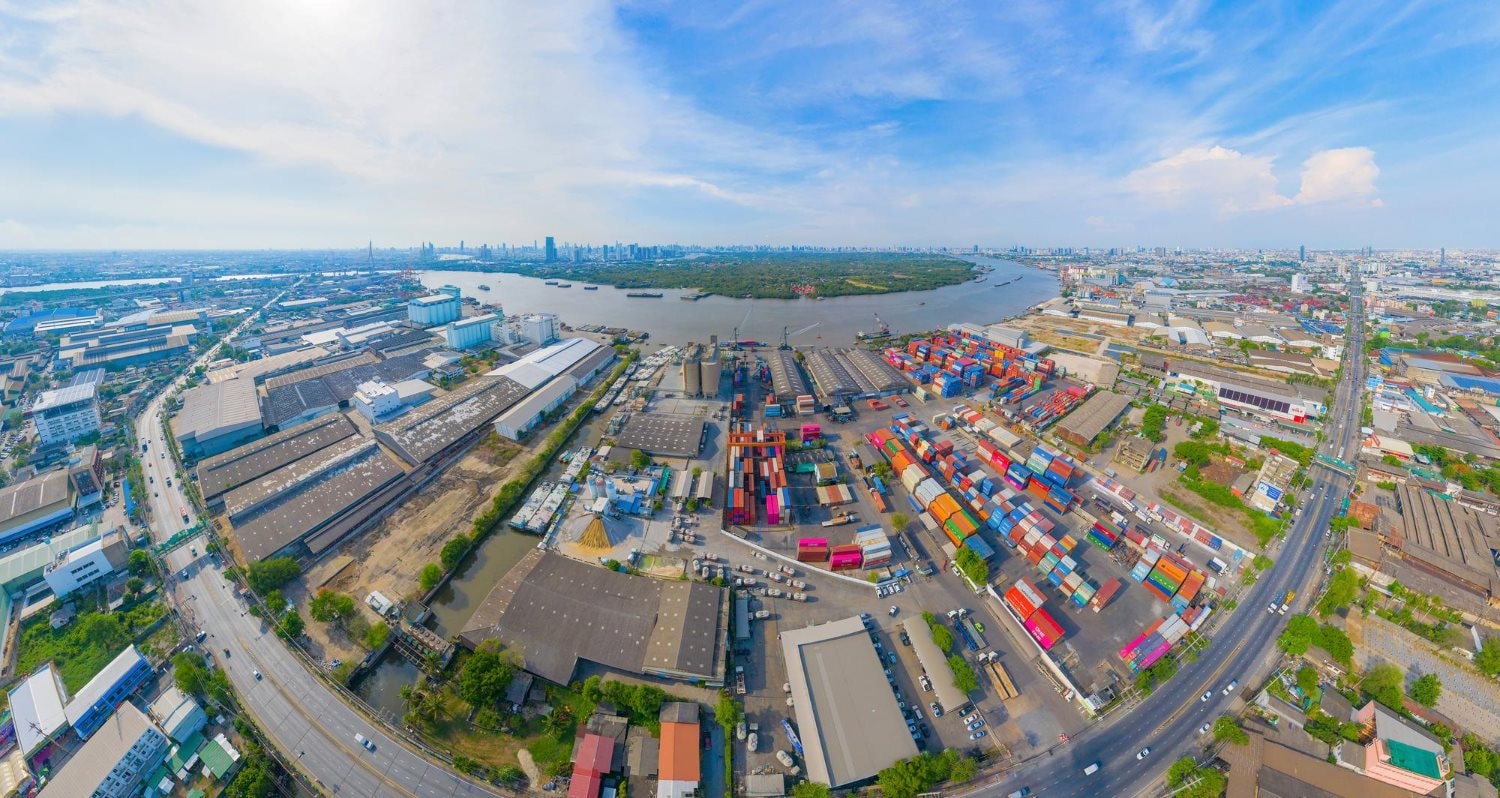
In Vietnam, high population density and a complex urban fabric of narrow streets, alleys and mixed-use buildings make last-mile operations particularly challenging. Large trucks struggle to access residential areas, while peak-hour truck bans compress delivery windows into limited off-peak slots. Many companies are forced to split orders, using multiple trips with smaller trucks or motorbikes. Every stop becomes a costly micro-operation: parking, unloading, waiting, signature capture or photo proof. Labour and time costs add up quickly, not to mention hidden costs associated with failed deliveries, re-deliveries and returns.
Return rates in some e-commerce categories can reach 10–15 percent or more. Each return triggers a reverse logistics cycle with its own full cost: pick-up, inspection, sorting, re-stocking or liquidation. Without a well-designed last-mile and reverse logistics strategy, these costs can easily erode already thin margins, forcing retailers and platforms to raise delivery fees or scale back service levels.
Urban hubs, consolidation points and network optimisation
Solving the last-mile puzzle requires looking beyond the delivery fleet to the design of the entire urban logistics network. In mature markets, a “multi-node” approach is increasingly common: instead of a single mega-warehouse on the outskirts, companies build networks of urban hubs and micro-fulfilment centres close to residential clusters, shopping districts and transport nodes. This dramatically shortens the distance from inventory to customer, cuts time and cost per order, and enables same-day or even same-hour delivery within defined zones.
In Vietnam, this trend is emerging through dark stores, e-commerce pick-up points and sorting centres near residential areas. However, many of these facilities have developed in an ad-hoc way, repurposing existing buildings without systematic urban planning or integration with transport networks. As a result, route optimisation and capacity sharing remain limited: each company runs its own vehicles, uses separate warehouses and platforms, and delivery routes overlap, creating inefficiencies and localised overloads.
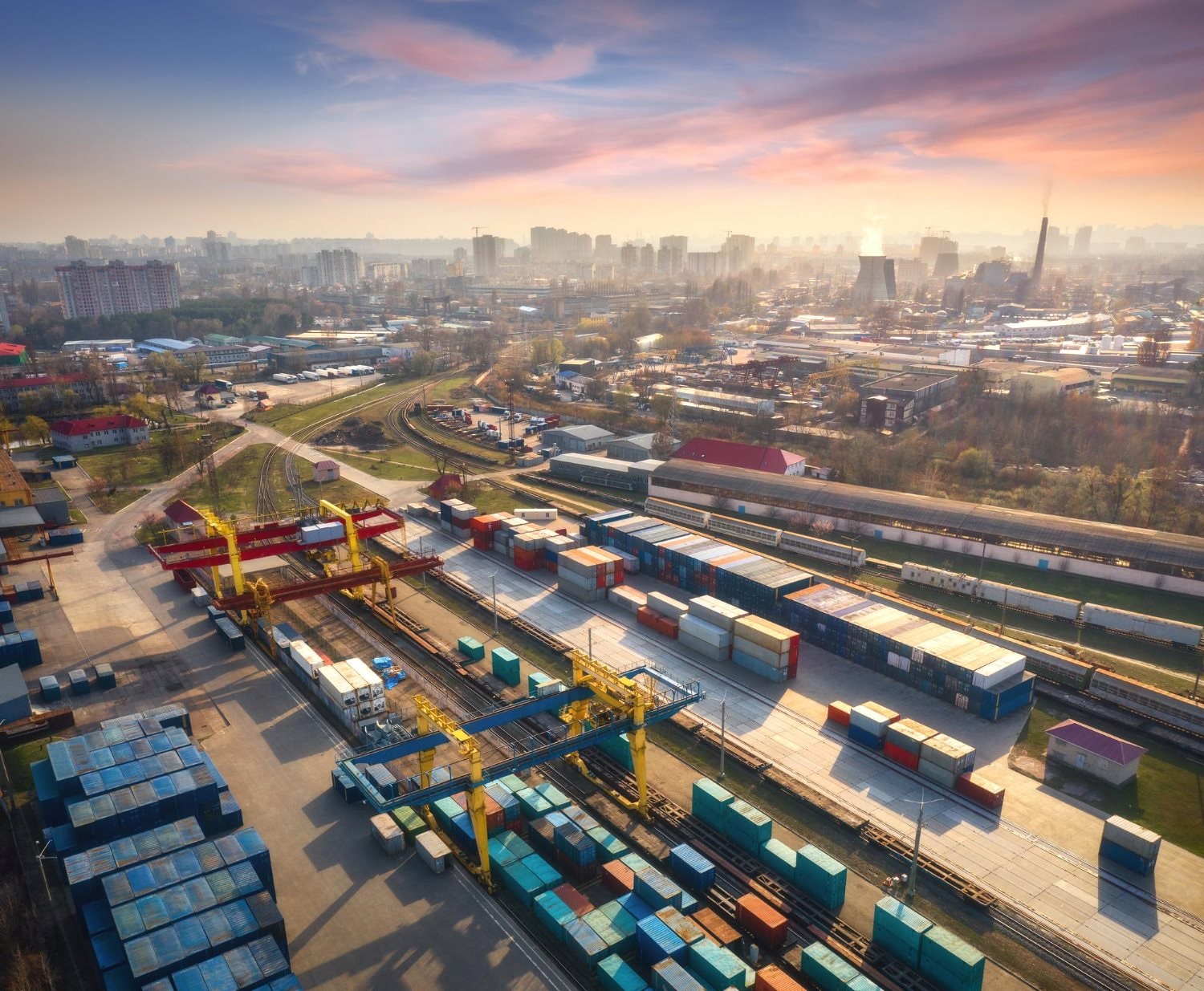
A promising direction is to develop multi-tenant urban logistics hubs, where multiple retailers, e-commerce platforms and 3PLs share warehousing, sorting infrastructure and even parts of the last-mile fleet based on time windows and optimised routes. In such a model, digital platforms act as the “brain”, consolidating orders by area, generating optimal delivery tours and allocating loads among carriers in a way that maximises overall efficiency – similar to how airline alliances share capacity.
International experience suggests that revising zoning rules to allocate space for urban logistics – including ground-floor areas of car parks, stations and shopping centres – can significantly reduce the number of large vehicles entering dense city centres. Properly designed cross-docks and transfer points where goods are shifted to light-duty or green vehicles not only lower logistics costs but also mitigate congestion, emissions and pressure on urban infrastructure.
Technology, data and new delivery models
The last-mile story is also a story of data and technology. Route optimisation tools, GPS tracking and digital delivery platforms help companies reduce empty miles, cut re-delivery attempts and increase drops per route. Data on actual delivery times, successful delivery windows and customer presence patterns enable firms to design smarter time slots and improve the likelihood of first-attempt success.
New models such as consolidated deliveries, pre-booked time-slot delivery and parcel lockers are being tested and scaled in many markets. In Vietnam, retailers and logistics providers could leverage the dense network of convenience stores, mini-marts, post offices and petrol stations as pick-up and drop-off points, shifting part of the burden away from door-to-door delivery. This is particularly valuable in high-rise residential complexes and areas with strict parking restrictions.
For city authorities, flexible permitting for innovative delivery models, along with pilot priority lanes or time windows for green vehicles (electric bikes and scooters, low-emission light trucks), can support cost optimisation while advancing environmental goals. In return, companies would need to comply with safety, data and environmental standards, contributing to a more sustainable urban logistics ecosystem.
The last mile is more than a delivery step; it is the primary touchpoint between the supply chain and the consumer. If Vietnam can crack the last-mile equation – through smartly located urban hubs, advanced routing technology, flexible delivery models and supportive city policies – it can simultaneously lower logistics costs and enhance customer experience, while building more liveable cities. Turning last-mile from a bottleneck into an advantage will be a defining factor in the competitiveness of urban supply chains.
In modern logistics, last-mile delivery is emerging as a key battleground among retailers, platforms and logistics providers. In fast-growing, infrastructure-constrained cities like those in Vietnam, a system-level approach – spanning urban planning, network design, technology adoption and regulation – is essential to make last-mile logistics both efficient and sustainable. When these pieces come together, last-mile will no longer be a pain point, but a strategic asset that differentiates services, cuts costs and supports greener, more user-friendly urban environments.