
Cross-border E-commerce: A New Gateway for Vietnam’s Logistics and Exporters
English - Ngày đăng : 08:38, 24/01/2026
Yet for an order to travel from a Vietnamese warehouse through multiple stages – consolidation, customs clearance, international transport and final delivery – at a competitive cost and lead time, logistics becomes the backbone of the game. The opportunity to “go global” is real, but gaps in infrastructure, services and standardisation still need to be bridged.
Booming cross-border orders and a lagging logistics backbone
In recent years, many studies have pointed to double-digit growth in cross-border e-commerce across Southeast Asia, driven in large part by SMEs and individual entrepreneurs. Vietnam stands out as a dynamic player thanks to its young business community and diversified production base, from garments and furniture to handicrafts, agricultural products and processed foods. A growing number of Vietnamese brands now run official stores on Amazon, eBay, Alibaba, TikTok Shop and other global platforms, reaching dozens of markets in just a few years.
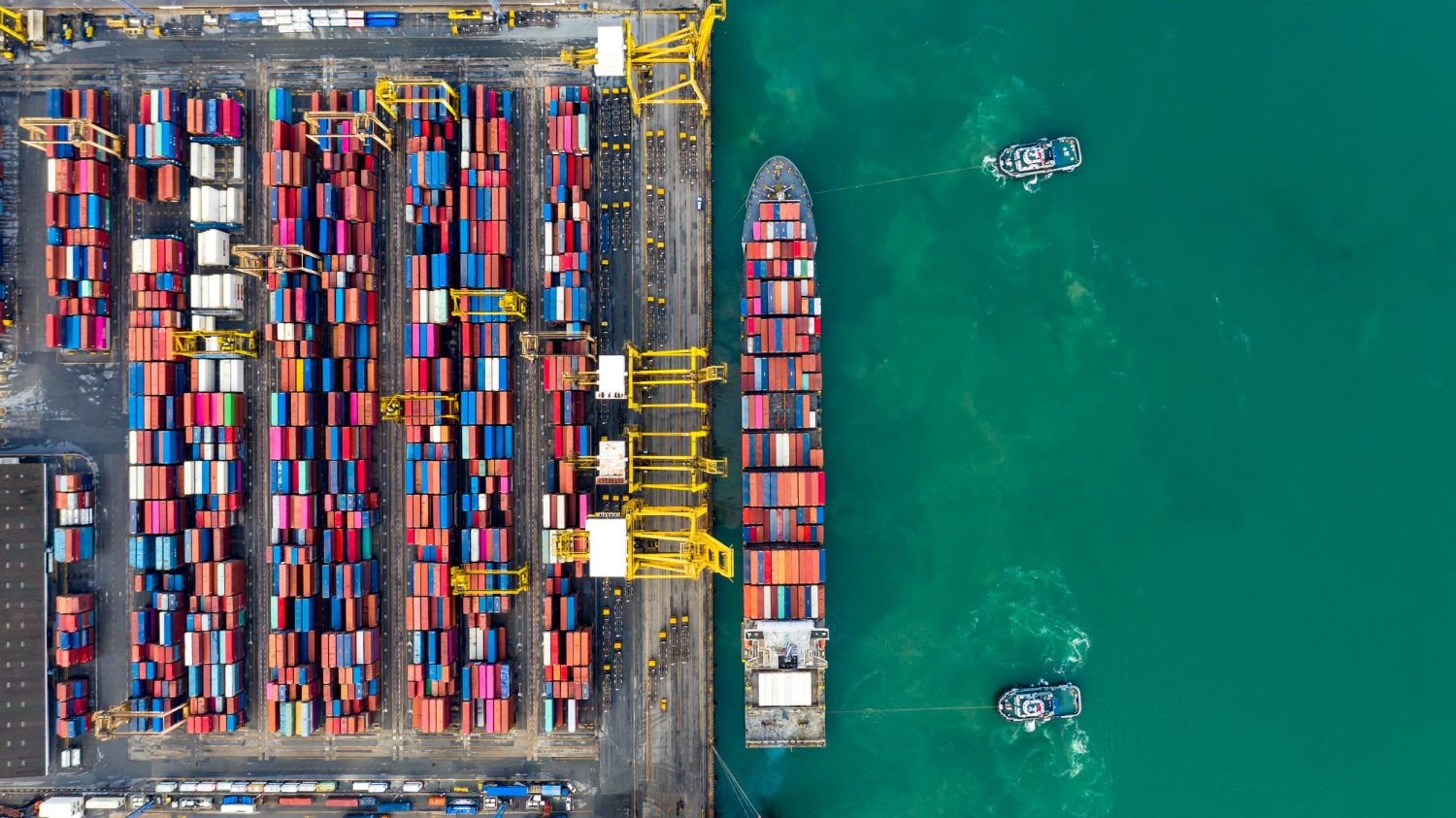
However, a closer look at the anatomy of cross-border orders reveals a notable gap between the “front end” (online storefronts and digital marketing) and the “back end” (logistics, payments and compliance). On the front end, many merchants quickly master ad tools, livestreams, product page optimisation and brand-building. On the back end, they often struggle with shipping individual parcels, depending heavily on a small number of service providers and lacking options in terms of routes, delivery models and reverse logistics.
Cross-border e-commerce also demands speed and predictability. Buyers in the US, EU or Japan are accustomed to detailed tracking updates and defined delivery windows. Any delay in consolidation, customs clearance or transshipment quickly shows up as low ratings, complaints or cancellations, directly impacting store reputation and platform rankings. This puts significant pressure on the logistics backbone – from domestic warehousing and fulfillment to international air or ocean transport and last-mile networks overseas.
Vietnamese logistics providers: from “carriers for hire” to cross-border solution partners
In this new landscape, local logistics companies have the chance to move beyond simply accepting and forwarding small parcels. They can become solution partners for the entire cross-border journey. Instead of leaving each SME to figure out international shipping on its own, logistics providers can design “from Vietnam to the world” packages: advising on market selection, standardising packaging and labelling, guiding regulatory compliance, operating e-commerce fulfillment centres near major ports and airports, and connecting to partner networks in destination countries.
A critical link is cross-border e-commerce fulfillment. Rather than having merchants pick and pack each order at their workshops, a dedicated fulfillment centre can receive order data directly from platforms, automatically pick–pack according to standards, label, consolidate into optimal batches and hand over to airlines or express carriers. With sufficient volume, logistics providers can negotiate better rates and schedules, shortening transit times and lowering per-order logistics costs.
On the reverse side, they can also build robust return and exchange solutions – increasingly important for international buyers. Instead of sending every failed or damaged order back to Vietnam, returns can be consolidated at intermediate hubs, sorted by reason, repacked, resold or liquidated locally. This can dramatically reduce reverse logistics costs while showcasing a high level of professionalism to merchants.
To play this role, local logistics firms must invest in technology – especially API-based integration with e-commerce platforms, multi-leg tracking systems and customer portals that offer near real-time shipment status. They also need to boost advisory capabilities: understanding customs, tax and sanitary rules in each target market, and leveraging trade agreements and tariff preferences to recommend optimal routes, modes and shipment configurations.
Building the ecosystem: logistics corridors, data standards and supportive policies
To turn logistics into a true enabler of cross-border e-commerce, Vietnam needs more than isolated corporate initiatives. It needs a system-level ecosystem designed from a supply chain perspective.
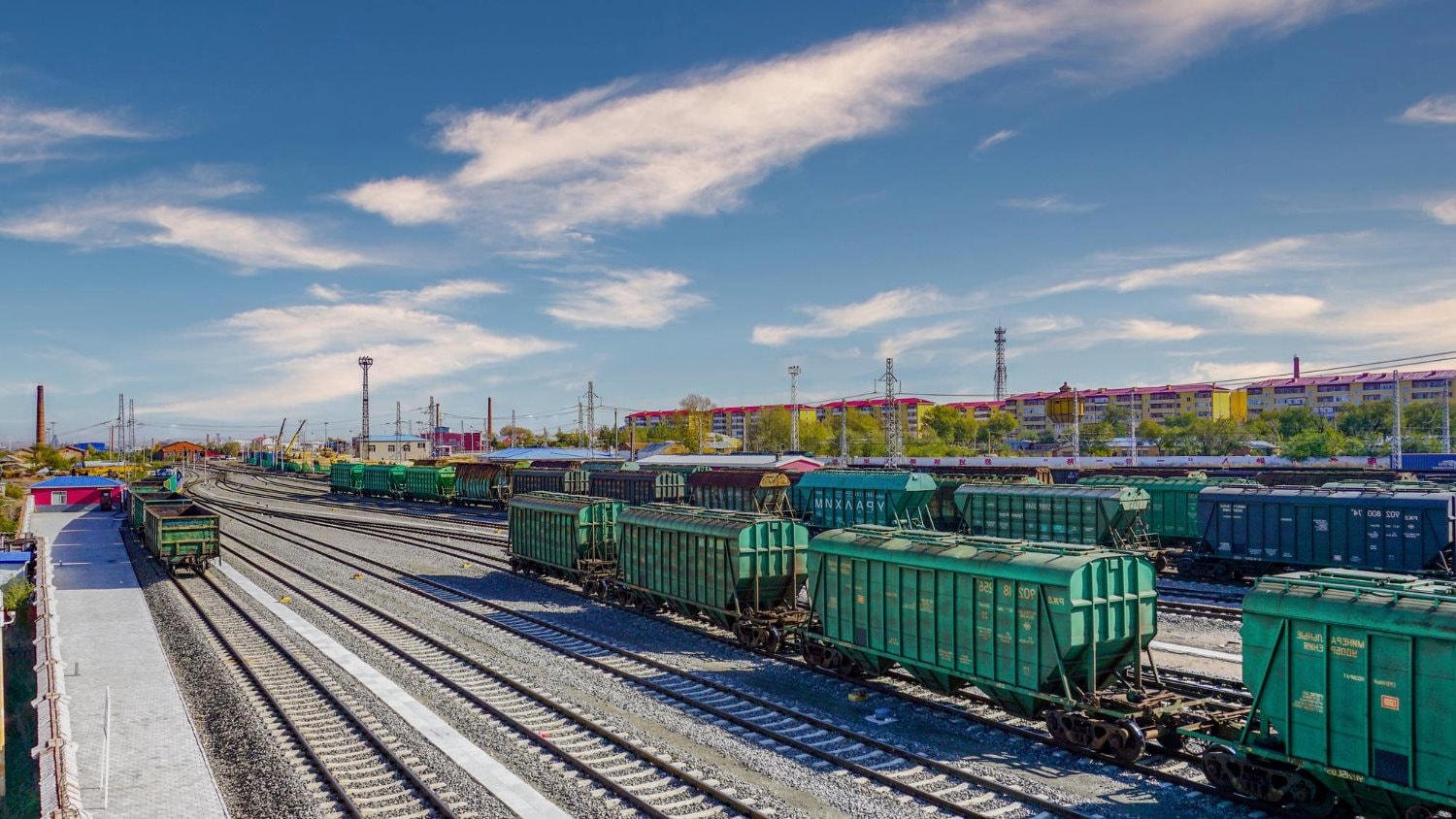
On the physical side, this means developing logistics corridors that link production clusters and e-commerce warehouses directly with major airports, seaports and border gates, underpinned by stable, high-frequency transport services. Such “fast lanes” help shorten the time from order confirmation to uplift and reduce the risk of bottlenecks at consolidation points.
On the service side, clusters of specialised cross-border e-commerce services are needed: fulfillment centres, sorting hubs, customs and regulatory services, quality inspection and certification, banking, insurance and legal advisory – all co-located in dedicated “e-commerce logistics parks”. When all essential services are available in one place, small merchants no longer have to navigate a maze of procedures and counterparties.
Another critical piece is data standardisation and systems integration. If every logistics company, e-commerce platform and regulatory body uses its own data formats and codes, integration will always be slow and costly. Conversely, converging on shared standards for product codes, location identifiers, tracking structures and electronic documents will smooth information flows and enable automation of tasks such as declarations, reconciliation and billing.
Finally, public policy can be a powerful catalyst. Targeted promotion programmes for cross-border e-commerce, preferential credit packages for fulfillment and specialised warehouse investments, support for SMEs onboarding to global platforms, and workforce training in e-commerce logistics can all accelerate learning curves. When logistics is seen as a lever rather than just a cost, cross-border e-commerce can evolve into a sustainable growth pillar for Vietnam’s exports.
Cross-border e-commerce is building a digital highway that can carry Vietnamese products straight to global consumers. But if the underlying logistics system remains fragmented and dependent on a few routes and providers, much of this opportunity will slip away. As local logistics companies step up from “carriers for hire” to solution partners – backed by the right infrastructure, data standards and policies – logistics can become a true springboard, helping Vietnamese products break through borders and build lasting brands abroad.
In cross-border e-commerce, logistics is not just a cost line to be trimmed; it is a key driver of customer experience and competitive advantage. The challenge is not merely adding more flights or shipping lanes, but building an ecosystem of fulfillment, logistics corridors, digital platforms and supportive policies. When Vietnamese logistics providers proactively assume the role of solution partners and co-design the end-to-end journey with manufacturers and retailers, cross-border e-commerce will move beyond a passing trend and become a solid new pillar of Vietnam’s export strategy.