

EV Batteries and Battery Materials: Is Dangerous Goods Logistics Reaching a Breaking Point?
English - Ngày đăng : 08:07, 27/01/2026
At the same time, lithium demand – the backbone of battery chemistry – is expected to roughly quadruple by 2030, with EVs accounting for the lion’s share. From new cells, modules and packs to scrap and recycled “black mass”, battery-related flows are becoming some of the most valuable and riskiest segments in modern logistics. The question is whether our dangerous goods (DG) systems can keep up.
EV demand, battery volumes and new DG flows: cells, modules and “black mass”
In the battery value chain, logistics activities begin long before a finished EV rolls off the assembly line. Upstream, lithium, nickel, cobalt and graphite travel from mines to refineries; midstream, cells and modules move from battery plants to OEMs; downstream, replacement packs support aftersales and service. In parallel, a growing volume of spent batteries is being collected, dismantled and processed into “black mass” for metal recovery.
Each of these flows has a different profile in terms of weight, value and risk. EV cells and modules are high-value, highly sensitive cargo that must be protected from shock, vibration, heat and moisture. They often travel by sea and air under strict packaging, testing and labelling requirements as DG consignments. “Black mass”, by contrast, behaves both like a valuable secondary raw material and a hazardous waste stream.
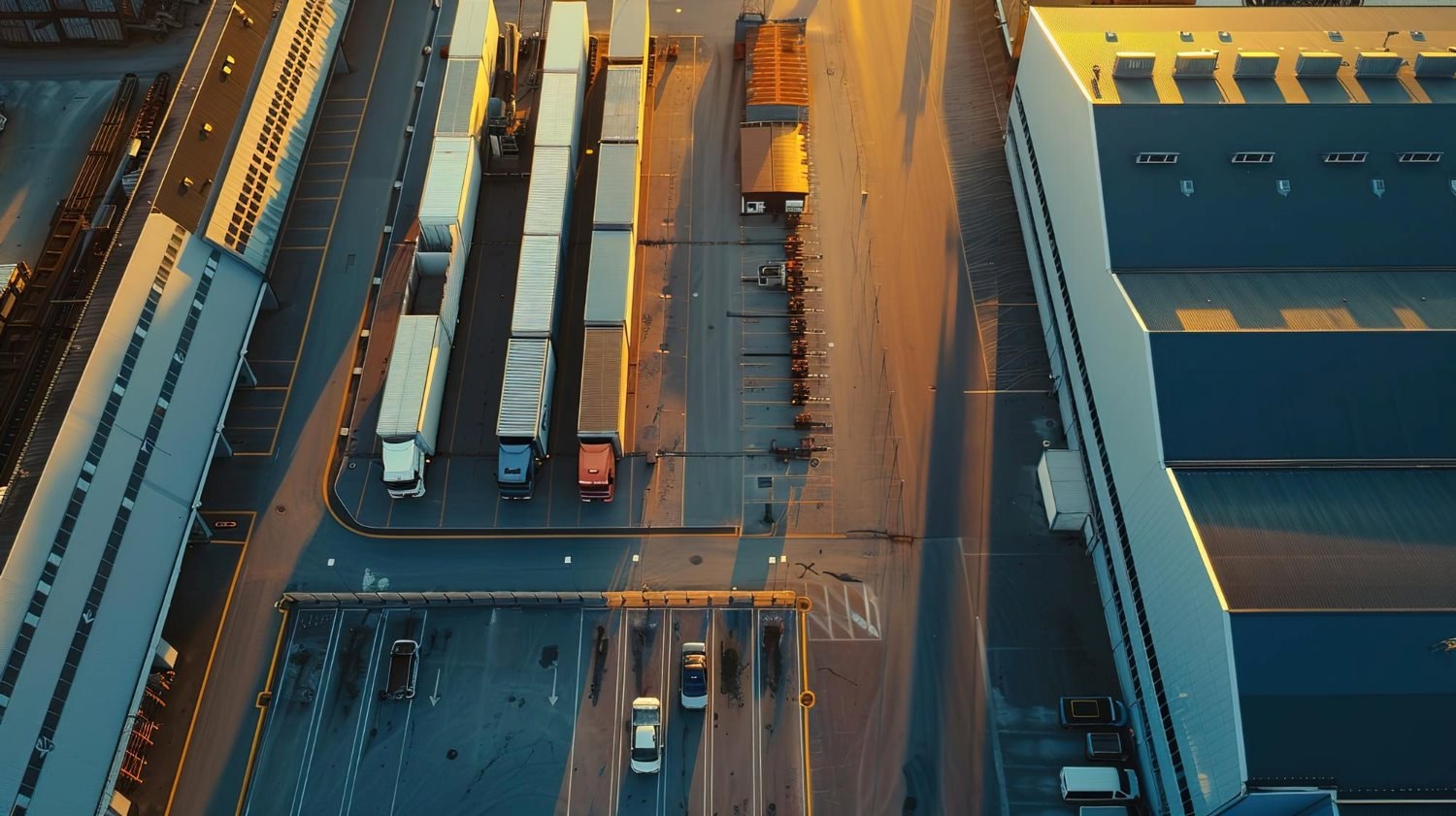
The strain on logistics networks is compounded by geographic imbalances. Major cell and pack manufacturing hubs sit in a handful of countries, while vehicle assembly and end markets are spread across regions. Recent analyses highlight a global oversupply of some battery types in China, alongside shortages in Europe and North America – all under tightening trade rules and rising transport costs. This complexity is forcing carriers, airlines and 3PLs to climb a steep learning curve in battery logistics or risk missing out on one of the fastest-growing cargo segments.
Dangerous Goods frameworks: IMDG, IATA DGR and the implementation gap
Lithium-ion batteries are classified as Class 9 “Miscellaneous Dangerous Substances” under the International Maritime Dangerous Goods (IMDG) Code, and are tightly regulated under the IATA Dangerous Goods Regulations (DGR) for air transport. These regimes go beyond simple labelling; they define UN numbers (e.g. UN 3480, UN 3481), testing requirements (UN 38.3), packaging specifications, marking and labelling rules, documentation, watt-hour limits and quantity limits per package and per transport unit.
The technical rationale is clear. Lithium-ion batteries are prone to thermal runaway – a chain reaction where overheating triggers fire, explosion and toxic gas emissions, often with little or no warning. In aviation, multiple incidents linked to lithium batteries have prompted regulators and airlines to tighten rules on both passenger-carried batteries and cargo shipments, especially for damaged or defective units.
Yet there remains a gap between written rules and everyday practice. In many emerging markets, DG classification and labelling capabilities are limited, and shippers still tend to treat batteries as generic electronics. Training for freight forwarders, warehouse staff and drivers is often patchy. Shared warehouses may lack dedicated battery zones, specialised smoke/gas detectors, thermal monitoring or clear procedures for isolating damaged or overheating packages.
Recycled batteries and “black mass” also occupy a regulatory grey area in many jurisdictions. Are they primarily hazardous waste, or secondary raw materials? Without clear classification and harmonised guidance, it is difficult for logistics operators to design appropriate handling procedures, insurance coverage and emergency plans for these reverse flows.
Designing safe battery logistics chains: packaging, sensing and reverse logistics
To avoid being overwhelmed, logistics providers must approach battery logistics as a full-chain design challenge. At the front end, intake protocols should screen battery shipments for visible damage, swelling, leakage or overheating; route new and used batteries through separate flows; and isolate or reject any suspect items. For compliant shipments, UN-spec packaging, internal bracing, shock protection and proper blocking and bracing in containers or ULDs are non-negotiable.
At the systems level, specialised temperature, smoke and gas sensors in containers, warehouses and handling facilities are becoming best practice. Linking these sensors to CCTV, warehouse management systems and fleet management platforms enables early detection and rapid response: stopping vehicles, cordoning off areas and deploying battery-specific fire-suppression and spill-response kits.
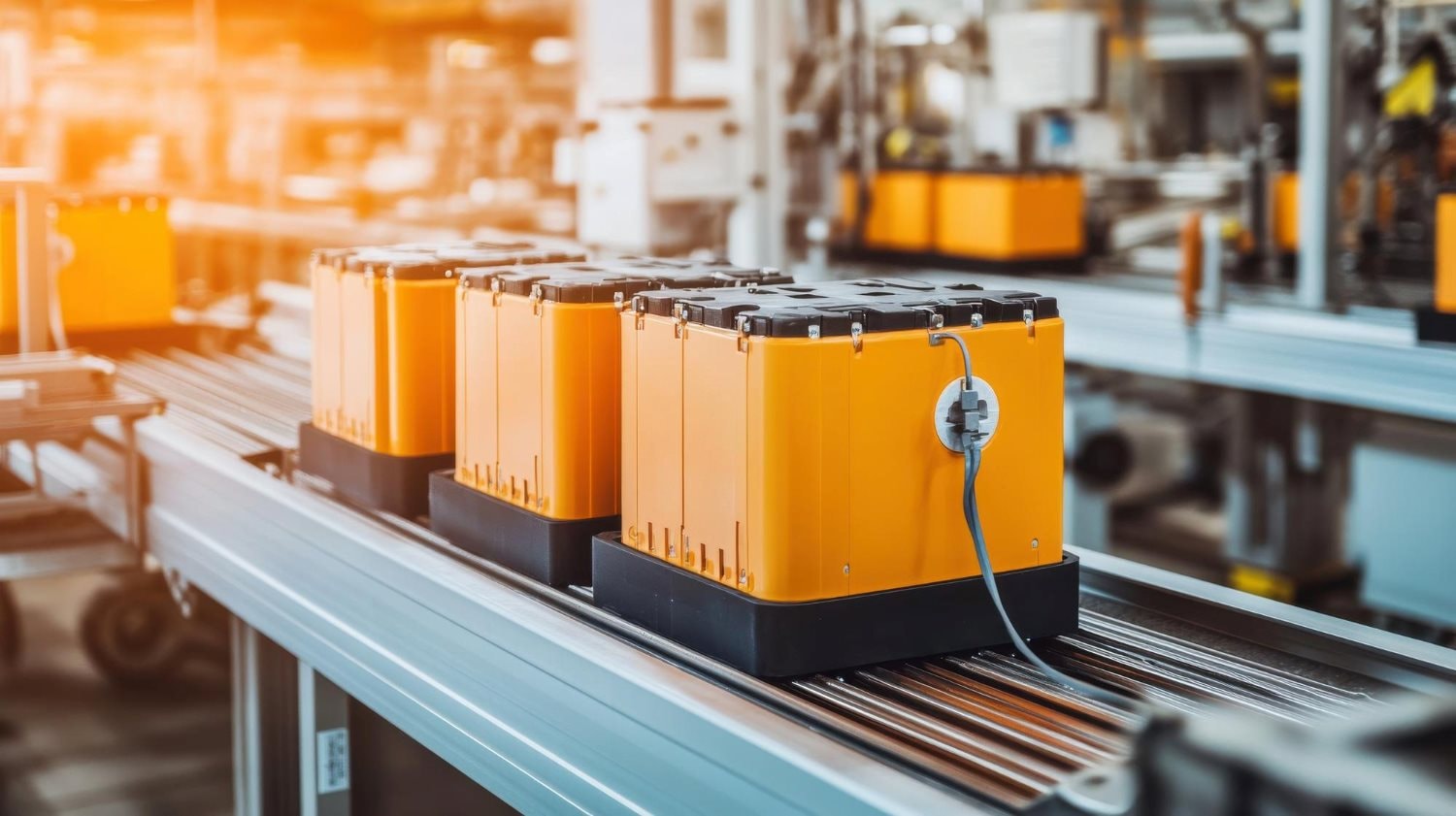
Equally important is a safe and efficient reverse logistics network for end-of-life batteries. As first-generation EV batteries hit retirement in large numbers after 2030, the volume of spent packs to be collected and transported for recycling will surge. That calls for dedicated reverse networks: collection points at dealers, charging sites and repair shops; short-haul routes with specialised vehicles; intermediate hubs with isolation zones; and central facilities for dismantling and processing. Simply squeezing these flows into existing general cargo networks will magnify risk.
Finally, people remain at the heart of risk management. Not only DG specialists but also sales staff, CS teams, dispatchers, drivers and warehouse workers need basic battery literacy: recognising warning labels, understanding different chemistries (Li-ion, Li-metal, LFP, NMC), knowing what behaviours to avoid (piercing, crushing, overstacking) and how to escalate when something goes wrong.
Battery logistics is a stress test for dangerous goods management in modern supply chains: fast-growing demand, high value and extreme safety risk. When companies invest the effort to get the basics right – classification, packaging, sensing, emergency response and dedicated reverse networks – batteries stop being a liability on the truck or in the warehouse. Instead, they become a high-value cargo segment that can be handled safely and profitably, with logistics acting as a critical enabler of the energy transition.
The electrification of transport and energy is turning batteries and battery materials into strategic cargo streams for global logistics. For countries like Vietnam, which are integrating deeper into the EV and battery value chain, the challenge is not just adding routes and warehouses, but upgrading DG capabilities to a new level. Chasing volume without robust safety and regulatory frameworks will invite costly incidents and disruptions. Conversely, early investment in DG expertise, monitoring technology and purpose-built reverse logistics can help local providers “leapfrog” into a position of strength – becoming indispensable partners in regional battery supply chains rather than low-margin carriers taking on disproportionate risk.