

Cold Chain Logistics for Vietnam’s Agro-Seafood Exports: Is the Country Ready to Preserve “Freshness” in Global Value Chains?
English - Ngày đăng : 09:29, 02/02/2026
While demand is booming, many studies still describe Vietnam’s cold chain as fragmented, with limited end-to-end coverage, a shortage of cold storage capacity and long-haul refrigerated transport, leading to significant post-harvest losses and high logistics costs. The question is whether Vietnam can turn its cold chain into a competitive advantage or is still patching things together shipment by shipment.
Rising quality requirements and “freshness pressure” along the agro-seafood chain
Major importing markets are tightening requirements on food safety, traceability and temperature control throughout the logistics chain. New-generation trade agreements may cut tariffs to zero, but technical barriers – especially for perishable goods such as fruit, seafood and meat – are getting tougher. In this context, a single break in the chain – a truck with poor temperature control or a container that loses its “cold integrity” on the way to the port – can lead to entire shipments being rejected, with damage extending beyond lost revenue to reputational harm.

In practice, research suggests that post-harvest and in-transit losses for fruits, vegetables, meat and seafood in Vietnam remain high, partly due to gaps in cold chain coverage, particularly at aggregation points, domestic transport and retail distribution. Meanwhile, domestic consumers are increasingly willing to pay for “fresh and safe” products: chilled meat, fresh milk, premium fruit – not just low-priced frozen goods. This means pressure on the cold chain now comes from both export markets and the home market.
Some large seafood processors have built relatively integrated cold chains from farming areas to processing plants and export ports. But outside these islands of integration, the overall picture is still fragmented: many small service providers specialising in short links of the chain, and only a few players able to offer end-to-end cold storage, cold transport and last-mile services.
Cold storage, cold transport and cold logistics hubs: where are the network gaps?
On the storage side, the cold warehouse market has grown rapidly in recent years, but capacity still lags demand. Facilities are concentrated in major hubs such as Ho Chi Minh City, Dong Nai, Binh Duong and Hai Phong, while many key farming and aquaculture regions lack standard-compliant cold storage. As a result, goods often need to travel long distances under suboptimal conditions or wait in line for space, with exporters sometimes having to book cold storage months in advance.
In cold transport, the breaks in the chain are even more evident: limited long-haul refrigerated transport linking production regions to ports and border gates, insufficient last-mile cold delivery capacity, and patchy real-time temperature monitoring during transit. In many cases, cargo is manually transferred between non-refrigerated and refrigerated vehicles, increasing the risk of temperature excursions. This is compounded by traffic bottlenecks and unpredictable transit times – a serious handicap for temperature-sensitive and time-critical products.
Another gap lies in specialised cold logistics hubs. Vietnam still has relatively few dedicated “cold logistics parks” planned and built around major production areas and gateway ports. Large fruit-growing zones, shrimp farming regions and livestock clusters often lack integrated centres combining cold storage, pre-cooling, grading, packaging, inspection and direct connections to seaports and airports. As a result, logistics costs for agro-exports remain higher than in many regional peers, eroding already thin margins for farmers and exporters.
Building smarter cold chains: standards, technology and new partnership models
To turn the cold chain from a pain point into a competitive edge, Vietnam must move beyond the “more cold warehouses and more reefer trucks” mindset to a full ecosystem approach. At the foundation level, this means developing clear technical standards for each product category – fresh fruit, frozen seafood, chilled meat, dairy – covering temperature ranges, handling protocols and data requirements. These standards should reflect international market demands while remaining practical for domestic players to implement.
On the technology front, IoT-based monitoring of temperature and humidity in containers, trucks and cold rooms is becoming the norm globally and is gradually being deployed in Vietnam. Combined with transport and warehouse management systems, such tools allow companies to track the “health” of each shipment in transit and to proactively reroute, switch equipment or prioritise handling at key nodes when alerts arise.
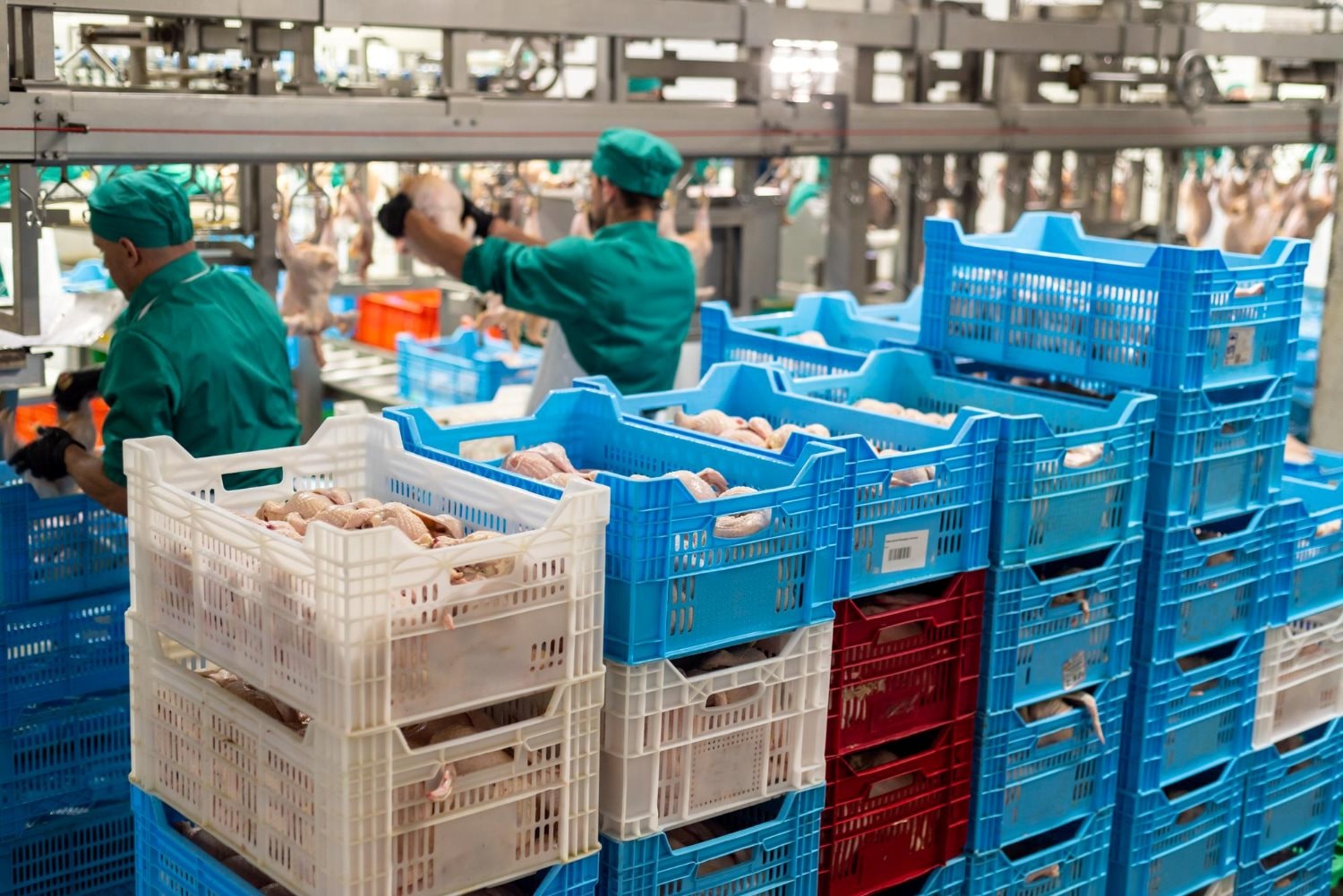
Yet technology alone is not enough if every company builds its own isolated solution. The cold chain calls for new partnership models among logistics providers, producers, retailers and infrastructure investors. Instead of each player developing small, fragmented facilities, Vietnam could foster shared “cold logistics parks” under PPP or joint-venture models, where multiple companies use common infrastructure, share data and jointly optimise asset utilisation. Large production regions would be natural candidates for pilot projects of this kind, aligned with national logistics centre planning and port and airport networks.
A cold chain is not just a few more refrigerated warehouses or containers; it is about redesigning the full journey of agro-seafood products from farms and ponds to dining tables. When cold storage, transport and logistics hubs are organised into coherent clusters, governed by common standards and supported by real-time technology, Vietnam can reduce losses and lower unit logistics costs while capturing more value per kilogram exported. In that sense, “freshness” becomes a strategic asset rather than a fragile by-product of good luck.
Opportunities for Vietnam’s cold chain are expanding alongside growth in agro-seafood exports and rising domestic demand. But if the country continues to respond on a shipment-by-shipment or season-by-season basis, without a coherent strategy on standards, infrastructure and partnership models, the cold chain will struggle to become a lasting competitive edge. The real question is not how many additional cold warehouses or trucks Vietnam can build, but how the cold chain will be redesigned within the broader national supply chain architecture. Once “freshness” is treated as a strategic capability, serious investment in cold chain infrastructure, technology and governance will also be an investment in Vietnam’s upgraded role in global agro-seafood value chains.