

Supply Chain Cybersecurity: When Ransomware Becomes the New Storm Hitting Global Logistics
English - Ngày đăng : 08:20, 07/02/2026
From the NotPetya shock that cost Maersk an estimated USD 200–300 million in 2017 to recent attacks that have crippled warehouses, ports and distribution centers, the pressing question is: how can supply chains - Vietnam’s included - stay resilient in the face of the ransomware storm?
From NotPetya to the 2025 Ransomware Wave: Logistics in the Eye of a Digital Storm
In 2017, the NotPetya malware attack brought A.P. Moller – Maersk’s global network to a standstill, forcing port terminals to shut down, pushing operations back onto paper and whiteboards and causing direct financial losses estimated at USD 200–300 million for Maersk alone, while worldwide damages were counted in the tens of billions. Since then, a succession of incidents has hit logistics players: transport management systems, warehouse platforms, fleet-tracking tools and even e-commerce front ends have been encrypted, forcing companies to suspend operations for days.
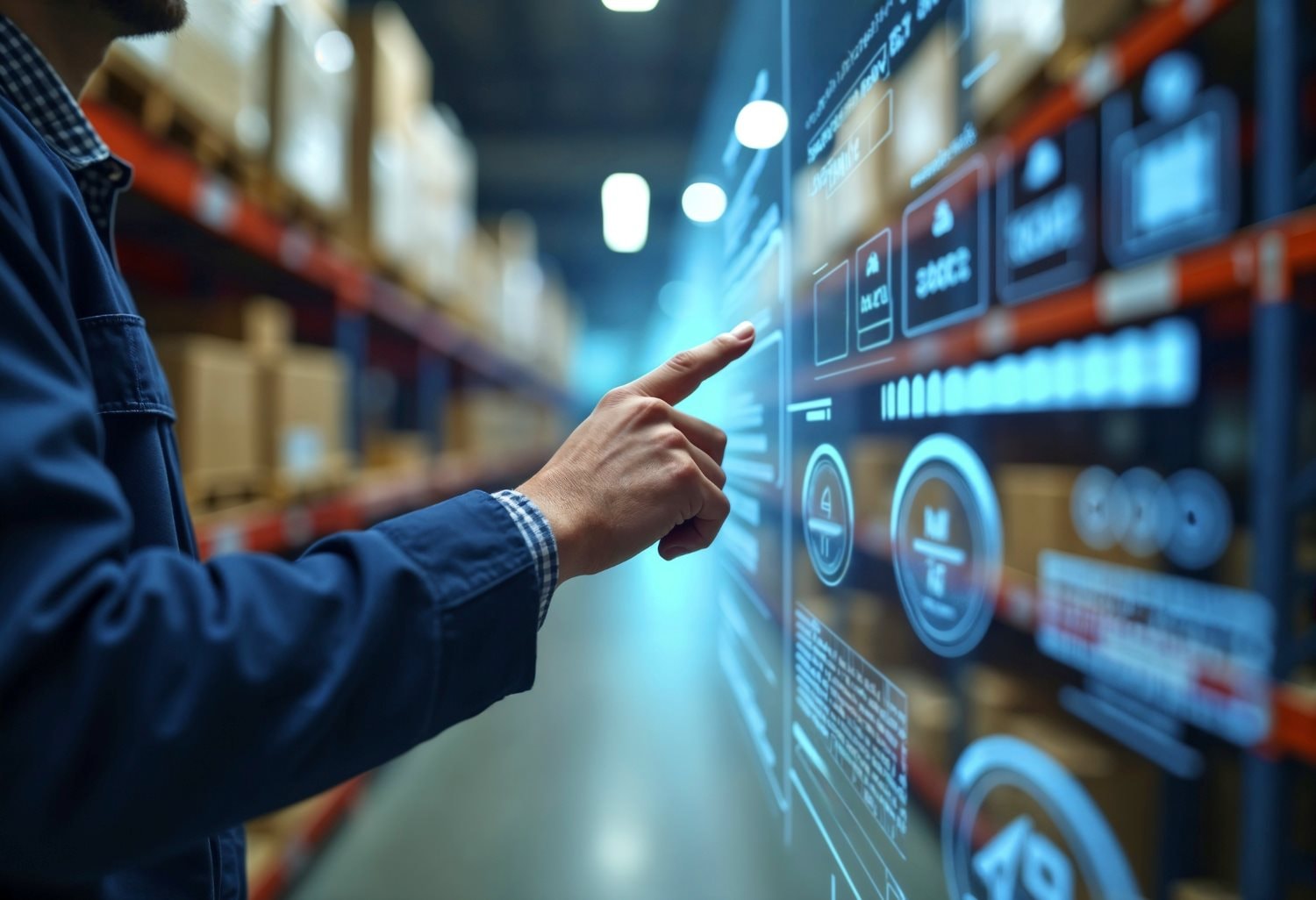
Recent reports indicate that ransomware attacks against transport and logistics more than doubled in 2025, with 283 confirmed cases - most involving data encryption, ransom demands and full operational shutdowns of warehouses and transport networks. Cybercrime groups are increasingly drawn to logistics because they understand the leverage: a few days of disruption to a time-critical supply chain can push victims to pay simply to get goods moving again.
When a logistics system is hit by a cyber-attack, the damage goes far beyond encrypted files. Containers pile up, sailing schedules and trucking routes collapse, supermarkets run short of stock and factories run out of inputs. Ransomware is not only a technology issue; it is an operational and reputational risk. That is why experts increasingly view cybersecurity as an integral part of supply-chain risk management rather than a narrow concern of the IT department.
Data Platforms, Digital Systems and New Vulnerabilities in Vietnam’s Logistics
In Vietnam, rapid digital transformation across logistics, e-commerce and infrastructure is creating a new layer of “soft infrastructure”: data platforms, TMS and WMS solutions, freight exchanges, truck-hailing apps and real-time shipment-tracking tools. With the domestic logistics market estimated at more than USD 52–55 billion and still growing, enormous volumes of data on shipments, routes and customers now flow through these digital systems.
At the same time, Vietnam is rapidly building a legal and strategic framework for digital transformation and the digital economy - from the National Digital Transformation Program and the new Law on Digital Transformation to data-development strategies through 2030. Yet many small and medium-sized logistics companies still run legacy software with outdated patches, share generic accounts and weak passwords, lack structured backup and recovery plans, and operate without clear access-control policies. These weaknesses create ideal entry points for ransomware groups.
Third-party risk is another critical vulnerability. Some large firms have invested significantly in securing their own systems, but their technology providers, subcontracted carriers or warehouse partners may not have comparable defenses. Recent global incidents show that many companies have fallen victim because of security gaps in the IT systems of their logistics or technology suppliers. In an increasingly interconnected supply chain, the weakest security link can bring down the entire ecosystem.
Building a Digital Shield for the Supply Chain: From Legal Frameworks to Security Culture
To build a real “digital shield” for the supply chain, cybersecurity must be treated as a core component of logistics strategy, not just a cost line in the IT budget. Industry guidance and threat-landscape reports consistently emphasize several pillars: regular risk assessments, protection of critical infrastructure (ports, warehouses, data centers, control rooms), structured incident-response plans and continuous staff training. Logistics companies need a multi-layered defense model - from firewalls, intrusion-detection systems and systematic backups to ransomware drills that simulate data-loss scenarios and test recovery readiness.
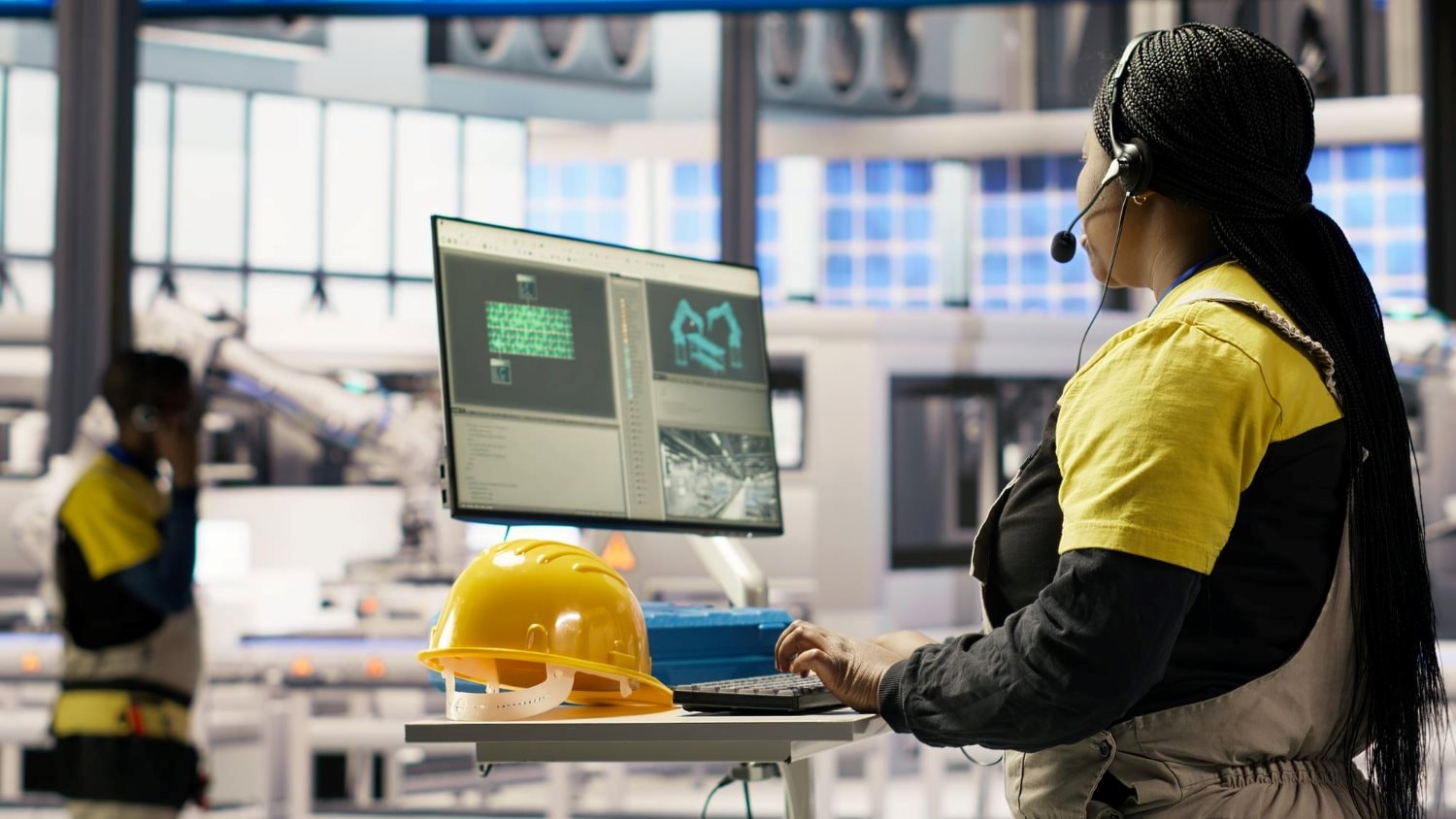
On the international front, a key instrument is the new UN cybercrime convention, signed in Hanoi and designed to strengthen cooperation against phishing, ransomware and cross-border cyber-offences. Vietnam’s role as host and signatory, combined with ongoing efforts to refine domestic law, can help create a clearer framework for data-sharing, investigation and joint response in cases where cyber-attacks disrupt logistics and supply chains.
No technology stack is strong enough if a company’s security culture remains weak. One careless click on a suspicious attachment, one easily guessed password or one shared administrator account can be the starting point of a crisis. Firewalls and monitoring tools are essential, but building a culture where “security is everyone’s responsibility” is even more important - especially in logistics, where every minute of downtime carries a heavy operational and financial cost.
Ransomware and other cyber-attacks have moved from the sidelines to the front line of global supply-chain risk. From NotPetya to the 2025 surge in attacks, logistics has proved highly vulnerable when it lacks an adequate digital shield. For Vietnam - where logistics is being positioned as a strategic infrastructure service - the combination of robust legal frameworks, investment in modern security technologies and a strong cybersecurity culture will determine whether the sector can withstand the ransomware storm, protecting not only the flow of goods but also the country’s reputation on the world supply-chain map.