
Risk Management and Cargo Insurance: A “Soft Shield” for Vietnam’s Supply Chains in an Age of Climate Volatility
English - Ngày đăng : 08:20, 26/02/2026
At the same time, stricter traffic rules introduced in early 2025, including mandatory rest breaks and higher fines, have pushed up costs and reduced capacity for around 80 percent of transport firms. In this environment, risk management and cargo insurance are no longer optional add-ons but critical instruments for resilience.
Multi-Layered Risks and Multiple Failure Points
Recent research on logistics and supply chain risk management in Vietnam highlights a broad spectrum of threats: physical risks such as accidents, fires, cargo loss and natural disasters, and non-physical risks like legal disputes, cyber attacks, regulatory changes, strikes and global supply chain disruptions. In a highly open economy that depends on trade, any breakdown at a single node - port, road corridor, warehouse - can quickly cascade into system-wide disruptions.
Climate change is no longer an abstract background factor. Following Typhoon Matmo, extreme rainfall and flooding in northern provinces damaged thousands of homes and disrupted major transport routes, including those serving industrial zones and export hubs. Ports suspended operations, customs clearance slowed, vessel schedules were reshuffled and storage costs soared as cargo piled up.

In this context, logistics risks must be identified, quantified and allocated clearly among shippers, carriers, warehouse operators, ocean lines and insurers. Without a structured risk-management framework, businesses easily fall into reactive mode: cargo lost or delayed, unclear liability, protracted claims and cash-flow stress.
Shocks like Typhoon Yagi reveal that Vietnam’s logistics sector is exposed to a double layer of risk: climate-driven infrastructure shocks and regulatory shocks. When companies focus solely on shaving a few dollars off transport costs while neglecting risk management, they risk trading small short-term savings for massive losses when something goes wrong. In a world of more frequent storms and regulatory shifts, a robust risk-management and insurance strategy is becoming a core element of competitiveness.
Cargo Insurance – An Underused “Soft Shield”
Globally, cargo insurance is a standard component of professional trade contracts. International insurers like Chubb offer comprehensive cargo products for sea, air and land transport, backed by in-house risk-management teams and specialist surveyors who work closely with clients on loss prevention. In Vietnam, logistics companies such as Real Logistics and Headway provide end-to-end solutions, bundling freight forwarding and cargo insurance and partnering with global insurers to deliver one-stop services.
The Vietnamese cargo insurance market is poised for strong growth, driven by expanding exports, FDI and rising awareness of risk. Yet many small and medium-sized enterprises still treat insurance as a box-ticking exercise - purchasing minimum coverage only when required by clients and often accepting policies with extensive exclusions.
Disputes frequently arise because buyers do not fully understand what is covered and what is excluded, where packaging and handling responsibilities lie, or how risk transfers under different Incoterms rules. When damage or loss occurs due to extreme weather, accidents or operational errors, companies often discover too late that critical risks were left uninsured.
From Data to Partnership: Logistics Enters the Era of Proactive Risk Management
A survey of more than 200 businesses in northern Vietnam after Typhoon Yagi found that over 69 percent experienced moderate to severe disruptions, yet only a minority had pre-existing contingency plans and risk-monitoring systems. This suggests that logistics risk management in Vietnam remains largely reactive.
To shift toward a proactive approach, logistics companies must make data the foundation of risk decisions. By systematically collecting and analysing data on routes, transit times, failure hotspots, incidents, weather patterns and infrastructure conditions, they can identify risk-prone corridors, adjust schedules and design early-warning thresholds for clients.
At a strategic level, cargo insurance should be embedded in contract structures and risk-sharing arrangements. Instead of seeing insurers just as policy providers, logistics providers and exporters can treat them as risk advisors - reviewing routes, packaging standards, loading and unloading procedures and warehouse management together. Insurance programmes can then be tailored to commodity types, trade lanes and customer profiles, with premiums reflecting genuine risk reduction rather than generic assumptions.
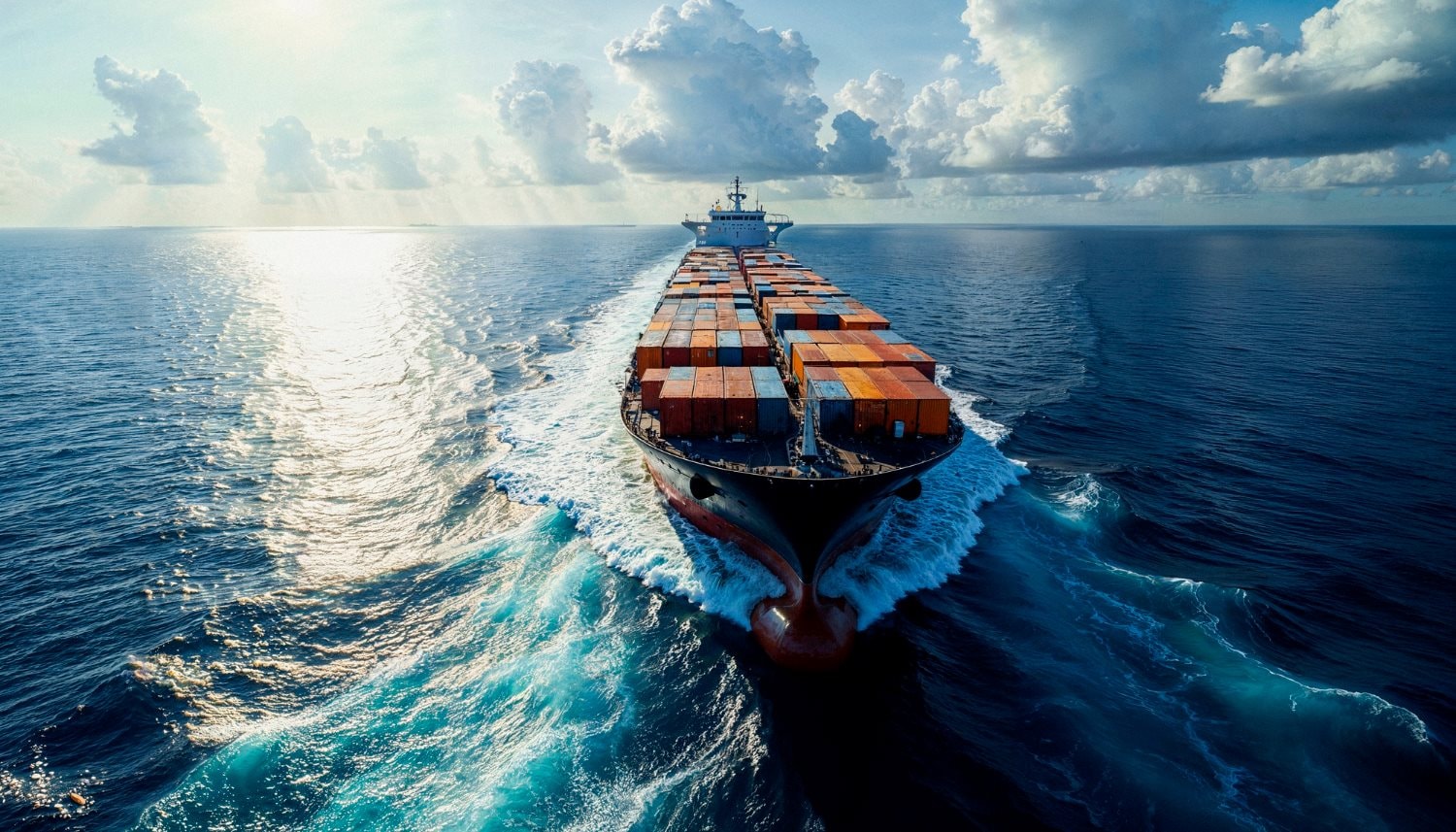
An effective logistics risk-management programme does not rely on insurance alone. It starts with designing less vulnerable supply chains: diversifying routes and modes, using multiple ports of loading and discharge, standardising packaging and handling, training frontline workers and deploying real-time tracking and weather-alert tools. In that context, cargo insurance becomes the final line of defence rather than the only safety net, and premiums can be optimised as risk levels fall.
What Vietnamese Businesses Can Do Now
Exporters should begin by reviewing their entire insurance portfolio: which cargoes are covered and which are not, whether coverage levels match real risk exposures and whether high-risk trade lanes and cargoes are adequately protected. Strengthening internal knowledge of Incoterms and clarifying risk-transfer points in contracts will help avoid dangerous “grey zones” between parties.
Logistics companies, for their part, should establish dedicated risk-management functions or focal points to work with insurers, carriers and shippers. Investing in IT systems for route and fleet monitoring, telematics, weather alerts and incident reporting - as well as comprehensive safety and incident-response training - will pay off in fewer losses, faster recovery and stronger negotiating positions with both clients and insurers.
In an era of mounting uncertainty, risk management and cargo insurance have become core pillars of supply-chain strategy, not peripheral line items. Companies that use data to see risks clearly, design less fragile logistics networks and build genuine partnerships with insurers will stand out when disruptions hit. Those that continue to treat insurance as a cost to be minimised may find that the true price of under-protection is measured not only in damaged goods, but in lost customers, weakened reputations and broken cash flows.