
Vietnam – China – Europe Rail Corridors: Can High-Value Exports Ride the New Wave?
English - Ngày đăng : 08:28, 03/03/2026
The key question: is Vietnam ready to move more high-value, time-sensitive exports onto steel wheels?
From Border Gateways to Trans-Eurasian Corridors
In recent years, rail freight between Vietnam and China has grown steadily. In 2022, Vietnam’s railways transported about 5.67 million tonnes of cargo, of which international intermodal freight between Vietnam and China and onward to third countries accounted for 24 percent, or around 1.33 million tonnes.
The main gateways are Lao Cai–Hekou–Kunming and Dong Dang–Pingxiang–Nanning, where dual-gauge tracks (1,000 mm and 1,435 mm) at the border allow direct connections to China’s standard-gauge network and, further afield, to Central Asia and Europe. This technical interface is crucial for making end-to-end freight services viable.
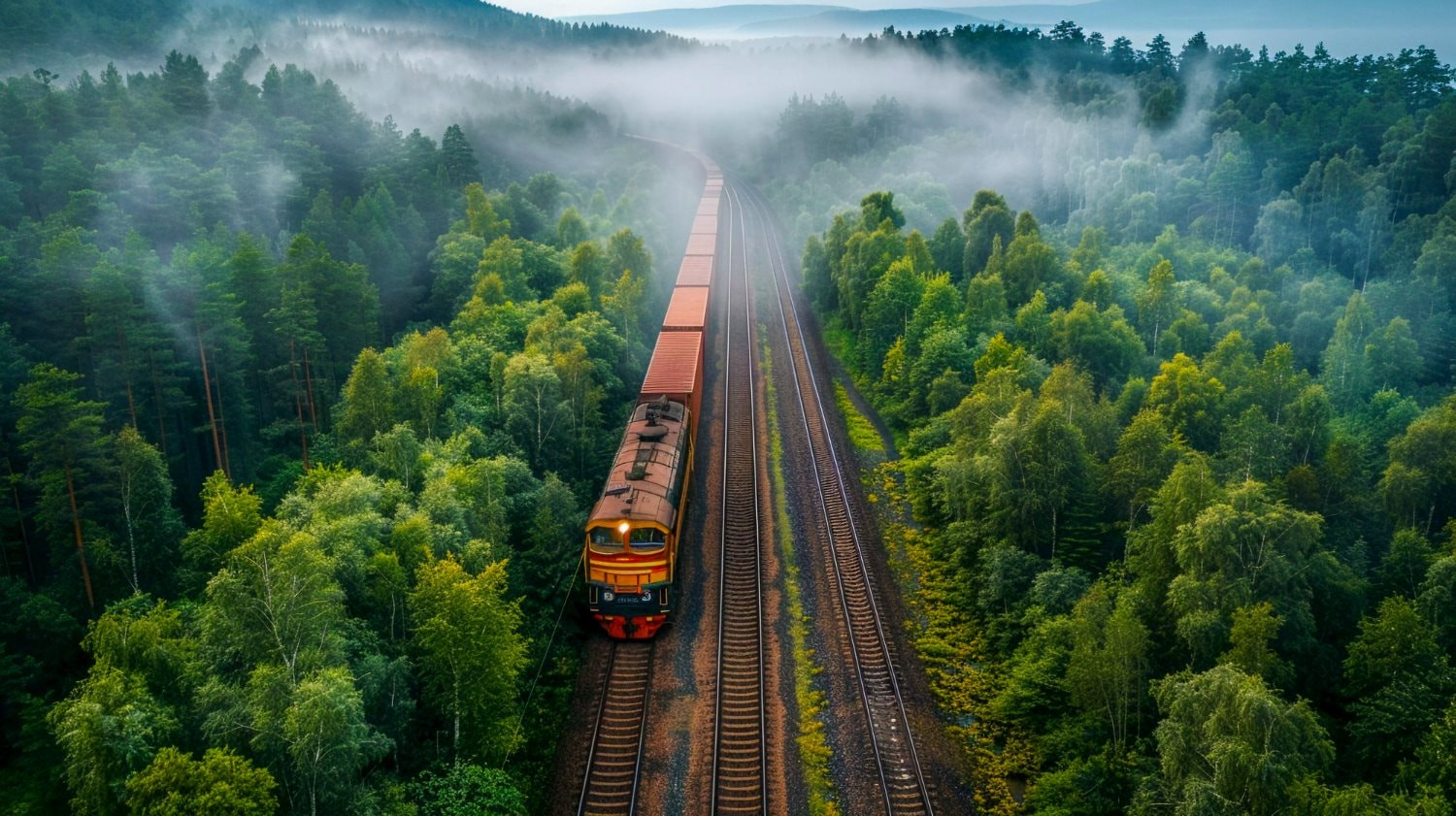
In 2025, freight trains from China’s Guangxi region to Vietnam carried a record 37,000 TEUs, up 86 percent year on year, underlining fast-rising two-way demand. At the same time, Vietnam has started work on a new 391-km railway from Lao Cai via Hanoi to Haiphong, targeted for completion by 2030, to connect the border directly with the country’s largest northern seaport via a modern standard-gauge line.
Amid intensifying supply-chain competition, Vietnam–China–Europe rail corridors are emerging as a “third lane” alongside sea and air. While rail will not replace ocean shipping in terms of volumes, it can cut transit times to Europe to around 10–20 days via China - far faster than sea and still much cheaper than air. For exporters seeking to shorten lead times without blowing their freight budgets, this hybrid middle ground can be strategically powerful.
A New Window for High-Value, Time-Sensitive Cargo
Globally, the China–Europe Railway Express has become a key channel for electronics, automotive parts, machinery and fast fashion. As a “China+1” manufacturing base, Vietnam is increasingly feeding into that network.
In principle, several cargo segments are well suited to rail:
- High-value electronics and components requiring more stable lead times than ocean freight.
- Seasonal fashion and retail products that need to hit European or Russian markets within narrow windows.
- Perishable but not ultra-fragile food products using refrigerated containers to reach China and Europe within 12–18 days via rail corridors.
The main advantage is time: well-organised rail services between Vietnam, China and Europe can cut transit times by about half compared with ocean freight while remaining markedly cheaper than air cargo. For many exporters, this translates into lower in-transit inventory, faster cash cycles and greater agility in responding to urgent orders.
Not all cargo fits rail, of course. Bulky, low-value commodities will remain on ships, while extremely time-critical, ultra-high-value goods will still favour air. The sweet spot lies in tailored “sea–rail” or “air–rail” solutions for specific segments, balancing speed and cost along different parts of the route.
What It Takes: Service Standards, Multimodal Hubs and Policy Support
For rail to become a true strategic corridor, several conditions must be met. First, service reliability. Logistics providers note that wagon turnaround times, train formation and coordination at border stations are not always stable, making it difficult to commit firm schedules to international clients.
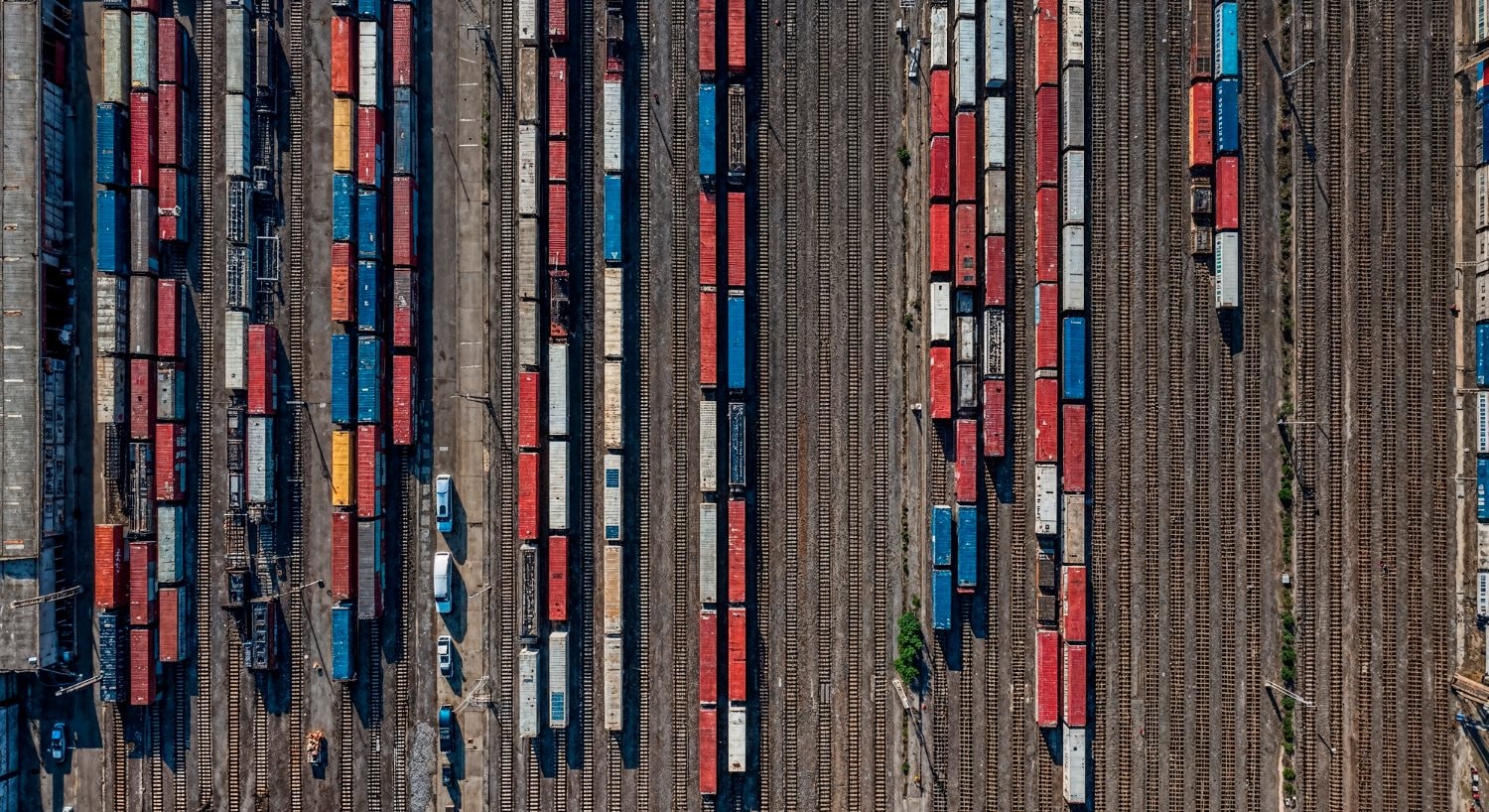
Second, truly seamless multimodal integration is needed, from factories and warehouses through ICDs and rail terminals to border crossings and inland hubs in China or Europe. The expansion of inland container depots and dry ports such as Moc Bai ICD and facilities around Hanoi, Haiphong and Binh Duong will be critical for container consolidation, customs clearance and pre-inspection before loading onto trains.
Third, policy frameworks must align:
- Bilateral arrangements with China on train slots, dispatching and data sharing.
- Competitive rail tariffs and surcharges versus road and ocean for key corridors.
- Investment priority for connectors between rail terminals and seaports, such as the Lao Cai–Hanoi–Haiphong line now under development.
If ocean shipping is the “highway” and air freight the “expressway,” intermodal rail is emerging as a premium “national road” for Vietnam’s supply chains. To capitalise on it, Vietnamese exporters need to work proactively with rail operators and 3PLs, shifting selected high-value product lines to rail and piloting shorter lanes to Southwest China before scaling to Central Asia and Europe.
Vietnam–China–Europe rail corridors offer a promising new window for high-value, time-sensitive exports. Yet turning potential into real competitive advantage will require a coordinated strategy: infrastructure investment, regulatory alignment, a robust ecosystem of ICDs and multimodal hubs, and, above all, exporters willing to redesign parts of their supply chains around rail. If these pieces come together, Vietnam can evolve from an end-of-line origin into a dynamic node in the broader Eurasian rail network.