

Next-Generation Inland Container Depots: The Hidden Lever Behind Vietnam’s Port Capacity
English - Ngày đăng : 08:37, 05/03/2026
If developed to modern standards, these facilities can become strategic hubs that take pressure off seaports, cut logistics costs and strengthen Vietnam’s position in regional supply chains.
A Growing but Fragmented ICD Network
As of early 2025, Vietnam has 17 recognised ICDs and dry ports across 12 provinces and centrally governed cities, serving as consolidation, customs-clearance and intermodal nodes between seaports, airports and hinterland regions. The national ICD development plan envisions these facilities handling 20–30 percent of containerised import–export flows by 2025, with total capacity of 6–8.7 million TEUs per year, rising to 11.6–15.7 million TEUs and 25–35 percent of demand along key corridors by 2030.
In practice, ICDs around Hanoi, Haiphong, Ho Chi Minh City and Binh Duong have already demonstrated their value: enabling customs and inspection at inland locations, reducing truck queues and dwell times at seaports. The newly inaugurated Moc Bai ICD in Tay Ninh, the province’s first dry port, is positioned as an inland gateway linking Ho Chi Minh City, the southern key economic region and Cambodia, strengthening Tay Ninh’s role in the domestic logistics map.
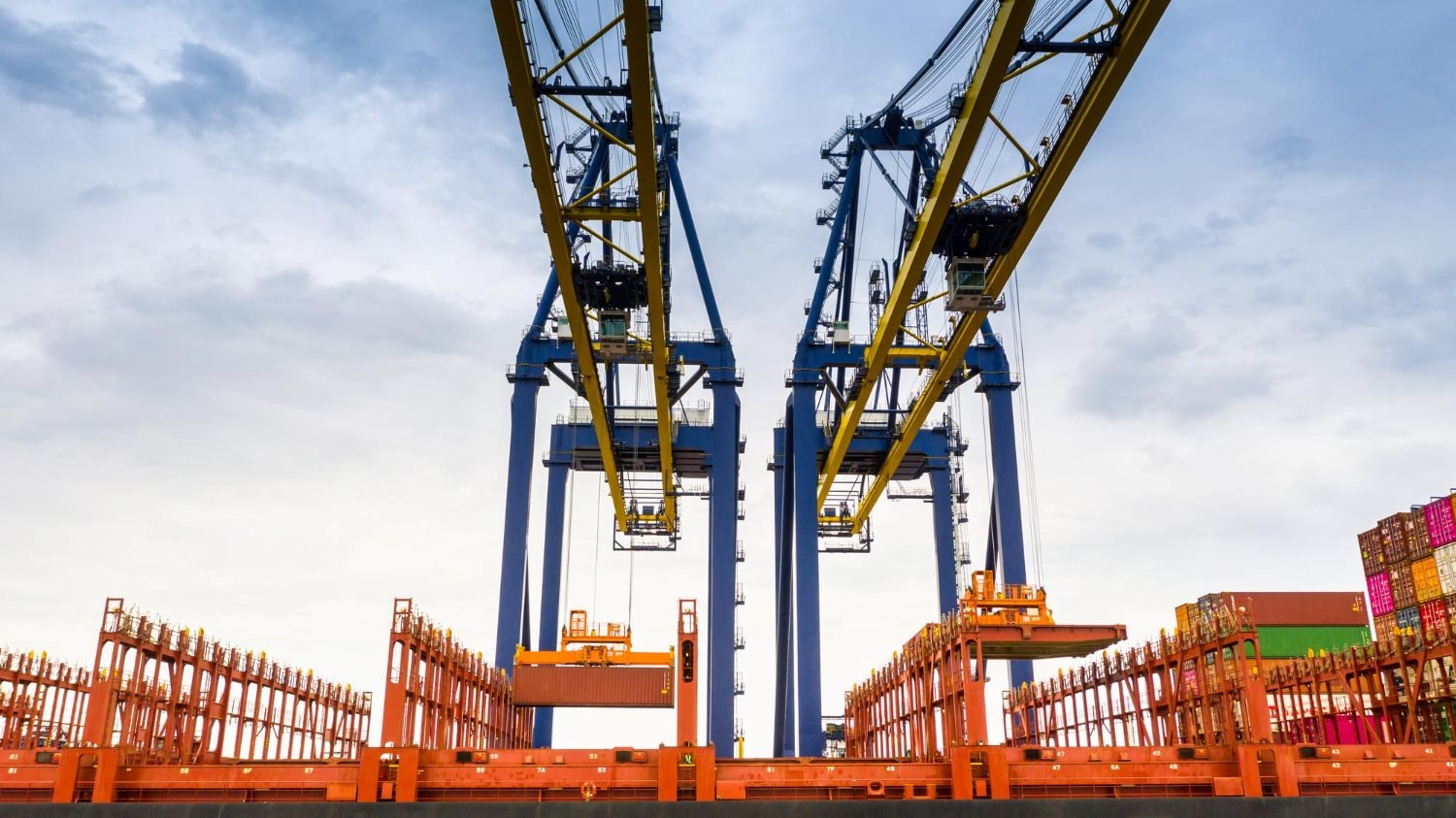
Yet the network remains fragmented. Many ICDs operate below capacity due to inconsistent road, rail or inland waterway connections and limited value-added services.
If ICDs are treated merely as container yards, their potential will remain underused. Global experience shows that successful dry ports are embedded in logistics corridors - located on major road, rail or waterway arteries and integrated with industrial zones and distribution centres. In that model, seaports no longer bear the full weight of cargo handling and clearance. Instead, they become the final interface in a system where inland hubs shoulder much of the consolidation, deconsolidation and paperwork.
From Container Yard to Integrated Logistics Hub
In the modern sense, an ICD is far more than a place to store and handle boxes. It is an integrated logistics hub offering bonded and ambient warehouses, cold storage, regional distribution centres and value-added services such as labelling, kitting, light processing and quality inspection.
The emerging global trend is to develop “dry port logistics parks” that co-locate light manufacturing, warehouses, carrier and airline offices, banks, insurers and customs and inspection agencies. At such complexes, shippers and forwarders can complete most trade and logistics formalities inland; the subsequent leg to the seaport becomes a relatively simple shuttle move.
For Vietnam, next-generation ICDs can play three critical roles:
- Export consolidation hubs – Aggregating shipments from multiple factories and smaller warehouses, stuffing containers, performing quality checks and clearing customs before cargo moves to seaports. This is especially valuable for SMEs and smaller FDI manufacturers lacking large in-house facilities.
- Import deconsolidation hubs – Receiving import containers directly from ports, unpacking and distributing goods to multiple distributors, thereby easing yard congestion and reducing dwell times at terminals.
- Intermodal transfer nodes – Serving as junctions between road, rail and inland waterways, allowing forwarders to build cost-effective and resilient multimodal solutions.
Corridor Connectivity and Digitalisation: Unlocking Capacity
To unlock the potential of ICDs, two ingredients are essential: physical connectivity and digital integration. On the infrastructure side, ICDs must be strategically located on major freight corridors—north–south expressways, urban ring roads, east–west economic corridors and cross-border routes—and linked efficiently to ports and border gates.
Moc Bai ICD illustrates this logic: its development aligns with plans for the Ho Chi Minh City–Moc Bai expressway and surrounding economic-zone infrastructure, creating a cluster that supports both domestic and cross-border flows with Cambodia.
On the process side, ICDs will only become truly compelling if they deliver a “one-stop” digital experience: electronic customs declarations, certificates of origin, quarantine procedures, payments and direct booking with carriers and 3PLs, all handled on-site or via integrated platforms linked to port community systems and government single-window portals. When that happens, the physical trip from ICD to port becomes a short shuttle leg, while the administrative journey has already been completed inland.
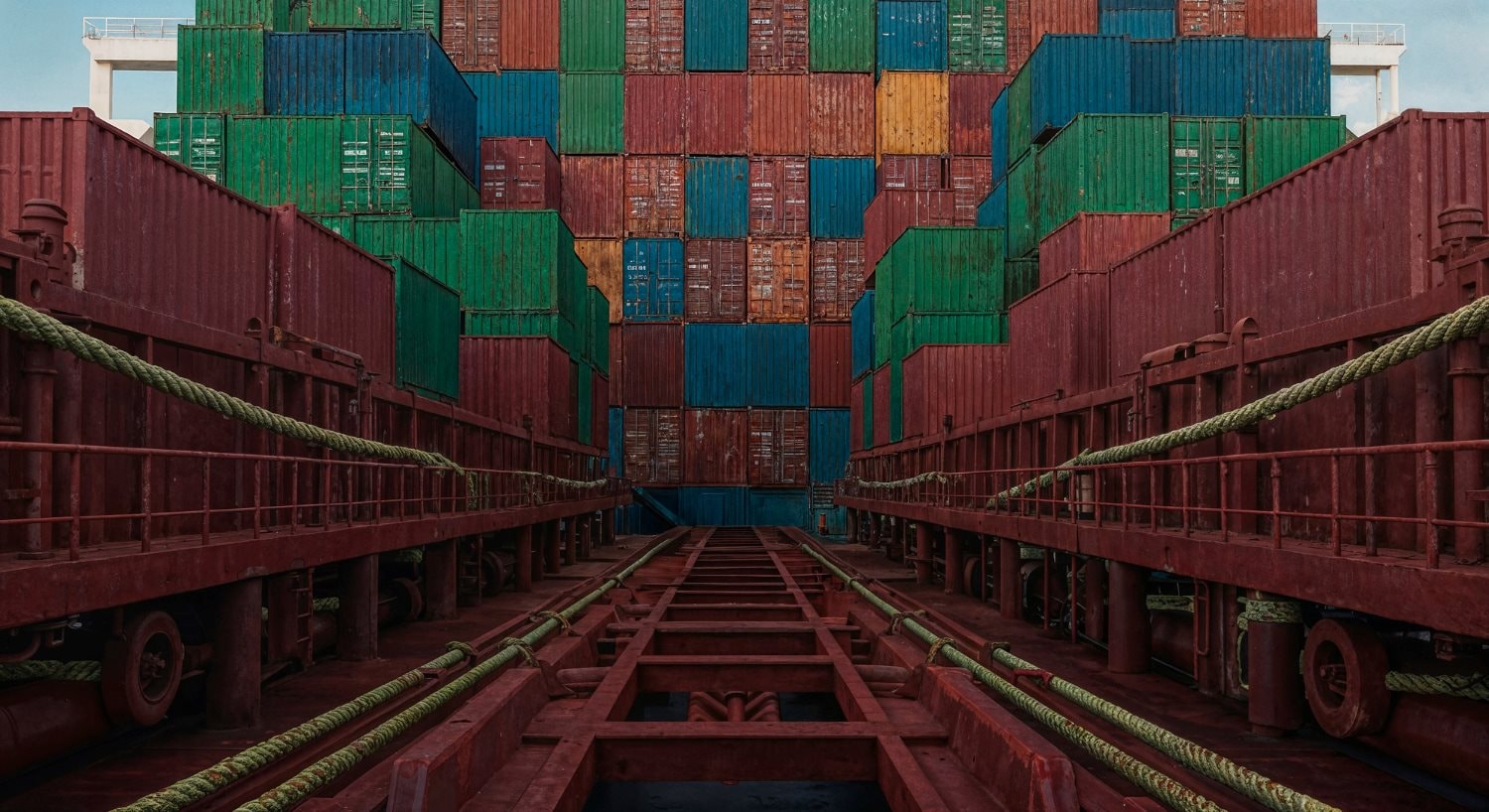
Given the goal of having ICDs handle up to 35 percent of corridor container flows by 2030, digitalisation and service integration are no longer optional extras—they are prerequisites. Logistics providers that invest early in ICD management platforms, API connections with customs and port systems and real-time visibility for customers will enjoy a clear edge in both cost and service quality.
Next-generation ICDs and dry ports are indispensable levers for boosting Vietnam’s effective port capacity and overall supply-chain performance. Rather than focusing solely on dredging and quay extensions, national logistics strategies must treat ICDs as strategic “inland ports” where cargo is consolidated, cleared and connected. When ICDs are properly planned, adequately invested and operated on digital foundations, Vietnam’s seaports will face less congestion, shippers will gain more flexible cost-time options and the country’s supply chains will be better positioned to weather future shocks.