

Logistics for Deep-Processed Agri-Food: How Can Vietnam Keep More Value at Home?
English - Ngày đăng : 08:15, 09/03/2026
Yet a large share of logistics, storage, distribution and value-added processing is still captured by hubs outside Vietnam. The key question is: how must Vietnam redesign its logistics ecosystem so that more post-harvest and post-processing value stays within the country?
From Record Agri Exports to the Challenge of “Value Retention”
In 2024, key export products such as rice, coffee, cashews, pepper, fruit and seafood all saw strong growth: rice alone hit 9 million tonnes worth about US$5.7 billion; seafood generated around US$10 billion; and crop-based agricultural exports reached roughly US$32.8 billion. This provides a strong raw-material base for deep-processing lines ranging from juices, canned foods and dried fruit snacks to ready-to-eat meals and functional foods.
However, value-chain analysis shows that the “thickest” margin still lies in processing, packaging, branding and distribution in high-income markets. While Vietnam’s food processing industry is expanding by around 7–8 percent per year, logistics capabilities - especially cold chains, specialised storage and value-added services such as labelling and co-packing have not kept pace. As a result, a significant share of Vietnamese agricultural output is exported in semi-processed form and then further processed and rebranded overseas, where it captures much higher value.
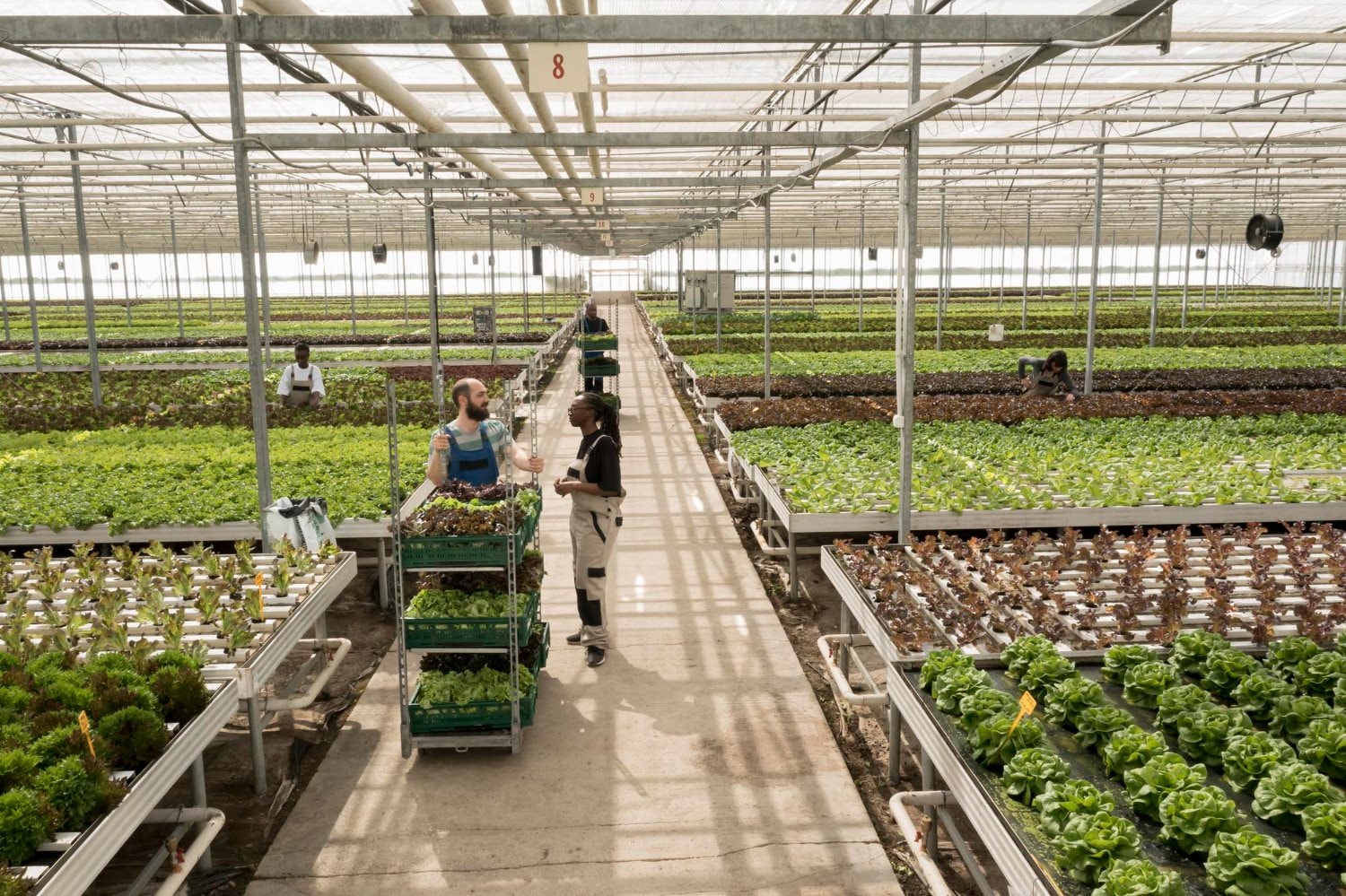
To truly retain value, Vietnam must look beyond factories to the broader logistics ecosystem: from farms to plants, from cold stores to seaports, and from regional distribution centres to retail shelves. If logistics remains fragmented, costly and slow, with limited value-added services, Vietnamese exporters will struggle to compete with multinationals that have already optimised their global supply chains.
Logistics for Deep Processing: Cold Chains, Packaging and “Food Logistics Parks”
One of the main bottlenecks for deep-processed agri-food is cold-chain and specialised food logistics capacity. Vietnam’s cold-chain logistics market serving food exports is estimated at around US$1.2 billion and is driven by rising exports of fruit, seafood and processed foods, yet is often described as fragmented and underdeveloped in terms of integrated storage, transport and value-added services.
For deep-processed products, three logistics pillars should be prioritised:
- Cold chains from production areas to factories and ports to preserve raw-material quality, especially for fruit, seafood, dairy and meat.
- Optimised packaging solutions, including MAP technology and intelligent packaging, to maximise container utilisation, reduce spoilage and lower freight cost per unit.
- “Food logistics parks” near production regions and export gateways, integrating cold and ambient warehouses, sorting and packing centres, labs, customs services and both domestic and export distribution functions.
Instead of leaving small and medium-sized firms to navigate storage and transport on their own, many countries have developed “food logistics parks” that combine cold-chain facilities, packing houses, laboratories, customs posts, transport services and even R&D centres. For Vietnam, such parks around the Mekong Delta, Central Highlands and Southeast region could become launchpads for higher-value processed foods, helping the country break out of the pattern of “exporting raw materials and importing brands.”
Connecting to High-Value Markets: Standards, Traceability and Beyond-Border Services
Deep processing only translates into higher profits if products can access high-income markets such as the EU, US, Japan and South Korea - where requirements on food safety, traceability, environmental impact and labour conditions are stringent. Vietnam’s network of 17 FTAs, including EVFTA, CPTPP and RCEP, creates ample tariff opportunities for processed agri-food. Yet the real “key” to market access is logistics capability: certification, inspection, documentation, rules-of-origin compliance and efficient post-border distribution.
Market reports highlight a pivot toward higher-value seafood, processed fruit and convenience foods, but many firms still struggle to align standards, certifications and traceability systems with advanced markets. At the same time, international retailers now expect suppliers to take over parts of the downstream logistics delivering to regional DCs, providing private-label packaging services and supplying store-ready SKUs.
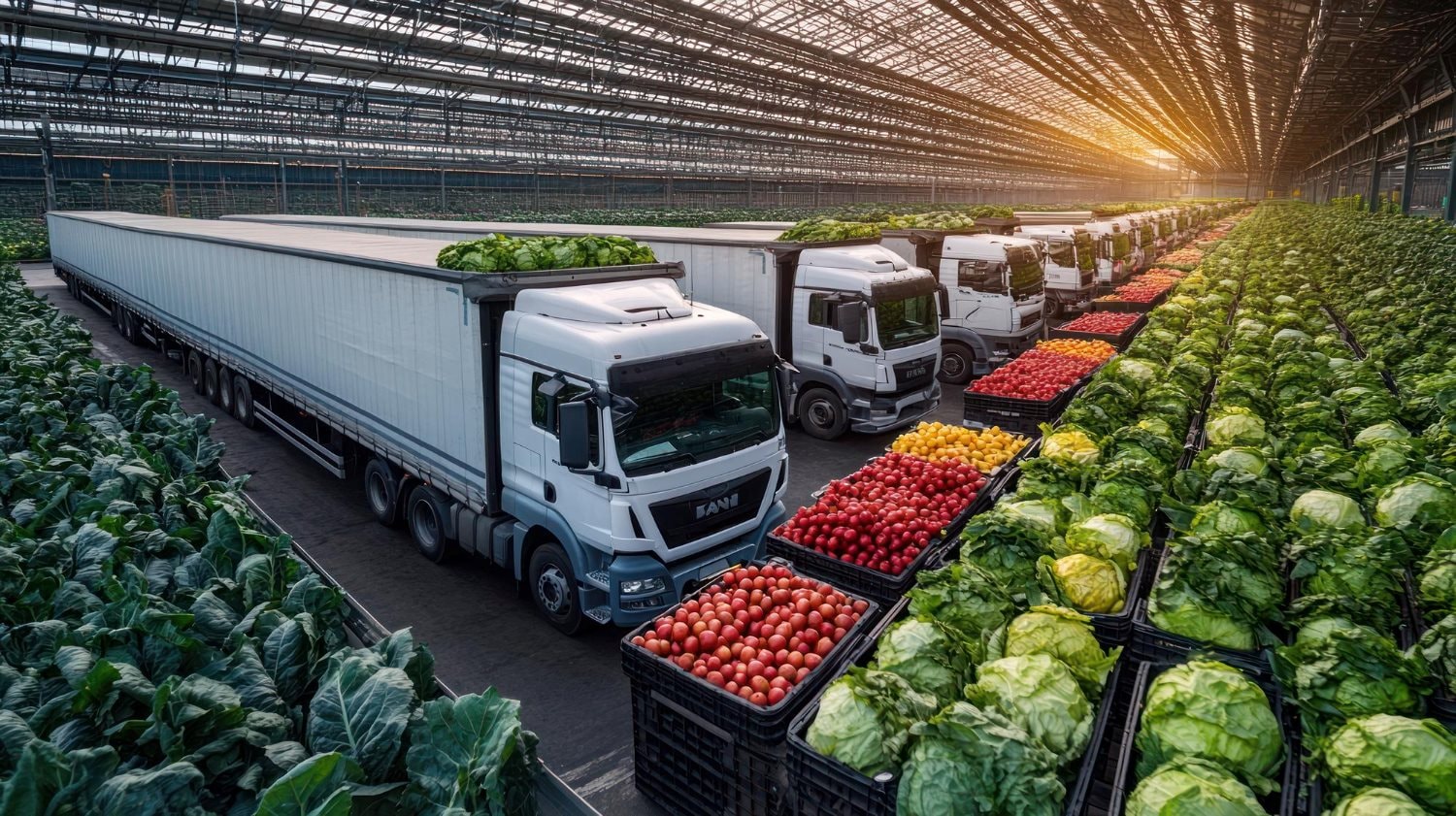
This opens up new territory for Vietnamese logistics providers. By developing 3PL/4PL services tailored to processed agri-food from inventory management and omnichannel distribution to cross-border e-commerce fulfilment and returns management - Vietnamese firms can move up the value chain. Those that understand both logistics and food-technology requirements will have a clear edge.
In deep-processed agri-food chains, logistics is not just a cost line—it is part of the product architecture. A bag of dried fruit on a European supermarket shelf carries with it the story of origin, environmental standards, the carbon footprint of transportation, traceability and distribution service quality. If Vietnamese logistics providers remain outside the deep-processing stage, the largest slice of value will continue to accrue to overseas hubs that control branding, distribution and end-market logistics.
To keep more agri-food value at home, Vietnam must go beyond factory capacity and redesign the entire logistics chain: cold chains from farm to plant, food logistics parks linked to export corridors, packaging and traceability systems that meet advanced standards, and downstream distribution and fulfilment services. In a context where agricultural exports keep setting new records, this is the right moment for Vietnam to evolve from a raw-material supplier into a regional hub for high-value food processing and logistics in global supply chains.