

Logistics Talent in the Digital Age: How Can Vietnam Escape the “Shortage of Skilled People”?
English - Ngày đăng : 15:05, 16/03/2026
Yet behind these impressive numbers lies a paradox: companies are constantly short of qualified staff, especially those with digital skills, foreign languages and modern supply chain thinking. As digital transformation becomes the new norm, the question is no longer just about headcount, but how to build a workforce that is both operationally strong and “tech-savvy” enough to compete with global players.
Workforce Gaps: Growing in Volume, Lagging in Capability
Recent industry reports and surveys all point to a shortage of logistics human resources in both quantity and quality. Skills-forecast studies conducted by the Logistics Research and Development Institute (LIRC) project strong demand growth for logistics workers through 2024–2028, particularly in port operations, multimodal transport, warehousing and distribution, and supply chain management roles.
At the same time, digital skills surveys in the logistics sector show that over 86.2 percent of firms are either in the process of digital transformation or preparing for it, yet many admit their workforce is not ready to operate TMS, WMS, IoT, AI or big-data systems effectively. As a result, companies often recruit staff with little logistics background and then retrain them, or rely on external experts to implement technology projects - both costly and time-consuming approaches.
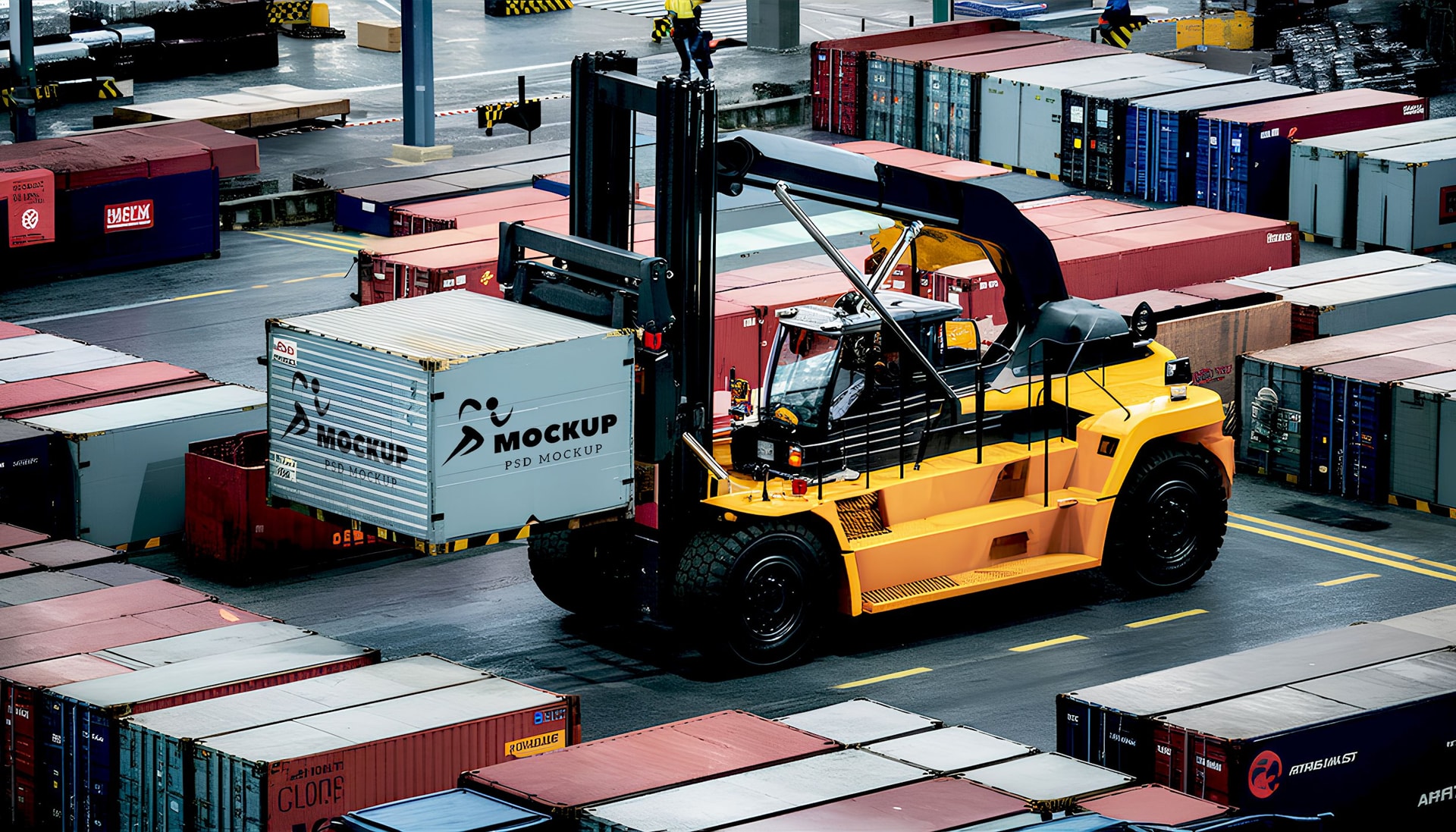
Many Vietnamese logistics firms are trapped in a “shortage of skilled people” cycle: recruitment needs keep rising, but candidates who combine solid operational skills with strong digital capabilities remain scarce. Surveys suggest that it can take 6–12 months to train a new hire to operate digital systems with confidence; if that person leaves, the training cycle has to start almost from scratch - consuming both financial resources and business opportunities.
The talent landscape at ports, warehouses and 3PL providers also reveals a notable gap between foreign-invested and domestic enterprises. While many multinationals apply international skill standards, clear competency frameworks and structured training for safety, equipment operations and data management, a large number of local firms still rely heavily on informal, experience-based training, with no detailed skill map for each position.
Digital and Green Skills: The New Profile of Logistics Professionals
In the past, logistics employees were mostly assessed on traditional competencies such as documentation, truck scheduling or basic warehouse operations. Today, the picture is very different. Studies on the “digital skill workforce” in logistics show that workers must master a new set of capabilities: data analysis, system management, automation technologies, artificial intelligence, IoT and blockchain to optimise end-to-end supply chains.
Beyond digital capabilities, recent logistics human-resource forums have stressed the importance of “green skills” linked to ESG. These include understanding the emissions profile of different transport modes, designing routes and loads to reduce CO₂, and complying with environmental standards in port and warehouse operations. This is becoming critical as international customers increasingly demand Scope 3 emissions reporting and expect logistics providers to act on those insights.
From a policy perspective, Vietnam’s National Digital Transformation Program to 2025, with orientation to 2030, identifies digital human resource development as a core pillar, with logistics named among the priority sectors. Updated skills forecasts for the logistics and port industries, developed with international partners, are now translating this into concrete occupation lists, skill levels and competency standards—giving both training institutions and businesses a clearer roadmap for upskilling their workforce.
From Classroom to Smart Warehouse: Bridging Business and Education
One positive trend is the stronger linkage between logistics firms and training institutions. The Vietnam Logistics Human Resource Education & Training Forum (VLET) and thematic events on “enhancing digital skills for the logistics workforce” have become platforms where universities and enterprises share skill needs, update curricula and expand internship programs.
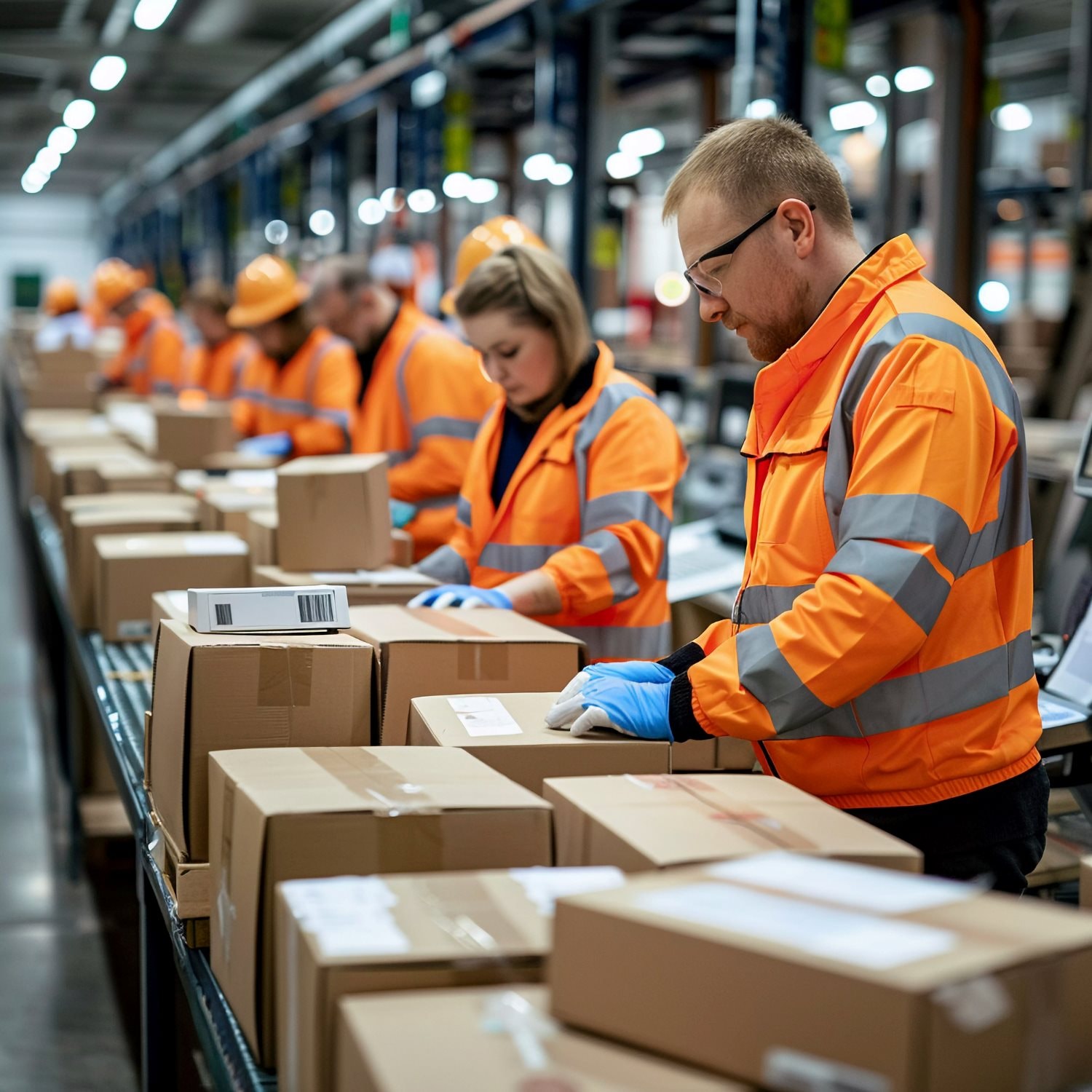
However, to truly escape the “shortage of skilled people,” this partnership must go beyond conferences and MoUs. Companies can co-design training programs, commission short courses on specific skill clusters (TMS, WMS, e-customs, IoT-based fleet management) and collaborate with universities to build logistics labs where students work on real systems and datasets. On the academic side, integrating digital skills, ESG literacy and soft skills—foreign languages, cross-cultural communication, data-driven thinking—into core curricula will help graduates adapt faster to industry requirements.
In the era of digital and green transformation, training should be seen as an investment rather than a cost. Logistics firms that establish clear competency frameworks, collaborate closely with training providers and allocate even 2–3 percent of revenue to workforce development tend to outperform peers in labour productivity, employee engagement and service quality - creating a virtuous cycle in which skilled people and better business results reinforce each other.
In the race to upgrade logistics capabilities, infrastructure, technology and policy all matter—but people remain the decisive factor. Escaping the “shortage of skilled people” requires a holistic strategy: forecasting skill needs, standardising competency frameworks, investing in digital and green skills, and building strong partnerships between universities, enterprises and associations. Only then can logistics professionals evolve from document clerks or truck dispatchers into true “supply chain architects,” helping Vietnam’s logistics sector climb the value chain and strengthen its regional and global position.