

Urban Logistics in Hanoi and Ho Chi Minh City: Can Last-Mile Delivery Keep Up with the E-Commerce Boom?
English - Ngày đăng : 08:44, 28/03/2026
Roughly 75 percent of e-commerce orders originate from Hanoi and Ho Chi Minh City - dense, traffic-congested urban areas where mobility is increasingly challenging. As consumers get used to same-day and even same-hour - delivery, the “last mile” has become a decisive factor in the competitiveness of logistics providers and online platforms.
Rapid Urbanization, E-Commerce Boom: Mounting Pressure on the Last Mile
Vietnam is undergoing rapid urbanization, with targets of at least 45 percent urbanization by 2025 and over 50 percent by 2030; urban areas are expected to contribute 75 percent of GDP by 2025 and 85 percent by 2030. Hanoi and Ho Chi Minh City alone host tens of millions of residents and are the country’s most important hubs for consumption, services and online shopping.
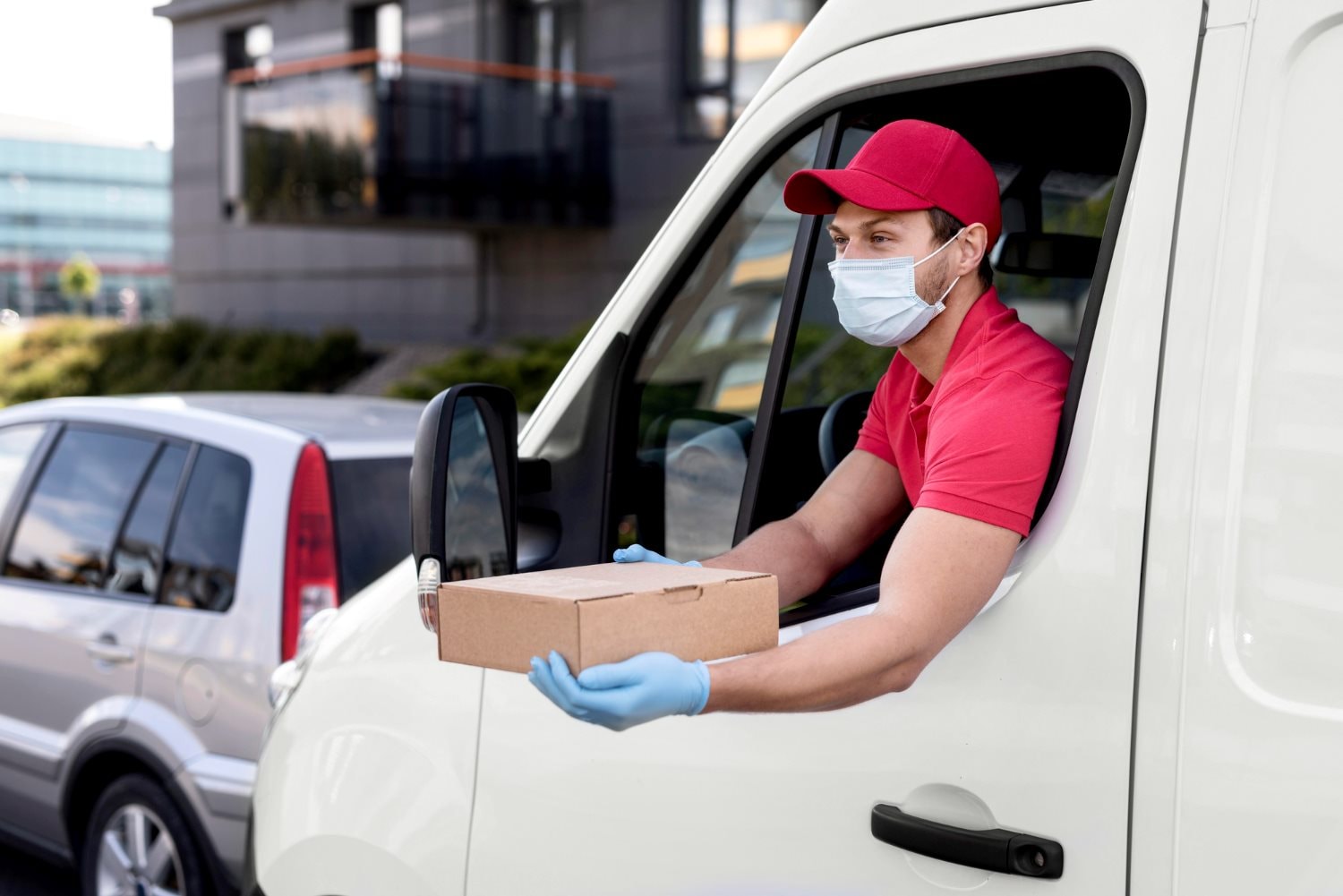
In parallel, e-commerce continues to grow at double-digit rates. VECOM estimates that the e-commerce market reached US$32 billion in 2024, up 27 percent compared to 2023, while other official data puts retail e-commerce at about US$25 billion, or 9 percent of total national retail and services revenue. Postal statistics indicate that parcel volume for e-commerce reached about 2.4 billion items in 2024, up 30 percent year-on-year - placing enormous pressure on the last-mile delivery network, which was already struggling with congested roads and limited logistics space.
International research and industry reports highlight that last-mile logistics can account for as much as 50–53 percent of total supply-chain costs due to the complexity of handling small, fragmented deliveries, short distances and the need to optimise labour and fuel. In major Vietnamese cities, chronic congestion, a shortage of parking space and truck-access restrictions further inflate last-mile costs, even as consumer expectations for speed and quality of service continue to rise.
In the e-commerce supply chain, the last mile is the only stage that customers directly see and interact with. No matter how efficient warehousing, long-haul transport or IT systems become, those gains are quickly forgotten if the parcel arrives late, in poor condition or at the wrong address. Urban logistics is therefore not just a cost issue - it is fundamentally about customer experience, trust and brand reputation in an intensely competitive market.
From Out-of-Town Warehouses to Dark Stores and Micro-Fulfillment
Globally, a key trend in urban logistics is the shift from large, peripheral warehouses to smaller, customer-proximate urban logistics facilities - often called micro-fulfillment centres (MFCs) or “dark stores”. International studies indicate that urban delivery costs are rising and can account for up to half of total supply-chain costs, making the goal of reaching customers within a 30-minute drive a top priority for many investors.
In Vietnam, this trend is reflected in the growing investment by retailers, e-commerce platforms and e-logistics startups in inner-city warehouses, cross-docking hubs and fulfillment-as-a-service models. Some fulfillment providers now offer same-day delivery coverage of over 99 percent across Hanoi, Ho Chi Minh City and Da Nang through distributed warehouse networks integrated with multiple sales channels. Major platforms such as Lazada, Shopee, Tiki and TikTok Shop have been upgrading automated sorting centres and urban distribution hubs to support delivery times measured in hours, not days.
However, placing logistics nodes inside cities is not straightforward. Developers struggle with limited land supply, zoning constraints and concerns from local communities about noise, safety and truck movements. Urban specialists increasingly argue that logistics should be treated as essential city infrastructure—similar to electricity or water supply - so that land use and transport corridors can be planned accordingly, rather than leaving each company to improvise in isolation.
Technology, New Models and the Sustainability Imperative
Alongside physical infrastructure, technology is reshaping urban logistics in Vietnam. Large 3PLs, express carriers and online retailers are adopting transportation management systems (TMS), AI-based route optimisation, GPS and real-time traffic data to reduce empty mileage and failed deliveries.
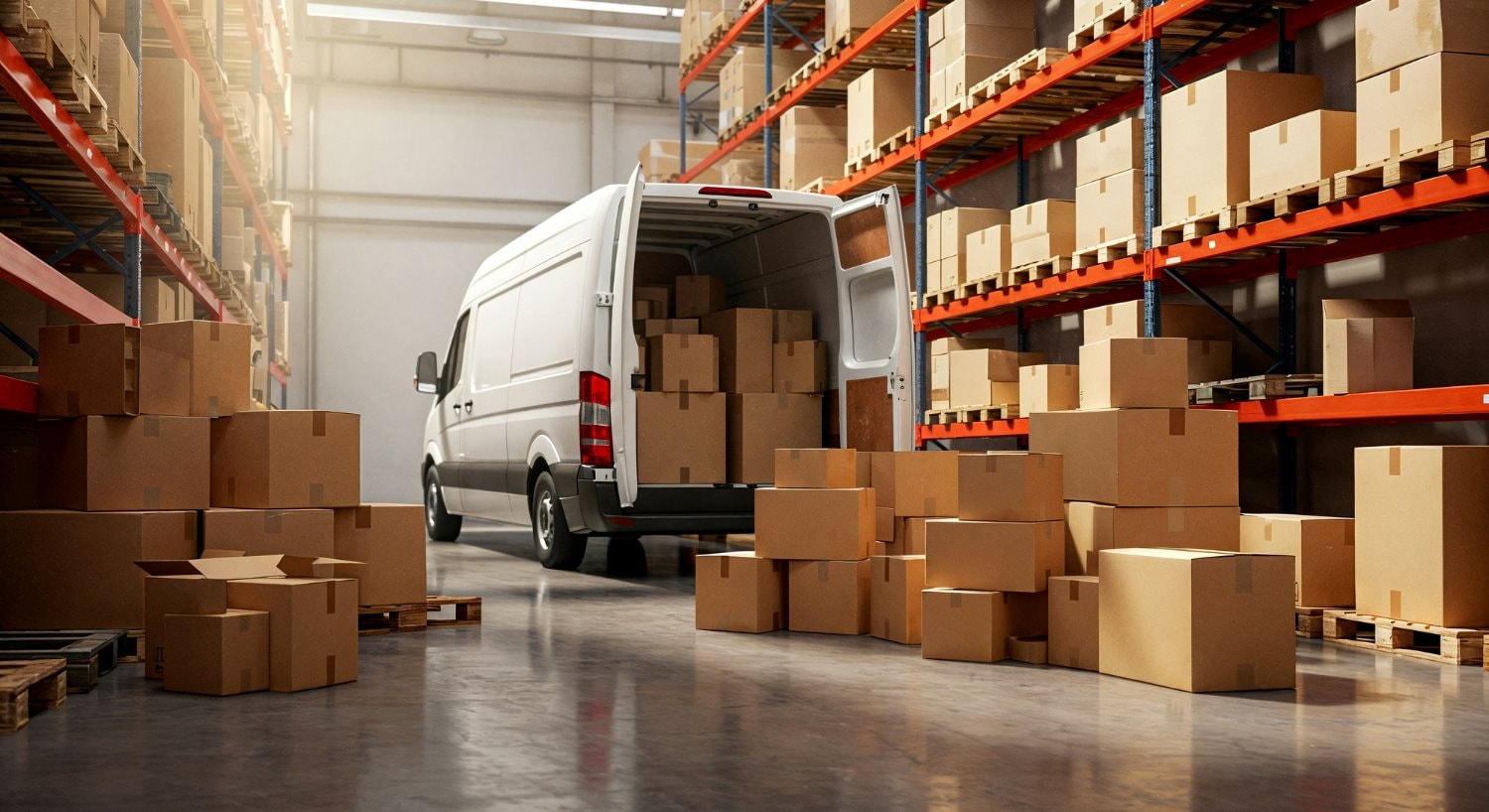
On-demand delivery services are also transforming customer experience by offering flexible time windows, dynamic address changes and real-time shipment tracking. Pick-up and drop-off (PUDO) networks and smart lockers in apartment complexes, offices and convenience stores are emerging as promising solutions to reduce door-to-door delivery pressure and cut down on curbside parking by motorcycles.
Given rising vehicle density and transport-related emissions, urban logistics cannot focus solely on speed while ignoring sustainability. Experts highlight the need to deploy electric delivery vehicles, use AI route optimisation to cut empty mileage, and pilot “city hub” models that combine micro-hubs, PUDO points and smart lockers with greener transport modes. If implemented at scale, these solutions could help Vietnamese cities support fast-growing e-commerce while easing congestion and reducing the environmental footprint of last-mile delivery.
Urban logistics in Hanoi, Ho Chi Minh City and other major cities has become a core component of the digital economy, not a secondary support function. As e-commerce accelerates, failing to restructure urban warehouse networks, reorganise traffic for delivery activities and fully exploit data and technology will result in high logistics costs, poor customer experience and mounting environmental stress. Conversely, if cities treat the last mile as a space for innovation—where urban planning, technology and new business models converge—urban logistics could become a powerful competitive advantage for Vietnam in regional supply chains.