

Green Fuels for Shipping: Who Pays the Bill?
English - Ngày đăng : 08:43, 18/04/2026
A shifting market logic
At the company level, the issue is not only about cost but also about the quality of decision-making. a shifting market logic is becoming a new measure of competitiveness in Green Fuels for Shipping: Who Pays the Bill?. Many firms once focused mainly on speed or freight rates, but they are now forced to widen the lens: supply stability, forecasting ability, data transparency, and cross-functional coordination. As geopolitical, climate, financial, and technology shocks become more frequent, a weak node can slow down the whole system. For Vietnam, the question is no longer whether to participate, but how deeply to participate and where to create distinctive value.
For Vietnamese businesses, a shifting market logic should not be treated as a fashionable slogan, but as a concrete operational requirement. It begins with standardizing data, recalculating hidden costs, and classifying risks by lane, customer group, and import-export market. Beyond that, firms need the capability to learn quickly from disruption instead of waiting until disruption has already become loss. That requires investment not only in hard infrastructure, but also in data, people, and the ability to coordinate across nodes.
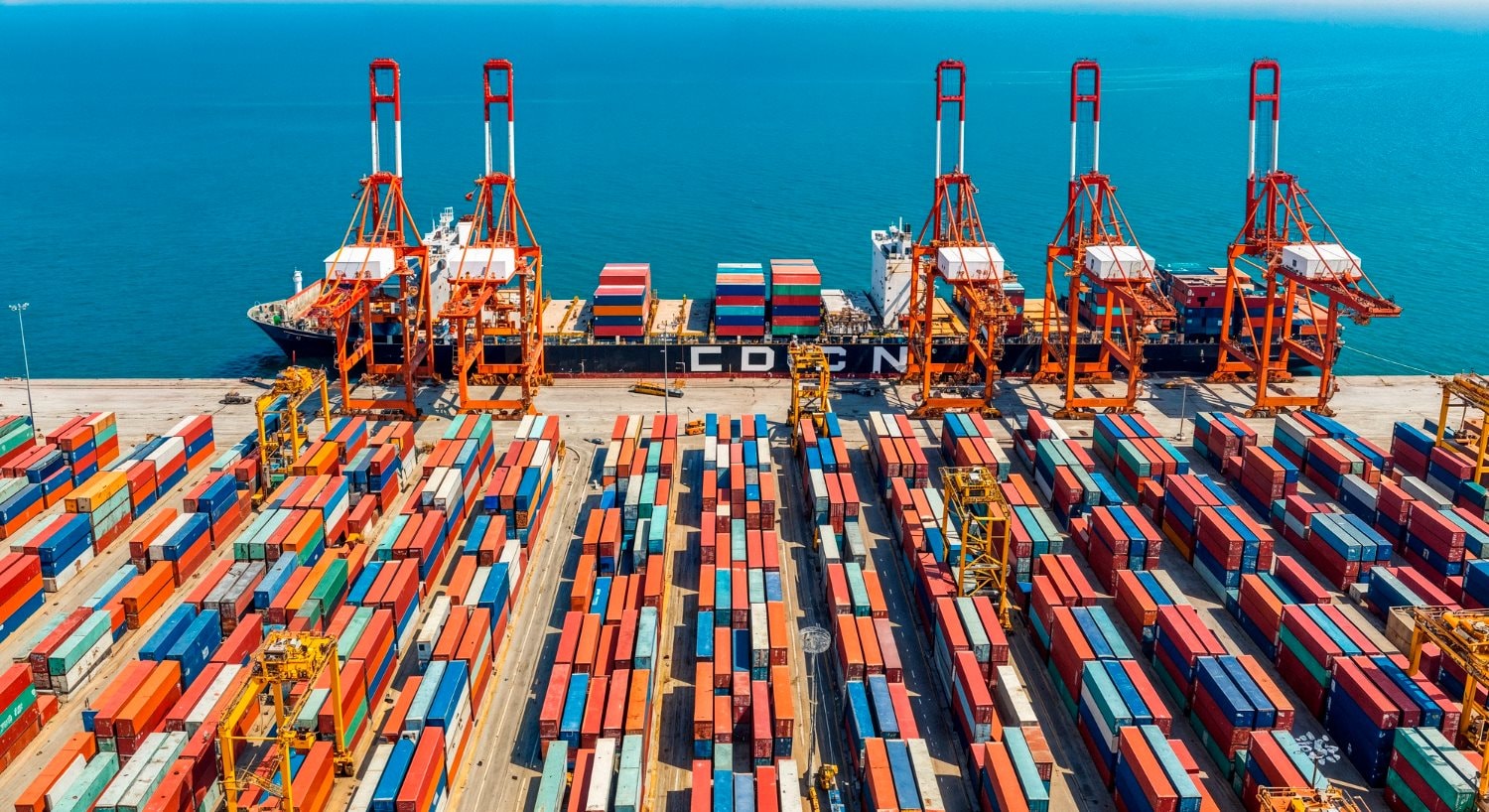
Operational implications for business
In practice, it becomes clear that operational implications for business is becoming a new measure of competitiveness in Green Fuels for Shipping: Who Pays the Bill?. Many firms once focused mainly on speed or freight rates, but they are now forced to widen the lens: supply stability, forecasting ability, data transparency, and cross-functional coordination. As geopolitical, climate, financial, and technology shocks become more frequent, a weak node can slow down the whole system. In that context, logistics is no longer a back-end function; it is becoming a strategic tool for reorganizing production, trade, and investment rhythms.
For Vietnamese businesses, operational implications for business should not be treated as a fashionable slogan, but as a concrete operational requirement. It begins with standardizing data, recalculating hidden costs, and classifying risks by lane, customer group, and import-export market. Beyond that, firms need the capability to learn quickly from disruption instead of waiting until disruption has already become loss. This is where the gap between a company that merely delivers a service and one that delivers a solution becomes unmistakable.
In many cases, companies do not lose because opportunity is absent; they lose because logistics is treated as a static cost. Once logistics is understood as the capability to organize flows of goods, data, and decisions, new room appears to reduce risk, improve reliability, and create stronger customer value.
What Vietnam should build next
The real challenge is that what Vietnam should build next is becoming a new measure of competitiveness in Green Fuels for Shipping: Who Pays the Bill?. Many firms once focused mainly on speed or freight rates, but they are now forced to widen the lens: supply stability, forecasting ability, data transparency, and cross-functional coordination. As geopolitical, climate, financial, and technology shocks become more frequent, a weak node can slow down the whole system. The key lies in seeing risks early, standardizing processes, and coordinating multiple parties through data rather than instinct.
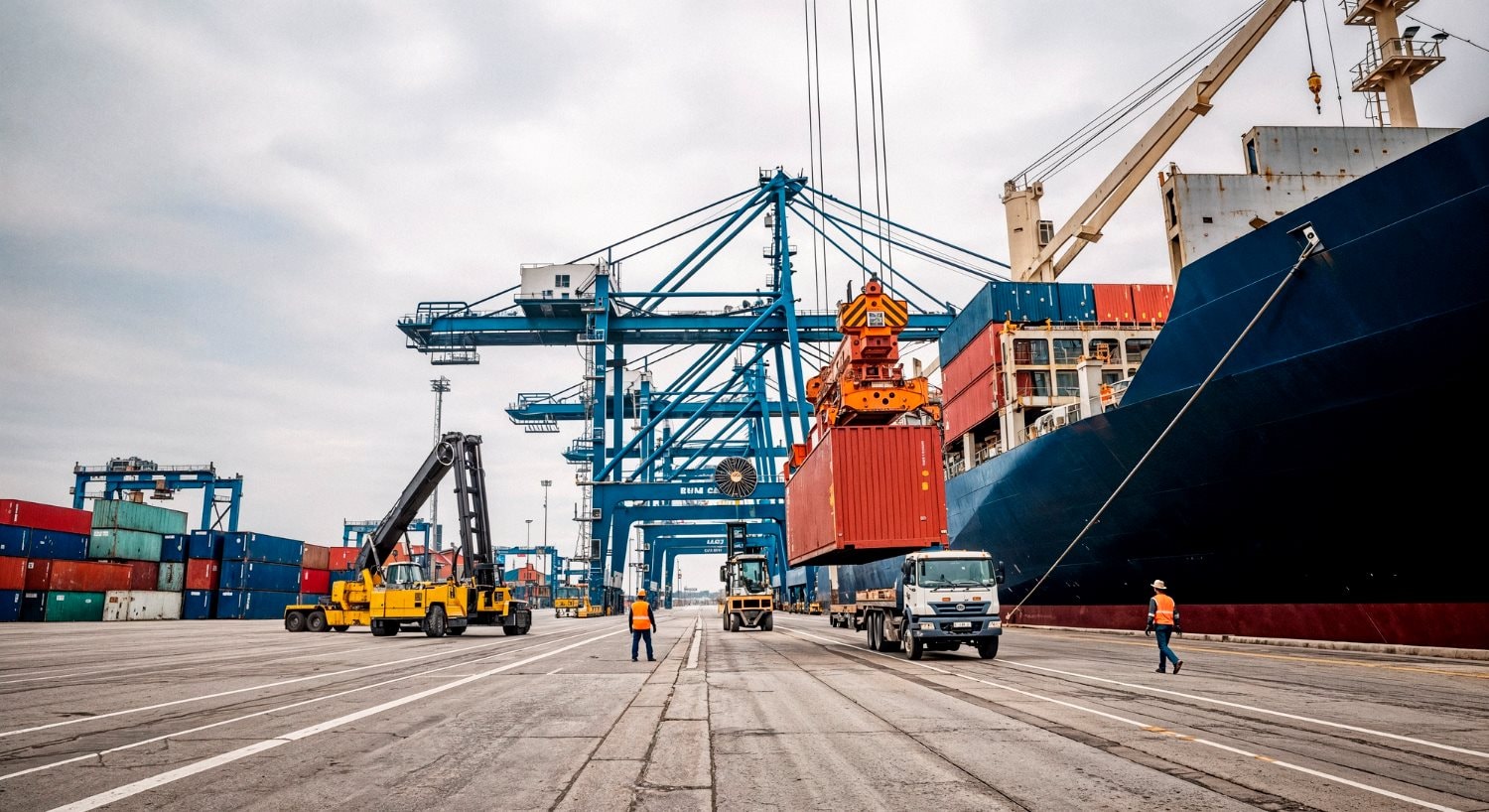
For Vietnamese businesses, what Vietnam should build next should not be treated as a fashionable slogan, but as a concrete operational requirement. It begins with standardizing data, recalculating hidden costs, and classifying risks by lane, customer group, and import-export market. Beyond that, firms need the capability to learn quickly from disruption instead of waiting until disruption has already become loss. In other words, the challenge of the new period is not to do more, but to do it with greater precision, transparency, and resilience.
From reaction to resilience
If one looks only at the surface, it is easy to assume that from reaction to resilience is becoming a new measure of competitiveness in Green Fuels for Shipping: Who Pays the Bill?. Many firms once focused mainly on speed or freight rates, but they are now forced to widen the lens: supply stability, forecasting ability, data transparency, and cross-functional coordination. As geopolitical, climate, financial, and technology shocks become more frequent, a weak node can slow down the whole system. This is why many international firms are reassessing suppliers, transport partners, and the architecture of their distribution networks.
For Vietnamese businesses, from reaction to resilience should not be treated as a fashionable slogan, but as a concrete operational requirement. It begins with standardizing data, recalculating hidden costs, and classifying risks by lane, customer group, and import-export market. Beyond that, firms need the capability to learn quickly from disruption instead of waiting until disruption has already become loss. To move forward, businesses need to shift from a reactive mindset to a system-design mindset.
Green Fuels for Shipping: Who Pays the Bill? makes one reality increasingly clear: logistics and supply chains are no longer backstage functions. They now sit at the center of growth, competitiveness, and resilience for both companies and the wider economy. Vietnam has a genuine opportunity to move up the value ladder if it combines infrastructure, data, talent, and modern management thinking in the right way. The road ahead will not be smooth, yet periods of disruption often reward those firms that redesign systems early, invest selectively, and maintain disciplined execution.