

Fuel surcharges are not a bargaining problem, but a supply chain design problem
English - Ngày đăng : 08:00, 20/04/2026
Many businesses are solving the wrong problem
A large number of companies still respond to fuel surcharges with reactive thinking: whenever fuel markets move up, they immediately push carriers to cut freight rates. That may produce a short-term tactical result, but it leaves the deeper management problem untouched.

The decisive issue is not simply whether fuel prices rise or fall. What matters more is how much energy is consumed for each unit of cargo and how sensitive the operating model is to that fluctuation. When load factors are low, routes are fragmented and return legs are underutilized, companies are effectively exposing themselves to fuel risk without any meaningful protection layer.
Shock absorption starts with network design
The difference between a resilient supply chain and a vulnerable one lies in network design. Fuel surcharges should not be seen as a flat number; they are the outcome of shipment frequency, load factor, backhaul efficiency and schedule stability. That is why two companies in the same sector, of similar size and using similar corridors, can still record logistics cost gaps of 20-30 percent.
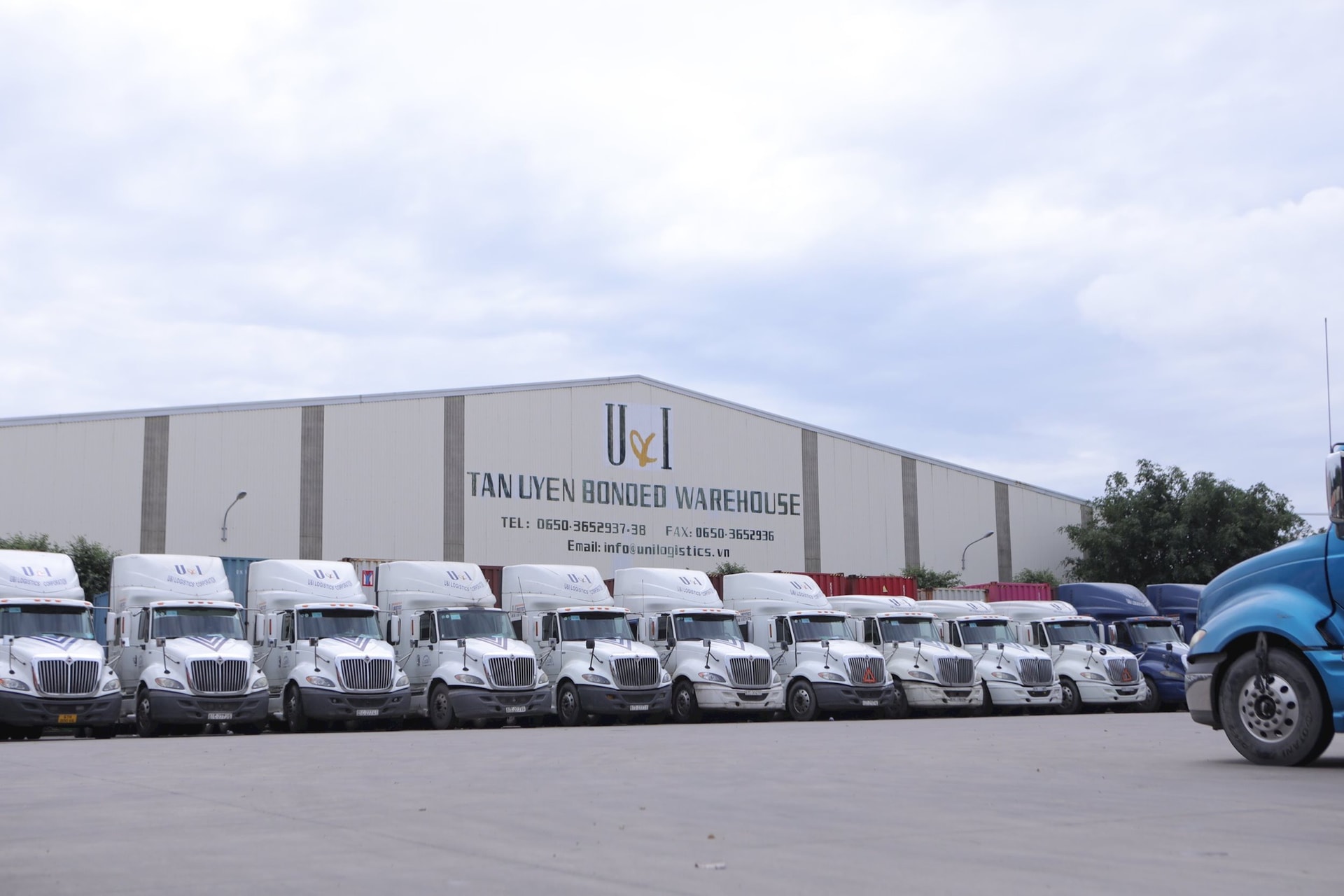
U&I Logistics offers a practical example of a more systematic approach. By maintaining fixed routes on key corridors and spreading fuel variables across a sufficiently large cargo base, the company improves cost predictability. Once cargo is consolidated and schedules become stable, fuel cost per unit is no longer a surprise shock but a manageable input in the financial model.
Companies cannot reduce fuel surcharge pressure through price bargaining alone. The real levers are higher load factors, optimized backhauls, stable schedules and partnerships with providers that have enough scale to spread volatility across larger cargo volumes. Sound network design is the most effective self-protection mechanism.
It may be time to rethink outsourced logistics strategy
Choosing a provider solely because it offers the lowest rate at a given point in time is often a localized decision that increases total cost over the longer term. When oil prices move beyond the assumed threshold, weak partnership structures tend to reveal their limits quickly: service quality is cut, departures are delayed, surcharges are adjusted unilaterally and administrative costs surge as companies scramble to fix the consequences.
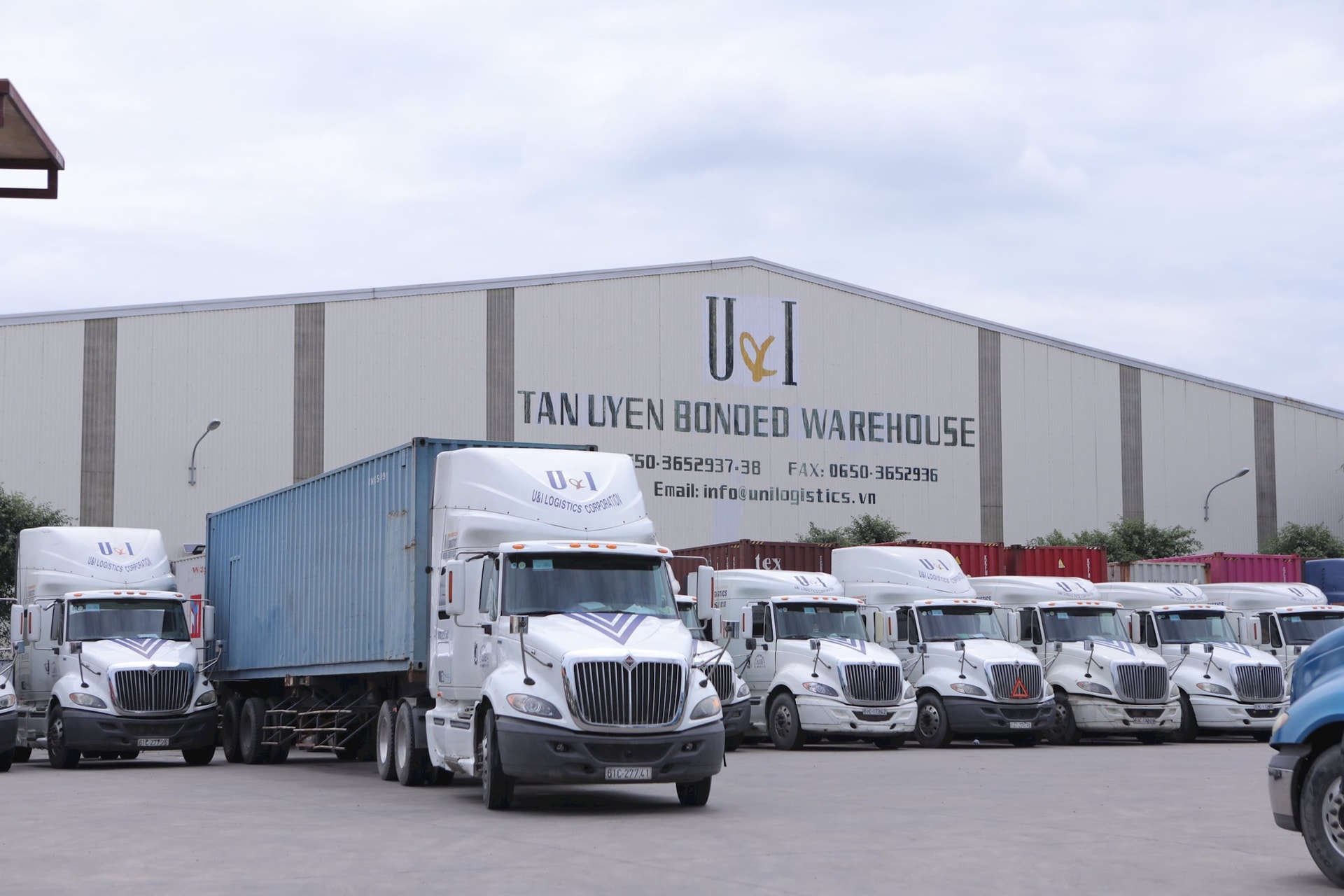
Instead of focusing only on nominal price, outsourced logistics strategies should prioritize core capability: forecasting under different oil scenarios, network coverage on critical routes and surcharge mechanisms based on actual fuel consumption data rather than arbitrary market add-ons. This approach not only discourages opportunistic pricing, but also pushes logistics providers to invest in modern, fuel-efficient fleets and stronger operating discipline.
Fuel surcharges should not be viewed merely as a market shock. They are a mirror reflecting the quality of supply chain organization. Companies that solve the network design problem correctly will gain not only lower costs, but also stronger predictability and a more durable logistics system.