

Nguyen Hue flower street 2026: From a tet spectacle to Ho Chi Minh city’s cultural signature
English - Ngày đăng : 16:10, 25/04/2026
Success measured by public experience and urban tourism appeal
Organizers said the festival ran for eight days (February 15-22, 2026, from the 28th day of the last lunar month to the 6th day of Tet). Nguyen Hue pedestrian boulevard alone welcomed more than 1.8 million visits. Across the expanded three-site footprint - Nguyen Hue (Sai Gon Ward), the Central Park area (Binh Duong Ward), and Quang Trung Park (Vung Tau Ward) - total attendance exceeded 2.2 million. Beyond the headline numbers, the milestone reflects a renewed capacity to attract diverse audiences at peak holiday time.
More importantly, the 2026 edition signaled a shift from a “photo spot” to a curated “experience space”, guiding visitors through layered narratives that blend tradition with contemporary performance language. Under the theme “Spring Converges - Steadfast Steps Forward”, the event conveyed a story of unity, aspiration, and the city’s confidence as an open, friendly, and forward-looking metropolis.
Professional operations: the backbone of a large-scale civic festival
From an event-management perspective, Nguyen Hue Flower Street is a comprehensive stress test - design, construction, operations, and safety. In 2026, improvements were evident in cross-agency coordination: crowd-flow planning, walkway and pause-point layouts, security and public order, sanitation, and post-event restoration. Multiple stakeholders worked along a seamless operational chain, helping minimize disruptions during the highest-traffic periods.
Notably, running day-and-night experiences within the same venue raised technical requirements - tight operating schedules, electrical and lighting safety, and time-based crowd coordination. When the “experience infrastructure” is well managed, public value rises: residents gain more time options, visitors have stronger reasons to return, and the city secures a symbolic night-time tourism product anchored in culture.
Media ripple effects and community value: when a festival becomes a ‘soft asset’
The on-site buzz was amplified across digital channels. Organizers noted that local media outlets in Ho Chi Minh City alone produced nearly 300 news items and features on the event, alongside extensive social-media sharing. This visibility strengthens the city’s image as modern and welcoming, while encouraging safe, civilized holiday participation.
After 23 consecutive seasons, Nguyen Hue Flower Street has welcomed over 26 million visits in total. These figures underscore that the festival is no longer a seasonal activity - it is a cultural signature of the city each Tet. Its core value lies in a high-quality, free, accessible public space where generations share emotions and visitors can recognize Ho Chi Minh City’s identity through an urban experience that is both rooted and refreshed.
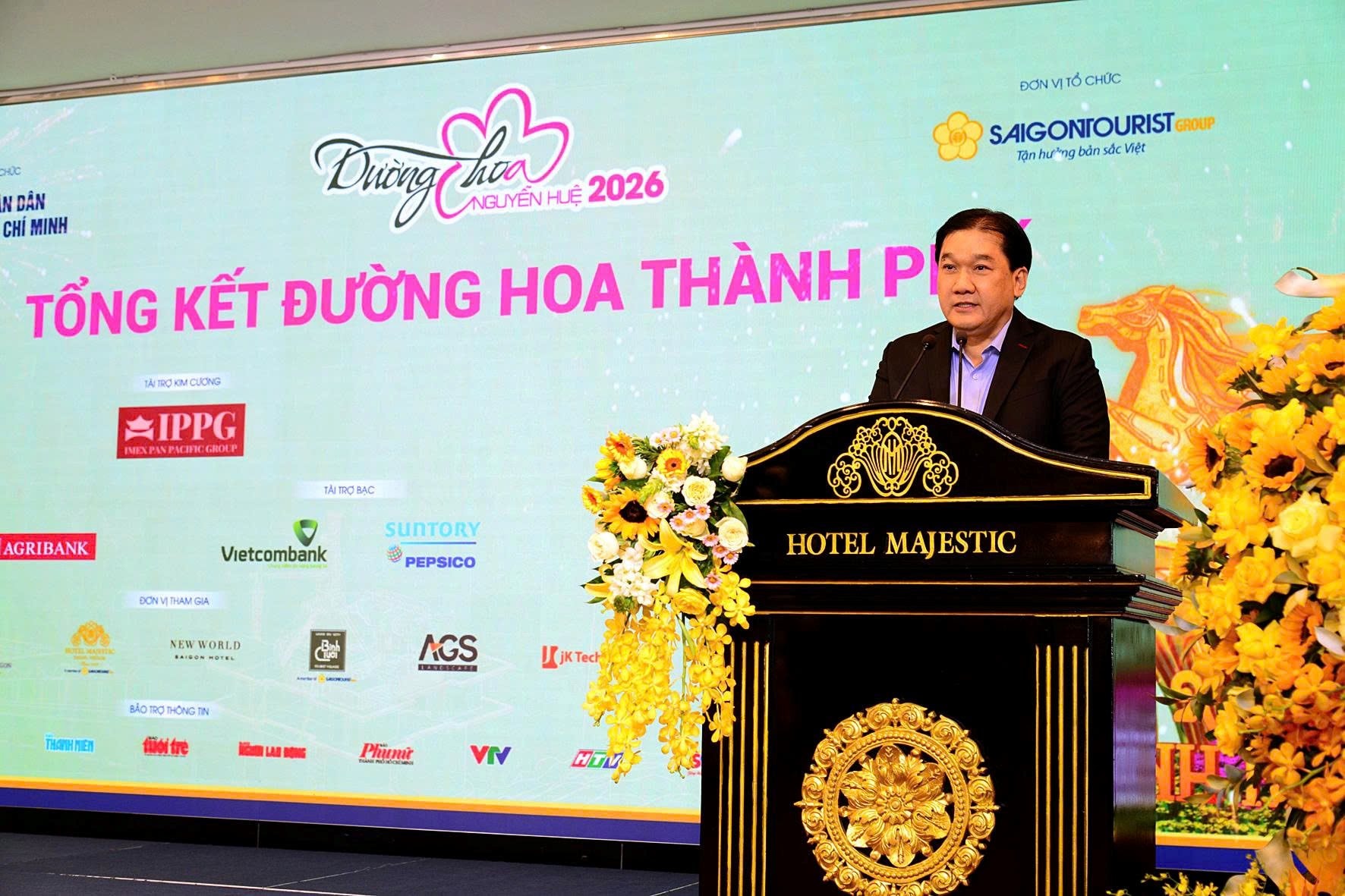
In 2026, Nguyen Hue Flower Street operated as a festival ‘ecosystem’ - combining installation art, performance technology, crowd management, and multi-platform communications. Its success was powered by collaboration among public authorities, businesses, technical teams, and the wider community, raising the bar for civic cultural events in Ho Chi Minh City.
Recognition and awards: meaningful acknowledgement, not the finish line
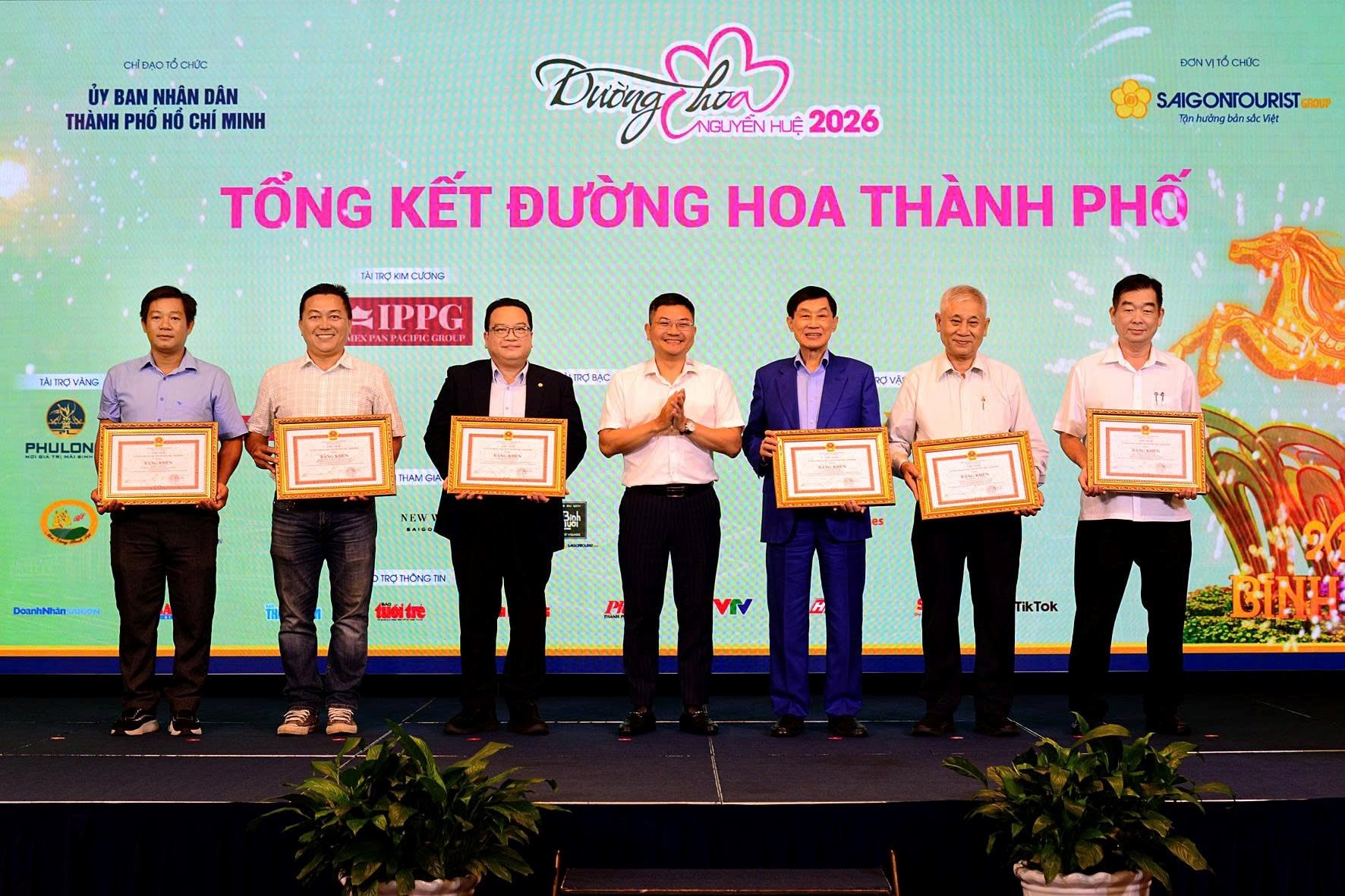
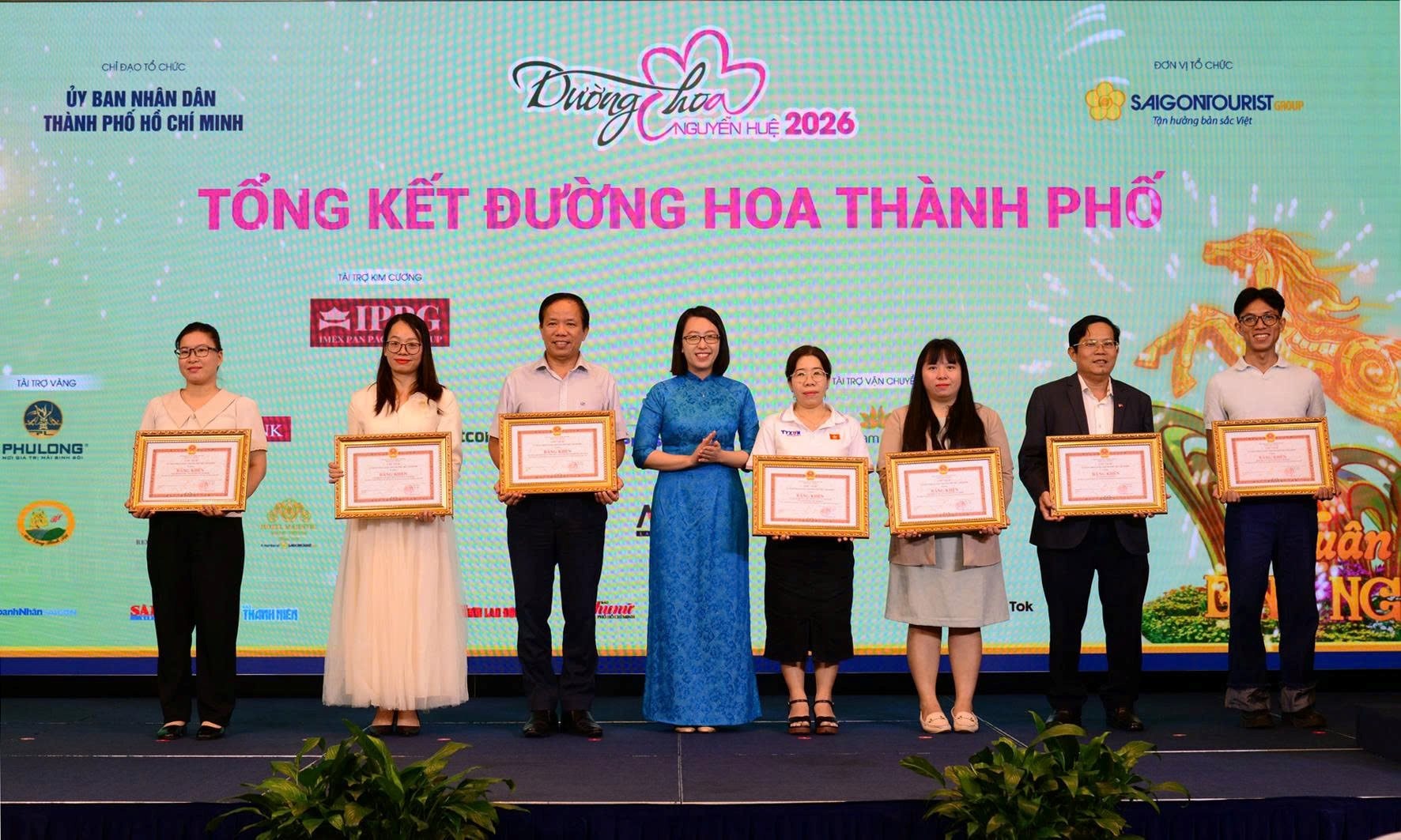
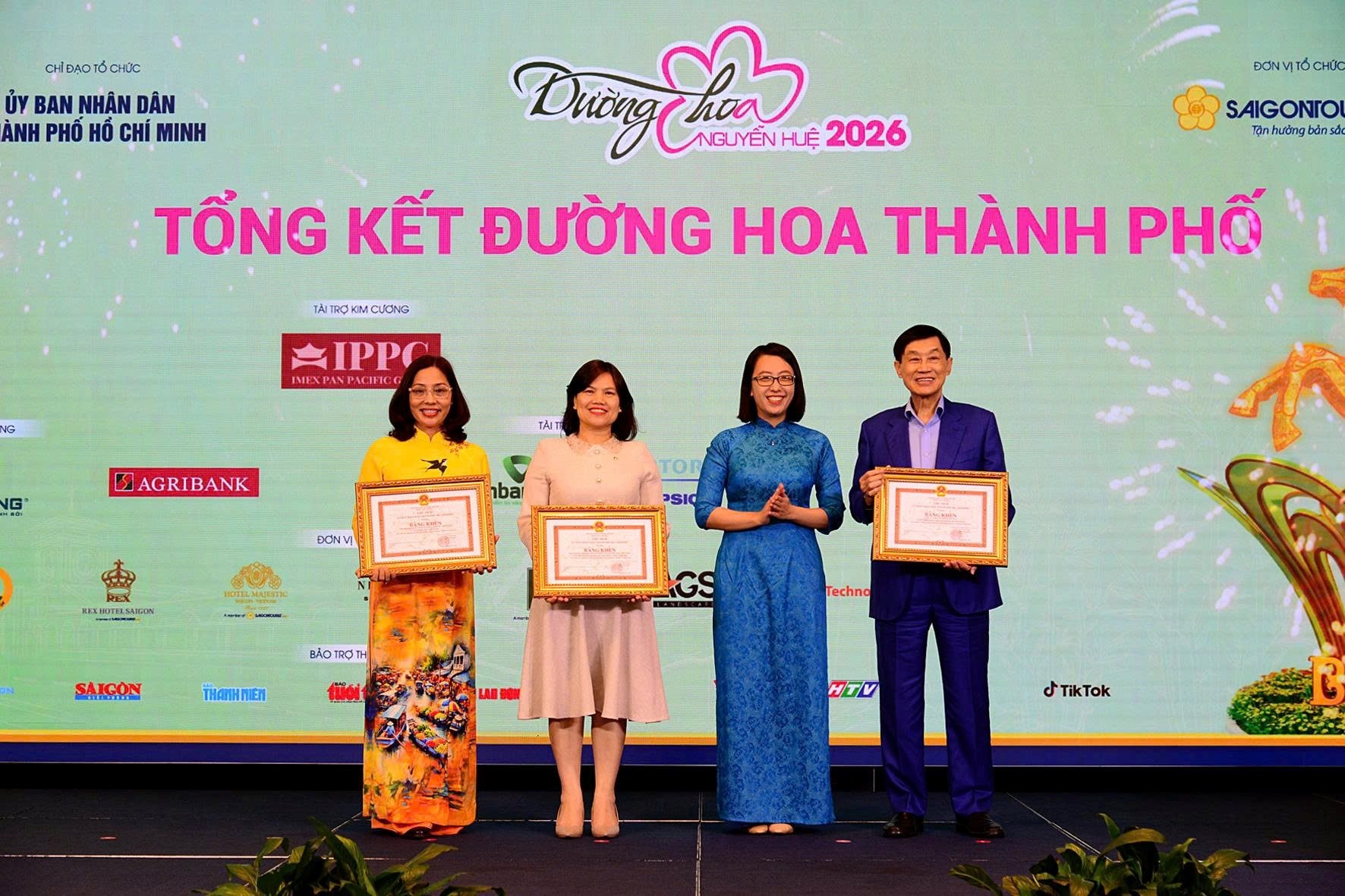
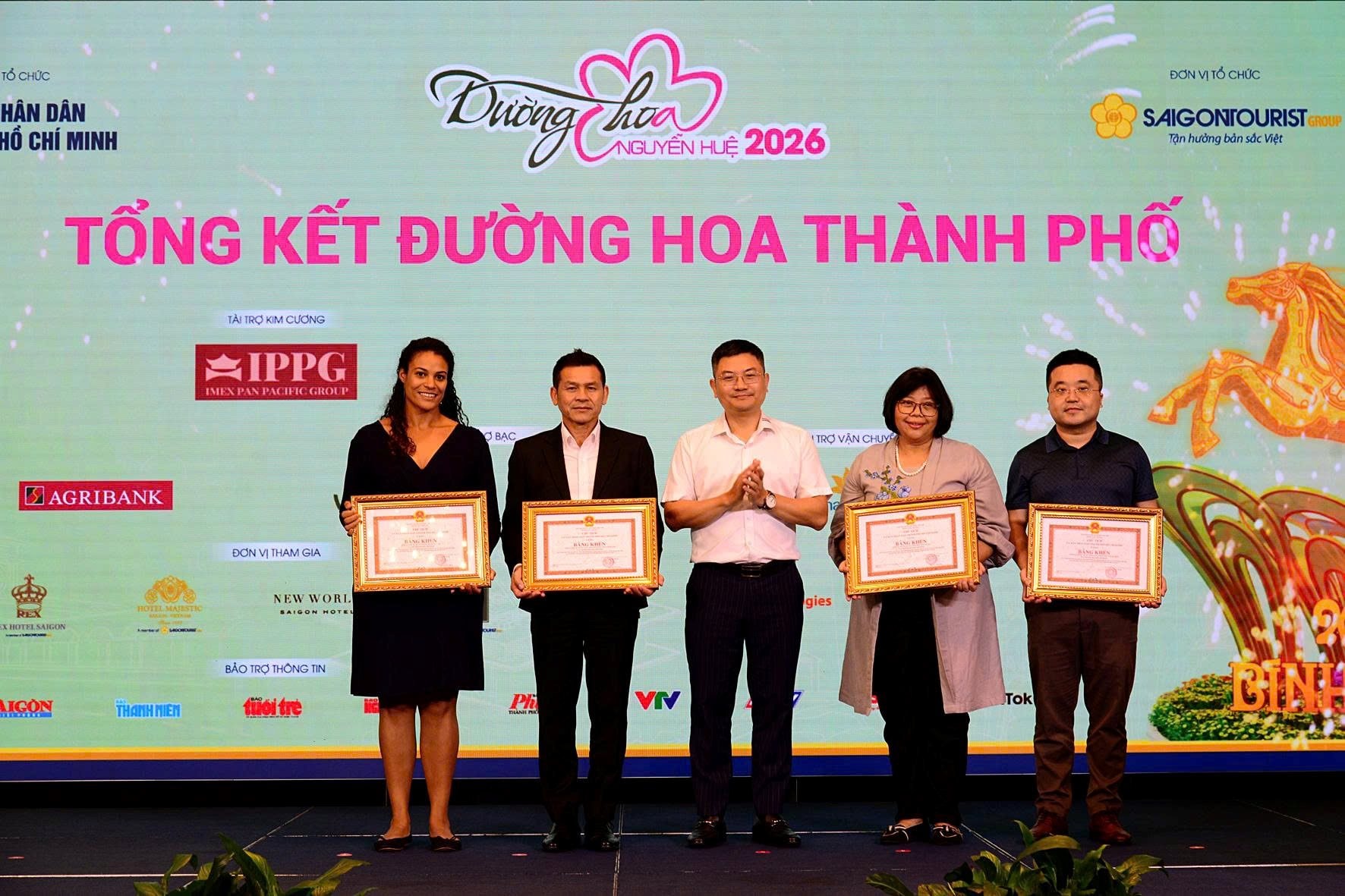
At the wrap-up ceremony, the city honored eight Consulate General offices in Ho Chi Minh City, along with 16 organizations and 38 individuals for their outstanding contributions to Flower Street 2026. The commendations served as timely recognition of behind-the-scenes efforts - from planning and execution to communications and partner programs.
Yet the bigger message is governance-oriented: awards reinforce collaboration and encourage innovation so each season can outperform the last. When residents and visitors are well served, when public space becomes a place of shared emotion and urban branding, that is the most sustainable measure of success—one that strengthens Ho Chi Minh City’s ‘soft assets’ built steadily over more than two decades.