
LET-a CeMAT ASIA 2026: When Automation Is No Longer an Option but a Condition for Competitiveness
English - Ngày đăng : 12:05, 04/06/2026
From Digitalization to Automation
Over the past decade, many Vietnamese enterprises have embarked on their digital transformation journeys through the implementation of ERP, WMS, TMS, and various data management platforms. Yet digitalization only enables businesses to identify problems. The next challenge is building systems capable of responding automatically to changing market conditions. This is precisely the direction in which leading industrial economies are moving.
.png)
.png)
At LET-a CeMAT ASIA 2026, visitors will not merely see individual pieces of equipment. Instead, they will experience integrated ecosystems where smart factories and intelligent logistics centers operate as interconnected systems. Robotics, warehouse management software, IoT sensors, artificial intelligence, and big data platforms work together seamlessly to create highly efficient operational environments.
The exhibition reflects a major shift taking place across the global logistics industry: the transition from optimizing individual processes to optimizing entire supply chain ecosystems.
For businesses seeking to remain competitive, understanding this transition is becoming increasingly important.
When Robots Move to the Center of the Supply Chain
For many years, automation was often perceived as a privilege reserved for multinational corporations and large-scale manufacturers. However, rapid technological advancements have significantly lowered the barriers to adoption.
.png)
.png)
These technologies are already transforming operations across industries ranging from electronics manufacturing and e-commerce fulfillment to food processing, textiles, and retail distribution. More importantly, the role of automation extends beyond replacing manual labor.
Robotics and intelligent systems help businesses address labor shortages, reduce operational errors, improve productivity, and enhance responsiveness in volatile market environments. In an era where customer expectations continue to rise and supply chains face unprecedented disruptions, these capabilities are becoming essential rather than optional.
For Vietnamese enterprises, this reality is particularly relevant. Rising labor costs, stricter compliance requirements from international buyers, and increasing competition are forcing businesses to rethink traditional operating models. Automation is gradually becoming a strategic necessity.
Lessons for Vietnamese Enterprises
The greatest value of technology exhibitions such as LET-a CeMAT ASIA lies not in purchasing equipment.
Its true value comes from helping business leaders understand how future operations will be designed and managed.
.png)
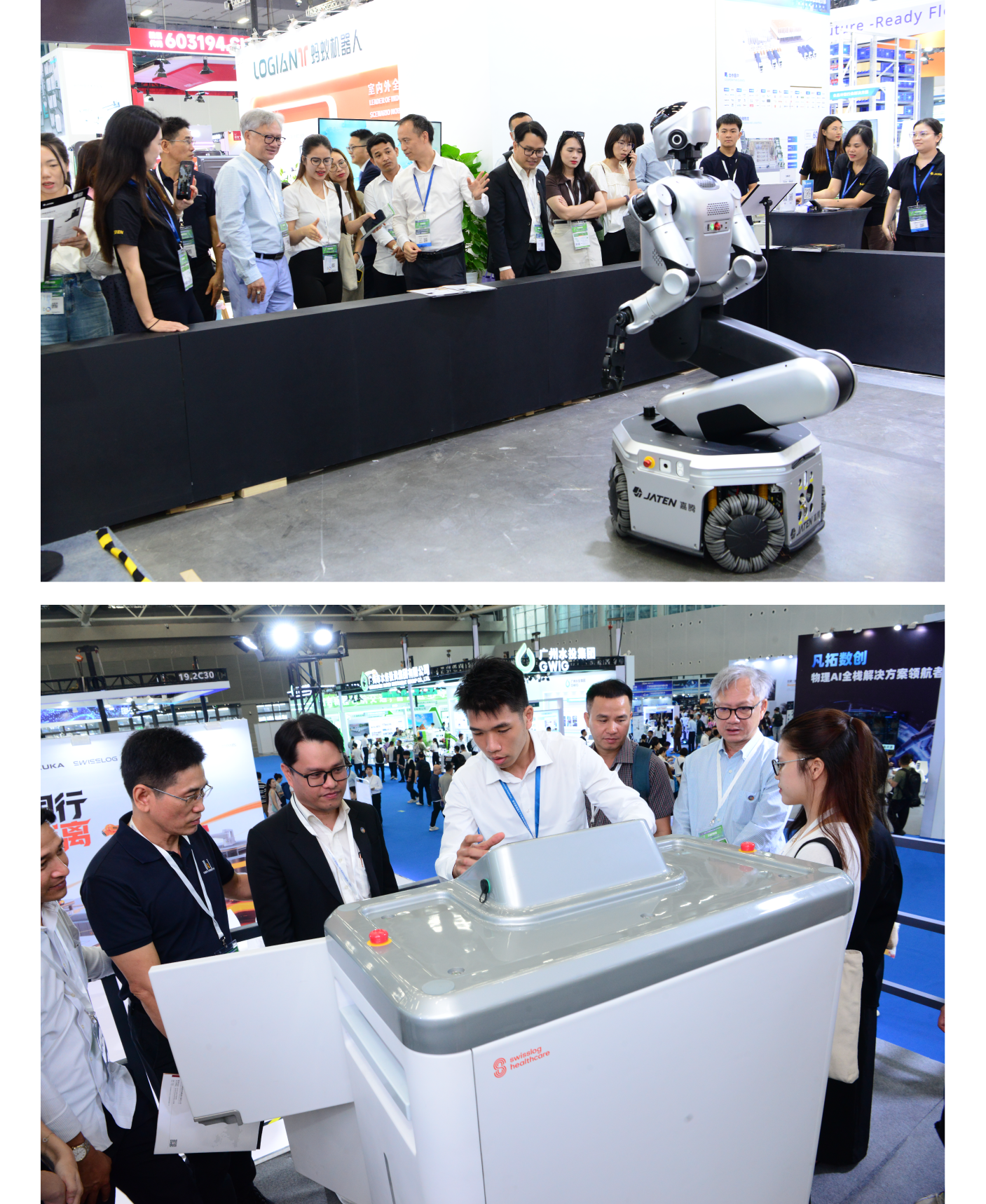
In Guangzhou, Vietnamese companies will have the opportunity to observe how leading manufacturers and logistics providers are leveraging artificial intelligence to forecast demand, optimize inventory, orchestrate transportation networks, and improve warehouse productivity in real time.
Such insights are invaluable for assessing Vietnam’s current technological position relative to regional industrial leaders and identifying the most effective pathways for transformation.
.png)
.png)
The real question is how quickly businesses can embrace automation and which operational models will best support long-term competitiveness.
In this context, LET-a CeMAT ASIA 2026 is far more than a trade exhibition. It offers a glimpse into the competitive landscape of the next decade and provides Vietnamese enterprises with an opportunity to prepare for the future before it arrives.