

Transport cost optimisation: not just pushing freight rates down
English - Ngày đăng : 08:00, 25/07/2026
Transport cost is often viewed too narrowly
Transport is one of the largest cost items in logistics. Pressure to reduce it is understandable. But if companies focus only on lowering freight rates, they may gain short-term savings while losing long-term efficiency. Lower rates may come with weaker service quality, higher delay rates, unsuitable vehicles, limited transparency or greater hidden risks.
Actual transport cost is much broader than the freight invoice. It includes empty trips, waiting time, failed deliveries, poor delivery schedules, oversized packaging, underutilised vehicle capacity, demurrage, storage charges, late penalties, cargo damage, manual coordination cost, fuel surcharges, return costs and lost customers due to late delivery.

Transport cost optimisation is therefore not about finding the cheapest carrier. It is about designing a more efficient transport system. In that system, every truck, container, route, delivery point, time window and inventory decision affects total cost.
From unit cost to total logistics cost
A company may choose a transport option with a rate 5% lower, but if that option increases waiting time, damage, redelivery or late deliveries, total cost may be higher. Conversely, a service with a higher freight rate but better stability, stronger data and fewer hidden costs may be more efficient overall.
Companies therefore need to shift from thinking about “transport unit price” to “total logistics cost”. This includes direct freight charges and related costs across the chain: inventory, time, risk, quality, coordination labour, tied-up capital, customer trust and forecasting ability.
A simple example: if a company makes many small deliveries throughout the day, the cost per trip may not look high, but total cost rises because orders are not consolidated. If packaging contains too much empty space, trucks or containers end up carrying “air”. If delivery plans change constantly, carriers must re-dispatch and add cost. If trucks wait too long at warehouses, that cost eventually returns to the company as surcharges or higher rates.
Transport cost optimisation is not about making each trip as cheap as possible. It is about making the entire transport network more efficient. Companies need to measure total cost: freight, waiting time, empty capacity, redelivery, inventory, damage, surcharges and on-time performance.
Six levers for transport cost optimisation
The first lever is better demand planning. Transport becomes more expensive when orders arrive unexpectedly, delivery schedules change urgently, goods must move by emergency transport or production and sales plans are not shared early with logistics. With better demand forecasting and delivery planning, companies can book vehicles earlier, consolidate orders, choose appropriate modes and reduce urgent costs.
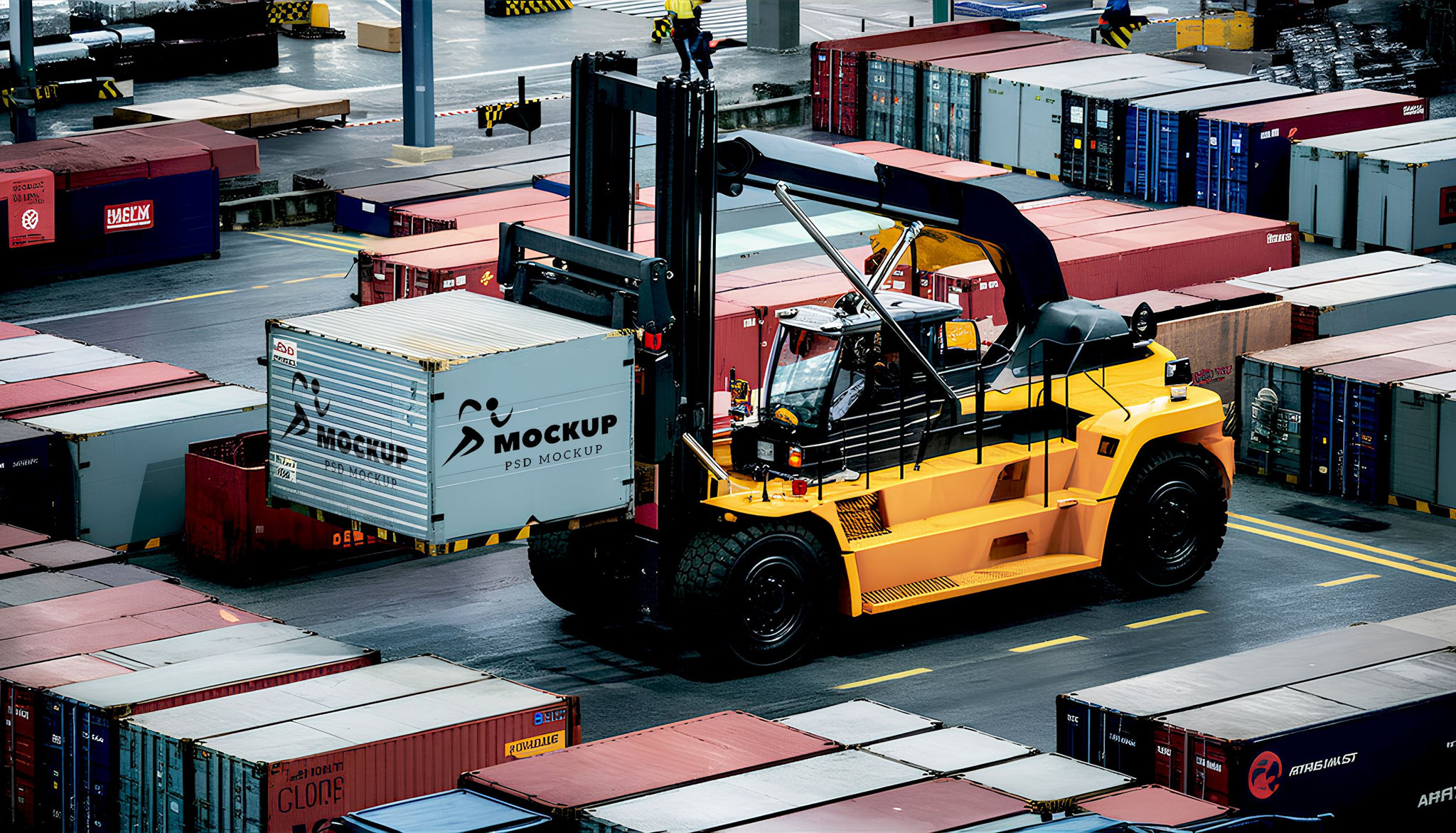
The second lever is consolidation and load optimisation. One of the greatest wastes is underused truck or container capacity. Companies should analyse fill rates by trip, route, customer, season and product type. Consolidation reduces cost and also reduces emissions per unit of cargo.
The third lever is route and delivery schedule optimisation. Routes affect not only fuel, but also time, driver productivity, on-time delivery and vehicle maintenance. In urban delivery, choosing the wrong time window can significantly increase cost. In long-haul transport, stop design, return loads and two-way cargo are important factors.
The fourth lever is reducing waiting time. Trucks waiting at warehouses, ports, factories, stores or delivery points create hidden costs. Companies should measure gate-in/gate-out time, loading and unloading time, document waiting time, inspection waiting time and customer waiting time. In many cases, reducing waiting time is more effective than pushing rates down.
The fifth lever is packaging and handling-unit standardisation. Packaging directly affects load capacity, volume, handling speed, damage and transport cost. Products packed too bulky or not designed for pallets or containers increase cost in ways companies often do not see immediately.
The sixth lever is transport data digitalisation. TMS, GPS, ePOD, cost dashboards, fuel data, ETA data, failed-delivery data and SLA reports help companies see cost instead of merely receiving monthly invoices. With data, businesses can negotiate better, design routes better and choose providers more effectively.
Optimisation fails when departments optimise separately
A common problem is that each department optimises for its own target. Sales wants fast delivery to satisfy customers. Production wants shipments according to factory schedules. Warehousing wants to reduce stock and free space. Finance wants to cut transport cost. Procurement wants the lowest provider price. Logistics is caught between different objectives.
When departments do not coordinate, transport cost rises. A promotion not communicated in advance can overload warehouses and require urgent transport. A small order requiring separate delivery can break route plans. A late production change can leave booked trucks waiting. A purchase decision based only on low product price from a distant supplier can increase transport cost.
Transport optimisation must therefore be part of integrated supply chain management. Companies need an S&OP mechanism or at least regular coordination among sales, production, warehousing, procurement, finance and logistics. When all parties look at shared data, transport costs can be controlled at the source.
The new role of logistics service providers
Carriers and forwarders should not be viewed only as freight rate providers. They can be network optimisation partners. A good logistics provider can advise on routes, consolidation, transport modes, delivery schedules, empty-mile reduction, KPI data, emissions calculation and improvement opportunities.
Companies also need to change how they buy transport services. If tenders are based only on the lowest price, the market is encouraged to cut service quality. If evaluation is based on total cost, SLA, data, on-time performance, incident handling and surcharge transparency, companies are more likely to select sustainable partners.
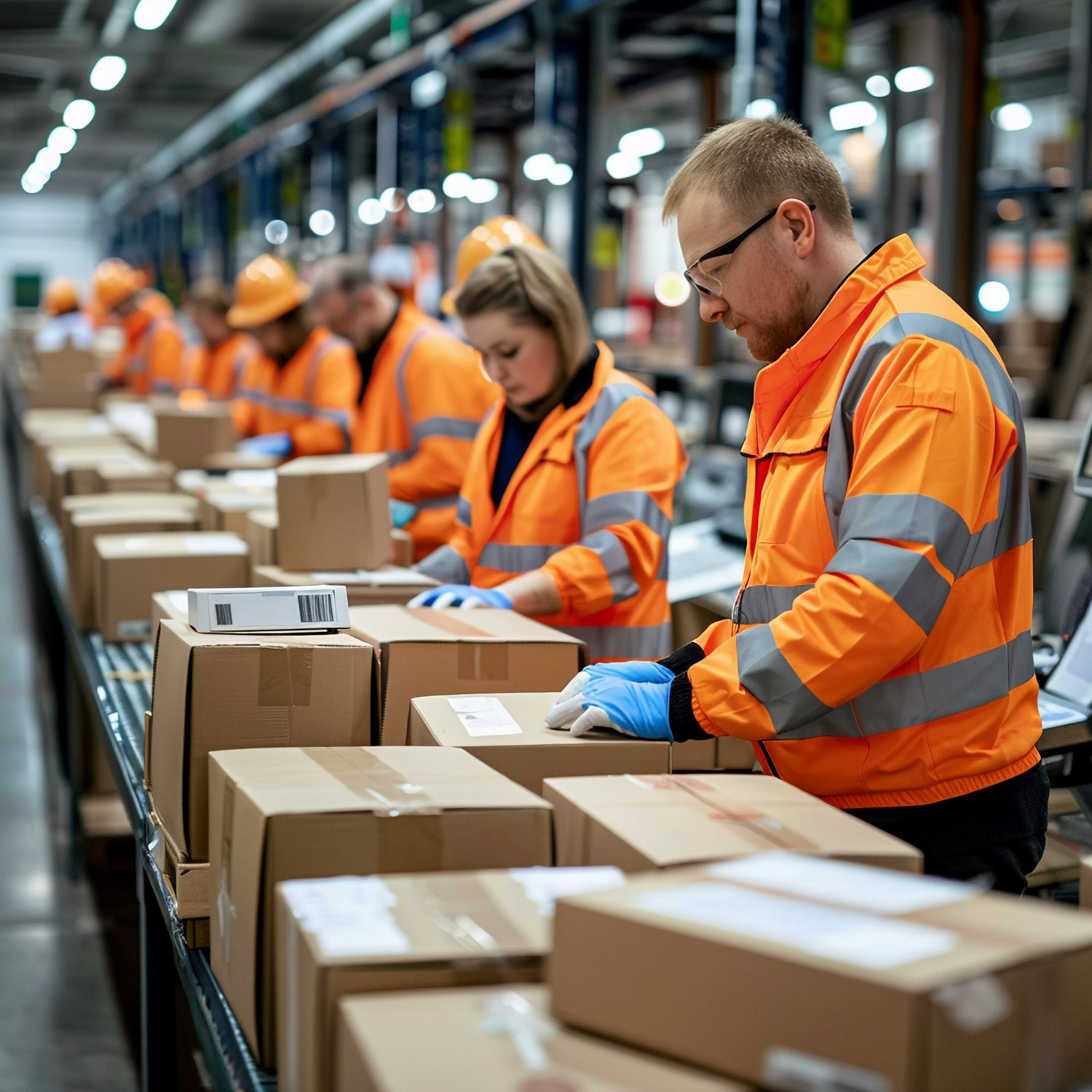
As green logistics and ESG develop, transport cost optimisation is also linked to emissions reduction. Fewer trips, fuller loads, better routes and less waiting reduce both cost and carbon. This is where financial efficiency and environmental responsibility meet.
Transport cost optimisation is not about squeezing the price of each trip. It is a system management capability. Companies need to view transport cost across the whole chain: demand forecasting, inventory, warehousing, packaging, routes, vehicles, data, contracts and customer experience.
For Vietnamese businesses, this is one of the areas with the greatest potential for improvement. Large investment is not always required. Many savings begin with specific actions: measuring waiting time, increasing fill rates, consolidating orders, standardising packaging, sharing plans earlier and using data for management. When transport cost is viewed correctly, it is no longer just something to cut at any price; it becomes a space to redesign supply chain efficiency.