

Digital customs: from faster clearance to trade competitiveness
English - Ngày đăng : 08:00, 27/07/2026
Customs clearance is no longer a standalone step
In import and export operations, businesses often see customs as a procedural step: declaration, document submission, inspection, tax payment and clearance. But in modern supply chains, clearance is no longer isolated. It is directly linked to transport planning, vessel schedules, flight schedules, warehousing, banking documents, insurance, quarantine, quality inspection, sales contracts and delivery commitments.
A shipment may be produced on time, packed correctly and booked properly, but if declaration data is wrong, HS codes are inconsistent, documents are missing, specialised inspection takes too long or information between stakeholders does not match, the whole chain can be delayed. The cost is not only demurrage or storage. It includes missed delivery schedules, delayed contracts, higher inventory, weaker reputation and lost commercial opportunities.
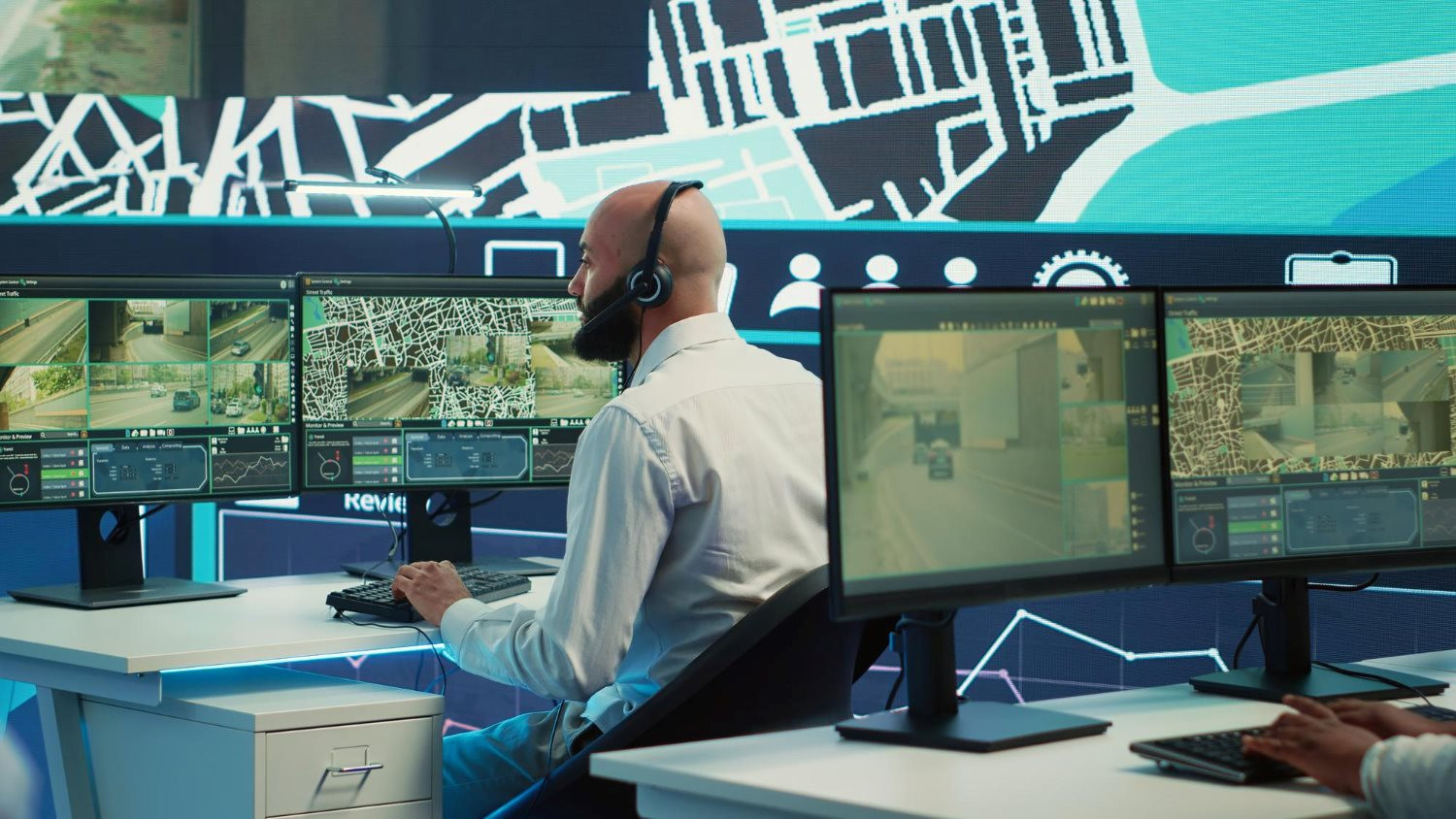
Digital customs therefore serves not only the regulatory authority. It serves the entire trade ecosystem. When data is processed quickly, transparently and based on risk management, businesses can plan better, logistics can operate more smoothly and the state can control more effectively.
From electronic files to a data ecosystem
A true digital customs system is not simply online document submission. If companies still have to enter the same data repeatedly, print paper documents for comparison, wait for manual confirmation or use multiple unconnected portals, digitalisation has only gone part of the way.
Digital customs should move toward a data ecosystem. In such an ecosystem, information from businesses, shipping lines, ports, warehouses, forwarders, banks, insurers, specialised inspection agencies and regulators can connect through common standards. Data is entered once and used many times. Documents are processed before goods arrive. Risk is channelled through data. Compliant businesses benefit from faster processes.
The key is risk management. Not every shipment needs the same level of inspection. If historical data shows that a company is compliant, the product category is low risk, documents are clear and the route is stable, the system can reduce physical inspections and focus resources on higher-risk cases. This both facilitates trade and strengthens control.
Digital customs does not only help companies “declare faster”. Its greater value lies in allowing trade data to move ahead of goods, helping companies prepare earlier, regulators analyse risk better and the entire supply chain reduce delays caused by documents, inspections and disconnected information.
Five direct benefits for businesses
The first benefit is reduced waiting time. When documents are processed earlier, data is checked in advance and information is shared among stakeholders, companies can reduce the time cargo spends at ports, airports or border gates. In logistics, waiting time is a real cost.
The second benefit is fewer document errors. Mistakes in HS codes, declared value, origin, permits, quarantine, quality inspection or bill of lading data can hold cargo. A well-designed digital system can warn of inconsistencies, compare data and reduce manual errors.
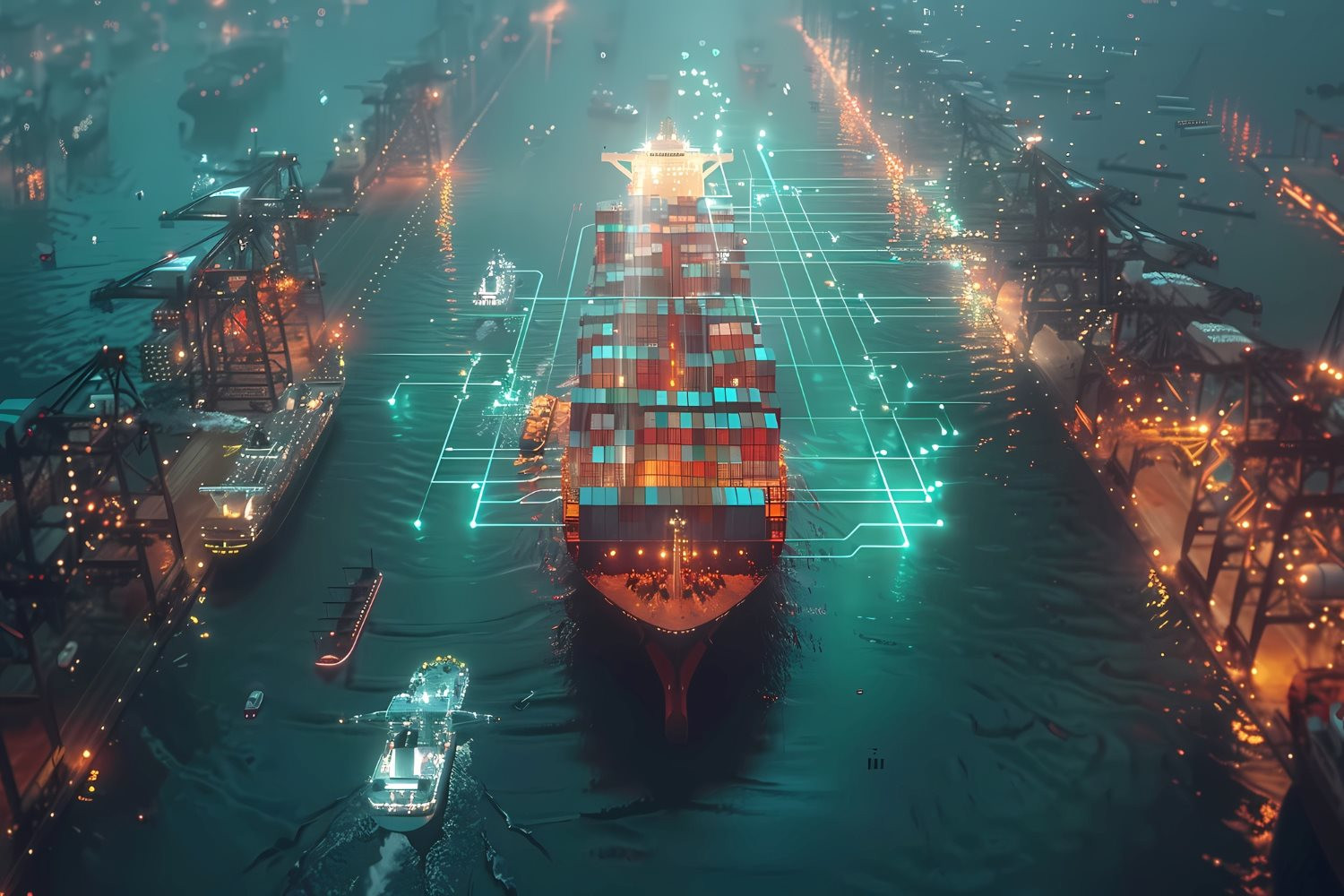
The third benefit is better predictability. When companies can see document processing status, channel classification, additional requirements, tax status and specialised inspection information, they can adjust transport, warehouse and delivery plans. This is especially important for cold-chain cargo, seasonal goods, e-commerce and manufacturing inputs.
The fourth benefit is compliance support. Digital customs creates a data history. Compliant companies can demonstrate their capability, reduce inspection risk and strengthen credibility with partners. Conversely, companies with weak practices will find it harder to hide behind fragmented documents.
The fifth benefit is connection with trade finance and electronic documents. When customs data, bills of lading, invoices, insurance and payment documents are digitalised, banks and related parties can assess transactions faster. This is a foundation for paperless trade.
The challenge is not only technology
Successful digital customs cannot rely only on software. The major challenges lie in data standards, system interoperability, business habits, staff capability, information security and coordination among regulatory agencies.
A business may submit customs declarations electronically, but if specialised inspection permits are still processed manually, the benefit is limited. A port may digitalise gate entry, but if data from shipping lines, warehouses and customs is not connected, businesses still have to reconcile manually. A system may have many functions, but if users are not trained or procedures change frequently, effectiveness will remain low.
For businesses, the challenge is also significant. Many small and medium-sized companies do not have deep expertise in customs, HS classification, origin, valuation, specialised inspections and data management. They rely heavily on agents or forwarders. This is not necessarily wrong, but if companies do not understand the principles, they cannot control risk. The more digital customs develops, the more important business data and compliance capabilities become.
Digital customs and Vietnam’s logistics
For Vietnam, digital customs should be placed within the national logistics strategy. Modern logistics cannot be built on slow clearance data, fragmented documents and disconnected inspections. Green ports, air cargo, intermodal rail, cross-border e-commerce, agricultural green lanes, eFBL and cold-chain logistics all require an effective digital clearance foundation.

This is particularly important for cross-border e-commerce, where the number of small parcels can be very large. If handled with traditional manual thinking, the system will be overloaded. Models are needed for advance data submission, automated risk channeling and risk management by seller, platform, product type, value and compliance history.
For agricultural products, digital customs must connect with quarantine, planting area codes, packing facilities, certificates of origin, cold-chain data and traceability. For industrial goods, it must connect with material management, processing trade, export manufacturing, bonded warehouses and industrial parks. Each sector has its own characteristics, but the same principle applies: data must be accurate, move early and be shared appropriately.
Digital customs is not merely procedural reform. It is a trade competitiveness capability. In an era when global supply chains run on data, countries that allow goods, documents and information to cross borders faster, more transparently and more safely will gain an advantage.
For Vietnamese companies, adapting to digital customs is not only about learning to use a new system. It is about upgrading compliance capability, standardising data, controlling documents and coordinating better with logistics. When customs data moves ahead of goods, supply chains become less blind, less delayed and less risky.