
Logistics for SMEs: from necessary cost to competitive capability
English - Ngày đăng : 08:07, 29/07/2026
SMEs are not weak in logistics because they cannot move goods
Small and medium-sized enterprises are often highly flexible in sales, customer acquisition, financing and market adaptation. But when order volumes grow, markets expand or import-export begins, logistics weaknesses quickly appear. Goods are sold but delivered late. Orders come in but warehouse capacity is insufficient. Customers require documents that the company cannot prepare in time. Transport cost changes reduce margins. Inaccurate inventory causes lost sales. Export shipments are held because of missing documents or incorrect codes.
This does not mean SMEs do not know how to transport goods. The deeper problem is that many SMEs have not treated logistics as part of business strategy. They handle logistics case by case: call a truck when there is an order, look for storage when goods arrive, ask an agent when exporting, and solve problems after incidents occur. This approach may work at a small scale, but becomes risky when the company wants to grow.
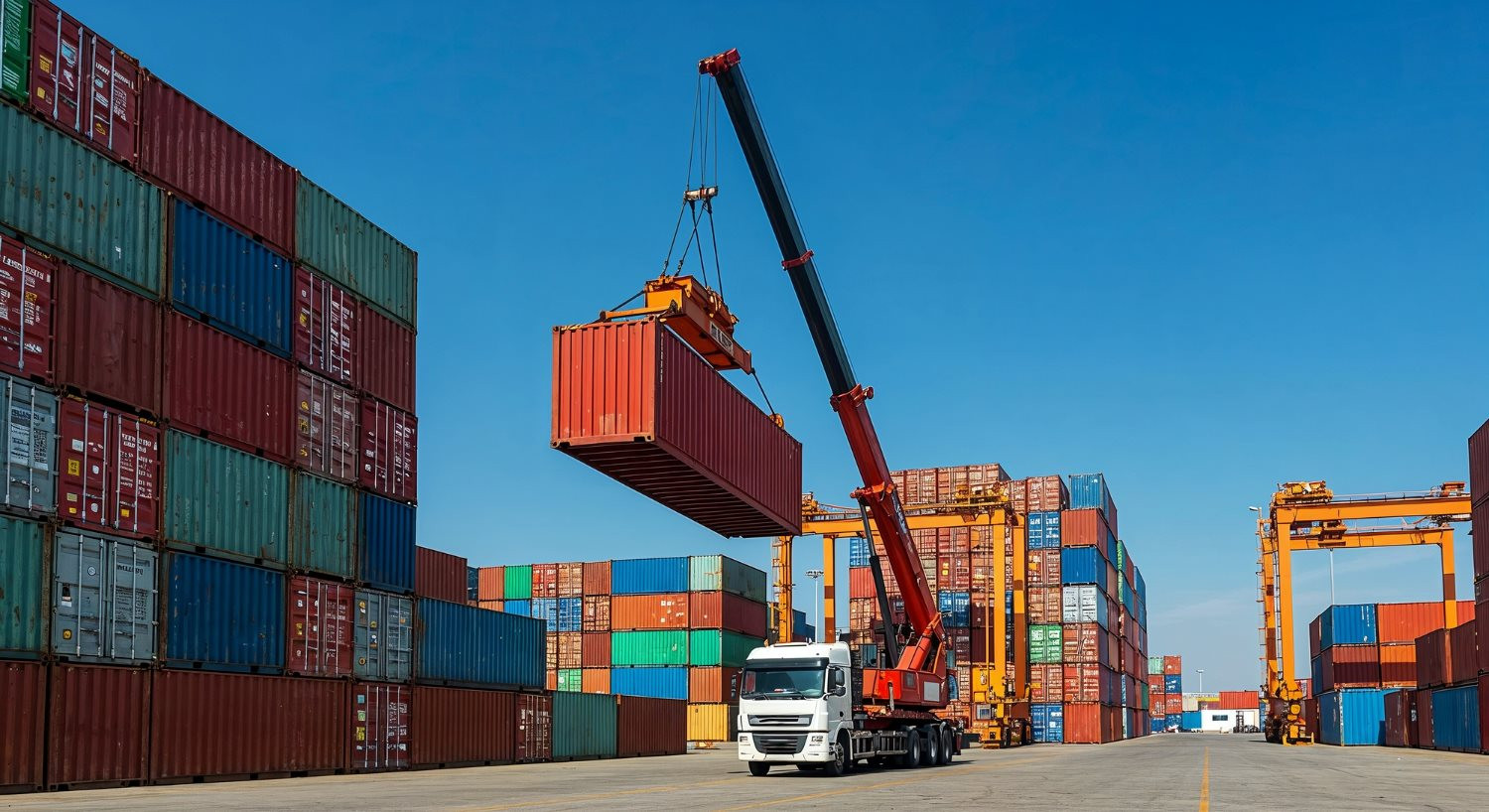
Logistics for SMEs should therefore be understood broadly: managing the flow of goods, cash, data and customer commitments. An SME does not need to own a large warehouse or a vehicle fleet, but it needs to know how to design the way goods move through the supply chain at the right time, right cost and right standard.
SME logistics costs often hide in invisible places
When asked about logistics cost, many SMEs look only at freight rates. But real costs are often hidden: excess inventory, damaged goods, repeated deliveries, poor packaging, vehicle waiting time, returns, document errors, customers lost due to late delivery, capital tied up in stock, manual coordination and management time spent on operational issues.
A company may negotiate a lower freight rate, but if deliveries are often late or tracking data is poor, it still loses customers. A company may rent a cheaper warehouse, but if the location is far from customers or inventory control is weak, total cost rises. A company may prepare export documents itself to save money, but if documents are wrong, the resulting cost can be far greater.
SMEs therefore need to move from “saving individual costs” to “optimising total logistics cost”. This total includes freight, warehousing, packaging, labour, time, inventory, risk, service quality and customer retention.
For SMEs, logistics should not begin with the question: “How can we get the cheapest transport?”. The better question is: “How can goods move correctly, data stay clear, costs remain controlled and customers receive a reliable experience?”. When SMEs answer this question, logistics becomes a competitive capability.
Five logistics capabilities SMEs need
The first capability is understanding logistics cost structure. SMEs need to know where costs arise: transport, warehousing, inventory, packaging, returns, documents, failed deliveries or incident handling. Without a cost map, companies often cut the wrong areas and underinvest in the right ones.
The second capability is inventory management. Too little inventory causes lost sales; too much inventory ties up capital. For SMEs, cash flow is critical, so inventory management must connect with sales, seasonality, warehouse capacity and replenishment time. A simple but accurate inventory sheet is better than a complex system with wrong data.
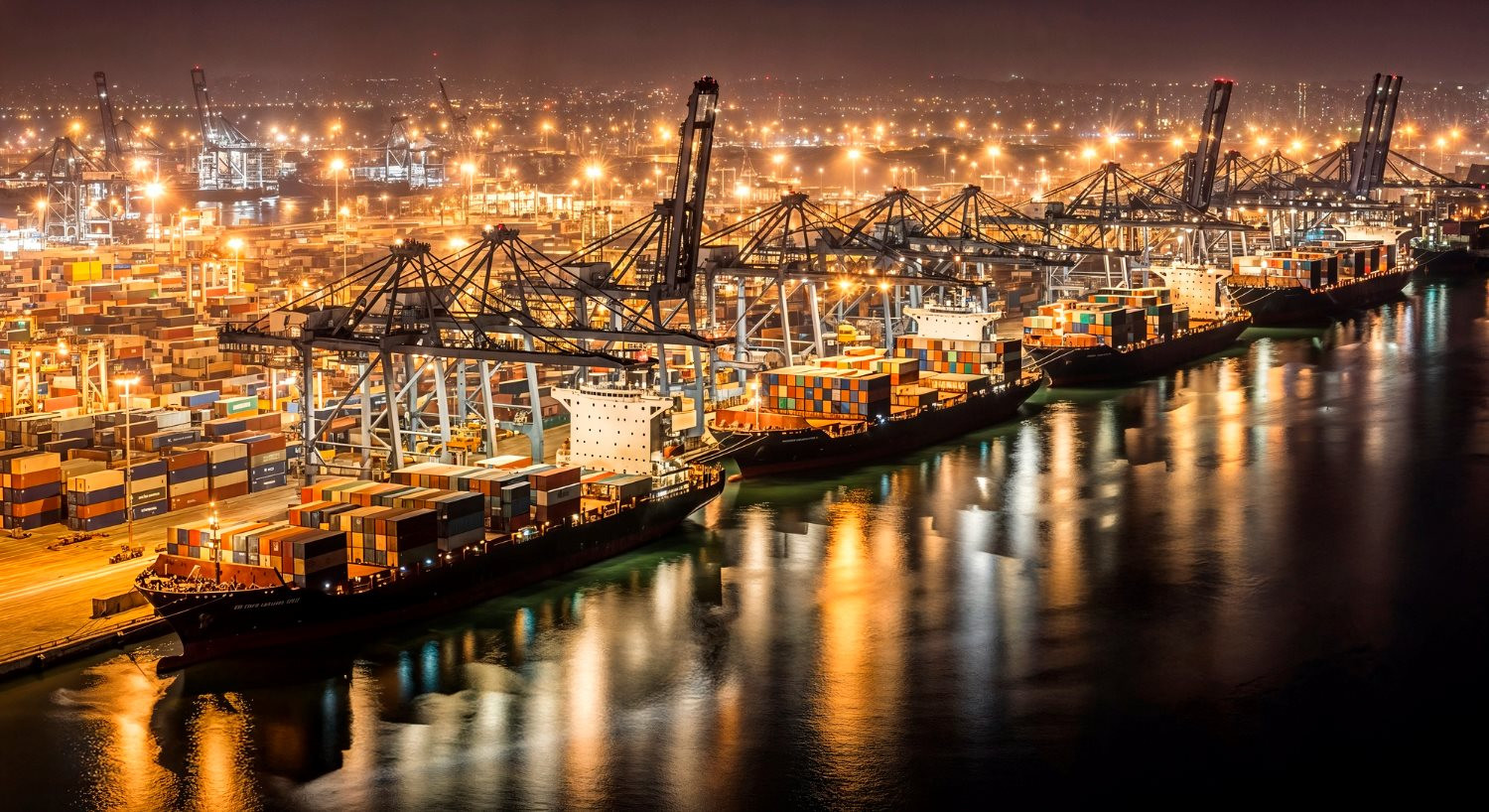
The third capability is standardising packaging and delivery. Packaging affects transport cost, damage rates, customer experience and warehouse handling. SMEs often treat packaging as minor, but in e-commerce, export, food, cosmetics, fragile goods and gift products, packaging is part of the service.
The fourth capability is understanding documents and compliance. For importing and exporting SMEs, knowledge of contracts, Incoterms, HS codes, certificates of origin, quarantine, insurance, payment and customs is important. Companies can hire forwarders, but should not delegate everything blindly. Without understanding the principles, SMEs cannot control risk.
The fifth capability is selecting and managing logistics providers. SMEs do not need to do everything themselves. What matters is choosing the right partners: transport providers, warehouses, fulfilment centres, customs brokers, international forwarders, cold-chain providers or logistics consultants. But the right choice should not be based only on price. Data capability, on-time performance, incident handling, cost transparency and product fit matter.
Logistics helps SMEs move further into supply chains
SMEs that want to join the supply chains of large companies or international markets must meet higher requirements: on-time delivery, stable quality, complete documents, clear traceability, fast response, transparent cost and resilience when incidents occur. These are all logistics requirements.
A small manufacturer may have good products, but if it cannot deliver on time to a major factory, it will struggle to become a long-term supplier. An agricultural producer may have strong growing areas, but without post-harvest control, cold chains and proper documents, it cannot enter premium markets. An e-commerce brand may have popular products, but if delivery is unstable, it will struggle to keep customers.
Logistics is therefore the bridge between production capability and market capability. SMEs that upgrade logistics can sell farther, sell more consistently and participate in higher-value chains.
The role of associations, platforms and support policies
SMEs cannot easily build logistics capability without support. Industry associations can play an important role by providing knowledge, checklists, service provider connections, document training, policy updates and practical experience sharing.
Logistics platforms can also help SMEs access better services: truck booking, warehouse rental, order management, fulfilment, customs, insurance, international transport, price comparison and shipment tracking. However, platforms work best when SMEs understand their own data: product type, weight, dimensions, frequency, delivery areas, seasonality, storage requirements and desired service levels.
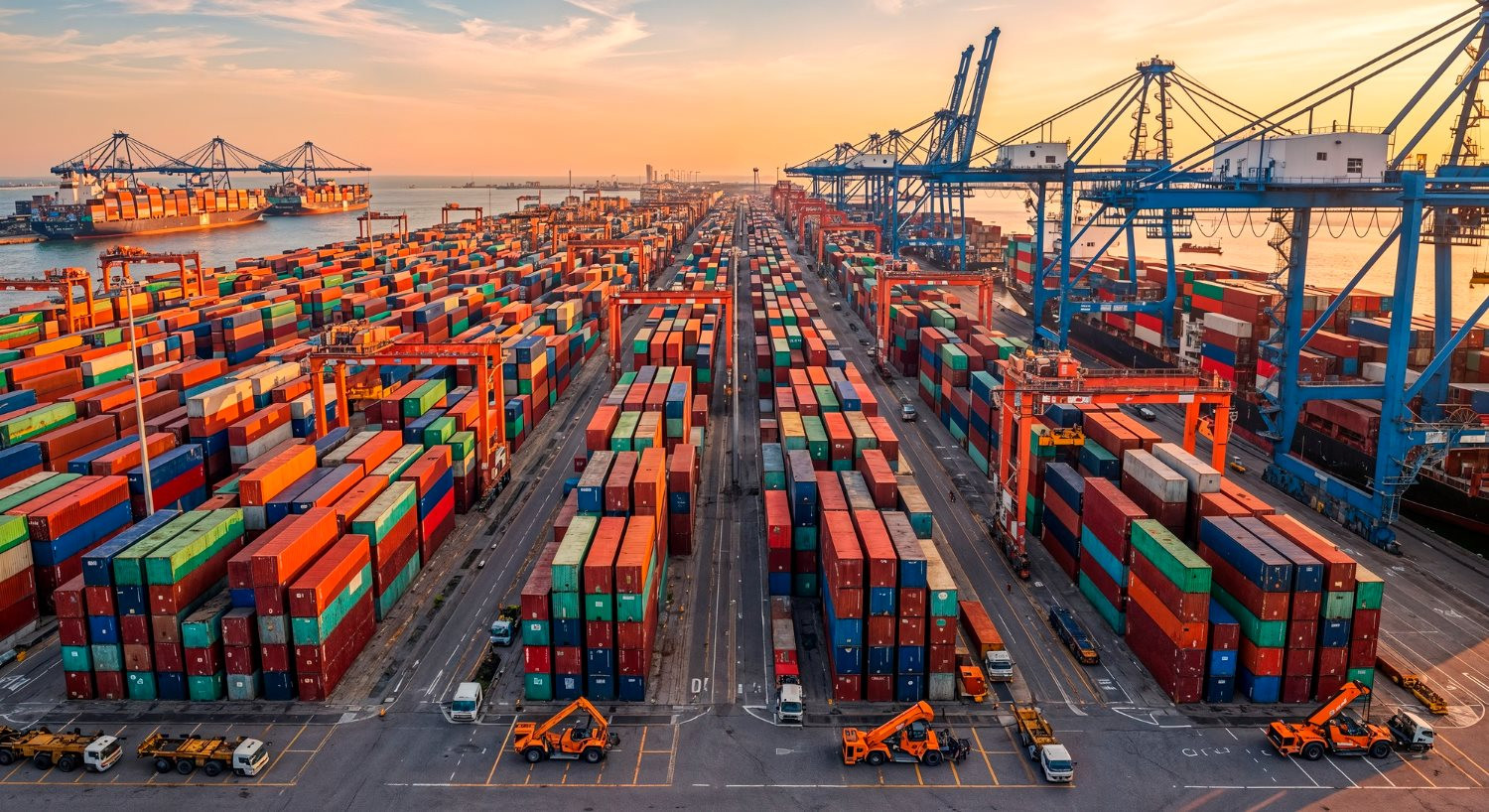
SME support policies should also treat logistics as a key topic. Financial support, digital transformation, trade promotion and training will be more effective when combined with logistics support: shared warehouses, distribution centres, regional cold chains, export consulting, Incoterms training, digital customs and order management.
Logistics is not a large-company issue only. For SMEs, it is even more important because each mistake can directly affect cash flow, customers and growth. Small businesses do not necessarily need large investments, but they must begin with the right mindset: understanding costs, data, processes, partners and performance.
In the new phase, Vietnamese SMEs cannot grow only by selling better. They need to deliver better, manage inventory better, prove quality better and connect with supply chains better. When logistics is treated as a competitive capability, SMEs gain another gateway to wider markets.