

BSR Sets New Records Through Agile Management
English - Ngày đăng : 09:53, 27/07/2026
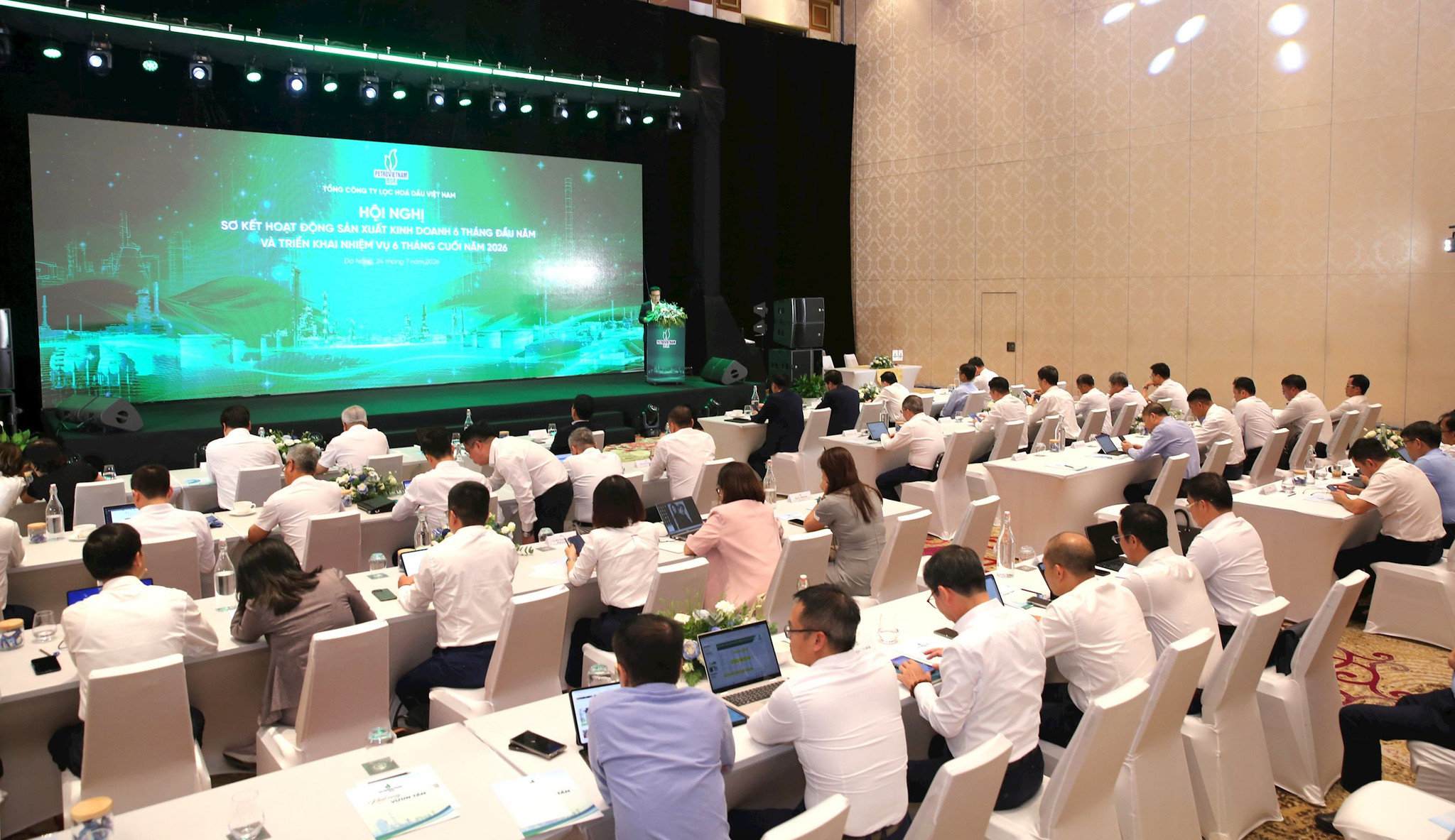
Record Performance in a Volatile Market
The first half of 2026 was exceptionally uncertain for the energy industry. Conflict in the Middle East, potential disruption through the Strait of Hormuz, higher logistics and marine-insurance costs, and a strong USD/VND exchange rate placed pressure on crude imports and production planning. Wide oil-price swings and the prospect of oversupply at certain periods made operating decisions increasingly complex.
BSR responded by shifting from reactive management to scenario-based control. Immediately after international tensions escalated, the company established a task force led directly by the Chief Executive Officer, monitored the market around the clock and continuously updated 15 short-, medium- and long-term operating scenarios. These scenarios guided adjustments to crude selection, production, sales, inventories and cash flow.
Through flexible operations, system-wide equivalent throughput reached a record 124%. Production exceeded 4.05 million tonnes and sales surpassed 4.03 million tonnes, both above plan. Consolidated revenue was estimated at VND 100.922 trillion, 1.45 times the level recorded in the first half of 2025, while state-budget contributions reached VND 5.871 trillion. These were BSR’s strongest half-year results since the refinery entered operation.
BSR produced more than 4.05 million tonnes and sold over 4.03 million tonnes of products. Consolidated revenue was estimated at VND 100.922 trillion, 1.45 times the first-half 2025 figure, while state-budget contributions reached VND 5.871 trillion. System-wide equivalent throughput hit a record 124%, demonstrating BSR’s ability to capture market opportunities and operate flexibly under pressure.
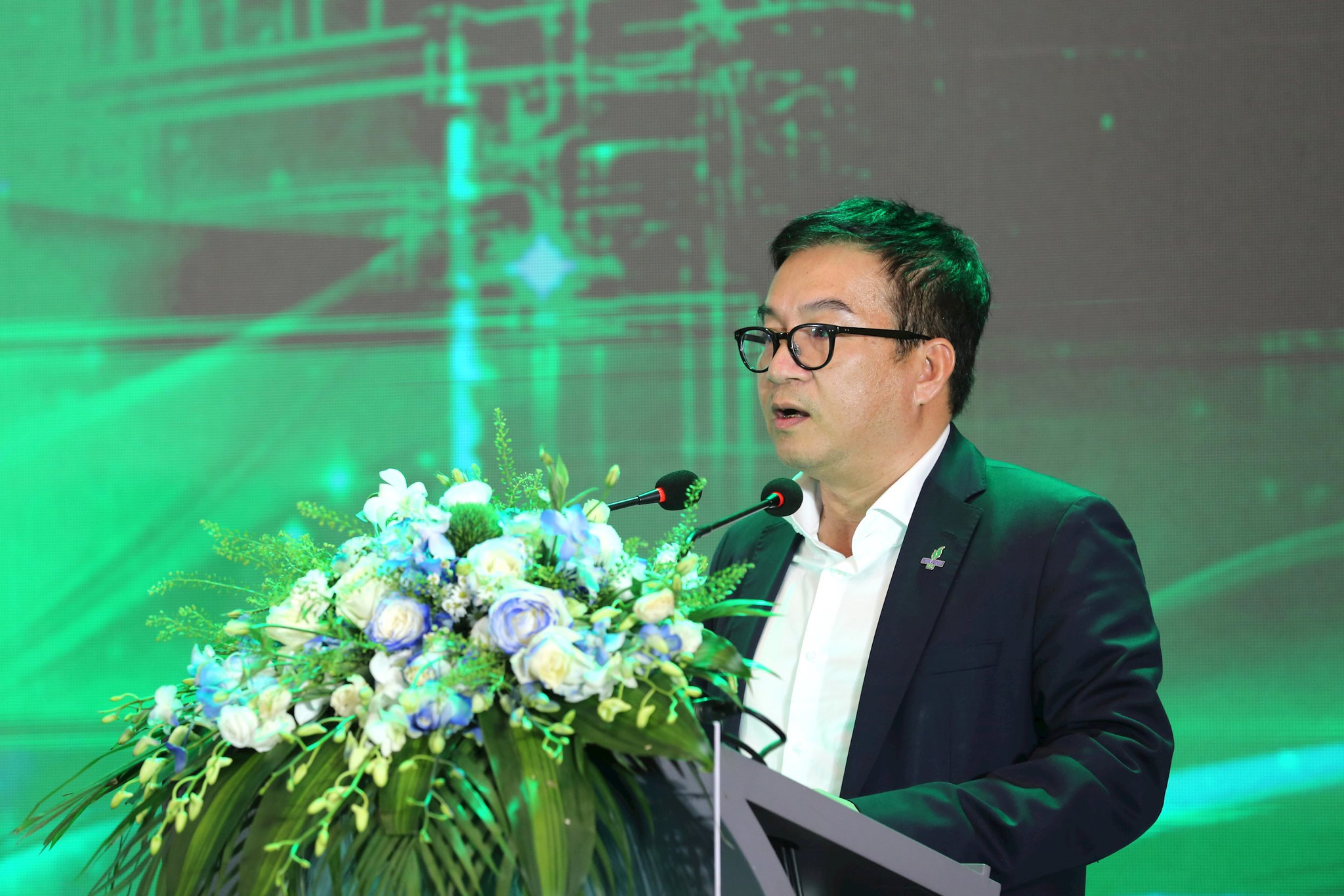
Optimizing Supply Chains, Products and Operations
Behind the growth figures was a coordinated series of management decisions. BSR optimized its crude slate, secured sufficient feedstock for high-throughput operations and adjusted the product portfolio in line with market signals. Output of Jet A-1, diesel and other higher-value products was increased at the right time, improving the value recovered from each barrel of crude.
Crude scheduling, product dispatch and inventory management were closely aligned with price movements and demand. Expanded processing outside the refinery added output without placing equivalent pressure on the existing configuration. Flexible management and cost-optimization measures contributed approximately VND 1.261 trillion in revenue.
The results also underline the value of integration across the Petrovietnam chain, from exploration and production to transportation, refining and distribution. When imported crude supplies faced disruption risk, coordination among member units gave BSR greater control over feedstock, logistics, markets and sales plans. Enterprise-level adaptability was thereby reinforced by the resilience of the wider energy ecosystem.

More than 1,600 employees, engineers and workers were also central to the achievement. Every shift was maintained under strict discipline, process parameters were continuously controlled and decisions were taken at the right time. At high throughput, requirements for safety, equipment reliability, product quality and coordination become more demanding; the production record is therefore also evidence of operational-management quality.
BSR developed and continuously updated 15 operating scenarios, monitored the market 24/7, and optimized crude selection, throughput, product mix, inventories, cash flow and price risk. Flexible operating measures, cost savings and expanded external processing contributed approximately VND 1.261 trillion in revenue, turning rapid response into a measurable competitive advantage.
Turning Short-Term Success into Sustainable Growth
The record first half provides a strong foundation, but does not reduce the pressure on the remainder of the year. Oil markets remain difficult to forecast, transport and equipment costs may continue to fluctuate, and regional competition is intensifying. BSR must therefore sustain safe, stable and optimized refinery operations while maintaining reliable petroleum-product supply to the domestic market.
Another priority is accelerating the Dung Quat Refinery Expansion and Upgrade Project following the signing of the EPC contract. The project will raise capacity from 148,000 to 171,000 barrels per day, improve crude flexibility and enable Euro V-standard fuels. It will also improve energy efficiency and support deeper participation in petrochemical value chains.
BSR is advancing new products including E10 gasoline, biofuels, sustainable aviation fuel and petrochemicals. Its natural-gas purchase agreement with PV GAS D also creates an option to replace part of the refinery’s internal fuel use, reduce emissions and prepare gas supply for the upgraded plant. These moves are necessary to convert operational success into long-term growth capacity.
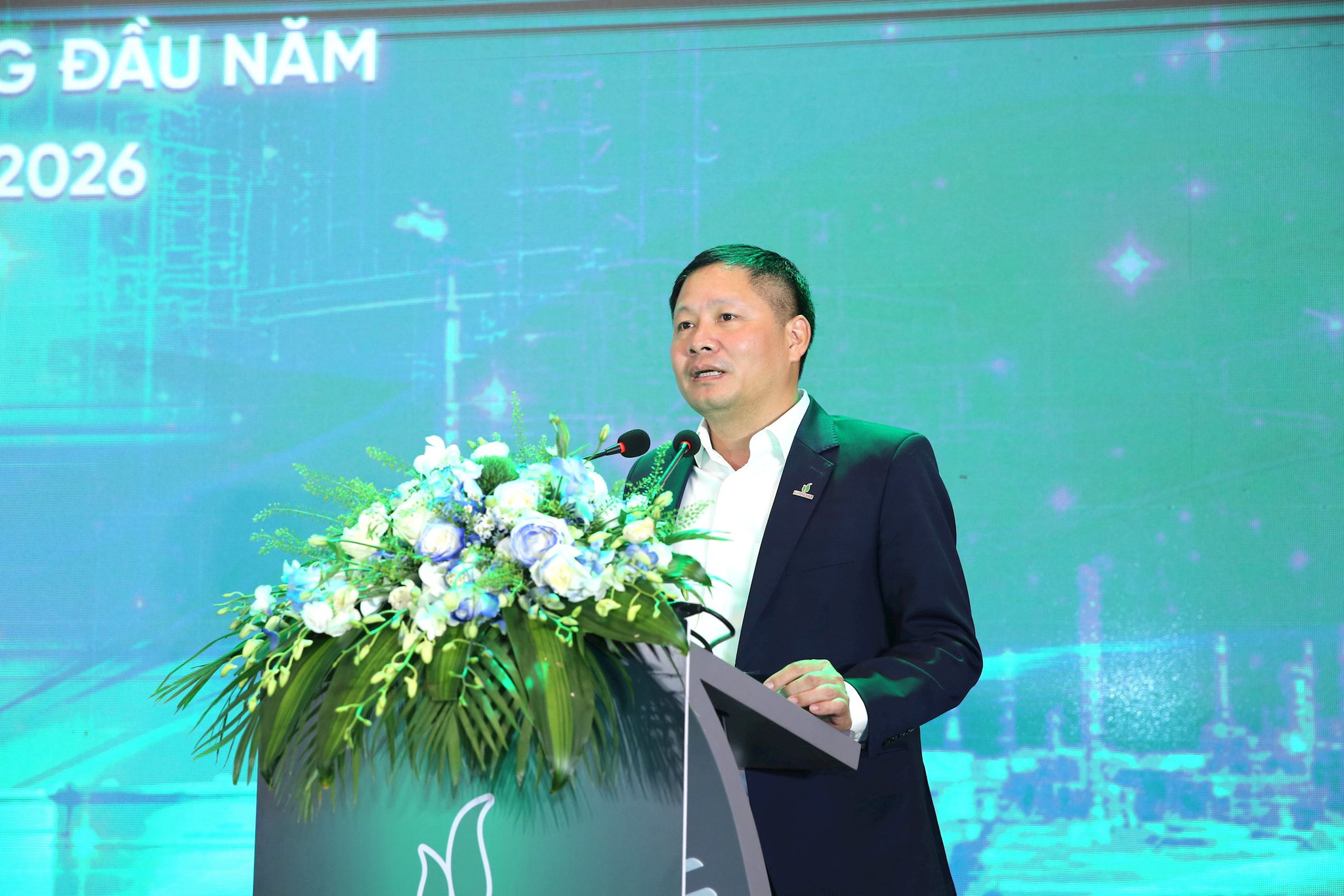
Digital transformation is another pillar. AI, digital twins, predictive maintenance and 3D printing are being oriented toward operations, maintenance and corporate management. Real-time data can help identify risks early, reduce downtime, optimize inventories and improve energy efficiency. Technology therefore changes not only production methods but also the quality of management decisions.
BSR’s record first half of 2026 shows how market volatility can be converted into opportunity through proactive management, operating discipline and value-chain coordination. Its broader significance lies in sustaining the flow of petroleum products to the economy during uncertainty. By linking short-term efficiency with deeper investment, green products and digital management, BSR can strengthen both corporate competitiveness and a key pillar of Vietnam’s national energy security.