

Dry ports and ICDs: the missing nodes in Vietnam’s multimodal logistics
English - Ngày đăng : 08:24, 03/08/2026
Seaport development needs strong logistics hinterlands
Vietnam has strong maritime advantages, especially through major port clusters such as Hai Phong - Lach Huyen, Cai Mep - Thi Vai, Ho Chi Minh City, Da Nang, Quy Nhon and ports in the Mekong Delta. However, seaport capability is not measured only by channel depth, berth numbers, quay cranes or container throughput. A strong seaport needs a strong logistics hinterland.
This hinterland includes industrial parks, distribution centres, bonded warehouses, roads, railways, inland waterways, dry ports, ICDs and connecting services. If goods from factories to ports rely mainly on congested road transport, if containers wait too long near ports, if procedures are concentrated at seaports and if there are few inland consolidation points, logistics costs rise and seaport advantages weaken.
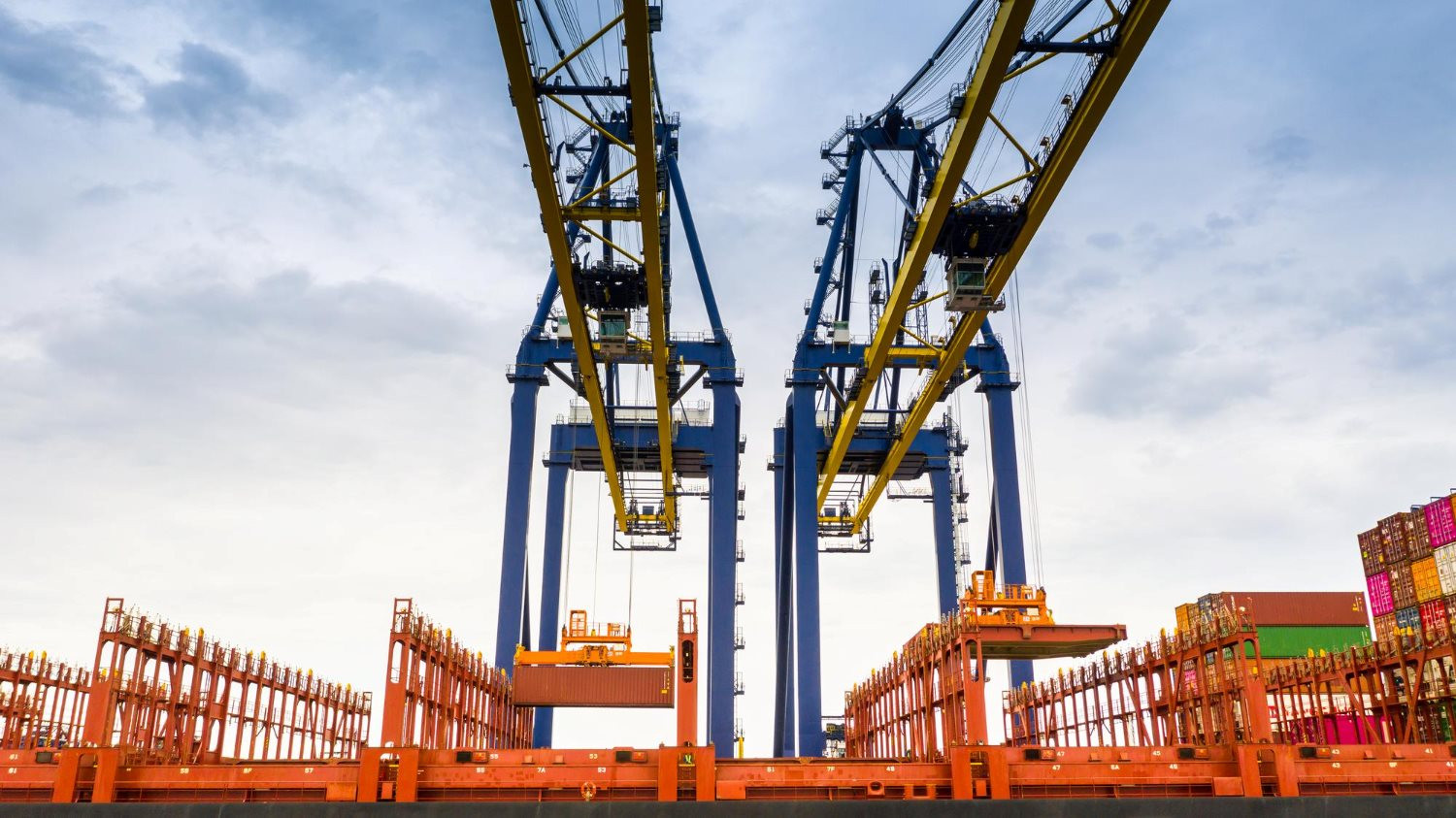
Dry ports and ICDs are designed to address this challenge. They are inland connection points that can perform many functions: container staging, customs clearance, warehousing, cargo consolidation and deconsolidation, specialised inspection, connection between road, rail and inland waterways, and logistics services near production zones. In other words, dry ports extend the reach of seaports into the interior.
An ICD is not just a container yard
A limited understanding is to see ICDs only as container storage yards. If they only serve as storage areas, their impact is limited. A modern ICD must be an integrated logistics centre capable of handling cargo flows, document flows and data flows.
A good ICD should meet multiple needs. Businesses can bring goods there for clearance, stuffing and stripping, LCL consolidation, warehousing, inspection, seaport connection, rail transport, road transport or transfer to inland waterways. Customs can manage risk and process documents before goods reach the seaport. Shipping lines, forwarders and carriers can organise container flows more efficiently. Seaports can reduce yard pressure and gate congestion.
The value of ICDs lies in reducing the final bottleneck before seaports. If every container must move into the port area for procedures, storage, vessel scheduling and truck coordination, seaports face heavy pressure. If part of these functions is distributed to ICDs, the system becomes more flexible.
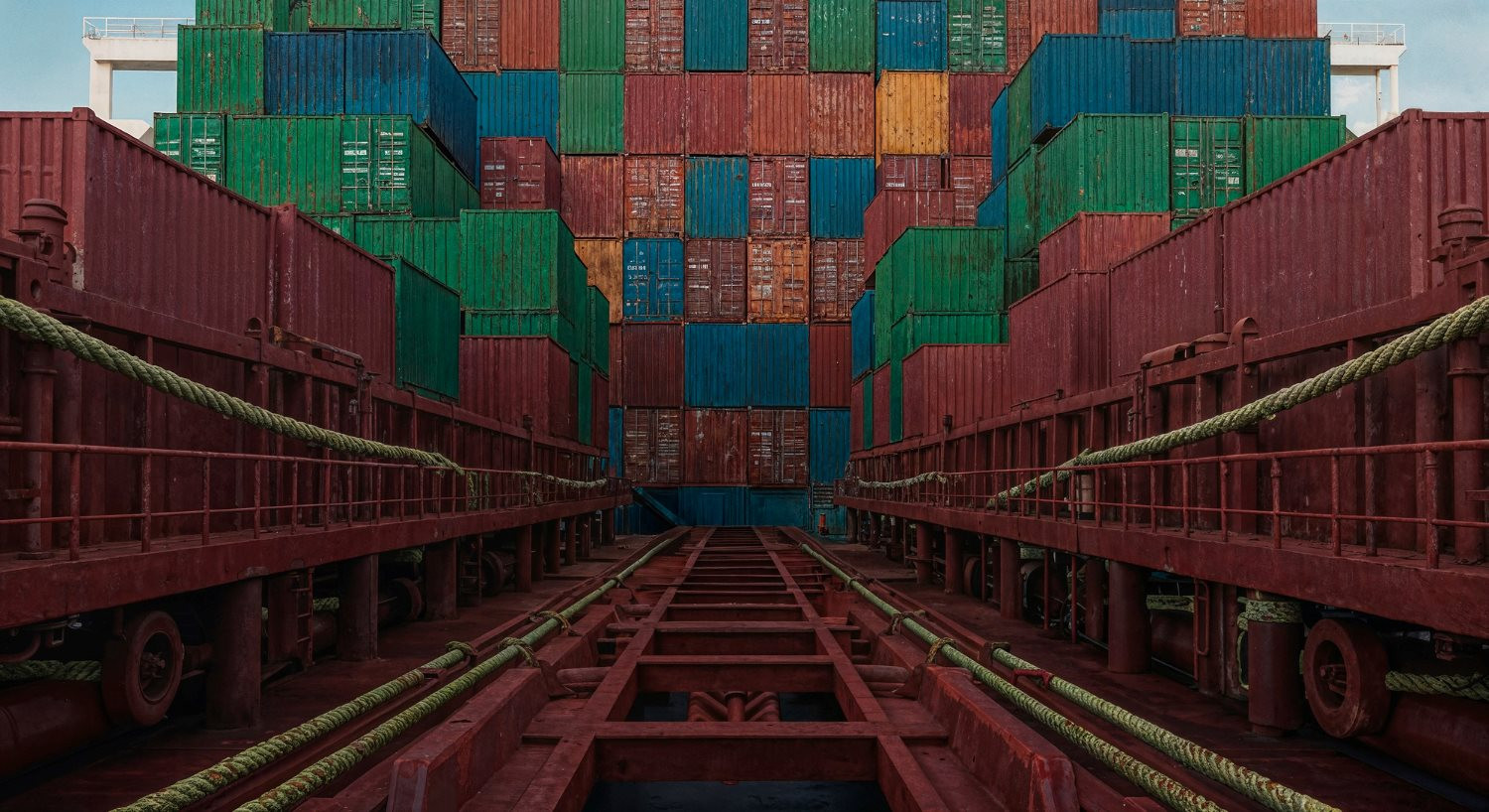
An ICD should not be understood simply as an inland container yard. A true ICD is a multimodal logistics node: consolidating cargo, handling procedures, connecting transport modes, sharing data, reducing seaport pressure and bringing port services closer to production areas.
Three strategic roles of dry ports
The first role is reducing logistics costs. When ICDs are located near production zones or industrial parks, companies can shorten fragmented transport movements, consolidate cargo better, reduce empty trips, cut waiting time at ports and optimise transport schedules. If ICDs are connected to rail or inland waterways, costs per container can improve significantly on suitable routes.
The second role is promoting multimodal transport. One weakness of Vietnamese logistics is heavy dependence on road transport. Road transport is flexible, but when volumes rise, costs, congestion, emissions and delay risks also increase. Dry ports can become transfer points between road, rail and inland waterways, helping create a more balanced transport system.
The third role is improving clearance and data management. If ICDs are integrated with digital customs, e-port systems, shipping lines, forwarders and businesses, cargo data can be processed earlier. This is especially important for export cargo that must meet vessel schedules, imports that must move quickly into factories, cold-chain cargo that needs reduced waiting time and e-commerce cargo that requires large-scale processing.
Dry ports must be linked to regional planning
An ICD cannot work effectively if it is placed in the wrong location. Its location must connect with cargo sources, industrial parks, transport corridors, seaports, border gates, rail stations, inland waterways and consumption centres. If an ICD is far from cargo sources or lacks connectivity, it becomes merely an additional transfer yard that increases cost.
Dry port planning must therefore go together with regional economic planning and logistics network design. Northern Vietnam needs ICDs that connect industrial parks with Hai Phong - Lach Huyen, northern border gates and intermodal rail. Southern Vietnam needs ICDs linking production zones in Ho Chi Minh City, Dong Nai, Binh Duong, Tay Ninh and Ba Ria - Vung Tau with Cai Mep - Thi Vai, Ho Chi Minh City ports, inland waterways and the future Long Thanh airport. The Mekong Delta needs logistics points linked to agriculture, seafood, cold chains, waterways and deep-water seaport exports.
The key is to avoid developing ICDs as a trend. Every locality may want a logistics centre, but without cargo volume, connectivity and services, investment becomes fragmented. It is necessary to define which ICDs are strategic nodes, which serve production zones, which serve border gates, which support seaports, and which are focused on e-commerce or cold-chain logistics.
Data is the condition for ICDs to become smart nodes
In the new phase, ICDs cannot operate only through gates, yards and paper documents. They must become data nodes. Businesses need to know where containers are, whether clearance has been completed, whether vessel schedules are confirmed, which truck will pick up goods, seal status, charges, waiting time and estimated emissions.

If an ICD has strong digital systems, it can coordinate with seaports, customs, shipping lines, forwarders, carriers and cargo owners. At that point, goods are not only transshipped; they are orchestrated. This is the difference between a traditional container yard and a smart dry port.
Data also helps ICDs support green logistics. When routes, vehicles, load factors, waiting times and empty trips are known, ICDs can help reduce emissions in inland transport. When connected to rail or waterways, they can support modal shift toward more sustainable transport.
Dry ports and ICDs are important links in Vietnam’s multimodal logistics development. If seaports are the gateways to the world, ICDs are the inland gateways that move goods from production zones to global trade networks more efficiently.
For Vietnam, developing ICDs is not simply about building more container yards. It is about building smart logistics nodes with connectivity, data, services and clear roles in regional planning. When dry ports are properly organised, cargo will no longer be overloaded at a few major gateways, logistics costs can decline, multimodal transport can grow and Vietnam’s supply chains will become more flexible.