
Digital twins in supply chains: when businesses need to “see the future” before deciding
English - Ngày đăng : 08:27, 08/08/2026
From static maps to living supply chain models
Every company has a “map” of its supply chain: where suppliers are, where factories are located, where warehouses sit, which routes goods take and where customers receive them. But in many cases, that map is static, fragmented and based heavily on experience. When an incident occurs, companies begin asking: where is the cargo, how much inventory remains, which route is affected, how costs change and whether alternatives exist.
Digital twins take this thinking to another level. Instead of merely describing the supply chain, companies create a digital replica that can reflect operating status, update data and simulate scenarios. This digital replica may include factories, warehouses, ports, transport routes, inventory, orders, vehicles, suppliers, lead times, costs, emissions and operational constraints.
The value of a digital twin is not in creating a beautiful model on a screen. Its value lies in the ability to ask: what happens if Port A is congested for three days? Which warehouse becomes overloaded if demand rises by 20%? How do cost and emissions change if road transport shifts to waterways? Which production line is affected if a supplier is late? Where should inventory be placed if delivery within 24 hours is required?
In other words, digital twins help companies move from reactive management to simulation-based management.
Why does logistics need digital twins?
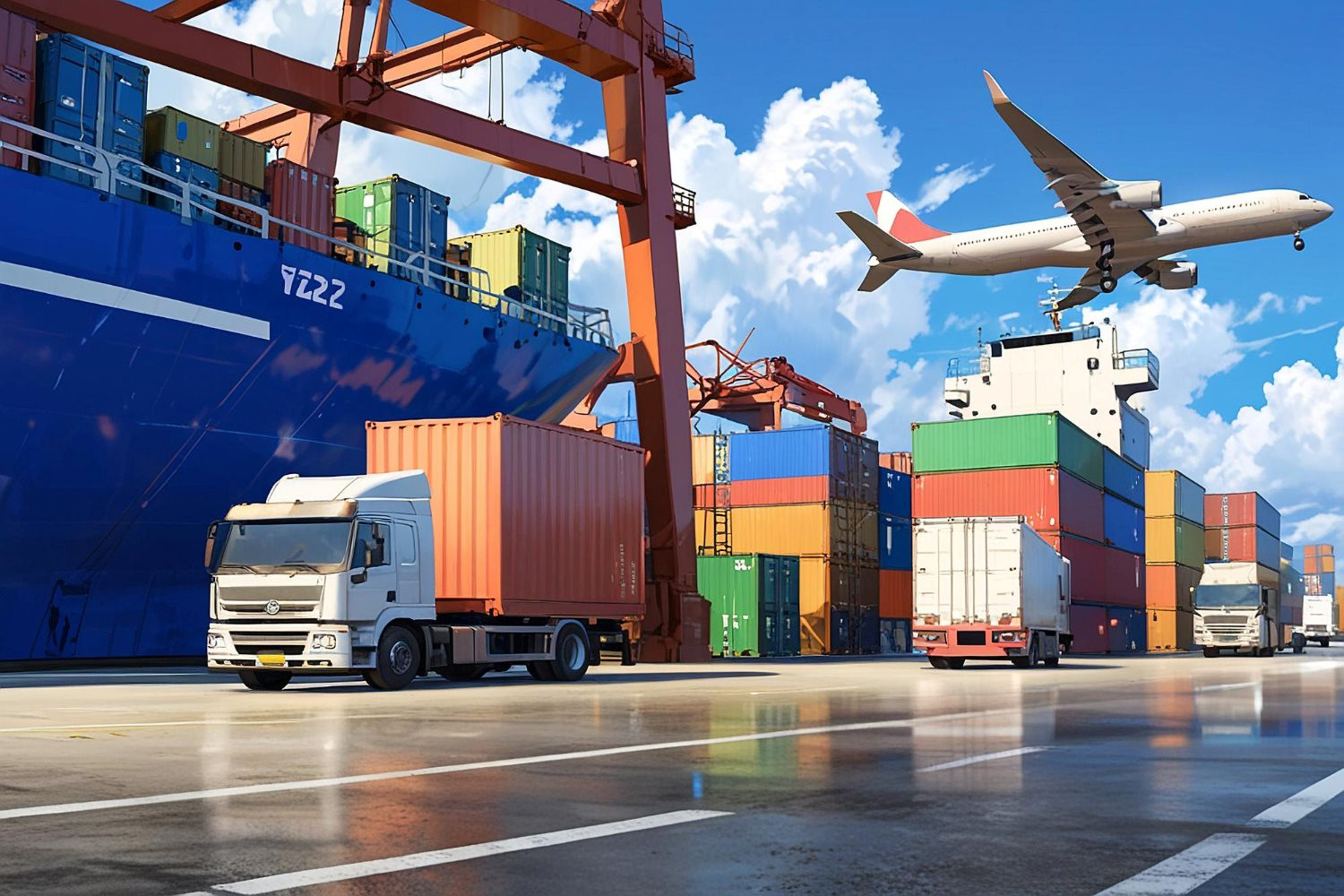
Modern logistics has too many variables. Demand changes quickly. Freight rates fluctuate. Ports may become congested. Roads may be blocked. Warehouses may be overloaded. Suppliers may be delayed. Customers may reschedule. Border rules may change. Weather may affect transport. A small decision in the chain can create a ripple effect.
If companies rely only on spreadsheets or personal experience, they struggle to assess the full impact. Digital twins connect multiple data sources to create an operating model that can be tested. Companies can then learn before real incidents force them to pay the price.
For example, a retailer can simulate peak-season demand to know which warehouse needs additional labour. An exporter can simulate alternative routes when a seaport is congested. A manufacturer can assess the cash-flow impact of increasing safety stock. A logistics company can test multiple vehicle allocation plans before finalising dispatch.
A digital twin is not technology for “decorating” the supply chain. It is a tool that helps companies make mistakes in a digital environment before paying for them in the real one. In logistics, scenario simulation is increasingly important as risks, costs and speed requirements all rise.
Four application levels of digital twins
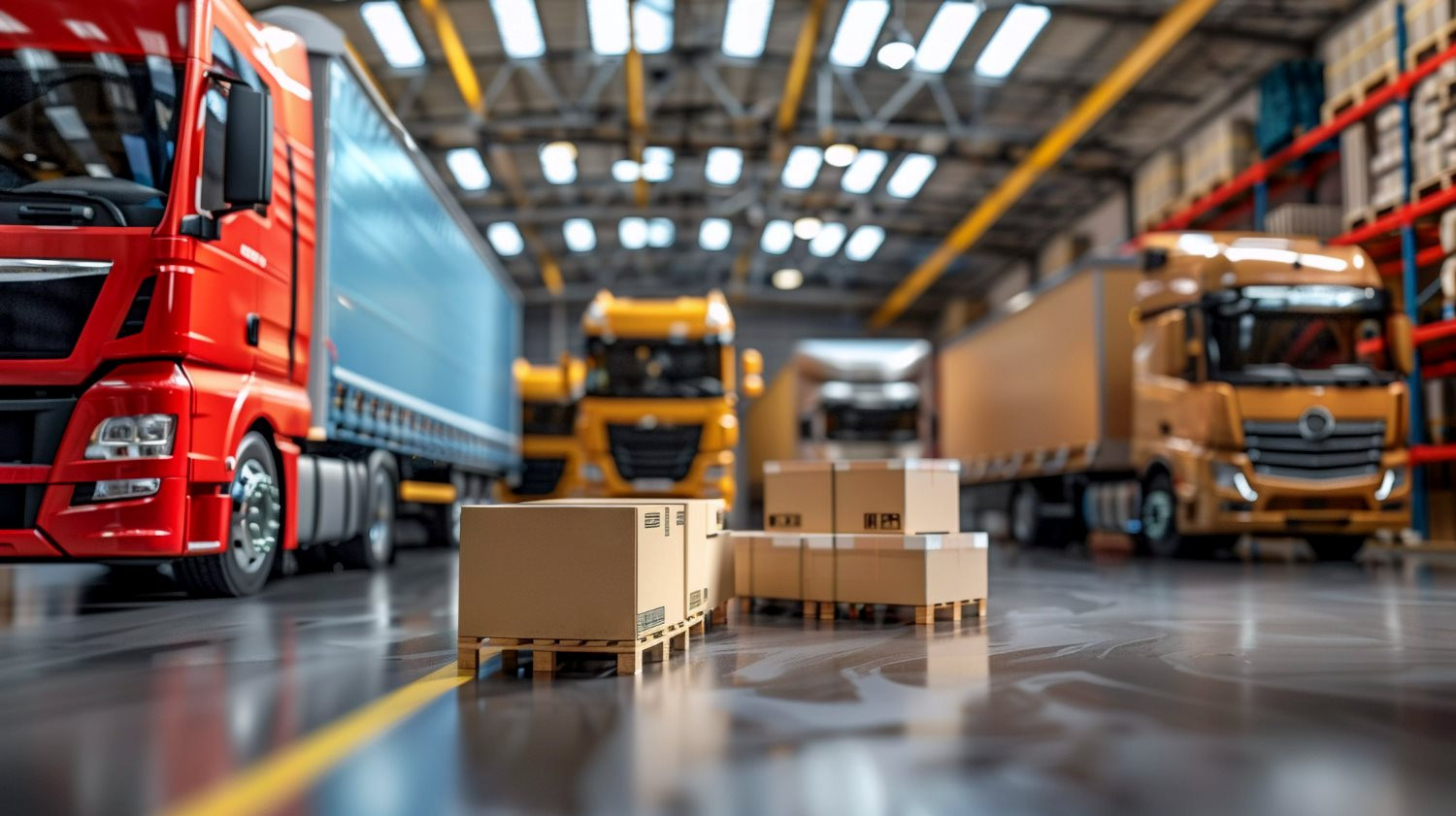
The first level is warehouse digital twins. Companies can simulate warehouse layouts, SKU locations, picking flows, labour productivity, conveyor capacity, robots, packing zones, return areas and peak-season bottlenecks. This is especially useful for e-commerce fulfilment, omnichannel retail warehouses and high-SKU operations.
The second level is transport digital twins. Models can simulate routes, delivery points, vehicle capacity, waiting time, fuel cost, emissions, empty running and the impact of delivery schedule changes. In urban last-mile delivery, digital twins can help assess micro-fulfilment locations, transfer points or lockers.

The third level is logistics network digital twins. Companies can simulate warehouses, ports, ICDs, distribution centres, factories, suppliers and customers to decide where inventory should be placed, which routes to use, where to open new warehouses or which nodes should be closed.
The fourth level is supply chain risk digital twins. This is more strategic, helping companies test scenarios such as port disruption, material shortages, freight rate increases, tax changes, carbon requirements, natural disasters, geopolitical conflict or demand shifts.
Data is the foundation of digital twins
Without data, a digital twin is only an assumption model. A valuable digital replica needs reliable data: inventory, orders, transport routes, processing times, costs, warehouse capacity, vehicle capacity, vessel schedules, flight schedules, clearance times, customer data, supplier data, emissions data and incident data.
This is where many Vietnamese companies need caution. If operational data is fragmented, manually entered, unstandardised and not updated on time, digital twins cannot create strong value. Companies should begin with small models: one warehouse, one transport route, one product group or one distribution region. As data quality improves, the model can expand.
A suitable approach is gradual. First, companies map the current supply chain. Then they standardise key data. Next, they select a specific problem: reducing inventory, optimising routes, designing warehouses, lowering last-mile costs, assessing distribution centre locations. Once the model creates value, it can expand across the chain.
Digital twins and AI: a pair for predictive management
Digital twins become stronger when combined with AI. Digital twins create the operating model; AI helps identify patterns, forecast, recommend options and optimise decisions. A system can forecast demand, simulate impact, recommend replenishment, warn of risk and assess cost-emissions trade-offs for each option.
However, AI and digital twins do not replace managers. They provide better visibility for managers to decide. Humans still need to ask the right questions, define constraints, understand market context and balance customer, strategy and non-quantifiable risks.
At the national level, digital twin thinking can also be applied to regional logistics planning: simulating cargo flows, ports, ICDs, roads, railways, waterways, cold storage, industrial parks and consumption centres. With good data, policymakers can assess the impact of infrastructure projects before investing.
Opportunities for Vietnam
For Vietnamese companies, digital twins do not need to begin with highly complex systems. Immediate opportunities lie in problems with clear value: optimising e-commerce warehouses, simulating urban delivery routes, assessing regional warehouse locations, optimising agricultural cold chains, modelling port congestion scenarios, calculating regional logistics costs or assessing transport emissions.
Logistics companies can offer digital twins as consulting services: network analysis, route simulation, warehouse optimisation, fulfilment design, carbon assessment and risk scenarios. This is a higher-value service direction compared with ordinary transport.
The important point is not to over-glorify technology. A digital twin cannot fix weak data, unclear processes or poor organisational coordination. But if implemented properly, it helps companies see the supply chain as a dynamic system, not a collection of isolated incidents.
In a volatile logistics world, companies cannot learn only from incidents that have already happened. They need to test scenarios earlier, see bottlenecks earlier and assess impacts earlier. Digital twins provide that capability.
For Vietnam, digital twins can become an important tool for upgrading supply chain management, from companies to regional planning. But the starting point is not expensive software. It is accurate data, clear processes, specific management questions and the determination to shift from reaction to prediction. When companies can see the future more clearly in a digital model, they can make more confident decisions in the real world.