
Nearshoring and friend-shoring: what opportunities for Vietnam’s logistics?
English - Ngày đăng : 08:33, 11/08/2026
Supply chain restructuring is no longer a slogan
For many years, global supply chains operated under a cost-optimisation logic: produce where it is cheaper, transport through global networks and sell to consumer markets. But recent shocks - the pandemic, trade tensions, geopolitical conflict, maritime disruption, energy volatility, carbon requirements and new industrial policies - have forced international companies to recalculate.
Nearshoring means moving production or supply closer to end markets. Friend-shoring means prioritising partners in countries with more reliable political, trade or strategic relationships. China+1 means diversifying away from excessive dependence on one production base. Different terms, but a common logic: supply chains no longer ask only “where is it cheapest?”, but also “where is it safer, more flexible and better able to manage risk?”.
DHL’s Global Connectedness Report 2026 notes that supply chains are still extending, with traded goods crossing the longest average distances ever recorded, although recent U.S. tariff increases may temper part of this trend. This suggests that globalisation is not disappearing, but becoming more complex in its organisation.
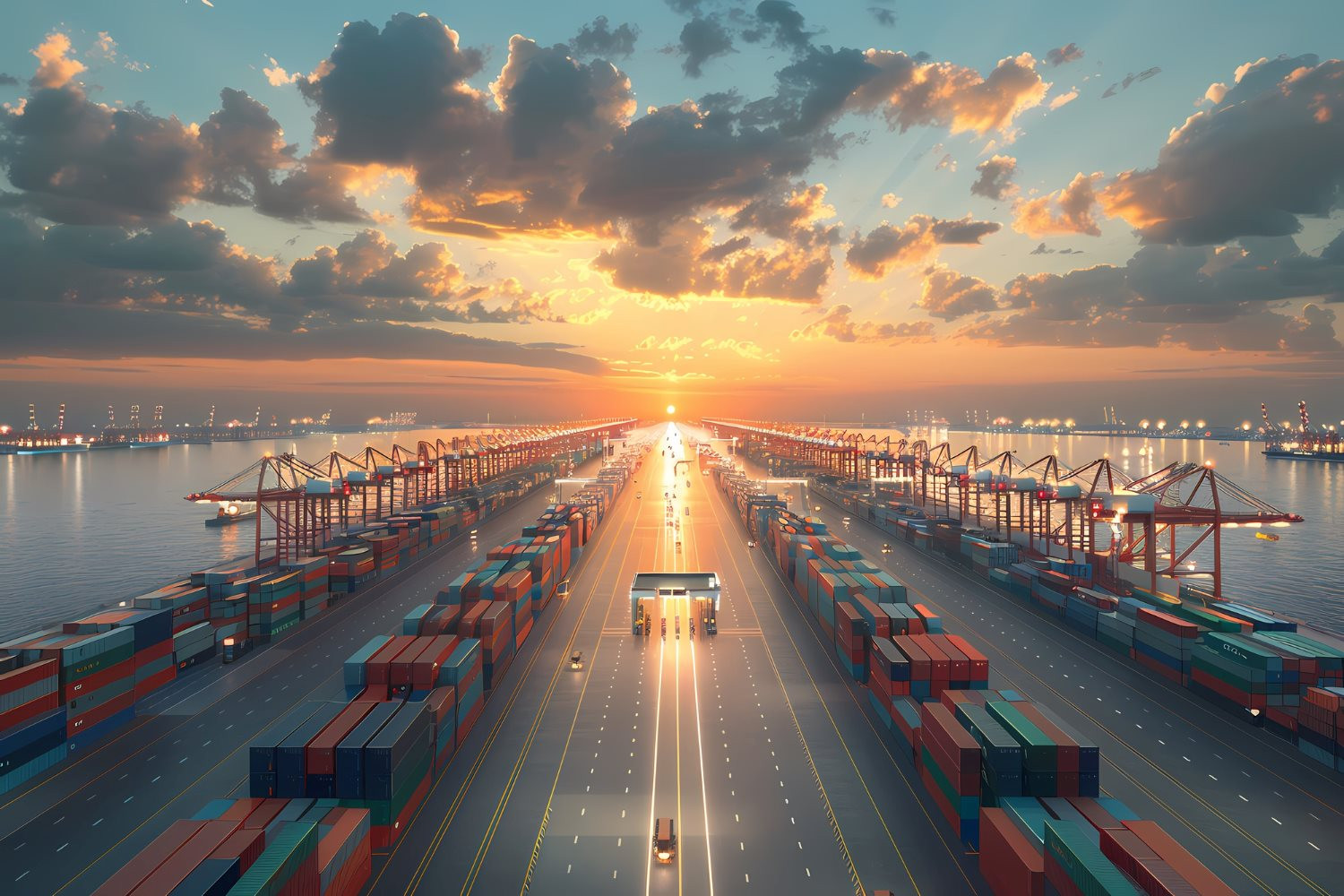
In this picture, Vietnam is increasingly mentioned as an important manufacturing destination in Asia. Analyses of the Manufacturing Ecosystem 2026 show that Vietnam ranks among the region’s leading potential manufacturing hubs, supported by trade integration, FDI attraction policies, reforms and efforts to move from low-cost assembly toward a higher-value industrial economy.
Vietnam’s opportunity does not automatically become advantage
As supply chains shift, Vietnam has multiple advantages: proximity to China and Southeast Asia, a broad FTA network, competitive labour, an established export manufacturing base, growing ports and industrial parks, relative political stability and a clearer role in electronics, textiles, footwear, furniture, machinery and processed agriculture.
But opportunity does not automatically become advantage. A new factory brings new logistics needs: input imports, inventory management, inland transport, bonded warehousing, exports, air cargo, customs, documents, data, ESG, tier-2 and tier-3 supplier chains and after-sales service. If logistics cannot keep pace, costs rise and investment attractiveness declines.
The key question is therefore not only “Can Vietnam attract more manufacturing investment?”, but “Does Vietnam have enough logistics capability to retain that investment, help investors operate efficiently and move goods to markets at the right speed, cost and standard?”.
Nearshoring and friend-shoring do not create opportunities only for manufacturing. They create new pressure on logistics. Any country that wants to become a supply chain destination must prove its ability to connect seaports, airports, roads, railways, warehouses, customs, data, human resources and investor-support services.
Four logistics requirements in the restructuring wave
The first requirement is industrial-logistics connectivity. Factories cannot operate efficiently if industrial parks lack access roads, warehouses, ICDs, stable transport services or multimodal options to ports and airports. Industrial park planning in the new phase must go together with logistics planning.
The second requirement is logistics for multi-tier supply chains. Large investors do not only need finished-goods transport. They need networks for components, spare parts, packaging, inputs, technical services, maintenance, samples, returns and urgent cargo. Logistics must serve the entire production ecosystem, not only the final export leg.
The third requirement is data and compliance. When supply chains are restructured because of risk, investors care more about transparency. They need data on inventory, ETA, customs, documents, emissions, traceability and reporting. Vietnamese logistics must move from manual service to data-enabled service.
The fourth requirement is resilience. Nearshoring and friend-shoring arise from the need to reduce risk. If a new destination lacks contingency plans when ports are congested, roads are blocked, containers are short, labour is insufficient or procedures are slow, its advantage weakens. Logistics providers need to offer alternative scenarios, multimodal options and risk management.
Vietnam must avoid the “assembly-only” trap
One risk is that Vietnam attracts more manufacturing but retains limited value if it remains mainly an assembly base supported by low-cost logistics. Cargo volumes may rise, but domestic companies may not participate deeply, logistics services may remain basic transport, and higher supply chain decisions may stay outside Vietnam.
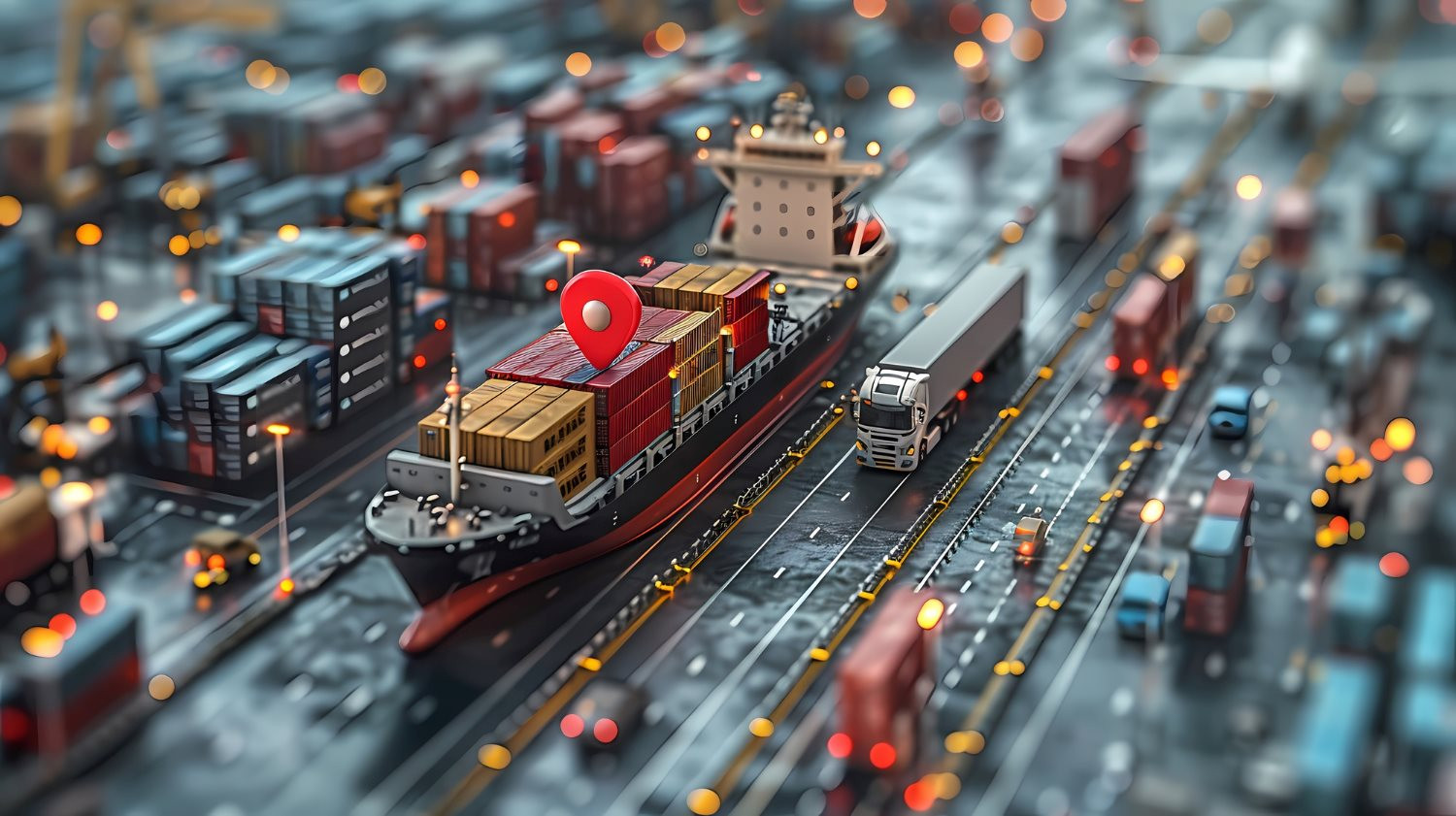
To avoid this trap, Vietnam needs to upgrade three layers. The first is supporting industries, so more inputs, components and services can be supplied domestically. The second is value-added logistics: bonded warehousing, B2B fulfilment, air cargo, cold chains, inventory management, inspection, packaging, postponement, reverse logistics and emissions data. The third is supply chain management capability: network design, forecasting, total cost optimisation, risk management and logistics consulting for investors.
When these three layers develop, Vietnam becomes not only a factory location, but a capable node in global supply chain networks.
The role of logistics in economic security
Friend-shoring is linked to economic security. Countries and companies no longer seek only cheap production locations; they seek reliable ones. Reliability is not only political stability. It also means goods can move during disruptions, data is transparent, procedures are predictable, infrastructure is not congested, talent is available and logistics partners can handle exceptions.
Recent Vietnam - Japan economic discussions have emphasised cooperation in energy, critical minerals, AI, semiconductors and economic security amid rising geopolitical risk. This shows that supply chain restructuring is not merely about factory relocation, but about strategic industries and higher logistics requirements.
For Vietnam, logistics must therefore be seen as part of economic security capability. Countries with resilient, transparent and multimodal logistics will be better able to attract and retain supply chains.
Nearshoring and friend-shoring do not mean globalisation is ending. They mean globalisation is being reorganised around new criteria: cost still matters, but risk, trust, data, carbon, speed and resilience matter more than before.
For Vietnam, the opportunity is clear, but so are the conditions. To become a sustainable destination for new supply chains, Vietnam needs stronger logistics: interregional infrastructure, better port-airport-rail-ICD connectivity, digital customs, transparent data, skilled human resources, value-added services and domestic logistics providers capable of deeper participation. If this is achieved, Vietnam will not only receive more cargo flows, but also move up in the global supply chain map.