
Logistics for semiconductor supply chains: when every hour of delay can break production flow
English - Ngày đăng : 08:53, 12/08/2026
Semiconductors are an industry of absolute precision
Discussions on semiconductors often focus on chip design, wafers, packaging and testing, materials, equipment, capital investment, technical workforce and international cooperation. These are core issues. But an industry of such precision cannot operate without logistics that meets high standards.
Semiconductor supply chains differ greatly from ordinary goods. Production equipment is high-value, large and requires special handling. Materials may be sensitive to humidity, temperature, vibration, contamination or strict safety requirements. Components, masks, wafers, chemicals, industrial gases, spare parts and finished products must all be tightly controlled. A small mistake in transport or storage can create major losses.
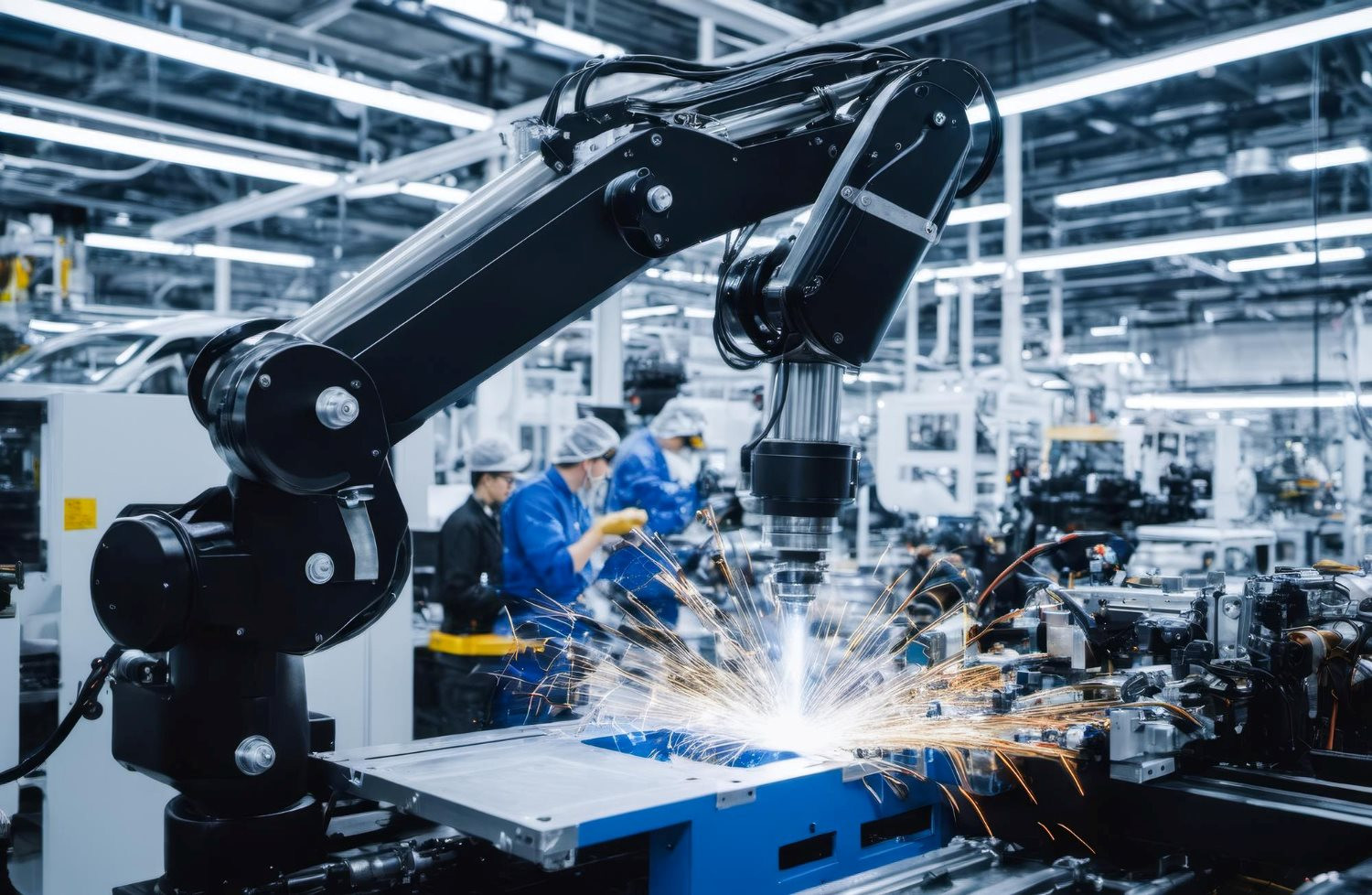
More importantly, semiconductors operate under strict time logic. When equipment fails, a late spare part can stop a production line. When materials do not arrive on time, production plans are affected. When documents, security checks or clearance are delayed, the cost is not only in logistics, but across production capability.
As global chip demand remains strong, driven particularly by AI and data centres, SEMI says semiconductor sales could reach US$1 trillion in 2026 and double to US$2 trillion by 2035. The organisation also stresses that Southeast Asia needs to expand semiconductor manufacturing capacity to reduce supply chain concentration risks.
Vietnam has opportunity, but cannot look only at factories
Vietnam is increasingly mentioned in the semiconductor map, from design and packaging-testing to workforce development and high-tech investment attraction. Recent analyses show that Vietnam aims to gradually build capabilities across semiconductor value chain stages, from design to fabrication, packaging and testing. International cooperation in AI, semiconductors, critical minerals and economic security is also becoming an important part of Vietnam’s relations with major partners such as Japan.
However, semiconductor opportunity is not determined only by incentives, high-tech park land or engineering talent. Investors in this sector need a reliable logistics environment: air cargo, fast customs, specialised warehouses, high security, vibration-controlled transport, real-time data, accurate equipment import handling, urgent spare parts, high-value cargo handling and incident response capability.
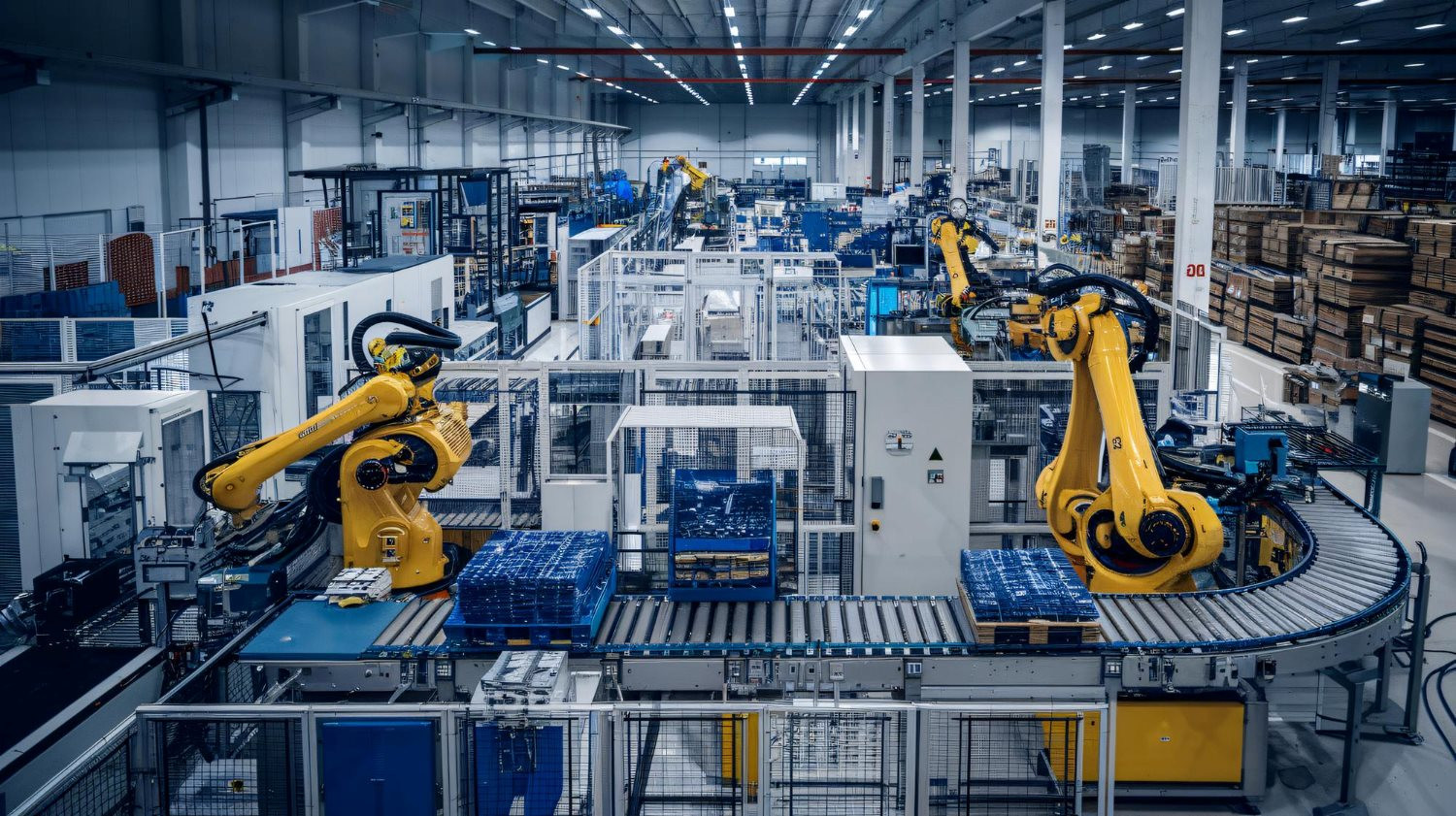
A country that wants to move deeper into semiconductors must prove that high-value and sensitive cargo can move through its logistics system safely, on time and transparently. If logistics is weak, factories may still be built, but higher-value activities will be harder to sustain.
Semiconductor supply chains do not only need “fast transport”. They need precise, secure, environmentally controlled, data-protected, high-value, fast-clearance and emergency-capable logistics. In semiconductors, logistics is not a support function; it is part of production capability.
Five specific logistics requirements in semiconductors
The first requirement is high-value and high-security logistics. Equipment, components and semiconductor products are highly valuable and exposed to risks of loss, fraud or disruption. Logistics providers need security procedures, access control, seals, shipment tracking, suitable insurance and trained staff.
The second requirement is environmental control. Some semiconductor cargo is sensitive to temperature, humidity, dust, vibration or electrostatic discharge. This requires specialised packaging, measuring devices, suitable storage, controlled transport and standardised handling procedures.
The third requirement is time-critical logistics. When a production line needs a spare part or urgent material, response time becomes critical. Air cargo, express services, spare parts warehouses near factories, priority clearance and forwarders capable of handling exceptions all become important.
The fourth requirement is documentation and compliance. Semiconductor goods may involve export controls, licences, origin rules, insurance, high declared value, security regulations and international customer requirements. Document errors can cause major delays. Digital customs, electronic documents and staff who understand high-tech trade are essential.
The fifth requirement is real-time data. Manufacturers need to know where cargo is, when it will arrive, what risks exist, whether delays are likely and whether transport conditions remain stable. Semiconductor logistics cannot operate on slow manual updates. Visibility is a basic condition.
What infrastructure is needed for semiconductor logistics?
First is air cargo. Many semiconductor shipments are high-value, time-sensitive and small in size but require fast delivery. Cargo airports, cargo terminals, secure storage, specialised inspection and fast connections from industrial parks to airports are crucial.
Second is specialised warehousing near high-tech industrial clusters. These warehouses need security control, temperature and humidity control where required, high-value cargo zones, counting procedures, accurate inventory data and urgent spare parts handling.
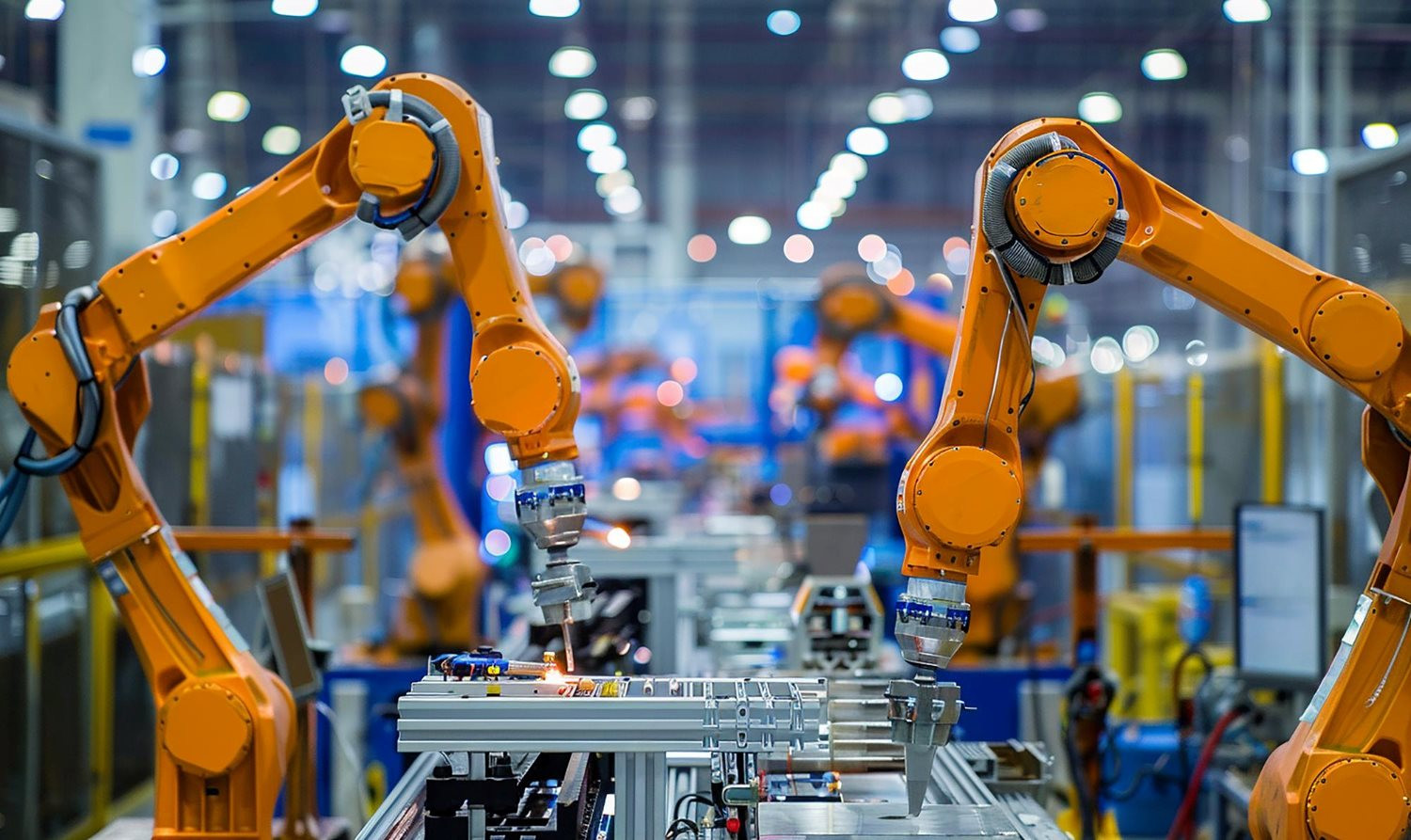
Third is fast customs and inspection services. With high-tech cargo, one day of delay can be costly. Advance data, standardised documents, risk-based channeling and teams that understand product characteristics are needed.
Fourth is multimodal connectivity with seaports. Not all equipment or materials move by air. Large equipment, machinery, materials and regular imports still require seaports, road transport, bonded warehousing and special cargo handling.
Fifth is high-tech logistics talent. This is often underestimated. Semiconductor logistics needs people who understand high-value cargo, security, documents, dangerous goods, insurance, transport conditions, customer standards and international communication.
Opportunities for Vietnamese logistics providers
If well prepared, semiconductors can open a high-value service segment for Vietnamese logistics. Companies can provide not only transport, but solutions: equipment import, spare parts warehousing, high-value logistics, emergency services, vendor-managed inventory, cleanroom logistics, technology cargo insurance, data tracking and compliance consulting.
However, this is not a segment for low-cost thinking. Semiconductor customers require reliability, confidentiality, processes, data and incident handling. Logistics providers that want to serve this sector must invest in standards, training, technology and international partnerships.
For Vietnam, developing semiconductor logistics also upgrades the country’s logistics image. A logistics system capable of serving semiconductors can also serve other high-value sectors: medical devices, aerospace, electronics, pharmaceuticals, precision machinery and high technology.
Semiconductors are an industry of precision, and semiconductor logistics must also be logistics of precision. If Vietnam wants to move deeper into semiconductor supply chains, it cannot discuss only factories and engineers. It must also discuss air cargo, specialised warehouses, digital customs, real-time data, security, insurance, logistics talent and emergency response capability.
The semiconductor opportunity is large, but only ecosystems capable of coordinated operation will retain high value. Logistics does not stand behind semiconductors; logistics moves alongside them. In many moments, logistics determines whether a production line runs on schedule.