
Reverse logistics: when returns, recycling and recalls become part of the value chain
English - Ngày đăng : 08:27, 18/08/2026
Supply chains do not end when products are sold
In the traditional model, logistics aims to deliver goods to the right place, at the right time, at the right cost and in the right condition. Once goods are delivered, the chain is considered complete. But the new reality is different. In e-commerce, a share of orders can move backward because customers change their minds, sizes are wrong, products are defective, deliveries are incorrect, packaging is damaged or return policies are flexible. In industrial manufacturing, defective components, spare parts, warranty items and repair goods also create reverse flows. In ESG and the circular economy, packaging, pallets, batteries, electronics, consumer goods and end-of-life products need to be collected, reused, recycled or treated properly.
Reverse logistics is therefore no longer an unpleasant post-sale burden. It is becoming part of the value chain. Companies that manage reverse logistics well can reduce costs, recover value, improve customer experience, reduce waste, meet environmental requirements and protect their brand during product incidents.
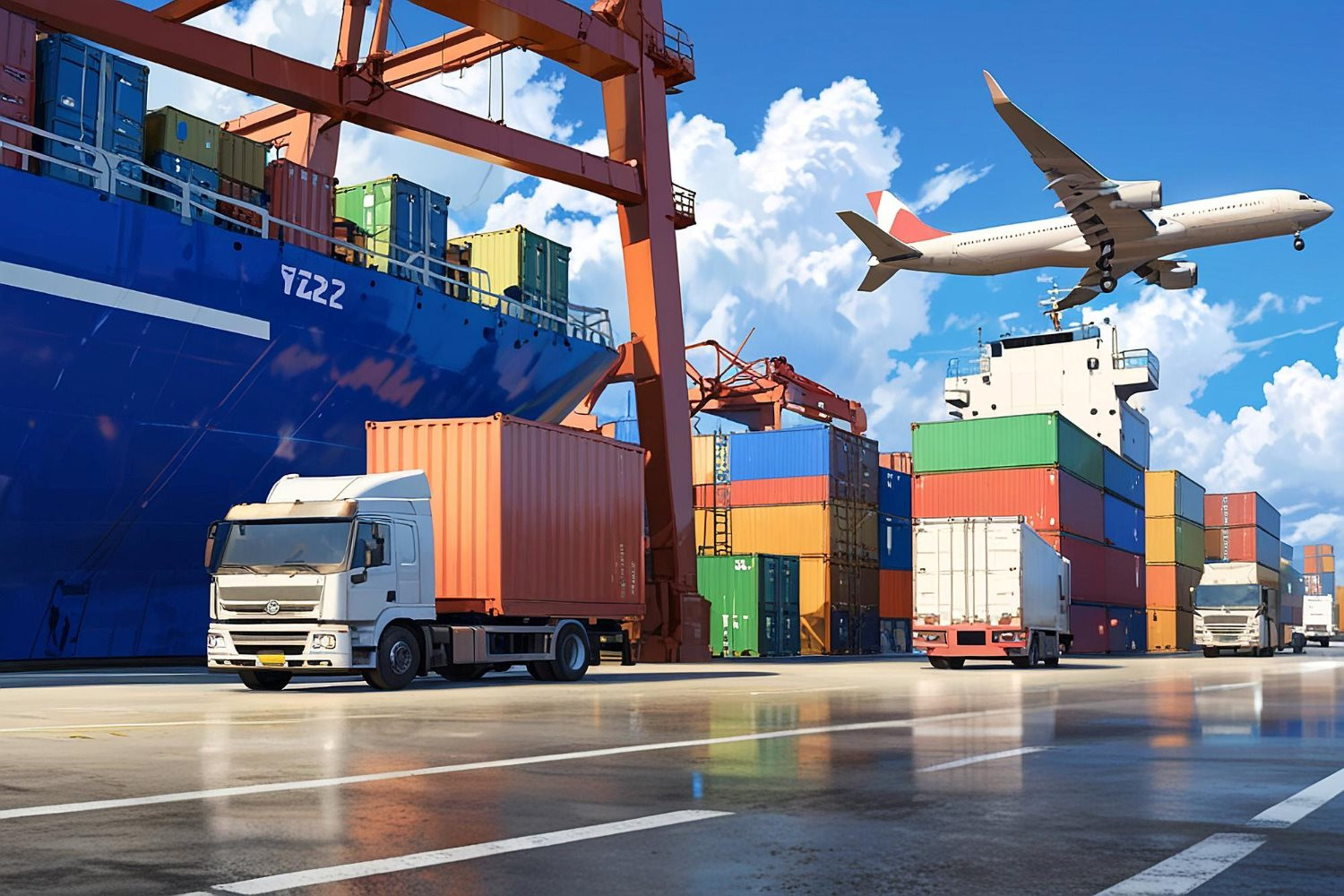
This is especially important in e-commerce. A smooth return experience can increase customer confidence in a first purchase. But if not well controlled, returns raise costs in warehousing, transport, inspection, repacking, refunds, inventory handling and shrinkage. In many cases, profit margins are eroded not at the selling stage, but after the sale.
Reverse logistics is more complex than forward logistics
Forward logistics usually has clearer planning: goods move from warehouse to destination, quantities can be forecast, transport routes are designed and documents are relatively standardised. Reverse logistics is more difficult because flows are scattered, product condition varies, timing is harder to predict, residual value differs and processing decisions are more complex.
A returned product may be intact, require inspection, need repair, be resold, be repacked, be returned to supplier, be recycled or be destroyed. Each decision creates a different cost and risk. If processing is slow, value declines. If inspection is wrong, defective goods can re-enter the market. If data is missing, companies do not know why returns are high. If recall procedures are weak, a quality incident can become a communication crisis.
For special product groups such as food, pharmaceuticals, medical devices, batteries, electronics, cosmetics, chemicals or products containing personal data, reverse logistics also involves safety, legal, environmental and security issues.
Reverse logistics is not simply “taking goods back”. It is the capability to decide whether returned products will be resold, repaired, recycled, recovered for value or become cost. In the circular economy, reverse flows are where companies turn waste into value.
Five core capabilities of reverse logistics
The first capability is return-reason data. Companies need to know why goods come back: wrong product, wrong size, technical defect, inaccurate description, poor packaging, late delivery, customer change of mind or overly loose sales policy. Without analysing causes, businesses only handle symptoms and cannot reduce root causes.
The second capability is fast classification. Returned goods need to be inspected and classified: resell immediately, repack, repair, return to supplier, recycle, destroy or investigate for quality. Classification speed determines value recovery. A product that can still be sold but sits too long in the returns area loses commercial opportunity.
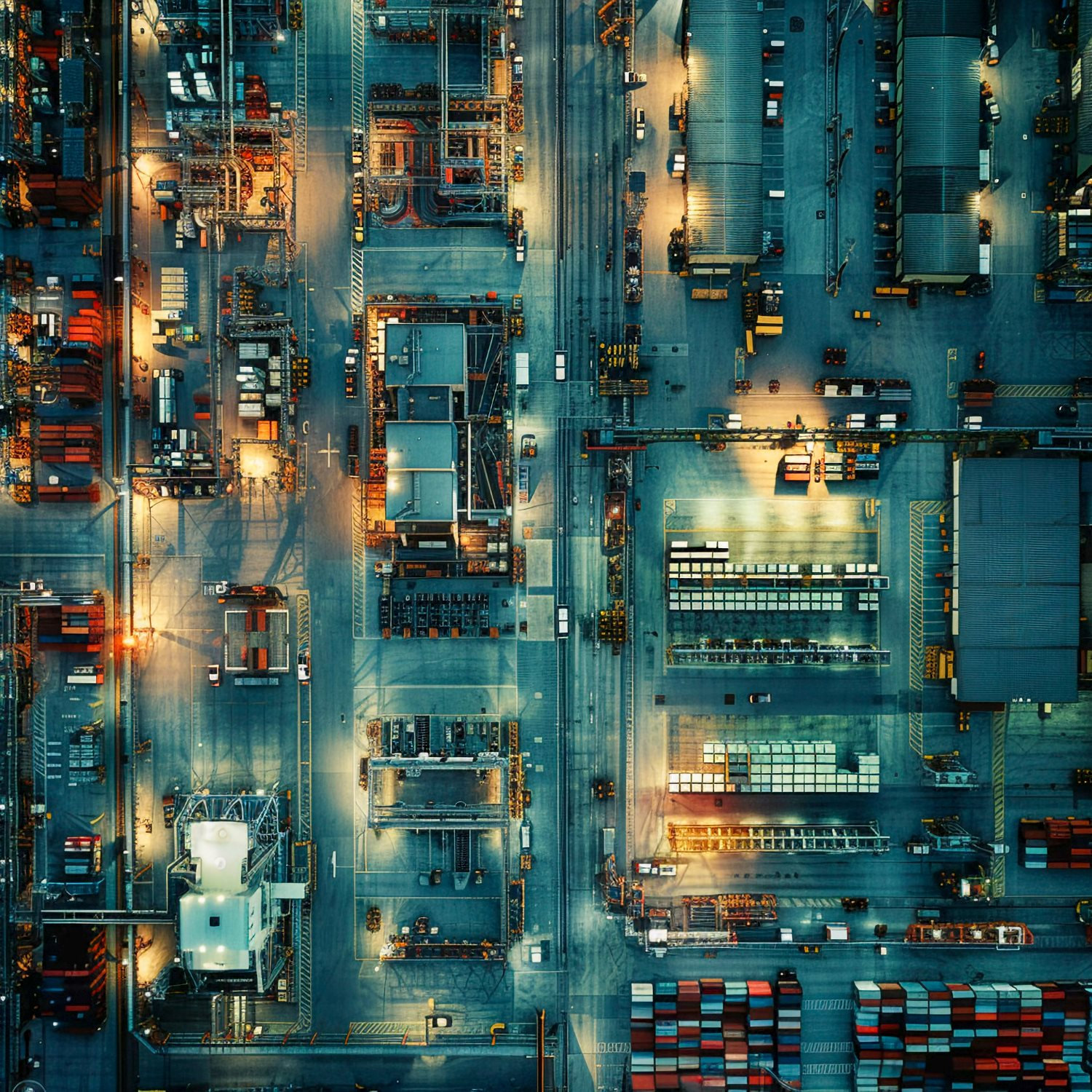
The third capability is collection network design. Companies need pickup points, return routes, transport partners, post offices, stores, lockers, service points or repair centres. This network must balance customer convenience with company cost.
The fourth capability is returned-inventory management. Returned products cannot be left outside the system. Each item must have a clear status: pending inspection, inspected, awaiting repair, ready for resale, awaiting disposal or pending supplier return. Without this, inventory data is distorted and decisions become difficult.
The fifth capability is end-of-life processing partners. For recycling, destruction or special-product treatment, companies need qualified partners with certifications, records and environmental compliance. This becomes increasingly important as ESG and extended producer responsibility receive more attention.
The circular economy needs reverse logistics
The circular economy cannot operate without reverse logistics. To reuse packaging, packaging must be collected. To recycle batteries, batteries must be gathered. To repair devices, devices must return to service centres. To recall defective products, companies must trace where products are. To reduce waste, return flows must be designed from the beginning.
Many companies talk about sustainability, but without systems for collecting and processing products after use, circular commitments remain difficult to implement. Reverse logistics is the operational side of the circular economy. It turns an environmental idea into concrete processes: collection, transport, sorting, treatment and re-entry into the value chain.
In Vietnam, reverse logistics will become increasingly important in e-commerce, retail, consumer electronics, electric vehicle batteries, packaging, textiles, food, pharmaceuticals and industrial goods. As consumers care more about returns, warranties, recycling and environmental responsibility, companies cannot treat returned goods as a minor issue.
Opportunities for Vietnamese logistics providers
Reverse logistics opens many new services: return collection, returned-goods inspection, repacking, light repair, quality classification, defective-goods processing, product recall, warranty logistics, reusable packaging management, recycling collection, compliant destruction and ESG data reporting.
For logistics companies, this is an opportunity to move beyond pure freight-rate competition. Reverse logistics requires processes, data, specialised storage, inspection staff, tracking technology and close coordination with customers. If done well, logistics providers can become product lifecycle management partners, not just carriers.
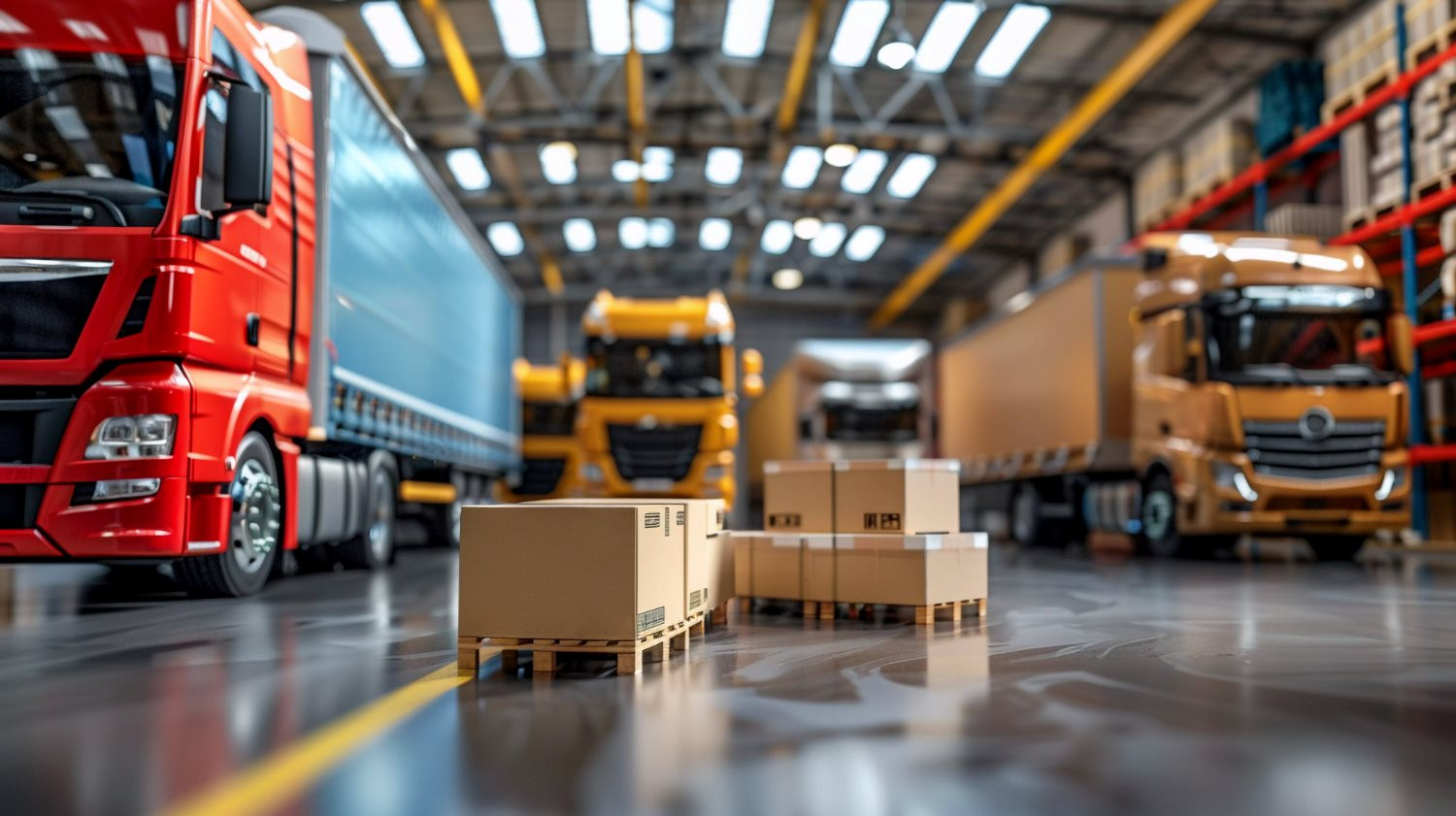
However, reverse logistics also requires high operational discipline. Returned goods are often messy, inconsistent in value, prone to loss and difficult to forecast. Without systems, this service can become a burden. Companies should begin with clear procedures, specific KPIs, return-reason classification, inventory control and end-of-life processing contracts.
In modern supply chains, goods do not move in only one direction. Reverse flows are becoming an important part of competitiveness, customer experience and environmental responsibility. Reverse logistics helps companies see residual value in returns, packaging, components, used equipment and end-of-life products.
For Vietnam, developing reverse logistics is essential as e-commerce, ESG and the circular economy accelerate together. Companies that organise reverse flows well will not only reduce waste, but also build a new form of trust: responsible selling, responsible recovery and transparent post-consumer product handling.