
Supply chain as a service: when logistics becomes shared infrastructure for businesses
English - Ngày đăng : 08:24, 04/09/2026
From owning infrastructure to using capability
In the past, building strong logistics capability often required major investment or a complex partner network. A retailer needed warehouses, distribution centres, order management software, transport and last-mile delivery. A manufacturer needed raw material storage, inbound transport, outbound transport, distribution and shipment tracking. An e-commerce brand needed fulfilment, sorting, fast delivery, returns handling and customer data.
The “supply chain as a service” model changes that approach. Companies do not necessarily need to own the entire infrastructure. They can rent supply chain capability from a platform that already has it: warehousing, multimodal transport, fulfilment, parcel delivery, inventory management, data, shipment tracking and optimisation tools. Just as companies rent cloud computing instead of building data centres, they can rent parts of logistics infrastructure instead of building everything themselves.
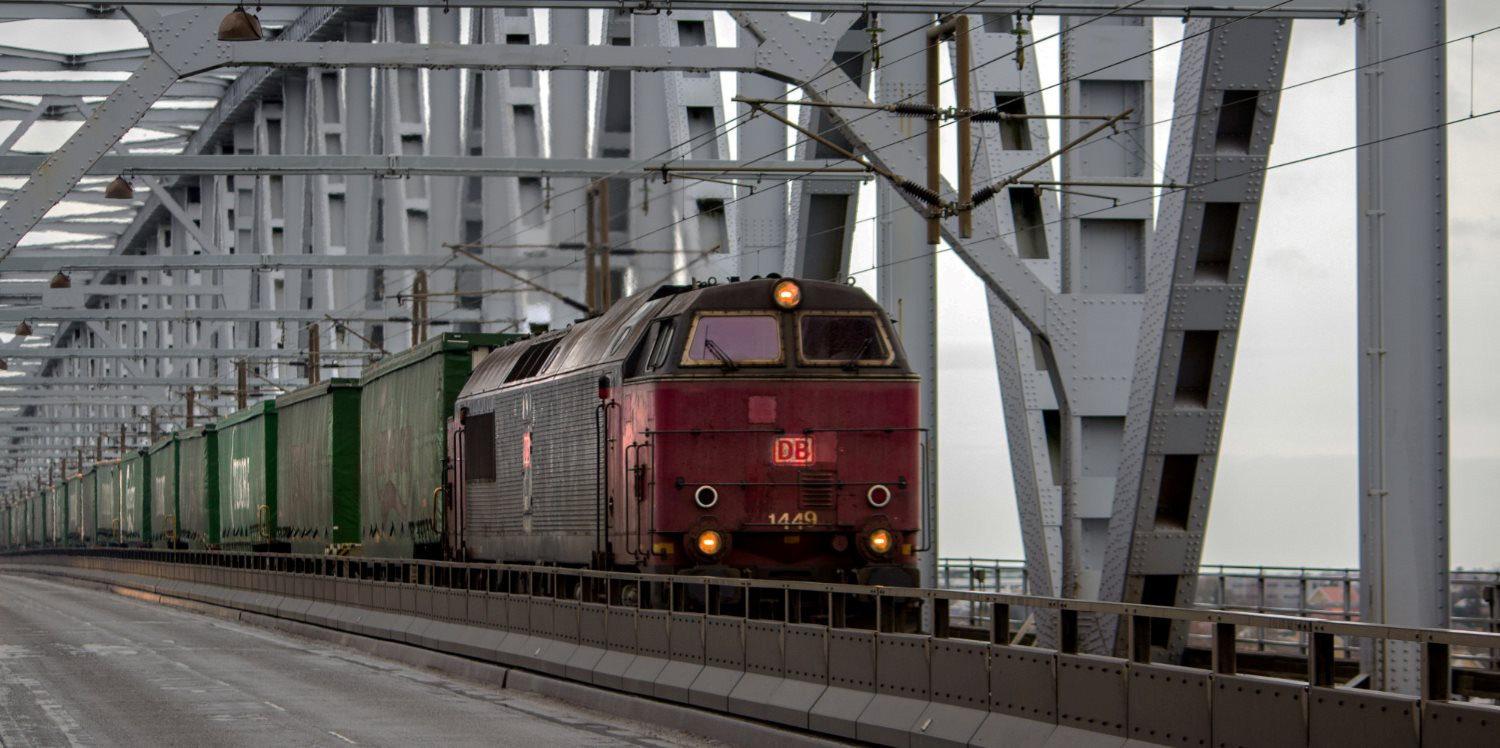
This trend became highly visible when Amazon announced that it was opening its logistics network to other businesses through Amazon Supply Chain Services. According to Reuters, the service allows businesses to use Amazon’s network to store and ship goods, including raw materials and finished products, across ocean, road, rail and air. Amazon has more than 100 cargo aircraft and a vast warehousing network, with clients such as Procter & Gamble, 3M and American Eagle.
This is not only an Amazon story. It points to a deeper trend: large-scale logistics infrastructure can be packaged as a service for many businesses.
Logistics is learning from the cloud model
When cloud computing developed, many companies no longer needed to own servers, data centres or large infrastructure teams. They rented computing power, storage and software on demand. In logistics, a similar model is emerging. Companies rent warehousing, transport, fulfilment and data capability based on usage, season, region or service type.
This is especially attractive for SMEs, direct-to-consumer brands, e-commerce sellers, companies expanding into new markets and manufacturers that do not want to build complex distribution systems. They can access logistics capabilities larger than their own scale.
But unlike cloud computing, logistics exists in the physical world. Goods must pass through real warehouses, real vehicles, real ports, real airports, real people and real risks. Therefore, supply chain as a service works only when the platform has real infrastructure, strong data, stable processes, wide networks and exception-handling capability.
Supply chain as a service is not just logistics outsourcing. It is a model in which companies use an integrated supply chain platform as shared infrastructure: warehousing, transport, fulfilment, data, delivery, returns and operational optimisation. The value lies in scaling quickly without building the entire network alone.
Four major changes in logistics competition
The first change is that competition shifts from individual assets to ecosystems. A company with many trucks does not necessarily win. A company with many warehouses does not necessarily win. The winner may be the player that connects warehouses, vehicles, data, fulfilment, customers, technology platforms and forecasting into one coherent system.

The second change is that data becomes the central advantage. The more orders a platform processes, the more data it has on demand, inventory, delivery routes, processing times, returns, costs and customer behaviour. This data helps optimise the system and create scale advantages. Traditional logistics companies need to pay close attention to this.
The third change is that industry boundaries blur. An e-commerce company can become a logistics provider. A retailer can open its fulfilment infrastructure to third parties. A technology company can enter transport. A logistics company can become a data platform. Reuters reported that Amazon’s expansion into supply chain services triggered sharp declines in UPS and FedEx shares, showing that markets recognised the direct competitive impact.
The fourth change is that customers expect higher standards. Once companies are familiar with the speed, visibility and data capabilities of large platforms, they will expect other logistics providers to become more transparent, faster and more integrated. This raises service standards across the industry.
Opportunities and risks for Vietnamese companies
For Vietnamese companies, supply chain as a service can create opportunities to access better logistics capability without large investment. An SME selling cross-border can use fulfilment and international delivery services. A manufacturer can rent warehousing and distribution capacity in a new market. A Vietnamese brand can test a market before investing in its own network.
However, risks are also clear. If a company depends too much on one platform, it may lose control over customer data, costs, delivery experience and service terms. If the platform changes policies, raises prices or prioritises larger customers, smaller businesses may be affected. Using shared infrastructure does not mean abandoning logistics strategy.
Companies need to define what should be outsourced and what must remain under tighter control. Standard fulfilment may be outsourced, but customer data, inventory strategy, packaging standards, return policies and customer relationships may need closer management.
How should Vietnamese logistics providers respond?
If large platforms open logistics infrastructure to the market, traditional logistics providers will face significant pressure. Competing by price and relationships will not be enough. Vietnamese logistics companies need to upgrade in four directions.
First is service integration. Customers increasingly want complete solutions: warehousing, transport, documents, fulfilment, data, reporting and returns handling. Providers that offer only isolated services are easier to replace.
Second is data capability. Visibility, dashboards, APIs, ePOD, tracking, inventory reporting, cost reporting and emissions reporting will become standard. Data is no longer an add-on; it is part of the service product.
Third is industry specialisation. Instead of serving every cargo type, providers can focus on cold chains, pharmaceuticals, agriculture, e-commerce, high-value goods, retail, industrial goods or reverse logistics. Specialisation creates differentiation against large-scale platforms.
Fourth is cooperation, not only competition. Vietnamese logistics companies can join networks, connect APIs with platforms, provide last-mile services, regional warehousing, customs, cold chains or local services that large platforms may find difficult to build deeply.
Can Vietnam build shared logistics platforms?
Yes, but the right scope matters. Vietnam does not need to immediately build a super-platform like Amazon. It can begin with sectoral or regional platforms: agricultural logistics, cold chains, shared warehousing for SMEs, domestic fulfilment, ICD-port-customs connectivity, green transport or export logistics platforms.
The key condition is data trust. Companies will use platforms only if they trust data security, cost transparency, service stability and protection of their interests. Therefore, beyond technology, Vietnam needs operating standards, clear contracts, dispute-resolution mechanisms and the connecting role of industry associations.
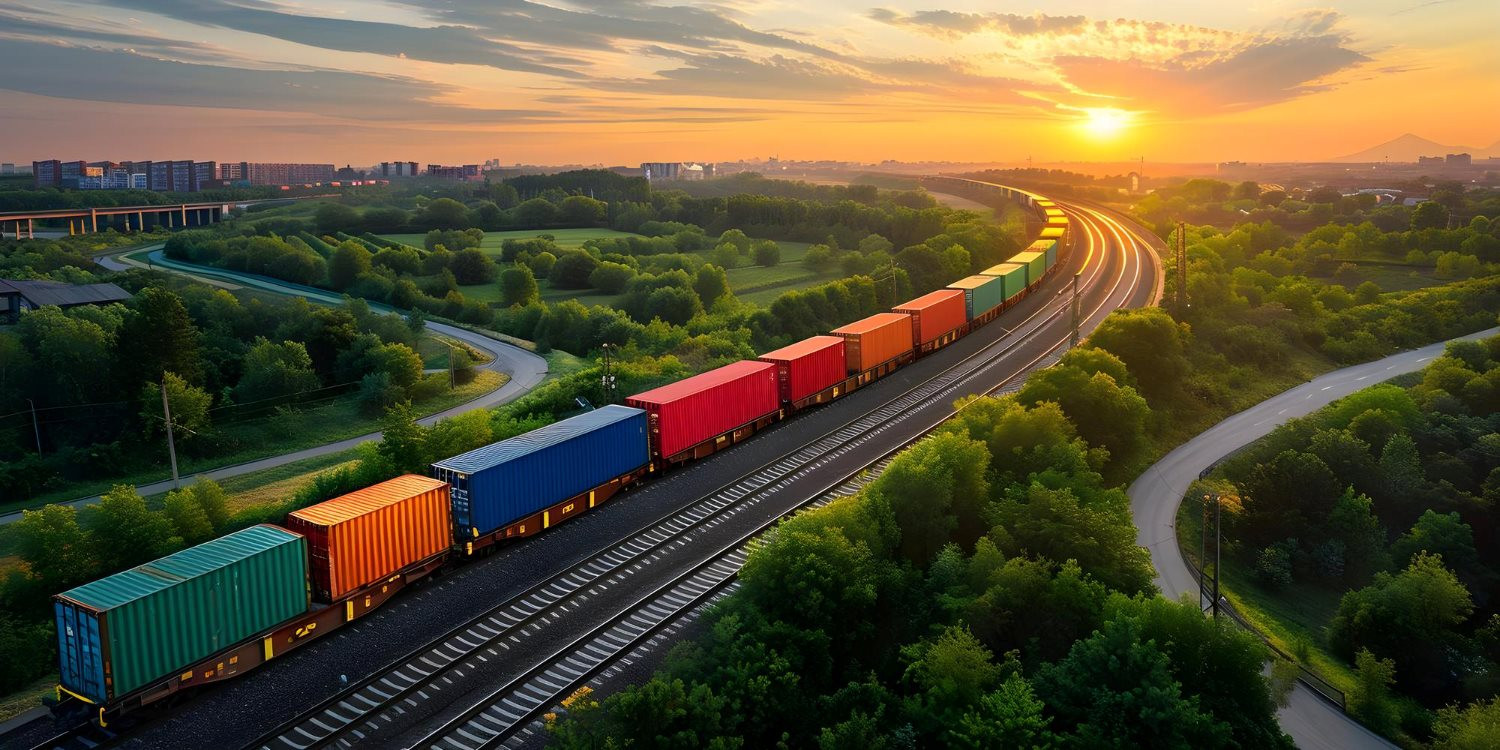
Supply chain as a service shows that logistics is entering a platform phase. Large logistics infrastructure no longer serves only the company that owns it; it can become shared services for many other businesses. This creates opportunities for rapid scaling, but also intense competitive pressure.
For Vietnam, the lesson is not to copy global corporations directly. The lesson is that future logistics must be more integrated, more data-driven, more flexible and more customer-centred. Companies that build logistics capability as scalable services will gain advantages. Companies that remain fragmented, data-poor and dependent only on price competition will find it increasingly difficult to maintain their position.