
Logistics for cross-border e-commerce: a new gateway for Vietnamese goods to go global
English - Ngày đăng : 08:07, 07/09/2026
Exports are no longer only large containers
In traditional export thinking, goods often move in large lots: containers, pallets, B2B contracts, importers, distributors or retail chains. Cross-border e-commerce opens another form of export: each order may be one product, one parcel, one shipment sent directly to a consumer overseas.
This creates major opportunities for Vietnamese businesses, especially small and medium-sized brands, handicrafts, fashion, cosmetics, consumer goods, processed food, creative products, accessories, homeware, cultural products and sectors capable of telling a brand story. Companies do not necessarily need to wait for large importers to reach international markets; they can test markets through digital platforms.
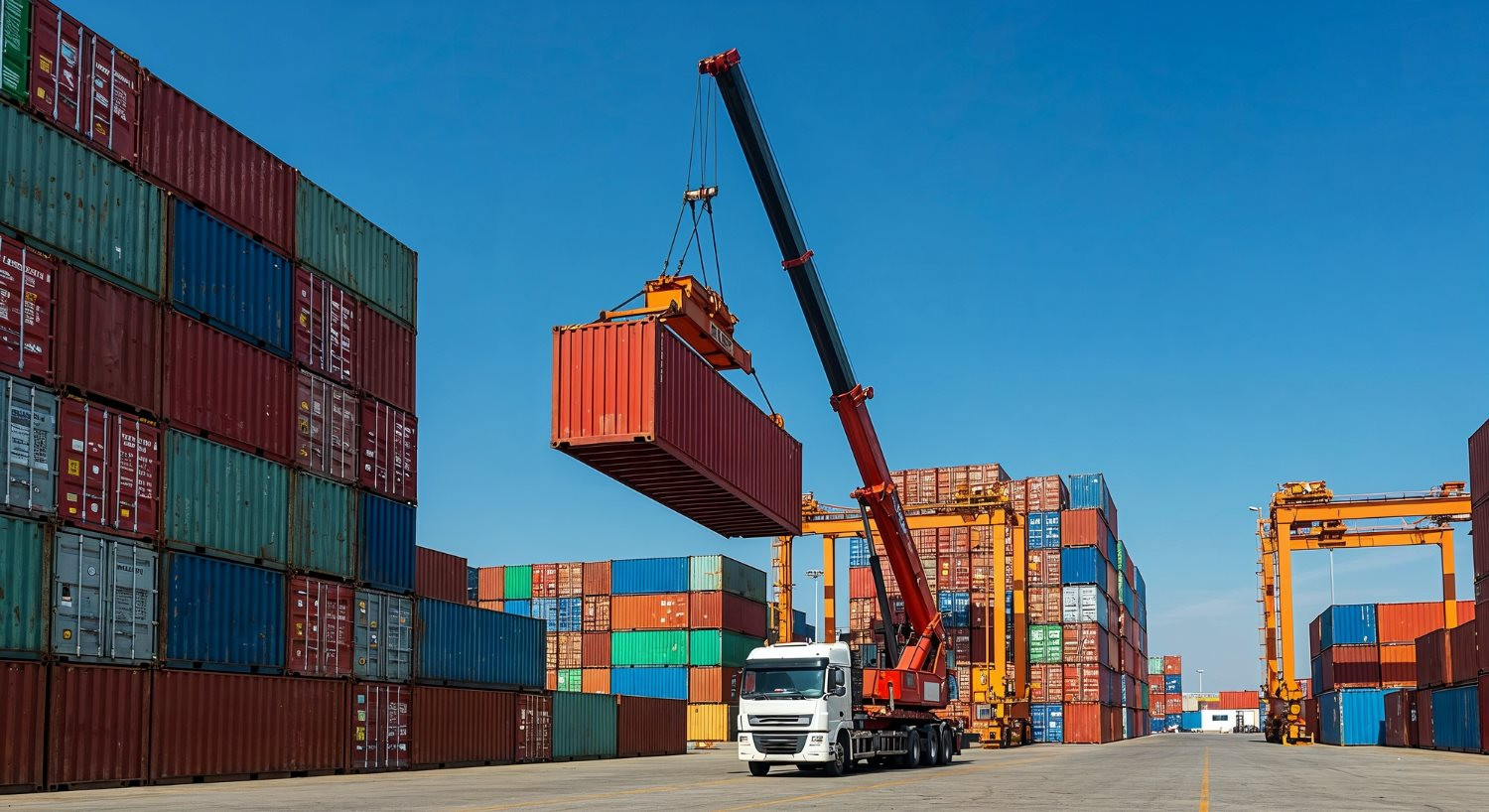
But this opportunity comes with a clear reality: digital exports cannot run on old logistics. A delayed export container is already a problem; thousands of small orders that are late, misdelivered, hard to track, costly or difficult to return can make cross-border e-commerce uncompetitive.
Small orders do not mean small operations
A cross-border order may look small to the seller: one item, one customer, one tracking number. But behind it are many operating layers. Goods must be stored, inventory synchronised with platforms, picked, packed correctly, labelled, declared, moved to consolidation points, sorted by international route, cleared for export, transported internationally, imported at destination, delivered at the last mile and possibly returned.
Every weak point can create cost. Poor packaging increases shipping cost or damage. Wrong declarations hold cargo. Missing HS codes or unclear descriptions delay clearance. Lack of tracking reduces customer trust. Unclear return policies increase disputes. Long delivery times reduce product competitiveness.
Cross-border e-commerce is therefore not only international marketing. It is the capability to fulfil promises to international customers at individual order level.
In cross-border e-commerce, a small order does not mean a simple chain. Every parcel needs accurate data, proper packaging, correct declaration, trackable delivery and a clear return policy. Logistics is where digital exports are tested.
Three common logistics models
The first model is direct shipping from Vietnam to overseas customers. This suits market testing, small volumes, high-value products or unstable demand. Its advantages are limited overseas inventory, flexibility and low upfront investment. Its disadvantages are longer delivery time, higher unit cost and difficult returns.
The second model is placing inventory in fulfilment warehouses in or near destination markets. Companies ship goods in bulk to warehouses in the United States, Europe, Japan, South Korea or regional hubs; orders are then delivered domestically faster. The advantages are shorter delivery times, better customer experience and stronger platform competitiveness. The drawbacks are inventory forecasting, tax management, storage costs and stock risk.
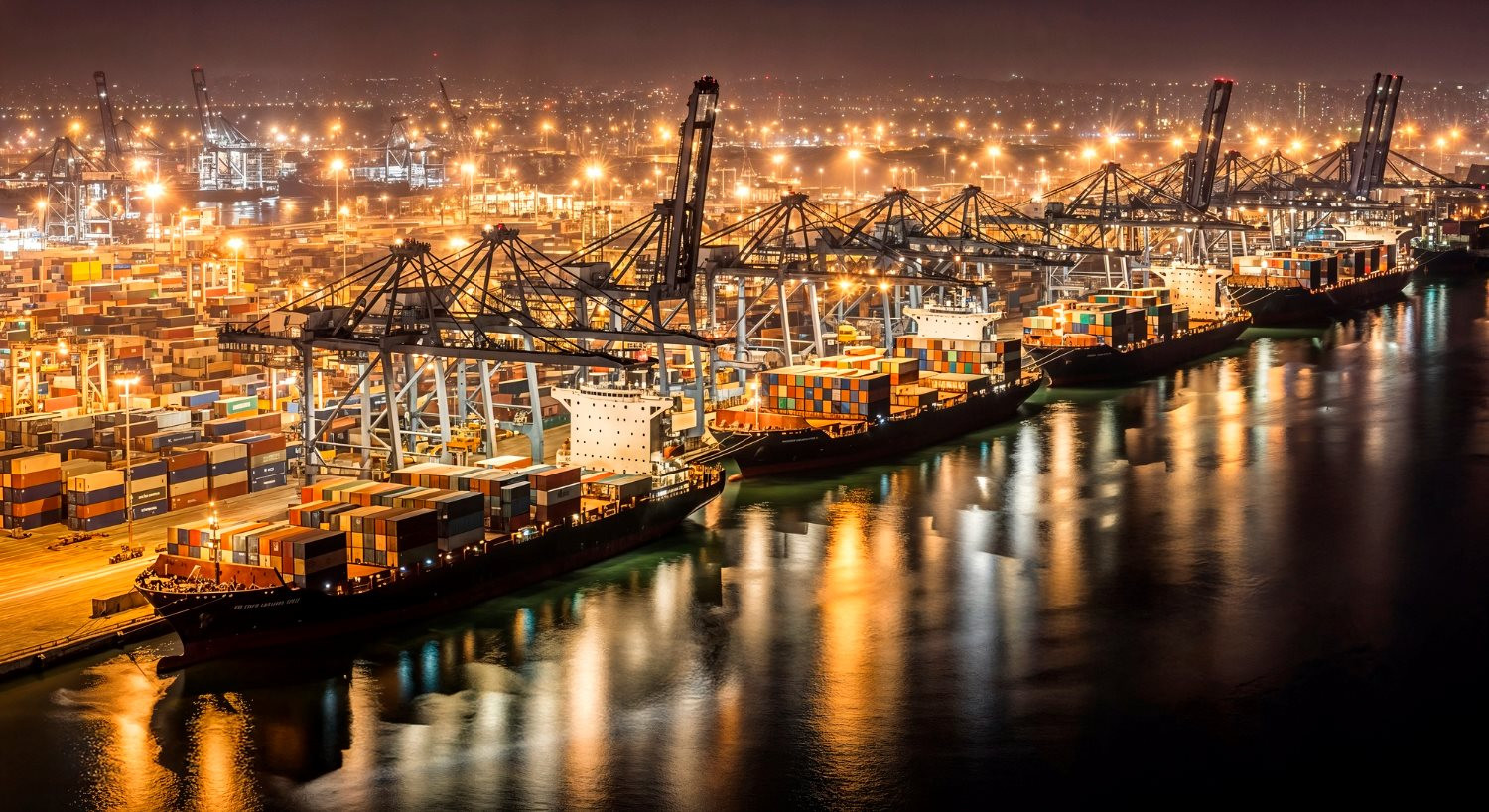
The third model is using integrated platforms or logistics partners. Businesses use end-to-end services covering warehousing, order processing, international transport, last-mile delivery, returns and data. This reduces operational burden, but companies must control cost, customer data, service quality and dependence on platforms.
No single model fits every business. Lightweight, high-value, long-life products differ from bulky, low-value or perishable goods. Companies need to test and measure before scaling.
Data is a survival condition
Cross-border e-commerce runs on data. Sellers need to know remaining inventory, order status, average delivery time, cost by market, return rates, return reasons, complaints, customer reviews and profit margins after logistics. If companies look only at revenue and not fulfilment cost, they can grow into losses.
Product data is also critical. Product names, descriptions, HS codes, weight, dimensions, materials, origin, declared value, import regulations and certifications all affect customs and delivery. A product that sells on a platform may not be easy to import into every market. Businesses must understand requirements by country, especially for food, cosmetics, electrical devices, children’s products, OTC health products or culturally sensitive goods.
Logistics data helps companies decide which markets deliver efficiently, which products have excessive shipping costs, which customers often return goods, which packaging causes damage, which routes are delayed and which partners are reliable. This is the foundation for optimising digital exports.
Customs and tax cannot be ignored
One major risk in cross-border e-commerce is that businesses focus on selling while underestimating customs, tax and import regulations. Each market has different rules on de minimis thresholds, VAT/GST, declarations, prohibited items, restricted goods, product standards and seller responsibility.
If businesses do not understand these rules, goods can be held, returned, fined or platform accounts may be restricted. For Vietnamese brands that want to go global, compliance is not secondary. It protects reputation.
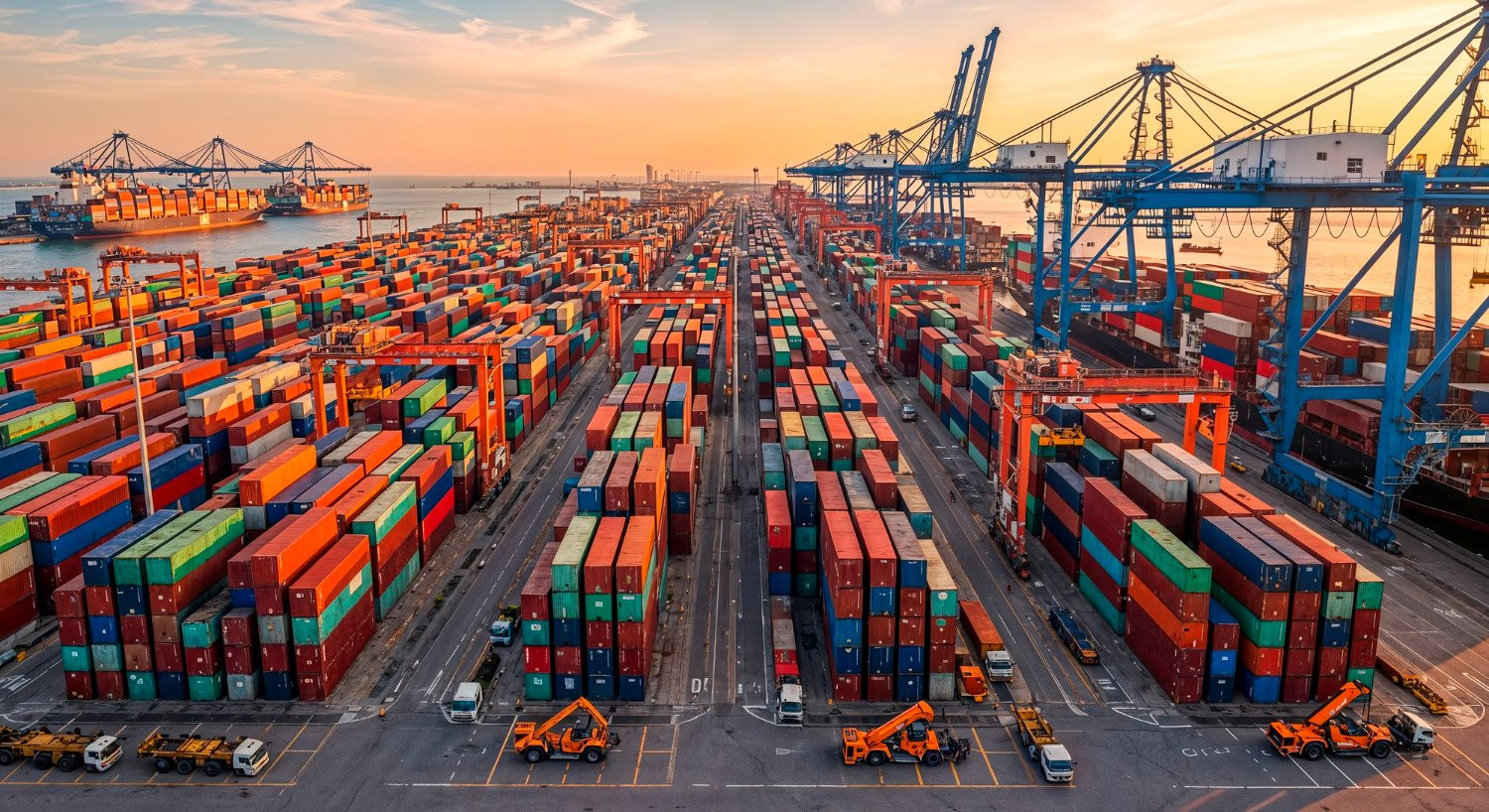
Logistics for cross-border e-commerce must therefore combine fulfilment, transport, customs, tax, legal understanding and data. Logistics providers that can advise on markets, declare correctly, calculate landed costs in advance and handle returns will create significant value.
Opportunities for Vietnam
Vietnam has many products suitable for digital exports: handicrafts, fashion, accessories, small wooden products, cultural products, coffee, tea, processed food, personal care products, creative goods, small components, design products and gifts. But for these products to go far, logistics must be designed from the beginning.
Vietnam needs fulfilment centres supporting exporting SMEs, shared warehouses, international-standard packaging services, HS code and market regulation consulting, order tracking platforms, international returns services, payment-tax solutions and training for companies on digital exports.
Industry associations and trade promotion agencies can play an important role: organising training, developing logistics guides for key markets, connecting companies with platforms, forwarders, fulfilment providers and legal experts. Digital exports are not only about putting goods online; they require business operations to reach international standards.
Cross-border e-commerce is a new gateway for Vietnamese goods, but it opens widest for companies that understand logistics. In digital exports, good products must go with good data, good packaging, good delivery, good compliance and good customer experience.
For Vietnam, the opportunity is not only selling more orders overseas. The greater opportunity is building logistics capability for a new generation of exporters: smaller in shipment size, faster in speed, closer to consumers and more data-driven in operations. When logistics becomes the foundation of digital exports, Vietnamese goods will have another path to go global.