

Red sea reopens gradually, Hormuz remains constrained
English - Ngày đăng : 08:00, 23/09/2026
For shippers, the challenge is no longer simply “Suez or Cape of Good Hope”, but how to design transport networks that can survive several chokepoints being disrupted at the same time.
Red sea: Capacity is returning, but normality is still distant
After nearly three years in which most major container carriers diverted away from the Red Sea because of security risks, 2026 has brought a more visible return. Xeneta data shows average weekly container capacity crossing Bab el-Mandeb reached about 212,636 TEU in August 2026, more than double the level a year earlier. Yet that was still only around 23% of the 930,679 TEU recorded in August 2023, before the Red Sea crisis.
The return is being managed cautiously, service by service. On 14 September 2026, Maersk and Hapag-Lloyd announced that four additional Gemini Cooperation services - AE5, AE11, AE12 and ME2 - would resume sailing through the Suez Canal, building on earlier moves in July and August. On 22 August, the 17,200-TEU Bangkok Maersk completed its first Suez transit, while the Suez Canal Authority reported 57 ships passing through the canal that day.
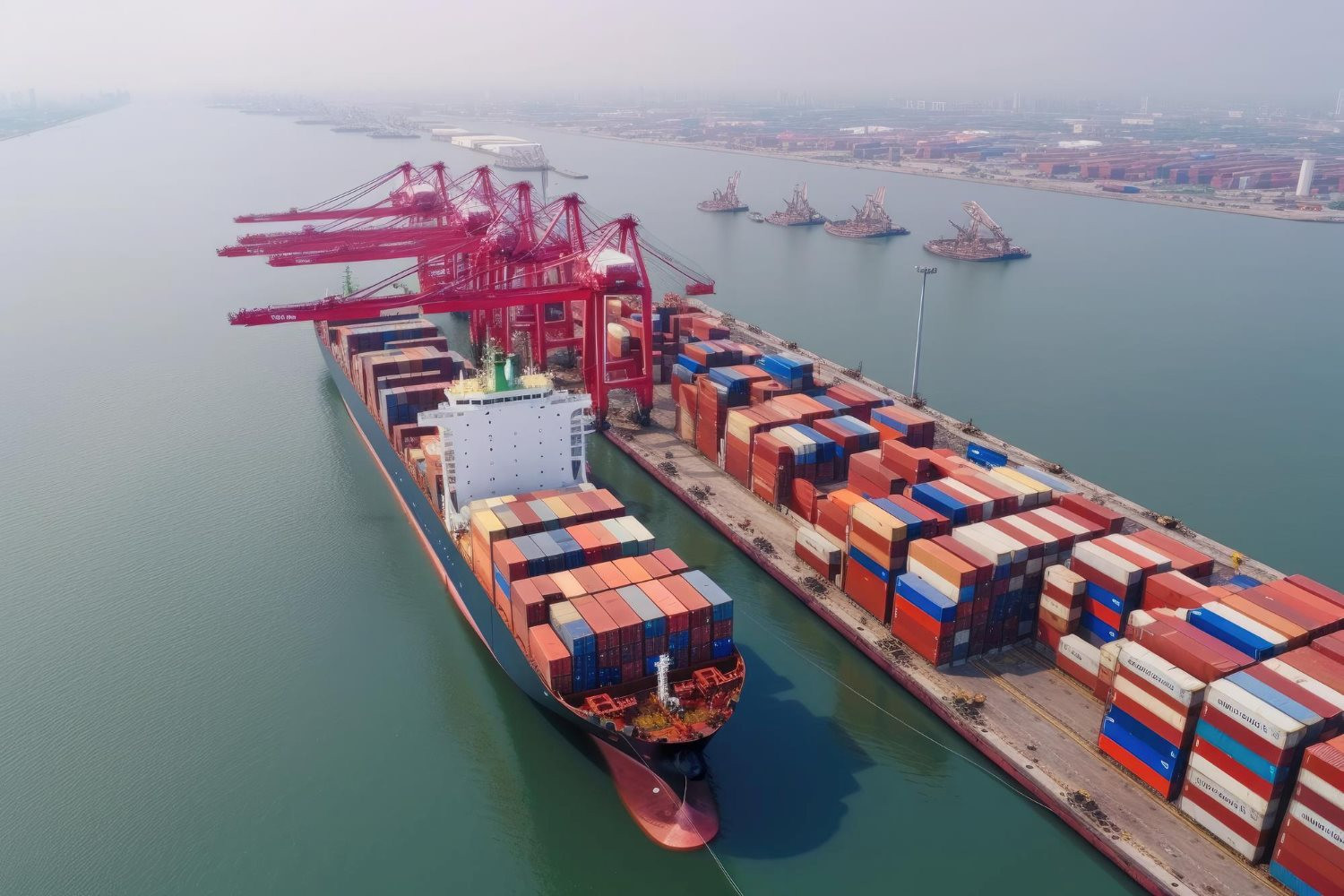
The economics are compelling. Using Suez instead of sailing around the Cape of Good Hope can save roughly two weeks on some Asia-Europe voyages, reducing fuel consumption, vessel time, inventory in transit and pressure on fleet capacity. When major networks return to the shorter route, effective global shipping capacity increases because the same vessel can complete more round voyages in a year.
But a return is not the same as normalisation. Xeneta notes that recovery remains uneven: some trades have seen significant transit-time improvements, while others still use the Cape. Security risks around Bab el-Mandeb have not disappeared, and new developments in Yemen can cause carriers to change decisions with little notice. A shipper may therefore face two different operating realities on the same port pair - one via Suez and another via the Cape, arriving weeks apart.
Hormuz: A different chokepoint, a different risk
While the Red Sea shows signs of gradual reopening, the Strait of Hormuz is moving in the opposite direction. In mid-September 2026, ship-tracking data cited by Reuters showed commodity-vessel crossings falling to as few as four in a day, far below pre-conflict activity. On 16 September, observed transits remained in single digits. Some vessels may have crossed with automatic identification systems switched off, but the decline still points to a very high-risk operating environment.
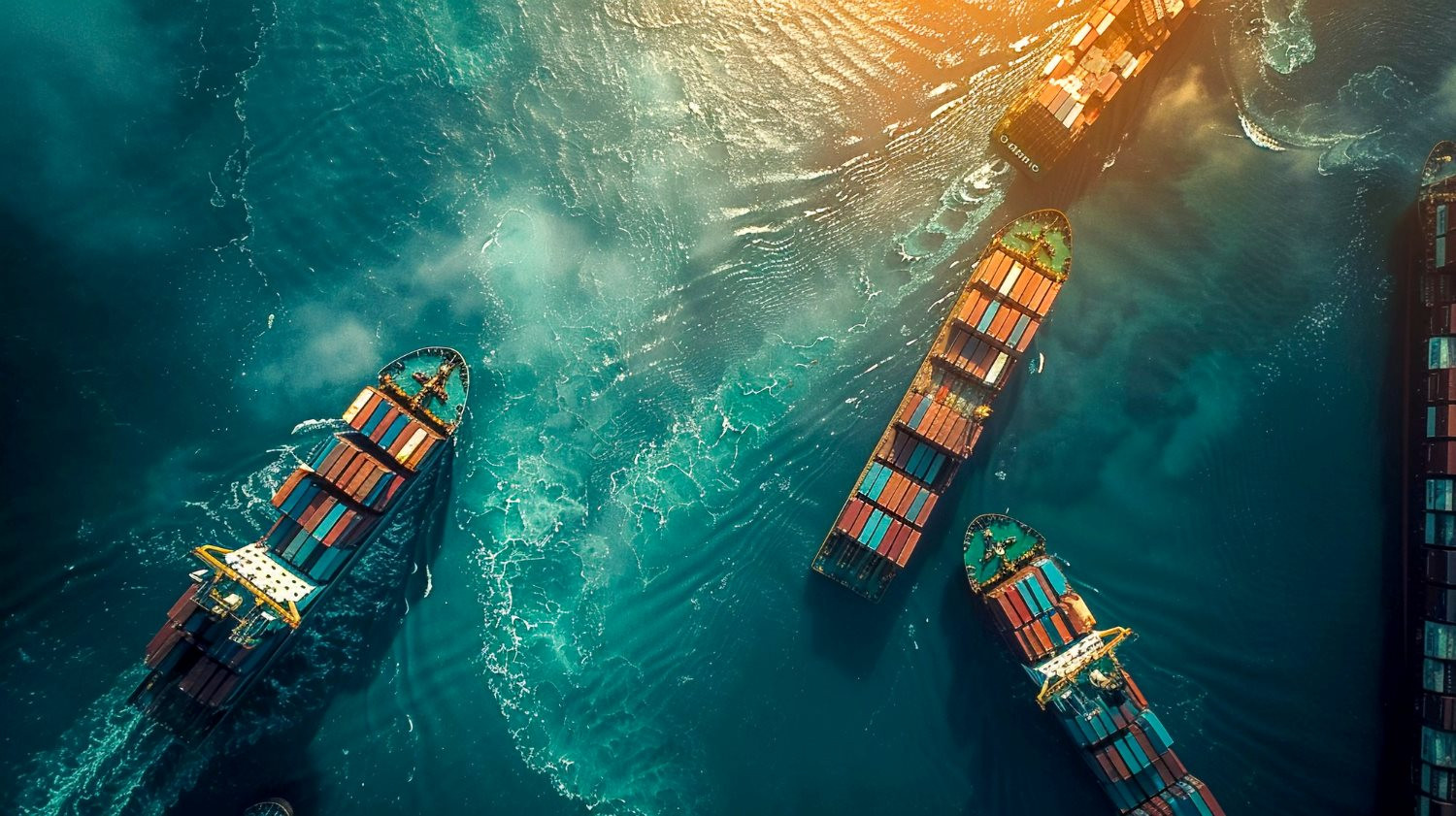
Hormuz differs from the Red Sea in the structure of cargo flows. It is the gateway to the Arabian Gulf, directly linked to oil and LNG exports and to major container hubs serving the UAE, Saudi Arabia, Qatar and Bahrain. When Hormuz is constrained, the impact goes beyond Asia-Europe container transit times and spreads into energy supply, bunker prices, war-risk insurance and regional feeder networks.
For container shipping, Xeneta said on 10 September that the strait remained effectively closed to container vessels. The market impact is visible in freight rates: spot prices from China to Khor al Fakkan were about USD 10,626 per FEU, up 479% from late February, while China to Jeddah was around USD 10,870 per FEU, up 256%. These increases reflect more than scarcity of slots; they incorporate rerouting, insurance, delays and operating uncertainty.
The Red Sea and Hormuz can no longer be treated as independent problems. Saudi Arabia has relied on its east-west infrastructure and the Red Sea port of Yanbu to reduce exposure to Hormuz. When security and energy infrastructure on the Red Sea side also come under pressure, the ability to bypass one chokepoint through another route becomes weaker. Regional risk is therefore interconnected: disruption at one passage can quickly raise pressure on pipelines, ports and alternative corridors elsewhere.
The two chokepoints affect shipping through different mechanisms. Red Sea/Suez conditions largely determine Asia-Europe voyage distance and how much vessel capacity is absorbed by Cape diversions. Hormuz directly affects oil, LNG and container networks serving the Arabian Gulf. A shipper can therefore benefit from renewed Suez transits while still facing high freight rates, war-risk surcharges, longer feeder arrangements and operational uncertainty when the final destination lies inside the Gulf.
Shippers need to buy routing optionality, not just a freight rate
In this environment, buying ocean transport purely on an A-to-B freight rate is increasingly risky. The same carrier may operate one service through Suez and another via the Cape; a schedule announced today can change if tomorrow's security assessment deteriorates. Shippers therefore need to understand the exact service string, physical routing, transshipment ports, diversion clauses and carrier response if a chokepoint closes again.
For Vietnamese exporters to Europe, a gradual return to Suez can shorten transit times and reduce working capital tied up in cargo at sea. But production and inventory planning should not immediately return to ultra-lean assumptions. A shorter route that remains unstable can still cause major losses if raw materials or finished products miss critical delivery windows.
For Middle East markets, the problem is more complex. Companies need to distinguish cargo bound for Jeddah and Red Sea ports from cargo serving the UAE, Qatar, Bahrain or eastern Saudi Arabia. A sales contract labelled simply “Middle East” may involve completely different logistics structures depending on which chokepoint the cargo must cross. Options involving Oman, ports outside Hormuz, cross-border trucking or alternative distribution points may need to be built into contingency plans.
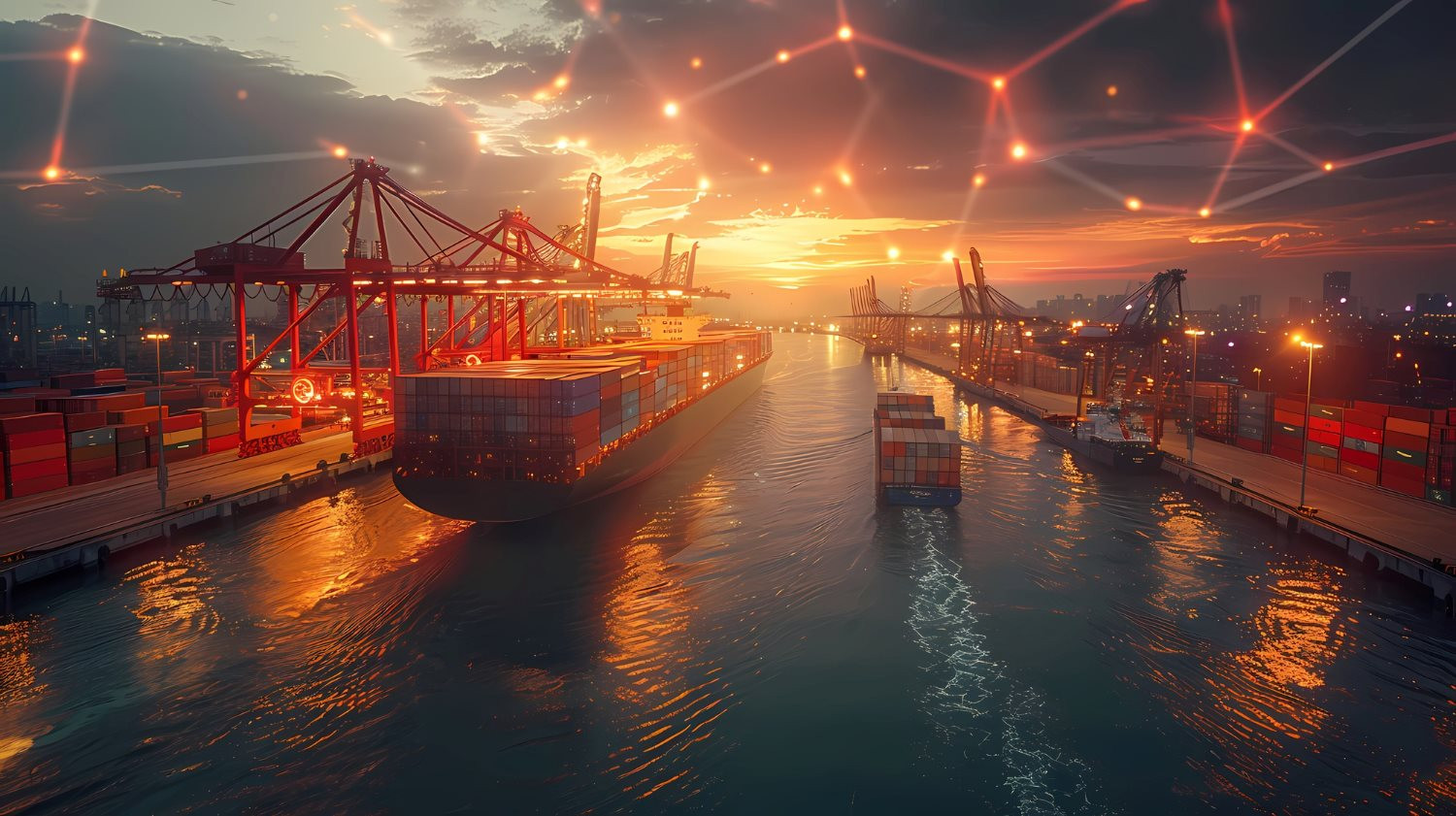
Procurement and logistics teams also need to bring geopolitical signals into the control tower in a practical way: monitor actual routing, ETA volatility, war-risk surcharges, equipment availability and capacity at alternative ports. This is not about predicting politics. It is about turning risk indicators into action thresholds - when to raise inventory, switch services, change ports or pay a premium to preserve reliability.
The events of 2026 underline a new reality in ocean shipping: one chokepoint can begin to reopen while another in the same region becomes more severely constrained. Maritime risk no longer has a single centre, and routing decisions cannot be based on the memory of the previous disruption.
A Red Sea recovery is positive, but the market has not returned to its old equilibrium. Competitive advantage will increasingly belong to supply chains with more choices - more routes, more ports, more inventory options and more switching capacity. In a world of overlapping chokepoints, the ability to change course at the right moment is becoming a core logistics capability.