

EUDR Deadline Approaches: Shipments Must Carry Coordinates
English - Ngày đăng : 14:00, 13/10/2026
From shipment to plot: traceability changes its unit of control
The EUDR covers seven commodities - cattle, cocoa, coffee, oil palm, rubber, soy and wood - together with relevant products listed in Annex I. Products placed on the EU market or exported from it must be deforestation-free, legally produced in the country of production and covered by the applicable due diligence requirements.
The critical cut-off date is 31 December 2020. Agricultural commodities cannot originate from land subject to deforestation after that date; for wood, the definition also addresses forest degradation. Land-use history therefore becomes part of market access rather than a separate sustainability report.
Operators must collect the geolocation of all plots where the relevant commodity was produced, together with the date or time range of production. Geolocation means latitude and longitude using at least six decimal digits. For non-cattle production plots larger than four hectares, polygons with sufficient points must describe the perimeter.
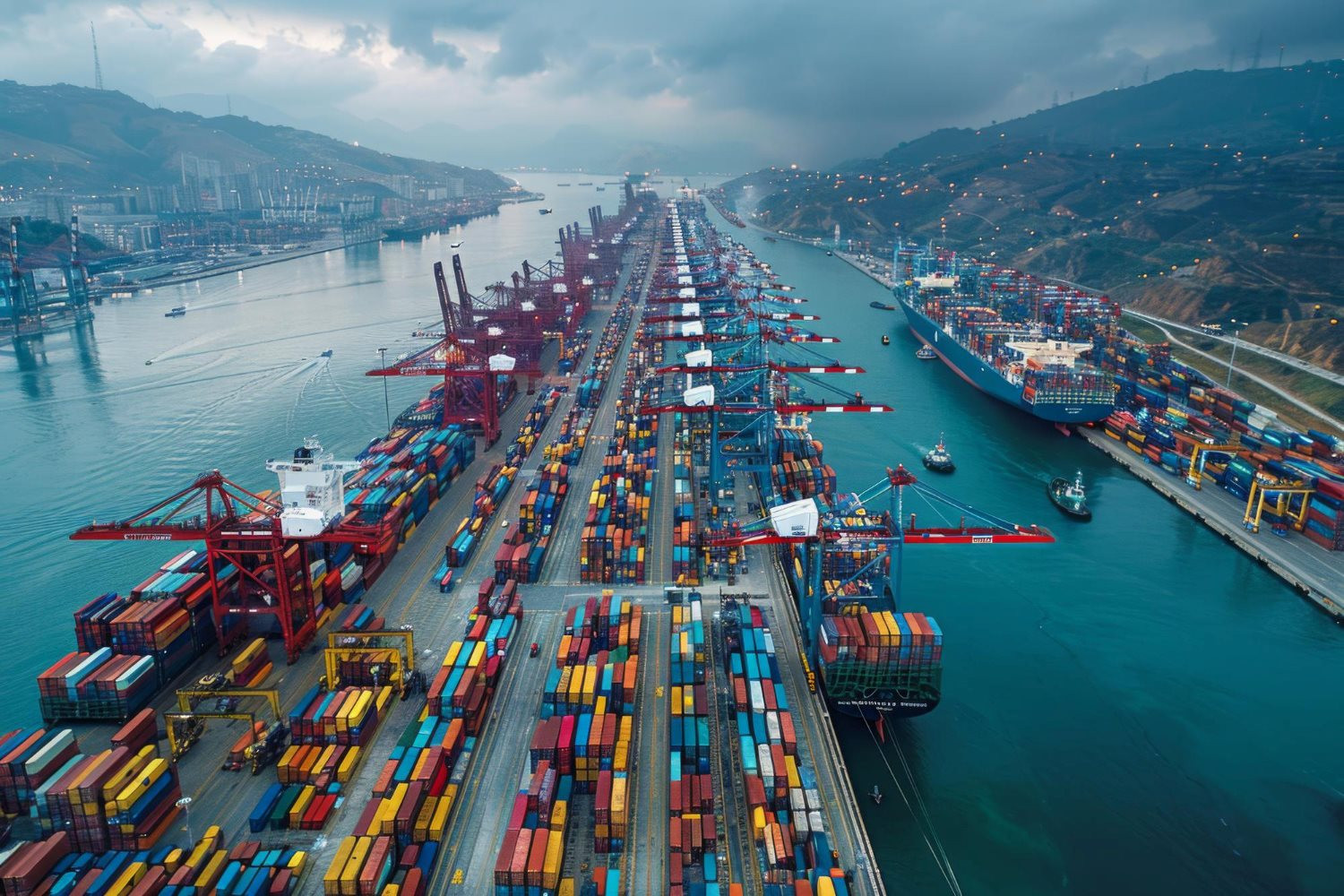
Aggregation creates the operational challenge. One coffee container may contain beans from many farms; rubber can pass through collectors; timber may come from several sources. If a product contains commodities from multiple plots, every relevant plot must remain covered by the traceability record.
Traceability therefore needs more than a container number or supplier name. It must preserve links between plot ID, farmer, harvest batch, warehouse lot, processing batch and shipment. If material is mixed and the upstream link disappears, a compliance gap appears even when product quality is acceptable.
Low risk does not mean 'no coordinates required'
Vietnam is classified by the EU as low risk. Operators sourcing exclusively from low-risk origins may use simplified due diligence after assessing supply-chain complexity and the risks of circumvention or mixing. Where legal conditions are met, they can avoid the full Article 10 and 11 risk-assessment and mitigation process.
Simplified due diligence does not remove information collection. Operators still need Article 9 data, including plot geolocation, production country, supplier, production period and evidence that the product is deforestation-free and legal. New information pointing to non-compliance triggers full risk assessment and mitigation.
The December 2025 amendment also shifted responsibilities. Due diligence statement submission is concentrated mainly on the first operator placing the product on the EU market or exporting it. Downstream operators and traders have fewer repeat filings, but reference information must still move through the chain.
A narrow simplified regime exists for qualifying micro or small primary operators in low-risk countries. They may use a one-time declaration and, in defined cases, a postal address or equivalent cadastral information instead of geolocation. This is not a blanket exemption for Vietnamese farmers or exporters.
The EUDR applies from 30 December 2026 to large and medium operators and to micro or small operators already covered by the EU Timber Regulation; most other micro and small operators have until 30 June 2027. The extra time is for building systems, not postponing farm mapping.
Under EUDR, each shipment effectively needs an origin passport containing at least: plot ID and geolocation; farmer or supplier; production period; raw-material batch; processing lot; shipment reference; evidence that no deforestation occurred after 31 December 2020; and information demonstrating legal production. In multi-collector supply chains, the hardest task is not capturing coordinates once, but preventing those coordinates from becoming detached from the physical lot during aggregation, processing, storage and export.
Vietnam: From farm mapping to data-driven logistics
Coffee, timber and rubber are Vietnam's most directly exposed sectors. During 2026, the EU Delegation released studies on traceability tools, EUDR preparedness, rubber-sector synergies and forest-cover maps, showing that the discussion has moved from awareness to implementation infrastructure.
Coffee illustrates fragmentation. Beans can move from farmer to collector, cooperative, processor, trader and exporter. Every bulk consolidation can break the relationship between the physical lot and its polygons. Exporters need lot coding strong enough to identify the production plots represented in each export batch.
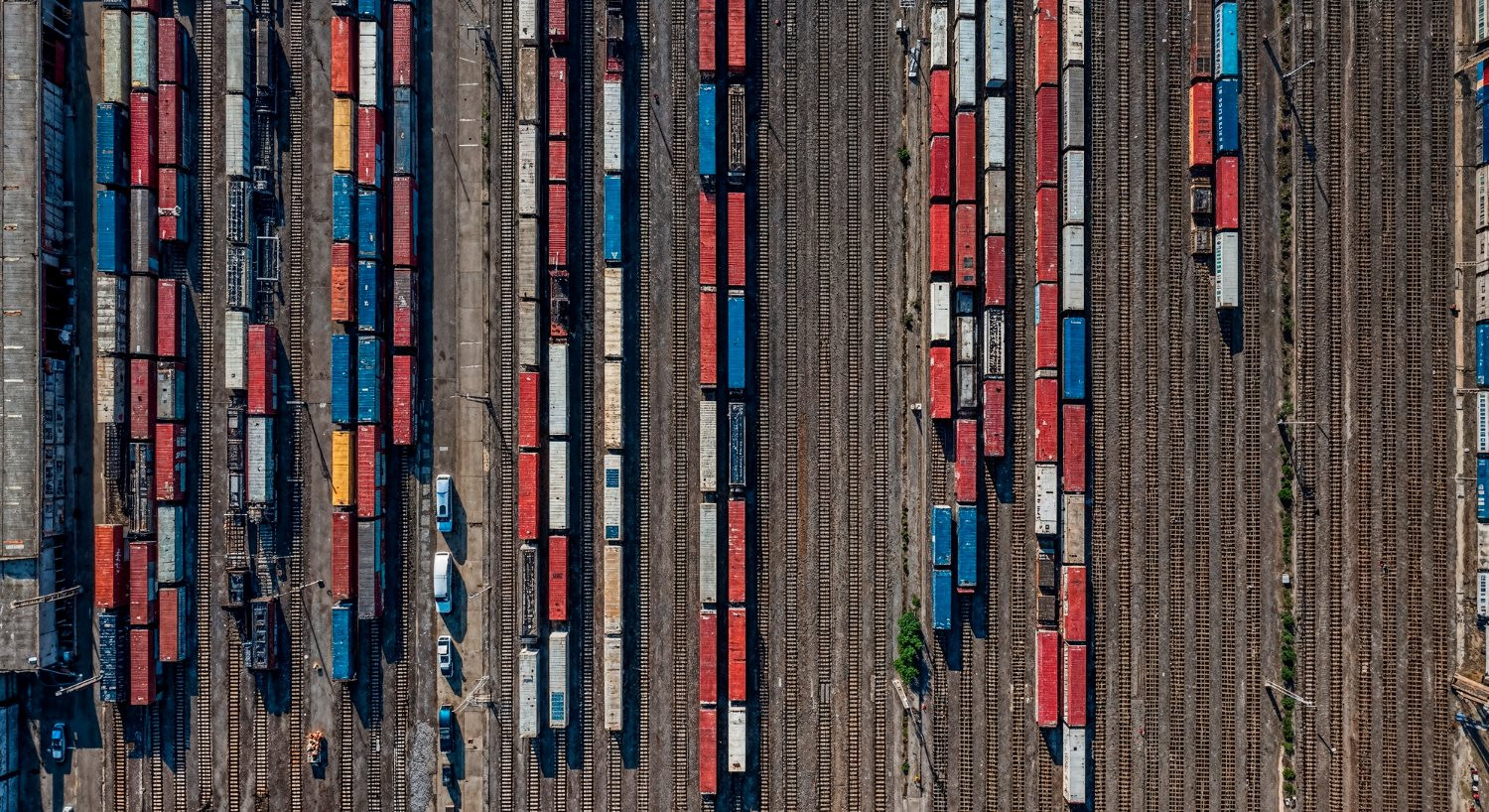
Rubber can be harder because latex or cup lump may be mixed through multiple collection points. A production batch must carry its origin set, not merely the processor name. The EU also updated Annex I in 2026, removing some rubber products from scope, so HS classification should be confirmed before compliance workflows are built.
Timber has a stronger legality-traceability foundation through VNTLAS, EUTR and FLEGT, but EUDR adds deforestation, forest-degradation and geospatial evidence. Existing legality records must connect to plot-level information and harvest dates. Certification such as FSC can support evidence but does not replace EUDR obligations.

3PLs and forwarders may not be the EUDR operator, but they hold important data: warehouse lots, stuffing records, container numbers, seals, bookings and transshipment events. If shipment X must correspond to production batch Y, logistics data needs to connect with the traceability platform rather than remain isolated.
Companies can adopt a no-orphan-lot rule: no batch enters production or export without a valid upstream identifier; no lots are merged unless origin sets are preserved; no last-minute supplier or plot substitution is accepted until compliance records are updated. EUDR then becomes an operational control.
By September 2026, the Commission was still updating Annex I and the Information System. Companies therefore need version control for product scope, HS codes and required data. The core rule remains stable: products must be legal, deforestation-free and traceable enough for the EU operator to assume responsibility.
EUDR changes a basic logistics assumption: a shipment is no longer fully identified by its container number, bill of lading and commercial documents. For forest-related commodities, shipment identity begins at the production plot.
Vietnam's low-risk classification is an advantage, not a substitute for data capability. Companies that move first will connect coordinates, batches and legality records into a continuous evidence chain from farm to port. Geolocation then becomes part of the logistics infrastructure required to preserve EU market access. For exporters, this also reduces last-minute document reconciliation, improves customer confidence and allows verified source data to be reused more efficiently across repeated shipments from the same production network.