

Which Route Should BESS Take?
English - Ngày đăng : 14:00, 15/10/2026
This is not ordinary equipment freight: lithium batteries may be dangerous goods, enclosures can be heavy, site access can restrict axle loads, and commissioning depends on each unit arriving in the right sequence and condition. BESS logistics therefore sits at the intersection of dangerous goods and project cargo.
A BESS enclosure is not an ordinary container
The market is scaling rapidly. The IEA reports that 108 GW of battery storage was added globally in 2025, 40% more than in 2024. Around 80% of additions were utility-scale and LFP accounted for about 90% of deployments. As projects scale, logistics becomes a repeated project movement rather than a single container booking.
A utility-scale system can include battery enclosures, power-conversion systems, transformers, switchgear, energy-management systems, HVAC, fire detection and suppression, and cables. Some designs integrate several components inside one enclosure while others separate battery blocks from PCS and transformers. This architecture directly affects packaging, lifting, stowage, dangerous-goods classification and delivery sequence.
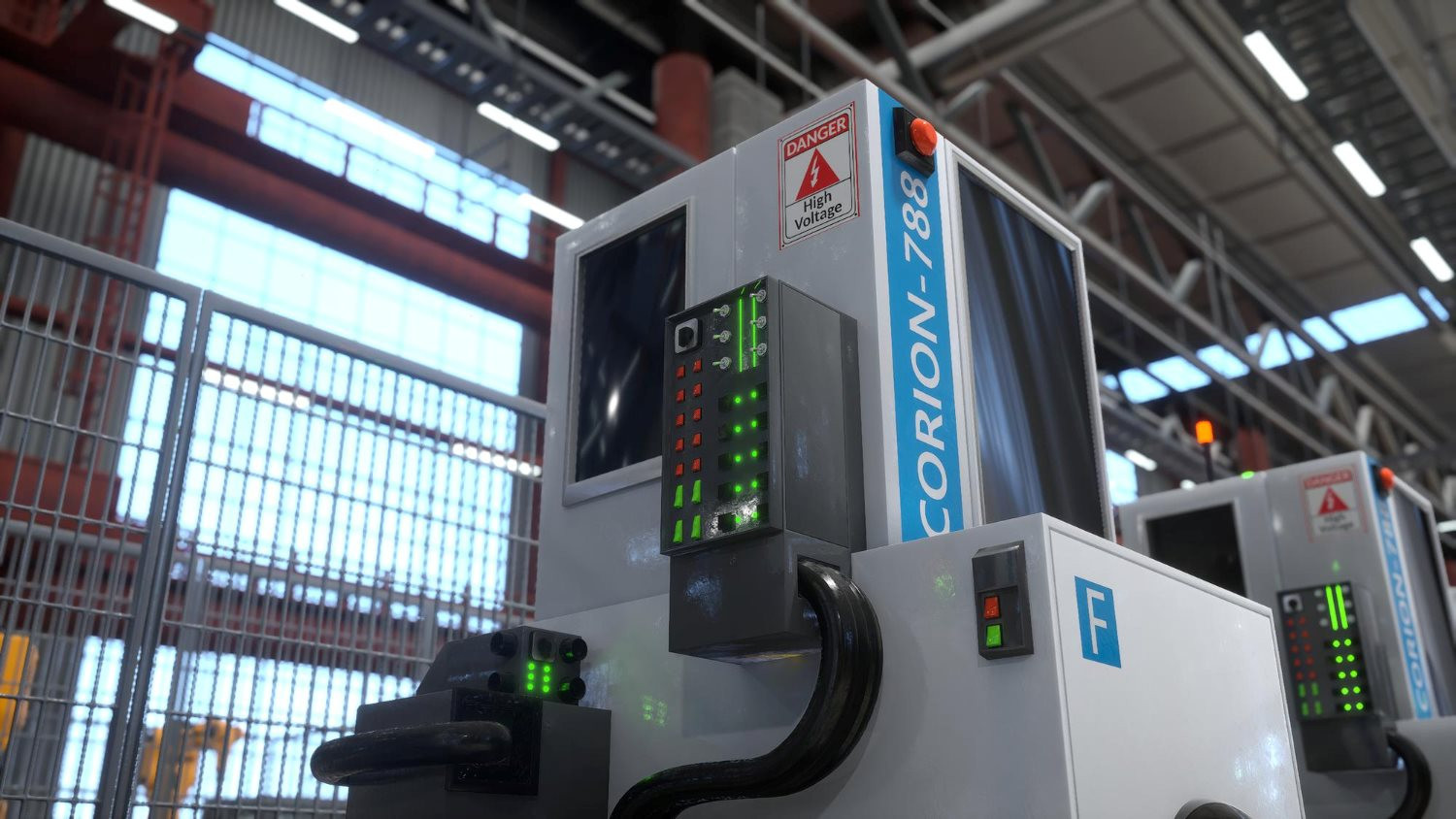
Lithium-ion batteries installed in a cargo transport unit and intended to provide power external to that unit may be described as UN 3536, Class 9, when the applicable conditions are met. PHMSA interpretations published in 2026 stress that correct classification remains the shipper's responsibility. Batteries must be secured within the unit and protected against short circuit, accidental operation, overcharge, over-discharge and transport movement as required.
Ocean transport is therefore the natural mode for most containerized BESS flows because the units are heavy and projects involve many repetitions. The IMDG Code 2024 Edition, Amendment 42-24 became mandatory on 1 January 2026, making correct UN identification, shipping description, Class 9 markings, documentation and stowage essential. Battery modules or spares moved by air fall under a different layer of IATA battery rules.
One classification should not be assumed for every energy-storage system. Sodium-ion and hybrid chemistries are entering the market, and the 2025 UN Model Regulations introduced revised entries for new battery combinations and batteries installed in cargo transport units. Logistics teams need to classify the actual design, chemistry and transport mode rather than rely on the marketing label 'energy storage container'.
Project logistics really starts on the last mile
Arrival at the port is only half the journey. A BESS enclosure may resemble an ISO container but have different weight distribution, lifting points and centre of gravity. Forwarders need to check trailer configuration, axle loads, bridge limitations, turning radius and crane access at site. One unsuitable junction can delay an entire block-delivery program.
Route surveys should therefore be completed before cargo leaves the factory. They need to assess dimensions, permissible travel windows, populated areas, substation access roads, ground bearing capacity and turning space. If units are delivered directly onto foundations, civil works and access roads must be ready. Otherwise, the project needs a staging area with adequate separation and emergency arrangements.
Delivery sequence is part of project control. Battery blocks arriving too early create hazardous inventory and consume site space; arriving late leaves cranes, transformers or commissioning teams waiting. A robust logistics plan links vessel schedules with construction schedules, identifies which blocks are needed first and defines how delivery aligns with energisation windows.
Condition monitoring matters as well. Shock, tilt, water ingress and visible mechanical damage should be captured at handover after sea transport and repeated lifting. An enclosure with suspicious impact should not move directly into commissioning simply because the seal remains intact. Quarantine and technical-inspection rules should be agreed among OEM, EPC and logistics provider before shipment.
Fire risk changes emergency planning. Transport teams need battery information, emergency contacts, isolation procedures and a clear response if a unit is damaged or shows abnormal heating. Drivers and terminal staff do not need to be battery engineers, but they need stop criteria and escalation procedures that prevent a questionable unit from continuing through the chain.
A BESS shipment should leave the factory only when six layers are clear: battery chemistry and transport classification; enclosure condition; last-mile route and axle limits; lifting and handling plan; site readiness and delivery sequence; and emergency response for damaged units or abnormal heating. BESS combines project-cargo complexity with dangerous-goods risk. Optimizing ocean freight alone while ignoring site access, staging and commissioning sequence can create delay costs far greater than the freight savings.
Turning storage targets into BESS logistics capability
Vietnam's revised Power Development Plan targets around 10,000-16,300 MW of battery storage by 2030 and close to 96 GW by 2050, located near renewable generation or major load centres. In 2026, the Ministry of Industry and Trade also confirmed that concentrated solar projects are expected to combine storage equal to at least 10% of installed solar capacity for two hours. That creates a sizeable future project pipeline.

Deployment is already moving beyond planning. EVNHANOI commissioned five BESS installations at five 110 kV substations in July 2026, totaling 50 MW/100 MWh. EVNNPC plans 530 MW in total, including an initial 305 MW/610 MWh phase. On 21 August 2026, its first 5 MW/10 MWh BESS in Ninh Binh entered operation.
As the pipeline grows, logistics should enter FEED and EPC tenders early. Developers need more than an equipment CIF or CIP price: they need the port of entry, dangerous-goods acceptance, customs plan, inland route, staging area, crane plan, delivery sequence and packing-material return flow. Choosing a different OEM enclosure can completely change the logistics solution if axle or bridge limits are exceeded.
Vietnamese ports also need to prepare for larger BESS flows. Terminals may have different acceptance policies for UN 3536 or other battery cargo. Segregation, emergency response and documentation should be confirmed before booking. Port choice should be evaluated together with road conditions and distance to site, not only ocean freight.
3PLs and forwarders can create dedicated BESS project desks combining dangerous-goods specialists with project-cargo teams. Core capabilities include classification review, DG booking, route surveys, permits, heavy transport, lifting coordination, condition reporting, milestone tracking and exception management. These services directly protect EPC schedules and can command more value than routine forwarding.
Insurance and contract design also need to reflect responsibility across the chain. Who decides what happens if an enclosure is impacted at the terminal, if the site is not ready and storage is required, or if a transporter identifies damage but the EPC contractor still requests delivery? SOPs, survey protocols and stop-work authority should be defined before the first unit moves.
Finally, BESS data should travel with each unit. Serial number, battery chemistry, test records, dangerous-goods documents, shock or tilt events, inspection results and delivery milestones can form a digital shipment history. When commissioning receives the enclosure, it should receive not only the physical asset but enough logistics evidence to decide whether the unit can be energized safely.
Every megawatt of BESS must first become cargo that can move safely. The question 'Which route should BESS take?' therefore extends beyond ocean versus road.
Success depends on integrating dangerous-goods compliance, project logistics, site readiness and commissioning. As Vietnam scales from pilots to thousands of megawatts, specialist BESS logistics will become part of its new-energy deployment capability.