

When Risk Moves from Sea to Land
English - Ngày đăng : 08:00, 23/10/2026
The risk does not disappear; it changes location. Supply-chain resilience can therefore no longer be measured simply by the ability to bypass one chokepoint, but by the ability to keep cargo moving through multiple layers of alternative infrastructure.
The sea remains volatile, but diversion is not enough
The Red Sea continues to illustrate the vulnerability of international trade. In July 2026, the International Maritime Organization again warned about attacks on commercial shipping in the region. Earlier, UN Trade and Development (UNCTAD) documented how rerouting around the Cape of Good Hope lengthened voyages and raised fuel, insurance and vessel-capacity requirements. Global ton-miles increased by nearly 6% in 2024, showing that transport distances were growing much faster than underlying trade volumes.
The market’s natural response has been to seek alternatives: switching ports, combining ocean freight with rail, using cross-border trucking corridors, or relying more heavily on inland distribution centers. These measures can reduce dependence on a single maritime route. Yet a shift inland also changes the structure of vulnerability.
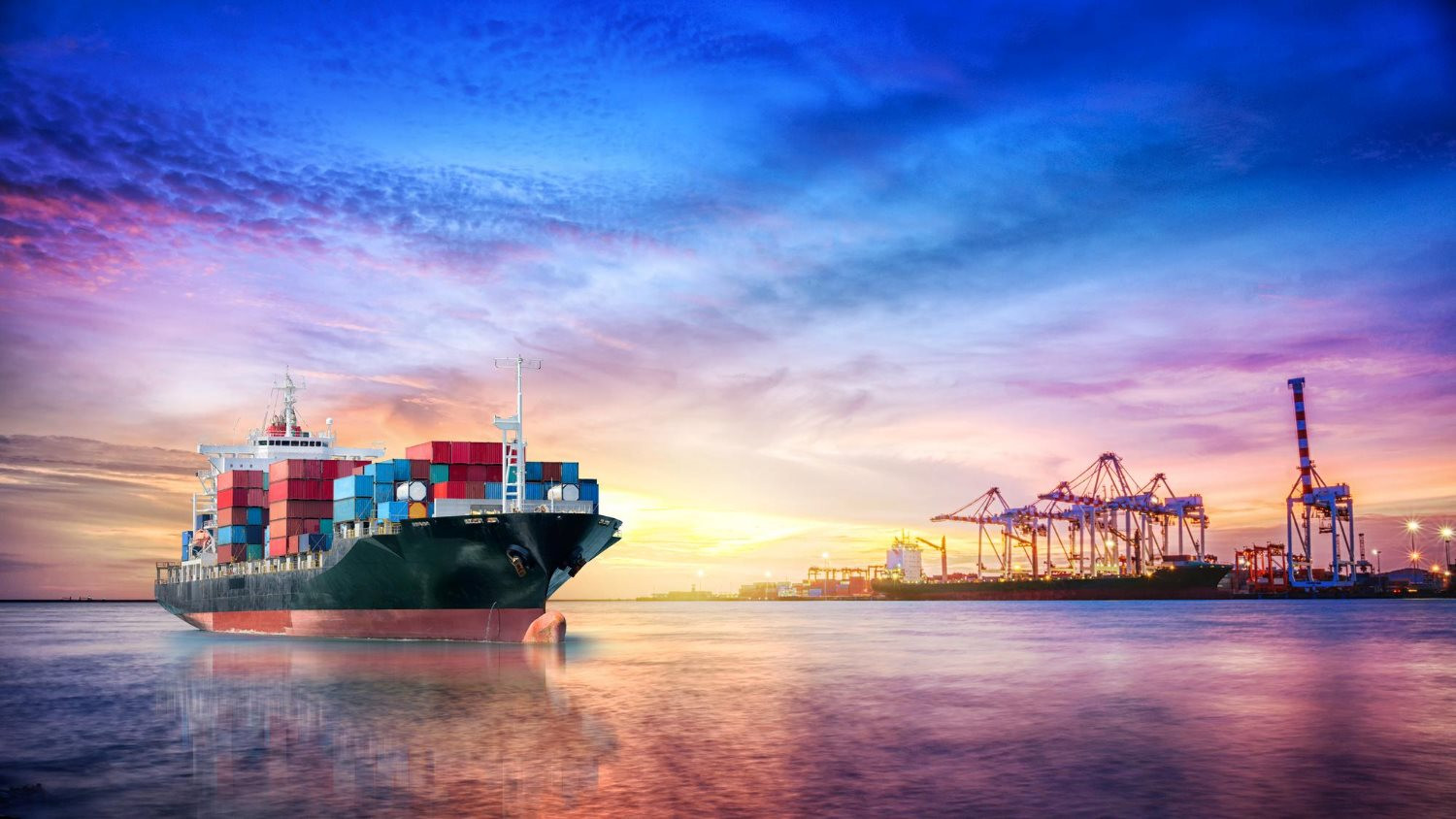
A railway bridge, intermodal terminal, fuel depot, border gate, power substation or data link may not carry the symbolic weight of an international strait, but disruption at any one of these points can break an entire corridor. Road and rail networks are tightly constrained by geography, borders, technical standards and customs capacity, so rerouting can be difficult and slow.
The logistics rear area is becoming part of the risk zone
The World Economic Forum’s Global Risks Report 2026 places geoeconomic confrontation and state-based armed conflict among the most prominent risks for the year. For logistics, the report’s discussion of critical infrastructure is particularly relevant: energy pipelines, satellite networks, communication cables, navigation systems and transport networks can all be exposed to physical, cyber and hybrid disruption.
The war in Ukraine provides a clear example of how the geography of logistics risk can expand. In 2026, drone and missile attacks have affected not only frontline areas but also railways, grain ports, energy facilities and other nodes supporting the movement of goods. Reuters reported, citing Ukraine’s state railway operator, that more than 1,700 railway facilities had been attacked during 2026. The significance for supply chains is straightforward: pressure can be applied far from the traditional battlefield, at infrastructure once regarded as part of the logistical “rear”.
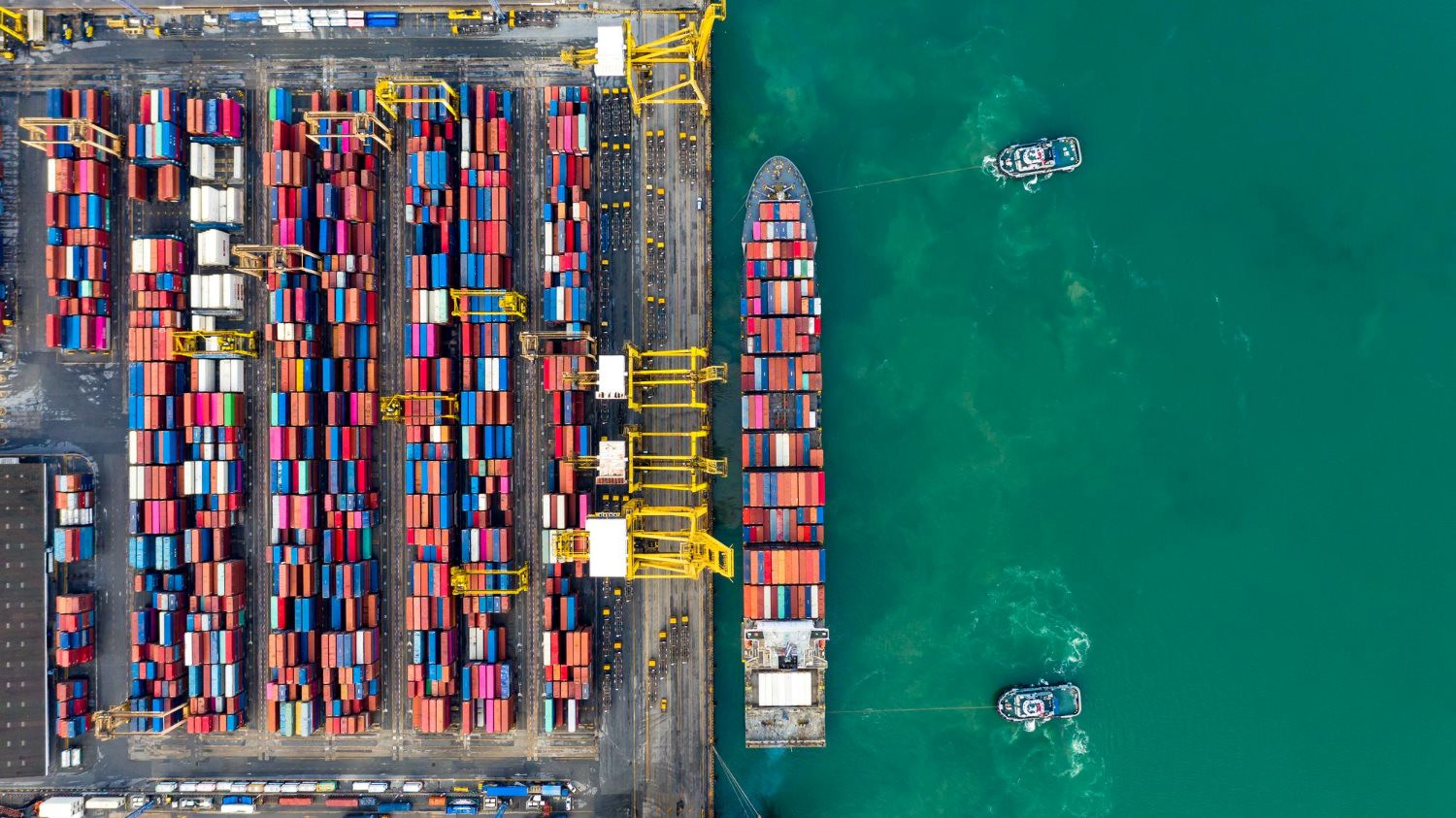
The same pattern can be seen when maritime disruption forces cargo toward new gateways. As Black Sea risks intensify, exporters may rely more heavily on Baltic or Arctic ports, which in turn increases the importance of rail capacity connecting production regions with those ports. Each diversion creates a new chain of dependencies: locomotives, wagons, terminal slots, electricity, labor, border procedures and synchronized schedules. A route that looks safer on a geopolitical map may still be fragile operationally if it concentrates cargo on a small number of inland bottlenecks.
War risk is therefore no longer only a question of whether a vessel transits a dangerous sea area. It can appear as a blocked road, a power interruption, jammed navigation signals, a cyberattack on customs systems, tighter border controls, or sanctions that suddenly alter payment, insurance and transport arrangements. Companies need to view risk as a network of nodes and corridors rather than as a set of separate transport modes.
The essential question is not whether sea or land is safer, but whether the network contains genuinely independent alternatives. A backup route is useful only when port, rail terminal, border-crossing, warehouse, carrier, insurance, data and transition capacity have already been tested. If every alternative still depends on the same bridge, border gate or digital system, diversification exists only on paper. Resilience comes from redundancy that works under stress, not from the number of routes drawn in a plan.
From multimodal transport to multi-scenario resilience
This issue matters particularly to Vietnam, a highly open economy whose export manufacturing is deeply integrated into cross-border supply chains. Vietnam’s Logistics Services Development Strategy for 2025–2035, with a vision to 2050, emphasizes synchronized logistics infrastructure, regional connectivity, international links, digital transformation and the development of efficient transport modes. In a more volatile geopolitical environment, those priorities need to be accompanied by multi-scenario risk management.
At the company level, the first step is to map the supply chain down to individual nodes: ports, rail terminals, border crossings, inland warehouses, energy sources, data providers and transport contractors. Each node should be assessed for substitutability, recovery time and dependence on other infrastructure. This turns resilience from a broad aspiration into something that can be measured and managed.
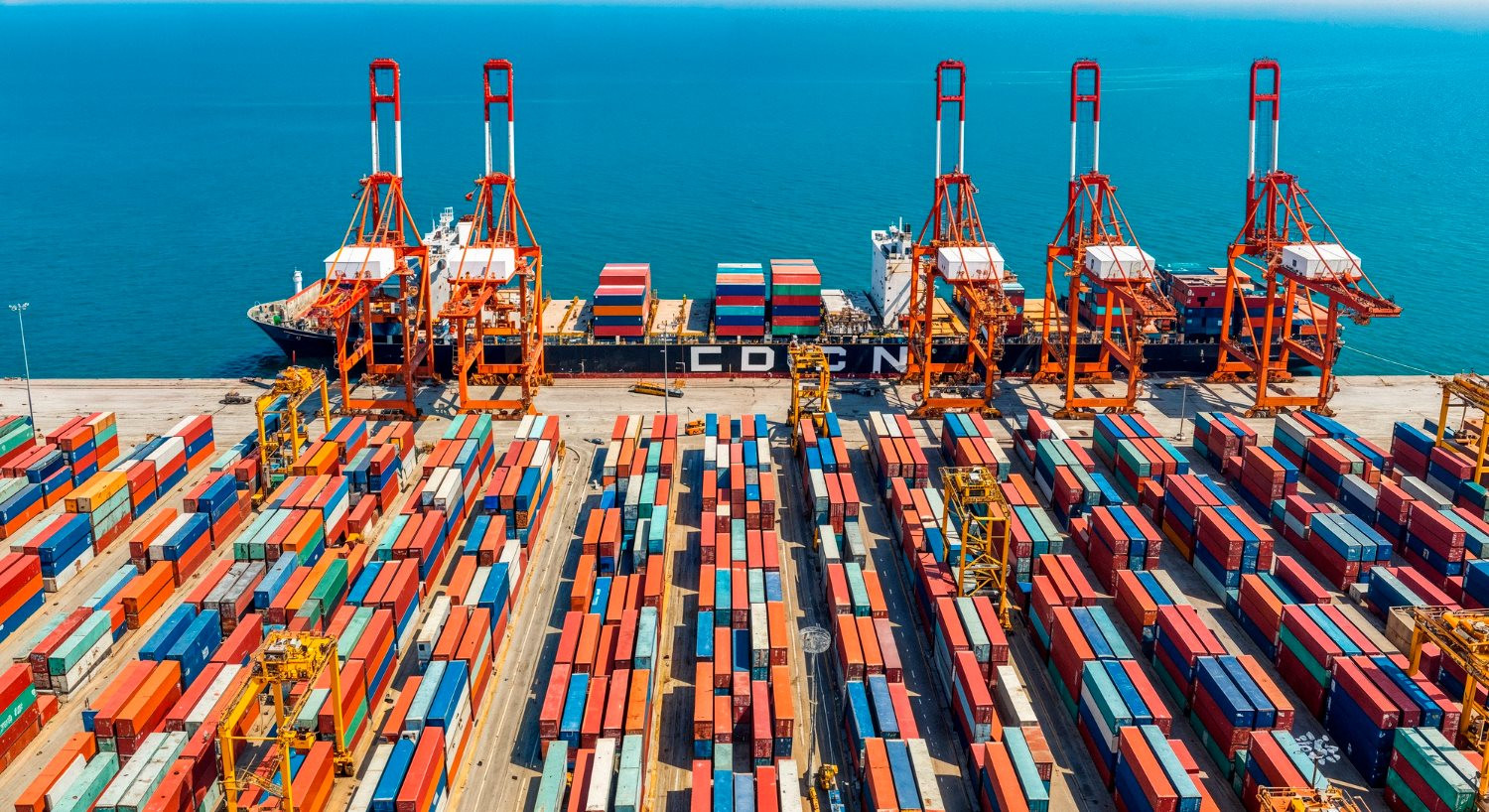
The second step is to build real contingency routes, not merely alternative lines on a map. A company may maintain a “primary route – conversion route” model in which the secondary option already has transport partners, warehouse capacity, contractual terms, insurance arrangements and customs data prepared in advance. For strategic inputs or items with long replenishment lead times, carefully calibrated buffer inventory remains useful, provided it reflects both capital cost and the criticality of the item.
Finally, geopolitical risk needs to become part of daily logistics management. Logistics teams can no longer monitor freight rates alone. They also need visibility into security alerts, war-risk insurance conditions, border restrictions, infrastructure status, fuel prices and cyber threats. When such information is integrated into a control tower or common dashboard, companies can activate contingencies before cargo flow is interrupted.
War risk is changing the geography of supply chains. The sea remains a major arena of exposure, but land can no longer be treated as a default safe zone. In a world where physical infrastructure, data and energy systems are increasingly interdependent, the strongest strategy is not to search for a route with “no risk.” It is to build a supply chain that can continue operating when any single route or node fails. In modern logistics, the ability to keep moving matters more than the ability to move fastest.