

Inland waterways: getting delta containers to port on time
English - Ngày đăng : 20:00, 26/10/2026
Routes must match vessels and operating schedules
A river route that looks short on a map may not deliver cargo quickly. Operators need to check channel depth, bridge clearance, turning locations and berthing conditions for the vessel they intend to use. Bridge clearance is the space available beneath a bridge. It must be checked against the height of the barge with containers loaded and the water level expected when the vessel passes, rather than treated as a fixed allowance for every journey.
On 21 June 2024, the World Bank approved a US$107 million credit for the Southern Waterway Corridors and Logistics Development Project. Its announcement stated that East–West Corridor upgrades were expected to reduce the transport distance between Can Tho and Ho Chi Minh City by about 30%. This is an anticipated project benefit, not evidence that every container journey is already faster or cheaper. Service commitments still need to reflect the route that vessels can currently use.
World Bank procurement preparation information published in 2026 identifies proposed improvements to Cho Lach, Rach Ky Hon and Rach La canals, and the Mang Thit and Tra On rivers. It describes planned works and market engagement to prepare procurement. Businesses designing a transport service should therefore confirm the conditions available for current operations. Capacity anticipated after upgrading should not be used as though it were already available when promising a delivery date to a customer.
Water levels can also change the load carried on each voyage. In a release dated 10 September 2026, the Central Commission for the Navigation of the Rhine (CCNR) reported that low water had reduced loading capacity even though navigation had not been completely interrupted. This experience suggests that available capacity must be assessed under actual conditions. Keeping a route open does not mean every vessel can continue to carry its usual full load.
For a delta route, the schedule should account for both sailing time and the periods when vessels can safely pass bridges and enter terminals. When conditions change, the operator should reassess accepted volumes and notify shippers early. A road contingency is useful only while sufficient time remains to arrange trucks and deliver the containers before the receiving port’s deadline. The decision point for using that alternative should be established before the barge departs.

Consolidate cargo and coordinate handling times
A regular barge departure could be supported by consolidating containers from several businesses at a suitable river terminal. Waiting too long to complete a load, however, can undermine the schedule. The organizer should define the minimum volume for departure, the terminal’s cargo acceptance deadline and the response when bookings fall short. This allows a shipper to distinguish a scheduled service from a proposed voyage that still depends on finding enough cargo to sail.
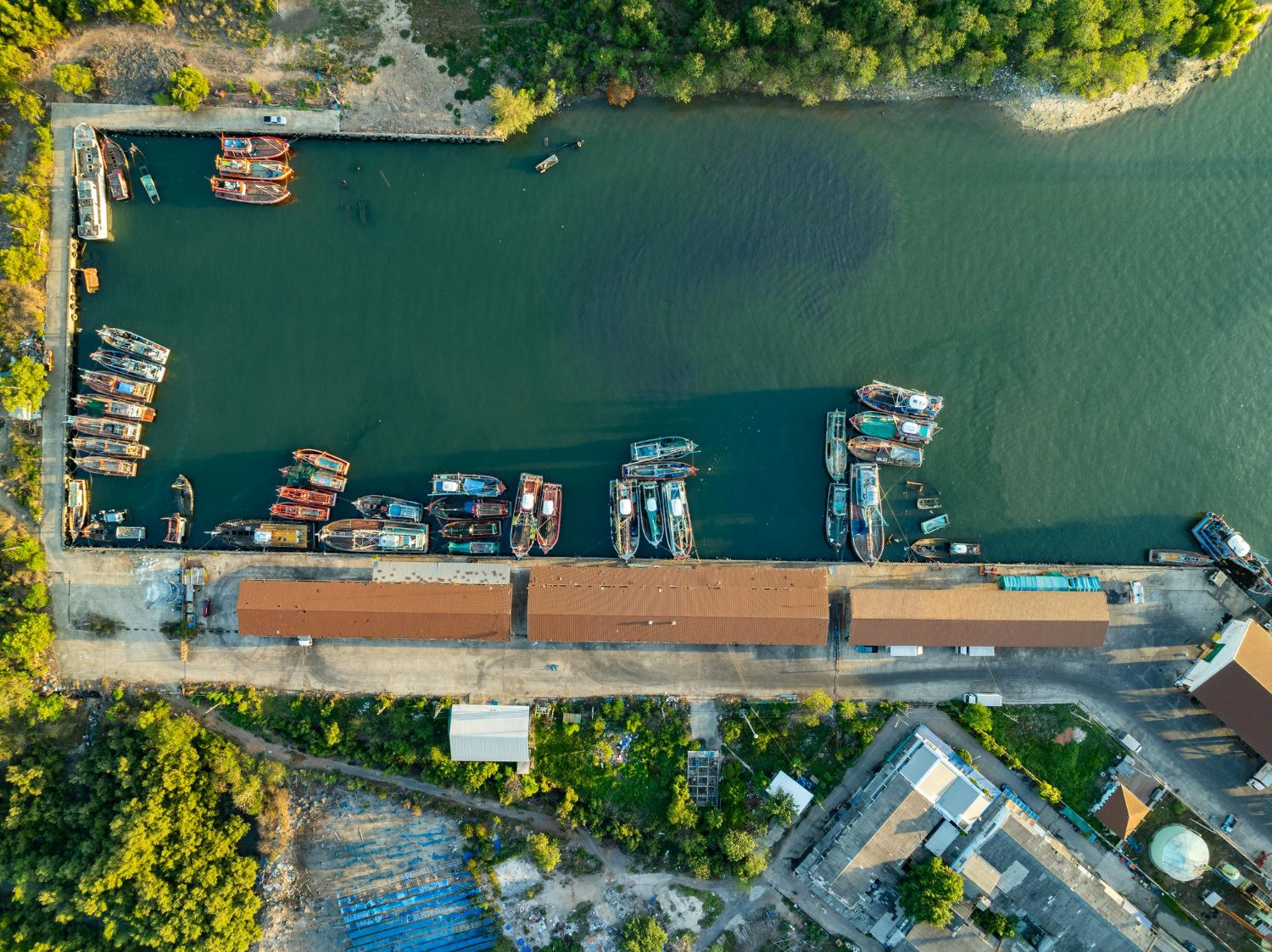
Saigon Newport Corporation’s description of Tan Cang – Cat Lai Port identifies a separate berth dedicated to barges and rice packing. It provides an example of facilities designed for waterborne cargo handovers. A berth alone does not establish that an arriving container will be handled immediately. Reception plans also need to reflect lifting equipment, yard space and the port’s operating schedule. The service proposal should confirm those arrangements rather than infer them from the existence of dedicated infrastructure.
On 22 February 2024, the Port of Rotterdam reported that vessels participating in Nextlogic, its integrated planning system for inland container handling, spent up to 20% less time in port on average. The reported result applies to participants in Rotterdam. The transferable lesson concerns coordination between terminals and vessel operators. That percentage should not be presented as an automatic forecast for Vietnamese ports or as a saving guaranteed by installing a similar planning system.
For a service in southern Vietnam, the parties should agree on barge arrival times, the container exchange at each call and expected completion times. If a voyage visits several terminals, its plan must include movement and waiting time at every stop. Changing the order of calls could help one consignment meet its deadline, but the consequences for other cargo on the same vessel also need to be checked before making that change.
For export containers, arrival in port waters is different from completed cargo acceptance. The schedule must allow time for unloading, handover, resolving discrepancies and the associated procedures. Shippers should receive a river-terminal delivery deadline that fits the booked ocean sailing, together with a contact responsible for warning them when the journey risks falling behind. Coordination is useful only if that warning arrives early enough for the shipper and operator to act on it.
Before booking a barge, confirm the route, bridge passage conditions, accepted load and handling schedule at the destination port. The river-terminal delivery deadline must allow enough time to meet the ocean vessel’s cargo acceptance deadline. The quotation should cover collection trucks, lifting and storage. Agree when a contingency will be activated so that switching to road transport remains feasible. Those checks should establish whether the proposed voyage can serve the shipment, rather than simply whether a vessel has space available.
Choose suitable flows and assess the entire journey
Comparing barges with trucks requires the same origin, destination and delivery requirement. Beyond the waterway rate, the assessment should include trucking to the river terminal, lifting, storage and charges at the destination port. If a delay causes cargo to miss its ocean sailing, waiting for the next vessel can alter the comparison. A low quotation for the river leg alone does not establish that shifting the shipment will reduce the business’s actual cost.
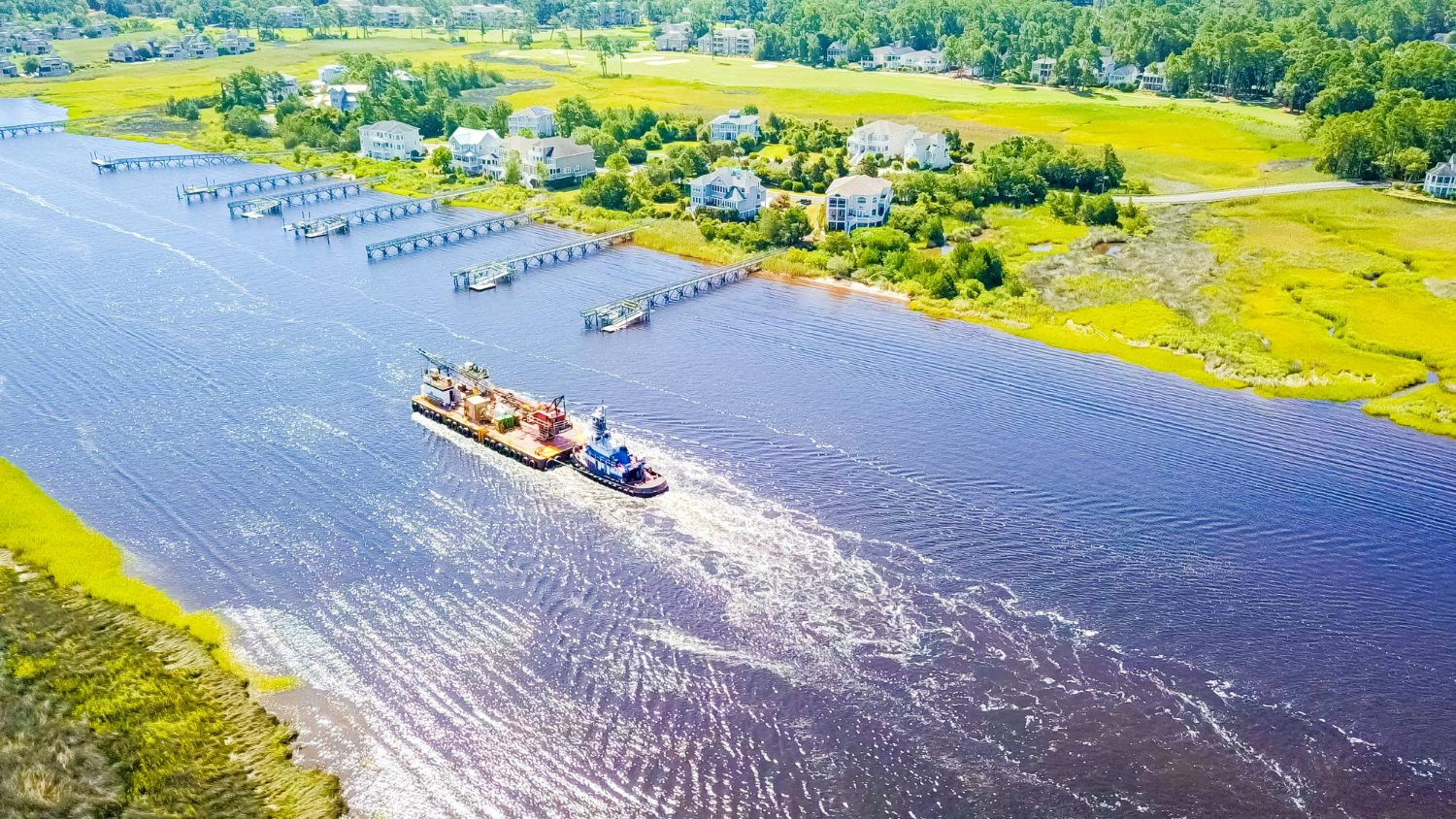
Cargo with relatively regular volumes and suitable delivery lead times is a sensible starting point for assessment. Urgent orders or dispersed shipments may require a combination: barges for the predictable portion and trucks where flexibility is needed. Allocation should follow the actual dispatch plan. A target to transfer every container to waterways at the outset could create commitments that the proposed service cannot consistently meet, even if some flows are well suited to barge transport.
A trial should cover several voyages and record river-terminal waiting time, sailing time and the time needed to complete handover at the destination port separately. It should include smooth journeys and those affected by water levels or changes in reception schedules. The share of containers accepted before the required deadline, total cost and frequency of switching to trucks give shippers evidence of service quality. These measures also identify which stage requires improvement before expanding the service.
River-terminal investment should consider access roads, truck waiting areas and the ability to serve surrounding production locations. A berth with capable lifting equipment can still leave cargo waiting if collection vehicles miss their appointments. Environmental comparisons should likewise cover the complete journey. Fuel use and actual cargo carried, including the connecting road legs, need to be assessed before a provider announces an emissions reduction to customers. Vessel capacity by itself cannot establish the environmental performance of a particular shipment.
Inland waterways can attract more containers when businesses can buy a journey that meets their export schedule. Better channels need to be accompanied by cargo consolidation, coordinated handling times and road access at river terminals. Once costs and delivery deadlines have been tested through actual voyages, shippers have a basis for using barges in their regular transport plans. The service should expand with that evidence, so that additional volume supports dependable departures and timely port handovers.