

Coastal shipping in Vietnam’s north–south distribution network
English - Ngày đăng : 08:00, 27/10/2026
Organize sea services around regional cargo flows
In a north–south distribution network, coastal shipping moves goods between domestic ports to serve production and domestic markets. This flow should be distinguished from containers being moved to a gateway port for export. Both can use the same infrastructure, but their destinations, handover arrangements and service objectives differ. For domestic cargo, the regional warehouse and the customer in Vietnam are the final destinations that the network must be designed to serve.
Eurostat figures published in March 2026 show that European Union (EU) short sea shipping carried an estimated total of more than 1.6 billion tonnes in 2024, with containerized goods accounting for 17.9% of total weight. The coverage includes movements between EU ports and ports in geographical Europe, the Mediterranean and the Black Sea, including international routes. These figures illustrate the scale of a regional maritime network. They are not domestic cargo volumes that can be compared directly with the Vietnamese market.
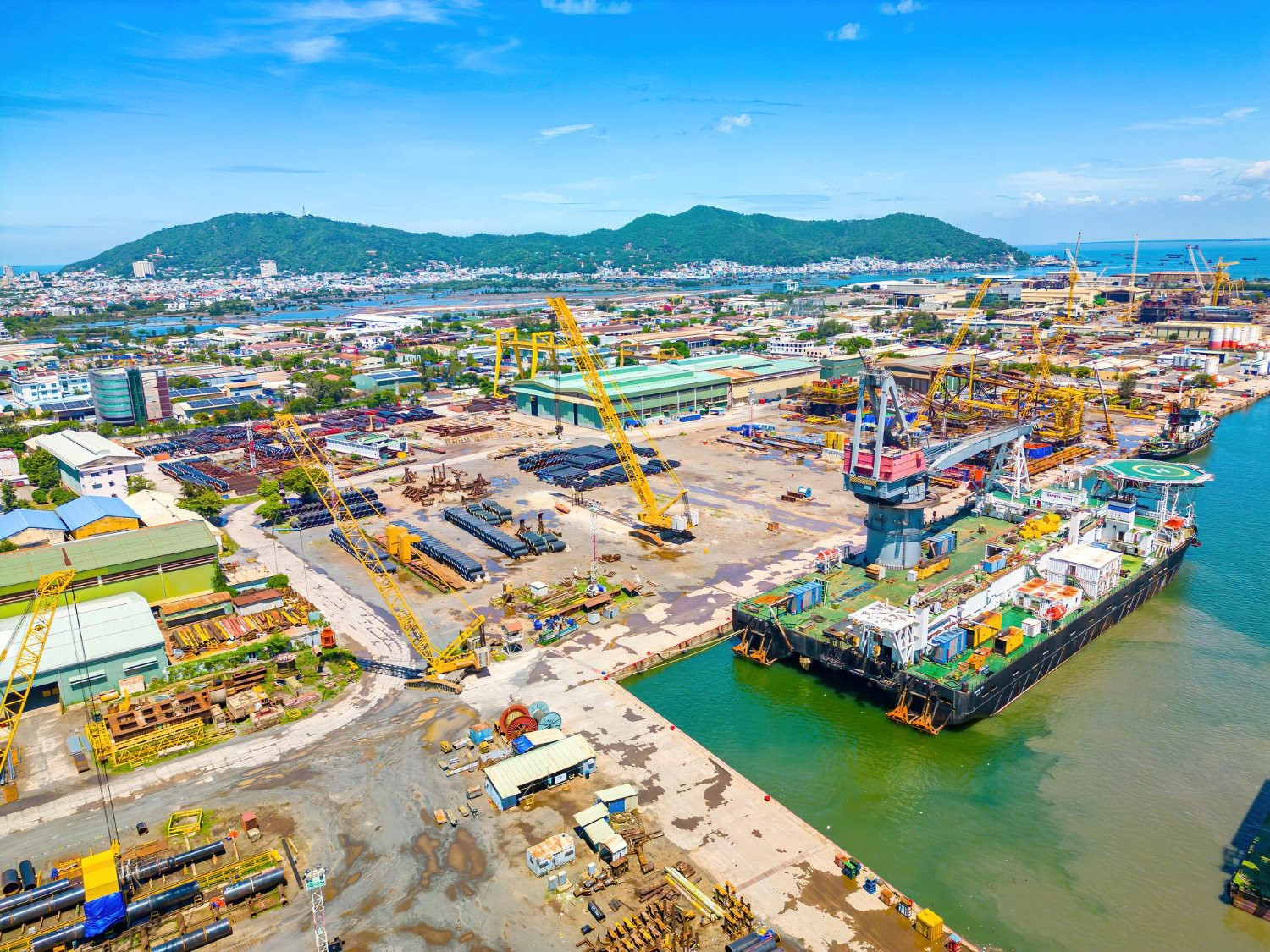
In Vietnam, VIMC Logistics’ domestic transport description lists three weekly sailings between Hai Phong and Ho Chi Minh City, alongside weekly services from the south via Quy Nhon or Da Nang to Hai Phong. This is service information published by the company. When designing a distribution arrangement, shippers should confirm the schedule and port calls of the voyage they will actually use. A general service description does not establish the commitment available for every shipment.
One arrangement worth assessing is to use sea services for substantial replenishment batches between an origin warehouse and regional warehouses, with trucks distributing orders locally after arrival. The maritime leg then balances stock between regions, while road transport serves dispersed delivery points. Businesses need to identify which goods can move in batches and which require direct delivery to customers. That distinction determines the function of the sea service within the distribution network.
Select port gateways around the markets they serve
In an account of the 21 May 2026 conference published by the Vietnam Maritime and Waterway Administration, an administration leader described transport organization as fragmented and connecting infrastructure as insufficiently coordinated. For distribution planning, this raises a practical requirement: select the port together with its connecting routes and receiving warehouses. A port’s handling capacity alone does not explain how well it can serve the markets beyond the terminal or complete the inland portion of the journey.
A gateway should be assessed against factory locations, regional warehouse positions, usable truck routes and container reception arrangements. A large port located far from the sales territory can extend the onward road journey. Conversely, a port close to the market is useful only if a suitable service calls there and its facilities can receive the intended cargo. Several options should be compared against the same territory and delivery requirements before selecting a gateway for the network.
For central Vietnam, an additional call on a north–south service should be assessed against the cargo exchanged in that region. A call can shorten road transport for local consignments while changing the journey for cargo travelling along the full route. The organizer should compare that benefit with voyage costs, exchange volumes and demand at both ends. Adding a port to the network needs a commercial and operational justification beyond its location on the coastline.
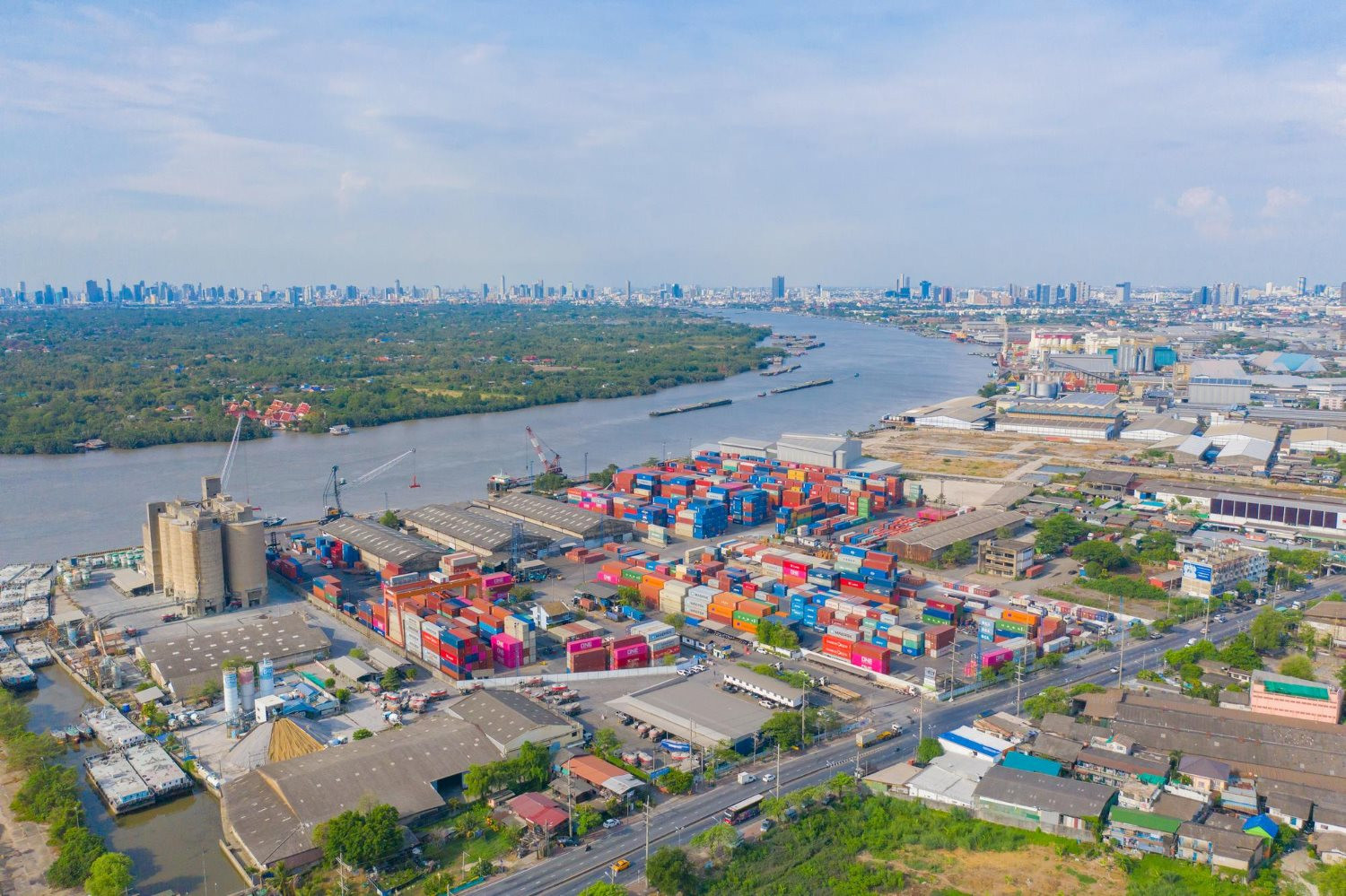
Through its European Maritime Space framework, the European Commission emphasizes connecting port infrastructure with the landside network and developing regular maritime services at suitable frequencies. The framework also promotes concentrated freight flows to reduce the negative effects of road transport. A relevant lesson for Vietnam is to consider sea routes, ports and their service territories as a connected network. The framework offers a planning approach rather than a guaranteed commercial outcome for a particular Vietnamese route.
At each gateway, the plan needs to align warehouse dispatch, port acceptance and truck availability after discharge. If substantial batches arrive at a regional warehouse, that facility needs suitable unloading positions, storage space and staff. Port selection should therefore involve warehouse and distribution managers alongside the transport team. Their input helps establish whether the proposed maritime service can be absorbed by the facilities that will receive and distribute the cargo after the vessel arrives.
Before adding a coastal service to a distribution network, identify the receiving regional warehouse, suitable port and replenishment volume for each product group. Check whether the route is direct or includes intermediate calls, the actual sailing schedule and the warehouse’s ability to receive a substantial batch. Include transport, lifting and storage-location operations in the cost assessment. Urgent cargo should have a separate arrangement that reflects sales needs. These decisions connect the maritime service with the market it is intended to supply.
Build coastal services into warehouse replenishment
Replenishment planning should begin with the requirements of each regional warehouse. The business needs to know expected sales, stock already available and when further goods will be required. It can then determine which batches should move by sea and which need a more flexible option. Putting extra goods on a sailing simply to use available capacity can leave the receiving warehouse holding stock for too long or receiving a product mix that does not match sales demand.
Where a distribution network serves many product codes, consolidation must preserve the mix each regional warehouse actually needs. Fast-selling and slow-selling products should not be replenished in identical proportions merely because they share a container. Sales and warehouse teams should agree on the product list, quantities and receiving dates before passing the requirement to the transport organizer. Shipment size should support the replenishment plan rather than determine it without reference to the receiving market.
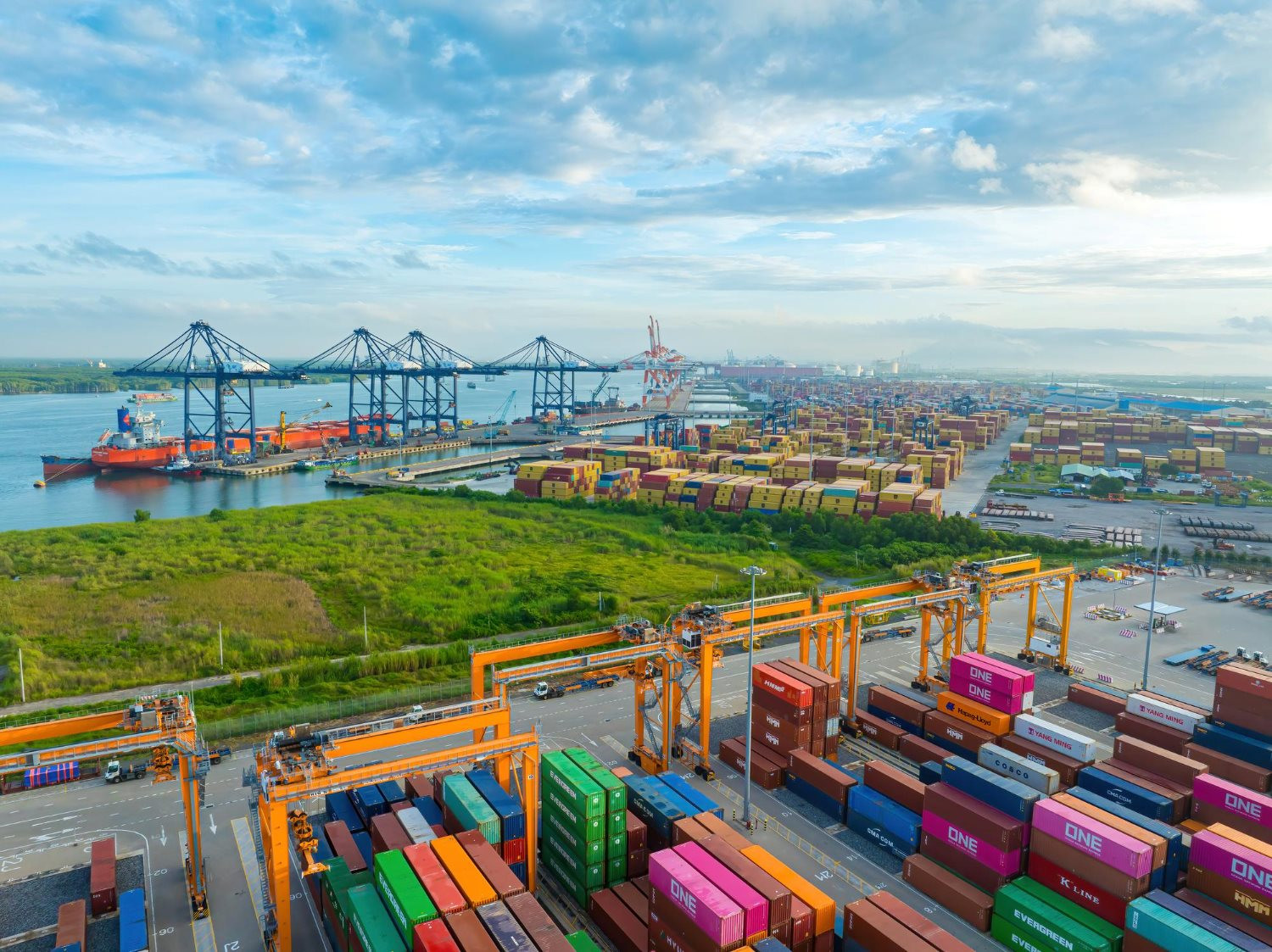
Costs should be assessed for the arrangement serving the regional warehouse, including the sea leg, connecting trucks, lifting and warehouse handling. If introducing coastal shipping requires an additional storage location, its operating costs also belong in the comparison. If existing facilities can be used, their reception capacity should be checked before increasing batch sizes. The assessment should reflect changes across the distribution network, including the facilities needed to support the service, rather than the vessel rate alone.
When evaluating a route, distinguish booked cargo from cargo actually carried and goods delivered to the warehouse. For a southern warehouse supplied from Hai Phong, for example, assess whether the maritime service helps deliver the complete planned product list. Trucks can remain available for urgent replenishment, while sales and receiving records inform adjustments to sea batch sizes. This makes the allocation between transport options responsive to the requirements of the warehouse and its customers.
Coastal shipping can carry north–south replenishment flows when it is connected to specific regional warehouses and markets. Port selection, service organization and connecting trucks should follow the same distribution plan. When goods reach the appropriate warehouse with the required product mix at a suitable cost, sea transport has a clearly defined role in routine operations. Its expansion should follow the needs of the distribution network and the capacity of the facilities supporting it.