

Live Aquatic Product Logistics from Farm to Market
English - Ngày đăng : 08:00, 28/10/2026
Select the transport arrangement for the species and consignment
Chapter 7.2 on farmed fish transport in the World Organisation for Animal Health (WOAH) Aquatic Animal Health Code, in the 2024 edition, emphasises health, species-specific needs and preparation before departure. Withholding feed requires consideration of the species and life stage. These are technical recommendations concerning farmed fish. They should not become a universal procedure for all aquatic products or a substitute for Vietnamese legal requirements applicable to a particular movement.
Vietnam’s National Agriculture Extension Center reported on 30 June 2026 on a training activity in Khanh Hoa within a disease-free pompano seed production project. The programme covered egg and juvenile fish transport, water management and losses. The activity illustrates the connection between transport and production skills. Experience concerning seed production needs adjustment when applied to market-size fish, rather than treating the two consignments as interchangeable loads merely because they belong to the same species.
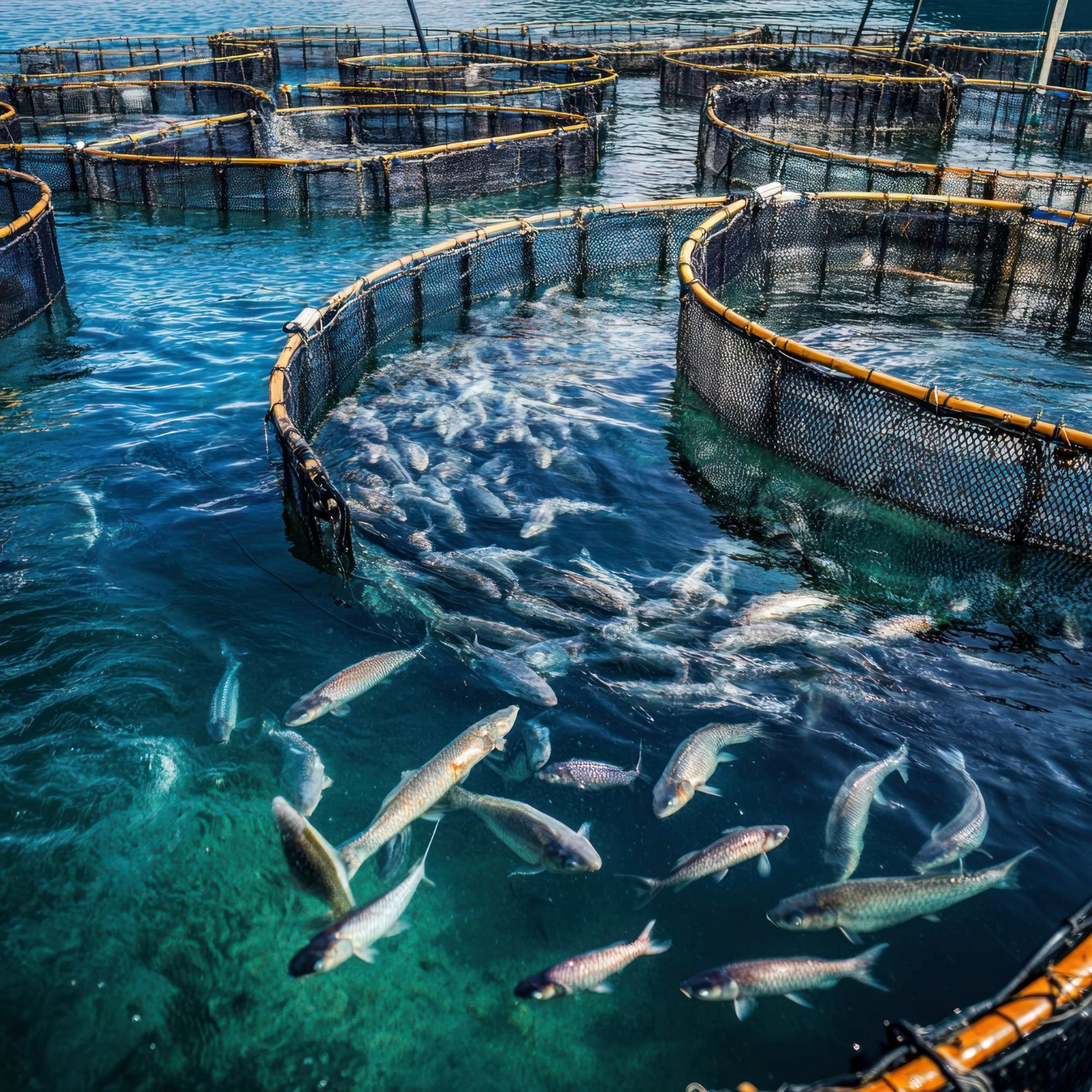
The Food and Agriculture Organization of the United Nations (FAO) training material describes carrying capacity through fish quantity relative to water volume under specific conditions of size, temperature and duration. For an operator, each order therefore needs a defined arrangement. Species, biomass, size, equipment and expected time should be agreed before pricing or accepting the load. A previous successful consignment is useful experience, but does not by itself establish capacity for a different order.
The recent harvesting and grading history, together with consignment condition, should be checked before loading. Weak, injured or abnormal fish need assessment by a competent specialist. The carrier should coordinate collection timing with the farm so that preparation is complete when the vehicle is available. Combining lots solely to fill a truck can overlook differences in water conditions and fish condition. The decision should instead follow an agreed technical assessment and a workable reception schedule.
Maintain water quality throughout the journey
FAO’s 1986 review of live fish transport explains that abundant oxygen alone does not ensure healthy fish: temperature, pH, carbon dioxide and ammonia also affect their ability to use it. These principles help identify risks, while historical numerical guidance is not a ready-made operating specification. The technical lead needs to establish suitable limits for the actual species, equipment and journey, with instructions that the people responsible for the load can understand and implement.
Transport tanks should be selected for their ability to maintain the aquatic environment, rather than nominal volume alone. Oxygen supply, diffusers, pipes, valves, power and measuring equipment need checks before departure. Operators should know where to inspect the system and how to report a failure. A reserve supply that has not been tested still leaves uncertainty when the main system stops. Readiness should cover both the equipment and the person expected to use it.
The EU Aquaculture Assistance Mechanism’s 2025 good-practice guide on fish welfare discusses water monitoring according to species, biomass and transport conditions, together with backup aeration or oxygenation. A business can translate this into a measurement record tied to each tank, time and responsible person. An oxygen reading at departure describes only that moment. It does not capture what happens during an extended wait or changing weather, so the recording arrangement should reflect the actual operating conditions.
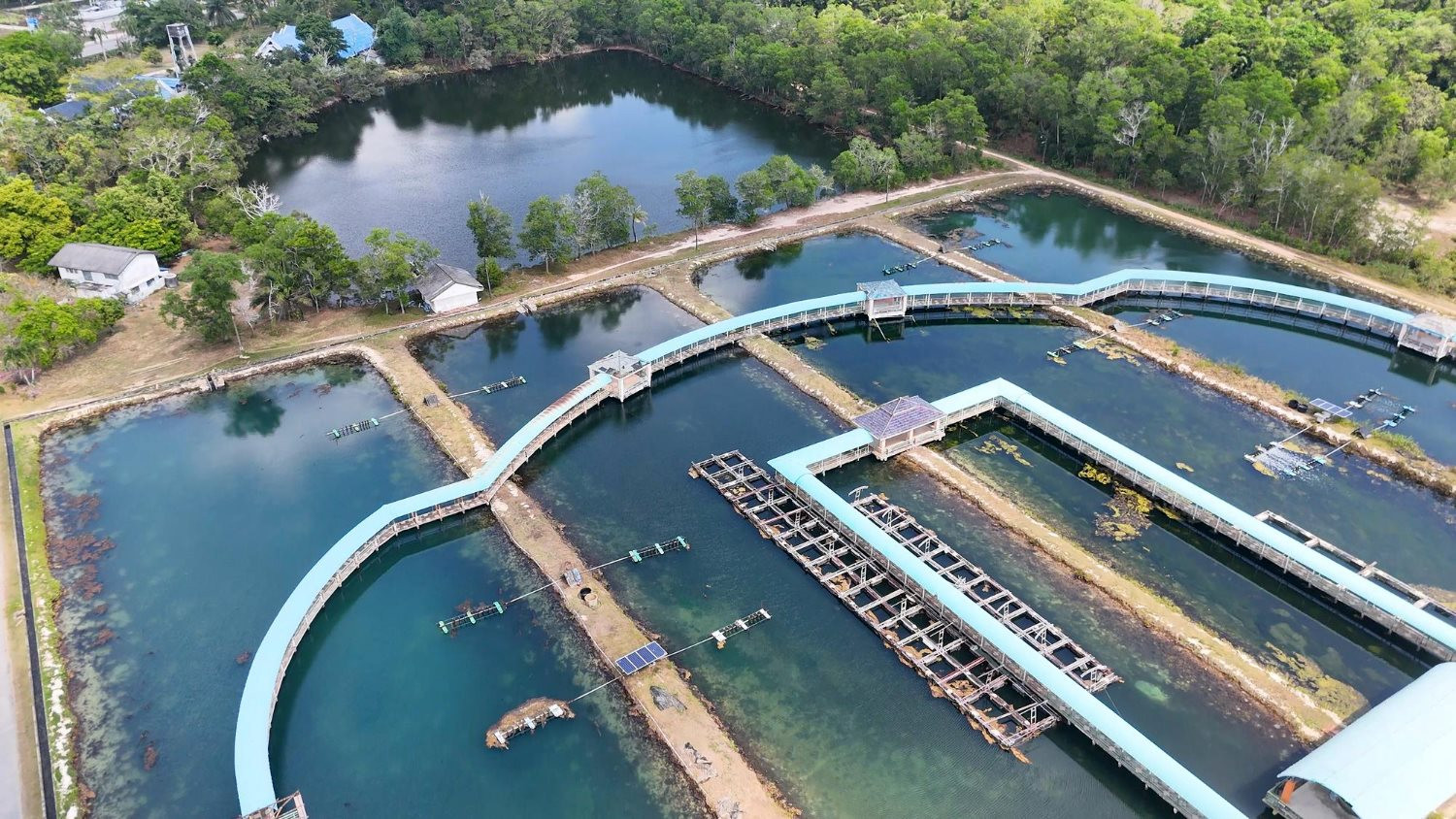
Consignment time should include collection, loading, reception queues and transfer into the receiving tank. A short road route may still produce an unsuitable journey if the receiving premises are unprepared. The collection plan should confirm the reception time, available assistance and acceptance capacity before harvesting starts. When the schedule changes, both the farm and receiver need notification so that the arrangement can be reconsidered while there is still room to make a useful adjustment.
If fish show abnormal signs or equipment fails, the operator should report location, time, affected tanks and available readings to the technical contact. Water from an unchecked source or chemicals suggested informally should not become an improvised response. The contingency plan needs to identify assistance locations, decision makers and arrangements for transport water disposal. Its purpose is to make an informed response possible without allowing an attempt to protect the load to create further risks.
Before accepting the journey, confirm species and size, consignment condition, biomass relative to water volume, expected duration and receiving tank conditions. Check oxygen supply, measuring equipment, backup capacity and the technical contact. At handover, record accepted quantity, abnormal fish, timing and water conditions. Consistent loss measurement helps distinguish journey problems from issues arising at reception. If observation continues after delivery, agree its duration and care responsibilities so that subsequent findings can be interpreted against a shared record of the consignment.
Receive the consignment correctly and cost the accepted product
The 2012 printed edition of the Codex fish and fishery products code advises that clean water used for holding, transferring or conditioning fish should have characteristics similar to their source water. Operationally, receiving tanks need preparation before arrival and differences in temperature, salinity and pH need assessment. A person familiar with the species should guide the transition to the new environment. Rushing the transfer merely to release the vehicle can undermine the intended reception arrangements.
The handover record should describe departure quantity, received quantity, dead or injured fish, timing and water conditions. The parties need an agreed weighing or counting method and a defined point for assessing condition. Where observation continues after delivery, its duration and care responsibilities should be specified. Subsequent mortality needs examination alongside conditions in the receiving tank. It should not automatically be attributed to transport simply because it occurred after a journey, without considering the available evidence.

Performance should be calculated against the quantity accepted by the buyer, including oxygen, water, labour, hygiene and losses in the cost assessment. Loading more can reduce cost per unit dispatched while increasing cost per unit accepted. Consignment records allow alternatives to be compared on consistent criteria. This provides a stronger basis for choosing a carrier than freight price or punctuality alone, especially when the receiving condition determines whether the product can serve the intended customer.
In its first-half 2026 market analysis, the Vietnam Association of Seafood Exporters and Producers (VASEP) describes the importance of China and Hong Kong for both live and frozen aquatic products. This is market context, rather than separate data measuring live-product trade. Serving the live segment requires agreed reception specifications, documentation and suitable conditions throughout the route. A market opportunity needs an operating arrangement capable of meeting the buyer’s requirements at the point of acceptance.
The value of live aquatic product logistics lies in maintaining survival and a condition suited to the buyer’s needs. The journey plan should connect farm preparation, vehicle capability and reception arrangements. Consistent management of water quality, time, records and responsibilities gives businesses a basis for reducing losses and protecting consignment value. The commercial objective is an accepted product in suitable condition, supported by information that allows each party to understand how the delivery was managed.