

Ready Built Warehouse Leasing and Business Location Decisions
English - Ngày đăng : 19:00, 30/10/2026
Read rental evidence within its market coverage
A ready-built warehouse allows a business to lease an existing development instead of organising construction itself. Time to operation still depends on handover, fit-out and suitability for the intended goods. An empty building may require racking, electrical work, packing areas or management systems. Available floor space should therefore be distinguished from operational readiness. The leasing timetable needs to include the work required before the first consignment can be processed reliably.
CBRE’s Q2 2026 report puts average asking rents for ready-built warehouses in Northern Tier-1 markets at USD 4.9/m²/month, excluding VAT. Coverage comprises Hanoi, Hai Phong, Hai Duong, Hung Yen and Bac Ninh under boundaries preceding 1 July 2025. This is asking-rent evidence for the markets monitored by CBRE, rather than completed transaction rents or a national average. It provides context for comparing an individual quotation, not a prescribed rent for every property.
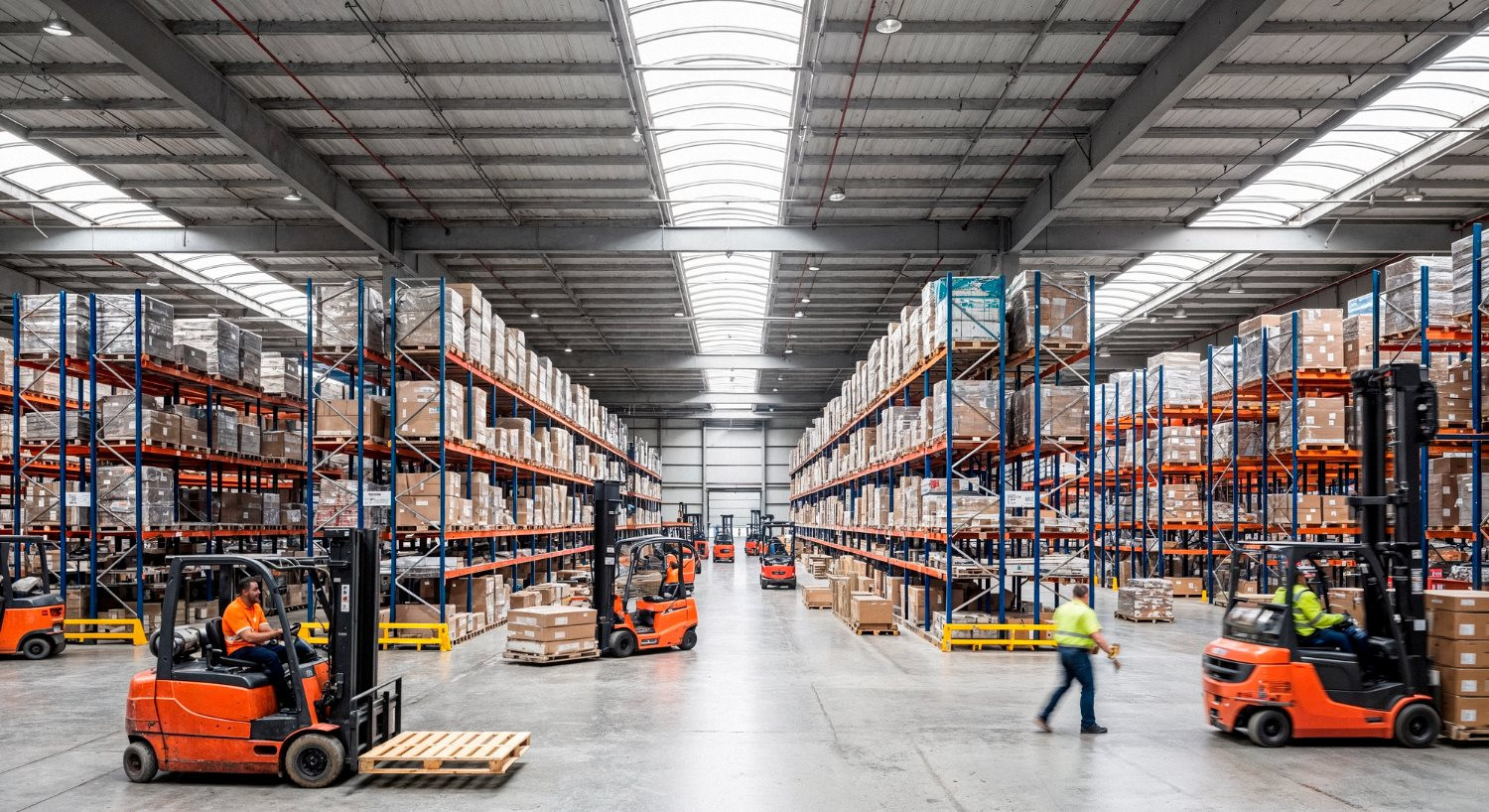
Companies should establish the chargeable area and distinguish exclusive space from shared areas. Equal leased floor areas can deliver different usable storage capacity because of columns, building shape and support functions. Cost comparisons should therefore also consider achievable storage positions and expected handling productivity. Choosing solely on the unit rent can overlook an inefficient layout that requires more space or labour to perform the same task.
The OECD’s 2021 competition review of Vietnam’s logistics sector analysed how minimum warehouse-area requirements could increase entry and operating costs. That assessment relates to the policy context studied at the time. Its economic lesson for a current leasing decision is that space should match operational needs. Excess capacity can commit money to floor area that does not yet support revenue, even when the quoted rate appears competitive.
Choose the location through flows and service times
A candidate site needs to be placed within the network of suppliers, customers and transfer points. Proximity to a port may favour imports without optimising domestic deliveries. A location near consumers may shorten outbound trips while increasing inbound costs. Companies should compare alternatives using actual shipment volumes and trip patterns rather than map distance alone. The right balance depends on the role the warehouse will perform in the network.
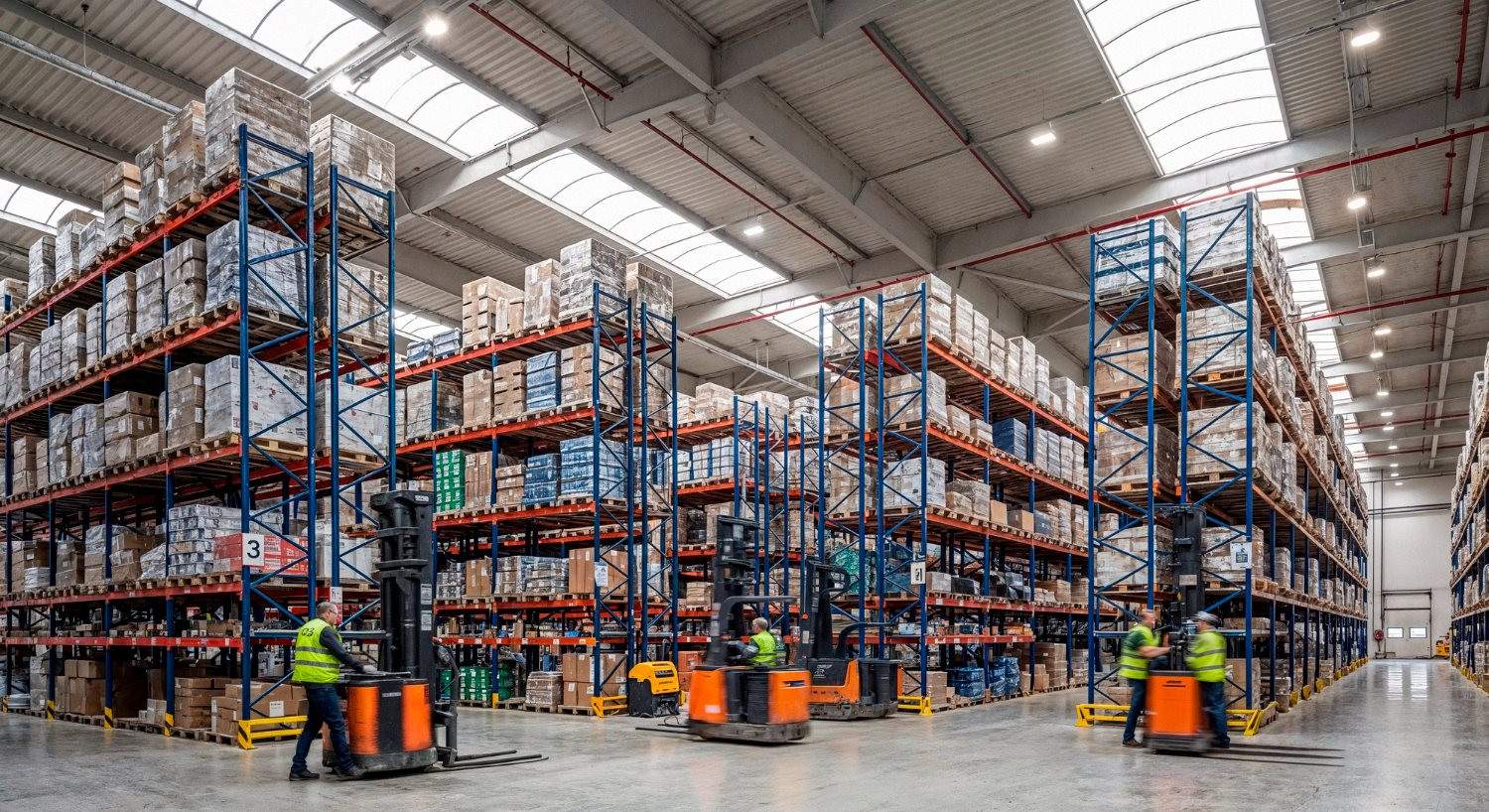
The OECD’s 2024 report on urban logistics hubs considers both logistics returning to cities and growing demand for larger suburban warehouses. These trends can support different functions. A business therefore needs to establish whether its site is primarily intended for stockholding, regional distribution or rapid delivery. Location should be assessed against that function instead of assuming that proximity to the urban centre or a peripheral highway is always preferable.
Access checks need to extend to the warehouse gate: the route vehicles can actually use, entry and exit time, turning space and waiting arrangements. A site close to a major road can still lose time along the final connection. Trial journeys should reflect intended operating hours and relevant access restrictions. The most favourable driving time is a weak basis for delivery commitments when normal operating conditions are materially different.
Expansion is also a location question. Vacant land or an adjoining unit does not give the tenant a right to use it later. Expected growth should prompt discussion of additional space, availability and pricing arrangements. Expansion at the same site should be compared with a second warehouse or a complete relocation. These alternatives have different effects on stock allocation, staffing and transport flows, and should be considered before the original lease limits the available choices.
Hypothetical example: two warehouses each lease 2,000 m². Site A costs VND 100,000/m²/month and B costs VND 110,000, making B VND 20 million more expensive monthly. If B’s location reduces net transport costs by VND 30 million/month, it offers a VND 10 million advantage before other differences. This illustration requires comparable throughput and service. Service charges and other cost differences must also be checked before making the final property choice.
Negotiate around the total cost of occupation
The cost schedule should include rent, service charges, utilities, security and tenant-funded installations. Transport, labour and the cost of relocating inventory also belong in the comparison. Alternatives need the same assessment period and throughput assumptions. One-off expenditure should be considered against expected use and residual value rather than compared directly with a monthly rent figure. This makes the financial comparison more consistent across properties requiring different amounts of fit-out.
Handover conditions should describe the building, installed equipment, utility capacity and work each party must complete. Documentation should support the intended use. Technical and operating teams should inspect whether racking, vehicle handling and relevant safety requirements can be accommodated before commercial terms are finalised. A marketing description alone cannot establish operational suitability. Finding deficiencies only after signing can undermine both the move-in timetable and the original cost assumptions.
Rent commencement needs discussion alongside delivery of the premises and the fit-out period. The parties should agree how unmet handover conditions will be recorded and addressed. Initial incentives should be assessed together with escalation, review periods and additional fees. An attractive concession at the start may not offset higher costs later. Comparison over the intended lease period is more useful than judging the offer through its opening months alone.
Businesses should also negotiate renewal options, reinstatement conditions and the treatment of tenant improvements. The agreement needs to address what happens if demand falls or operations must move. Such arrangements are matters for explicit agreement rather than benefits automatically attached to ready-built space. Expansion commitments and operational support should be translated into specific terms. Otherwise, an assumption important to the location decision may remain outside the agreed commercial arrangement.
Before selecting a property, test lower-than-planned throughput and higher transport costs. A sound option should maintain service across several plausible conditions rather than appear cheapest only in the most favourable forecast. Decision-makers need to understand the source of each saving and where risks could emerge. This directs negotiation towards the terms that affect business performance, including flexibility, readiness and access, instead of concentrating exclusively on a small reduction in headline rent.
Effective ready-built warehouse leasing means selecting a location and occupancy conditions that fit the business network. Market evidence informs negotiation, but the final choice needs to reflect the company’s goods flows, usable layout and total costs. Clear expansion arrangements, handover timing and responsibilities give the lease a better chance of supporting stable operations. The property should enable the intended service and growth plan rather than impose avoidable limits on it.