

Empty containers and the cost of unbalanced cargo flows
English - Ngày đăng : 16:00, 02/11/2026
Equipment can be abundant in one location and scarce in another
Once an import shipment has been unloaded, its container becomes a potential resource for another movement. However, the unloading location may be far from the next exporter, and the return date may not match the loading schedule. A regional inventory count therefore does not establish how many containers can actually be released. Planning needs to distinguish ready equipment from units in transit, awaiting repair or already allocated to another shipment. These categories determine what the network can supply within the required time window.
In an analysis published on 24 September 2026, Saigon Newport Corporation explains that unequal import and export volumes require carriers to reposition empty containers to locations with export demand. It also highlights how connections between ports and inland facilities create more options for equipment circulation. This supports looking at container supply across a network rather than examining each depot in isolation. The relevant question is how available equipment can reach the next loading point, taking account of connections and the timing of demand.
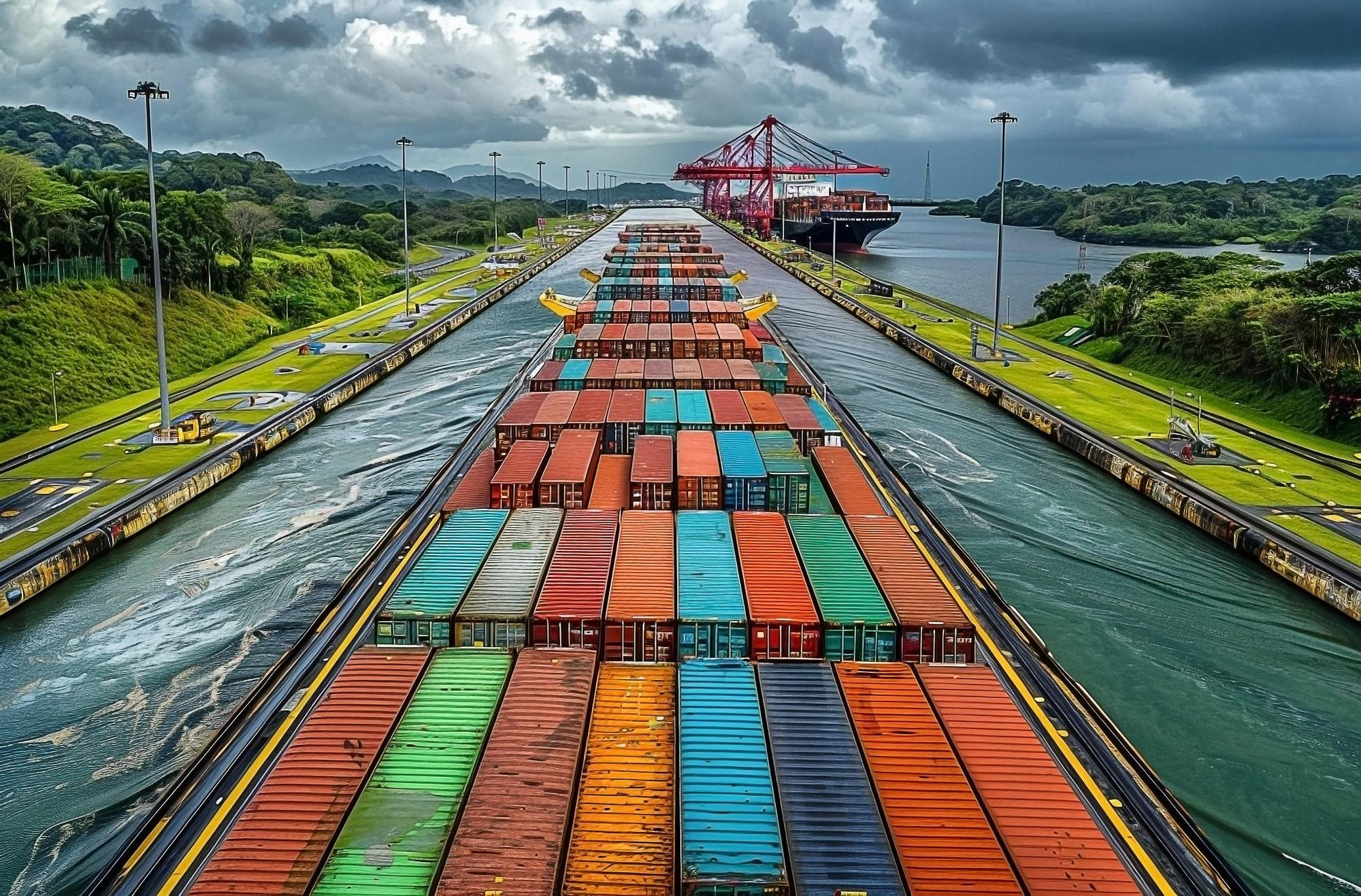
The imbalance can also concern equipment type. A 20-foot container cannot satisfy every order requiring a 40-foot unit, and a dry container cannot replace refrigerated equipment. Even a correctly sized unit may need cleaning or inspection before it can receive the intended cargo. A workable availability plan should therefore classify demand by equipment type, cargo requirements and carrier acceptance. Only then can the shipper identify which units are genuinely available for the shipment, rather than counting every empty box as interchangeable capacity.
For the same reason, a monetary trade balance cannot establish whether a location has surplus or insufficient equipment. Cargo flows of similar value can require very different numbers of containers. A sufficient return volume can still produce a temporary shortage when export loading is concentrated into a few days. Weekly planning should therefore be updated with actual release dates and the latest times at which equipment can reach the shipper. Timing and usability matter alongside the number of units expected to return.
Assess repositioning costs across the complete journey
Moving an empty container uses fuel, driver time and vehicle capacity that could otherwise serve another task. The journey may also involve depot lifts, waiting for equipment release, inspection or cleaning. Longer movements require a comparison between road transport and combinations of modes. An individual leg's price is useful only when considered alongside arrival time and handover requirements. A cheaper movement that cannot provide the container before loading starts may not be an acceptable alternative for the shipment it is intended to support.
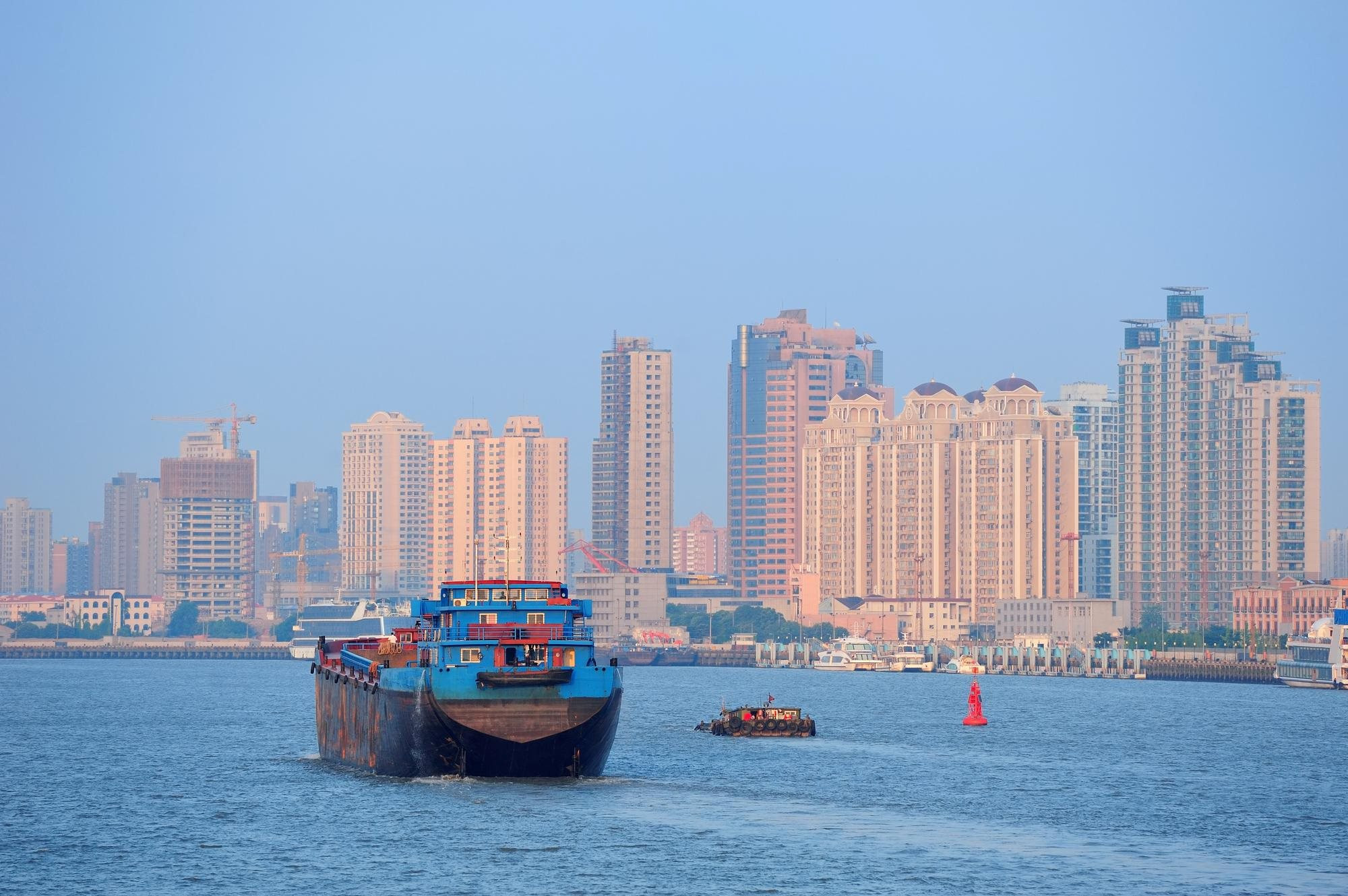
A 2022 study by Luong Thu Trang and Nguyen Van Hop in the International Journal of Logistics Systems and Management integrates empty container repositioning with equipment inventory control. Its published abstract describes a Vietnamese shipping line case and a model connecting ports, depots, customers and overseas ports. The objective includes transport costs, inventory costs and lost sales. This illustrates why the planning problem extends beyond the price of an empty truck movement; it also concerns where equipment is held and whether customer demand can be served.
One option is to move a container directly from an import unloading site to an export loading site when equipment and schedules are compatible. This can avoid returning it to a depot and subsequently collecting it again. However, the comparison still needs to include the connecting journey, equipment checks and time waiting for the exporter to load. The arrangement is beneficial only if the complete cost is lower than the depot route and the export shipment continues to meet its operational requirements.
A haulier may reduce empty mileage but spend more time waiting because the factory is not ready. A shipper may obtain equipment from a closer location while incurring additional charges for a location change or equipment handling. Participants should therefore agree how costs will be allocated before linking the movements. A quotation should identify transport, lifting and charges triggered by actual operating conditions. A reduction visible in one participant's invoice is insufficient evidence of a saving across the complete container movement.
Before moving a container from an import unloading site to an export loading site, confirm carrier approval, equipment suitability, condition and receiving times. Compare the complete cost with returning to a depot and collecting again, including transport, lifting, inspection and waiting. Agree the handover record, cost allocation and fallback plan if the unit is rejected. Dispatch only after these conditions are confirmed. A shorter journey is useful when it delivers suitable equipment on time and lowers the complete cost.
Linking movements requires approval and verifiable operating data
Maersk's Vietnam export guidance identifies the empty pickup depot in the booking confirmation and asks the trucker to inspect the container and sign an Equipment Interchange Receipt, or EIR. Equipment sourcing must therefore be tied to a specific confirmation and a documented handover. An empty container near a factory is not automatically available for collection or for any export shipment. Before dispatching a vehicle, the operator needs to establish that the proposed unit and collection arrangement are accepted for the relevant booking.
A Maersk advisory dated 3 June 2021 concerning container reuse in Lithuania requires each reuse to be requested and carried out only after approval. This is a market-specific example, not a procedure that automatically applies in Vietnam. For an individual shipment, participants should confirm the carrier's current conditions, pickup and return arrangements, and responsibility at a direct handover. The operational lesson is to secure a clear decision before moving equipment, rather than assume that a geographically attractive pairing is sufficient authorization.
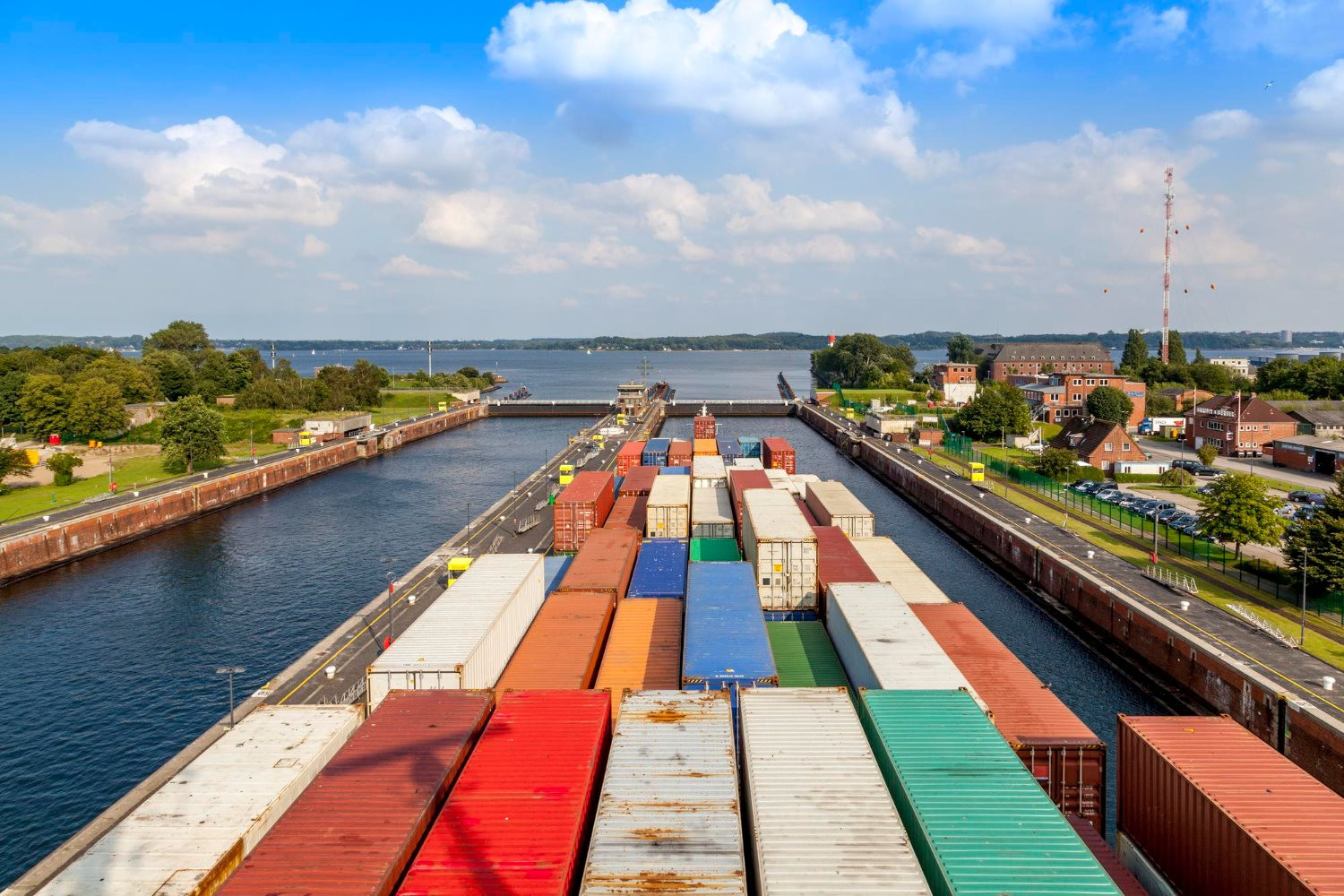
A trial should start with import and export facilities whose schedules are reasonably stable. The coordination record should identify equipment type, carrier, location, expected unloading completion and the latest required loading time. Before dispatch, participants should confirm that the unit is ready, the receiving factory can accept it and the arrangement has approval. Damaged or unsuitable equipment needs a separate handling plan. A fallback route through the nominated depot helps prevent an unsuccessful match from delaying the export shipment it was supposed to support.
Evaluate the trial through empty mileage, lift counts, waiting time and the actual cost per eligible container. Record cancelled matches and their causes as well as completed movements. Comparisons with the depot route should use similar equipment types and delivery requirements so that a change in service quality is not mistaken for efficiency. If a cost has merely moved from one participant to another, the network has not achieved a genuine saving. The assessment should cover all participating parties and the full movement.
Repositioning remains necessary when cargo flows differ between locations or seasons. Businesses can reduce avoidable return-and-pickup movements by linking equipment release with export loading requirements. Success means suitable units are supplied on time at a lower complete cost, with responsibilities understood by the participants. When carriers, depots, hauliers and cargo owners confirm the plan together, matching import and export movements becomes an arrangement that can be operated consistently. Its expansion should follow demonstrated results rather than a count of potential matches alone.