

Cut Flowers and the Value of Time after Harvest
English - Ngày đăng : 08:00, 03/11/2026
Flowers continue to change after harvest
Postharvest guidance hosted by the Food and Agriculture Organization of the United Nations (FAO) explains that cut flowers remain living, respiring tissues after separation from the plant. Suitable temperatures reduce respiration and water loss, while excessive cooling can injure sensitive products. Storage conditions therefore need to match the species and cultivar. One cold setting should not be assumed appropriate for every flower, particularly when different products share collection, packing or delivery arrangements.
The University of California, Davis rose fact sheet, updated in October 2004, links harvest maturity to cultivar and the intended market arrangement. Cutting too early can prevent opening, while poor water uptake in some cultivars causes bent neck. This provides a technical basis for agreeing maturity at acceptance, alongside stem length and flower count. A consignment specification should describe the condition required for its intended use rather than rely only on easily measured physical dimensions.
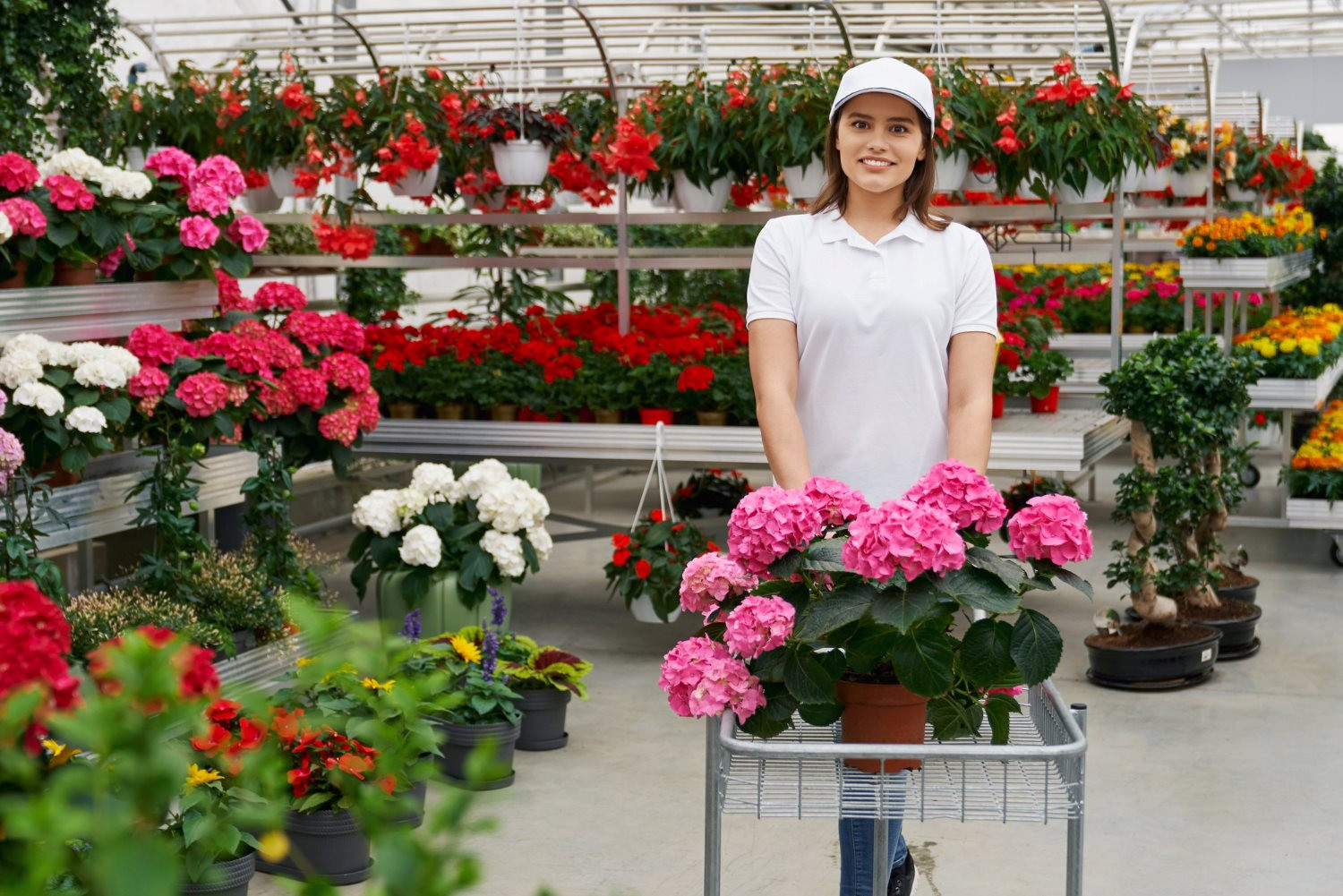
The small-scale postharvest manual, published in 2002 and revised in 2003 and hosted by FAO, discusses clean vases, removing submerged leaves and recutting stems to support flower care. At a packing facility, water supply, tools and a product-appropriate procedure need consistent management. Flower food should be selected using competent guidance. An informal recipe should not become a standard treatment for all cultivars merely because it appeared to work for a previous batch.
Businesses should record cutting time, cultivar, maturity and treatment in the consignment history. Two bunches that look similar at reception may have experienced different handling. These records help the seller choose a lot for immediate display or for an occasion several days later. Sample checks should consider opening and performance in a vase, alongside appearance at the warehouse door. The assessment needs to reflect the customer’s planned use and the conditions in which the flowers will be held.
Pack to protect stems and preserve usable time
Packaging should stabilise bunches without compressing flower heads, breaking stems or obstructing the planned temperature treatment. Grading should separate weak stems and damaged blooms before bunching. Packers should test the arrangement with representative lots and check its condition after transport. An intact outer carton does not establish that the stems and petals inside were protected. Evaluation should include the product as well as the package, so that apparent savings do not conceal damage at reception.
The University of California, Davis carnation fact sheet, updated in October 2004, describes premature petal wilting caused by ethylene, with sensitivity differing between cultivars. Operationally, possible exposure needs consideration during storage and mixed loading. Flowers and ripe fruit should not automatically be considered compatible cargo simply because the same vehicle can carry them. Collection and consolidation decisions need to consider the products’ handling requirements rather than make available vehicle space the sole criterion.
The packaging section of the manual hosted by FAO describes paper or thin plastic sleeves protecting and separating flower bunches inside ventilated cartons. In practice, packers need to consider stem length, carton strength and airflow. Increasing bunch count to save on materials may undermine protection if flowers are compressed or cartons are stacked incorrectly. A packaging decision should be checked against the proposed loading arrangement, handling stages and the condition observed when the consignment is opened.
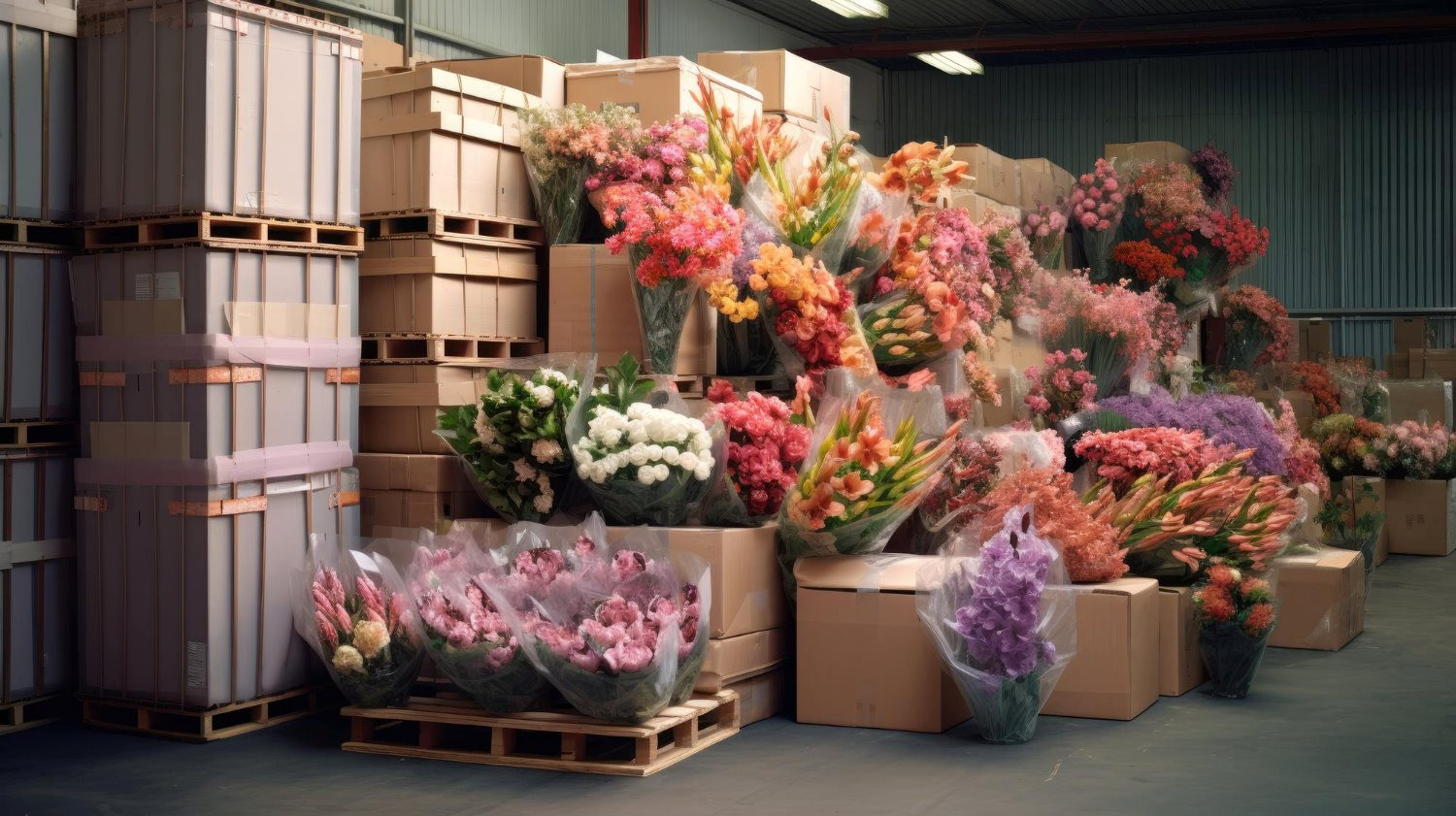
Product temperatures should be checked at transfer points, with waiting time before loading recorded. A running refrigeration unit does not establish that flowers have received suitable treatment since cutting. When vehicles change or cartons are opened to split orders, the responsible person needs the consignment’s handling requirements. Recording these interventions helps locate where wilting, damage or delay emerges. The purpose is to improve the operating process using evidence rather than assign responsibility from the final appearance alone.
Before confirming a journey, establish cultivar, maturity, cutting time, postharvest treatment and the customer’s intended use time. Check bunching, packaging, transport conditions and reception arrangements. At handover, record stem and flower-head condition and timing, and provide care instructions. Compare vase performance using samples held under the same defined conditions. This allows the arrangement to be assessed through product quality rather than carton count alone, and gives the parties a consistent basis for reviewing changes to harvesting or delivery schedules.
Schedule delivery around the buyer’s intended occasion
Lam Dong’s agricultural extension centre, in its 2025 market report published on 16 December 2025, recorded slow flower sales in late January around Tet, followed by stronger prices after Tet amid demand for the first lunar full moon and Valentine’s Day. This shows that a holiday does not automatically guarantee sales. Planning for a later season should use confirmed orders and market conditions, rather than copy the previous selling calendar without checking the situation.
Delivery planning should work back from the customer’s intended display and arranging time and desired opening stage. Supplier, carrier and florist need agreement on reception, preparation time and holding capacity. An early delivery intended to avoid congestion may require the shop to hold stock longer. A late delivery can miss the occasion even when flower quality is good. Scheduling should therefore consider what happens after arrival as well as the road journey itself.
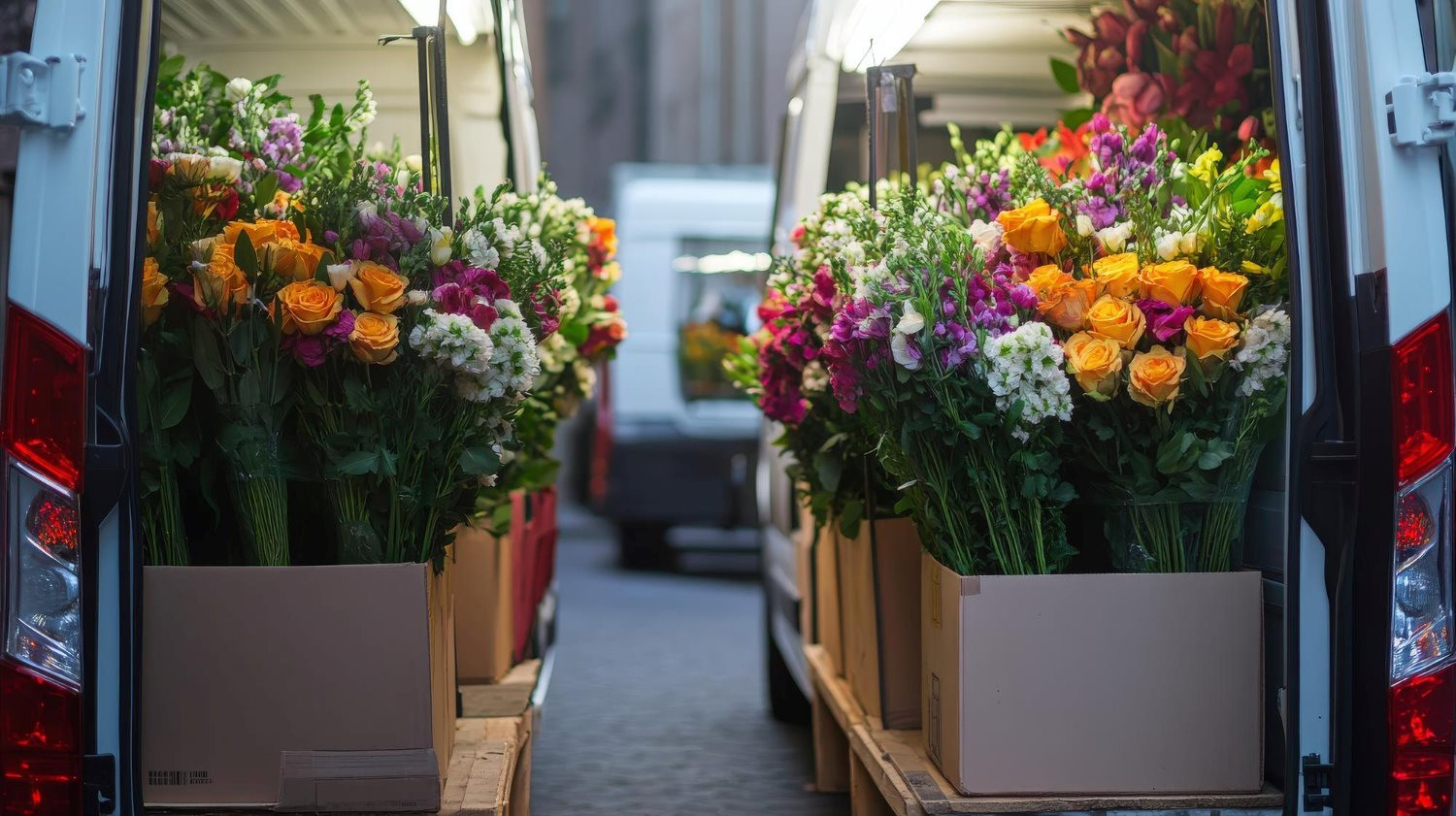
During peak demand, quantities, varieties and acceptable alternatives should be confirmed before collection commitments are finalised. Shops need to distinguish confirmed orders from anticipated sales and report changes promptly. Carriers should assess delivery capacity at individual stops rather than total carton count alone. Combining several destinations can lower the freight charge while extending the wait for the final consignment. The arrangement needs to remain suitable for each order throughout the delivery round.
In its public care guidance, Dalat Hasfarm recommends clean vases, sharp tools, removing lower leaves and keeping cut flowers away from direct sunlight, heat sources and ripe fruit. These are the company’s recommendations for users. At handover, sellers should provide instructions suited to the consignment so that care at the shop and at home continues the preceding handling process. A completed delivery should transfer useful product information as well as the physical bunches.
Performance should be measured against stems sold at the agreed grade, including sorting, replacements and losses in the cost assessment. Parties need a consistent method for assessing opening, wilting and damage at a defined inspection point. Representative samples can be tested for vase performance under specified conditions. Results can inform harvesting and delivery schedules. They should not become a fixed freshness promise to every buyer, since use and care conditions can differ after acceptance.
Time after harvest creates value when it is managed alongside flower characteristics and intended use. Cutting, packing, transport and care need to form a connected process, allowing buyers to receive flowers at a suitable opening stage with time left to enjoy them. Managing those stages helps businesses reduce losses and maintain grade. Trust then rests on product performance in practice, supported by clear requirements and a delivery arrangement that serves the customer’s occasion.