

Maintenance dredging and the capacity of ports to receive vessels
English - Ngày đăng : 14:00, 12/11/2026
Interpret depth within the surveyed area and the planned passage
The International Association of Dredging Companies (IADC) notes that sedimentation continues after a project has been completed and that maintenance costs belong in port management planning. For terminal operators, the practical implication is to provide recurring resources for underwater infrastructure. Berth equipment may receive more visible attention, but the ability to reach that equipment also needs a place in operating budgets and management decisions.
Maintaining established operating parameters and investing in a deeper or wider water area serve different purposes. They require different planning questions and measures of success. For maintenance, the first task is to identify where sediment accumulation is reducing access and when intervention is needed. A proposal should explain the operating constraint it intends to resolve, so that expenditure can be assessed against a concrete service need rather than an ambition to dredge more.
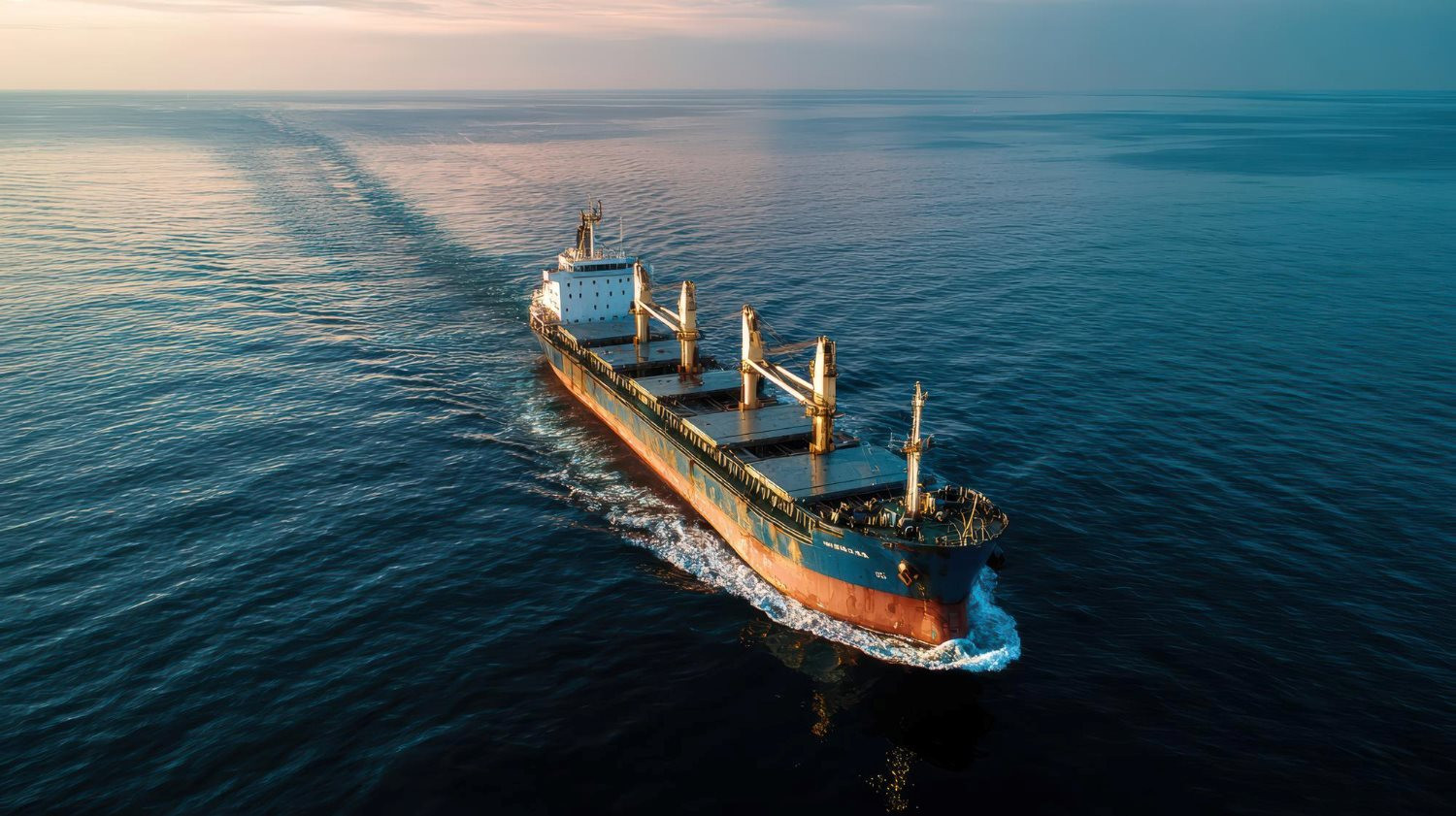
A 2026 maritime notice issued by the Ho Chi Minh City Maritime Administration reported a minimum depth of 16.30 metres within the surveyed water area in front of berths 2 and 3 at the Cai Mep Thuong Container Terminal. The figure was measured at 200 kHz and referred to chart datum, using a depth plan completed in January 2026. It describes a specified area at a particular survey date.
That figure cannot be treated as an allowable draught for every vessel call or as the depth of the entire approach channel. Passage planning has to consider the access route, turning area and berth pocket together, alongside water levels, the vessel's condition and the required clearance beneath its keel. Operators must obtain the latest applicable notices and instructions from the competent authorities. A historical survey is useful evidence, but it does not replace information required for a subsequent voyage.
IADC also explains that waters with fluid mud can require specialised surveys to establish navigable depth. Such assessments depend on local technical conditions. Operators should not infer that any mud layer can safely be crossed, or that one echo-sounding result is sufficient to establish safe passage. The operational lesson is to understand what the measurement represents and seek the appropriate assessment where the seabed conditions make a simple interpretation unreliable.

Schedule maintenance around changes in sedimentation
IADC's guidance on surveying describes measurements as a basis for planning, monitoring execution and checking results. In port management, successive surveys should be sufficiently consistent to reveal where sediment is accumulating, how conditions are changing and how reliable the observations are. A new depth plan becomes more useful when it can be compared with earlier measurements. Recording the survey area, method and reference level makes those comparisons easier to interpret and reduces avoidable uncertainty.
The resulting series of observations can help managers identify locations requiring closer attention and organise additional surveys after significant changes. Maintenance schedules should respond to local conditions, operating demand and safety requirements. This approach reduces the risk of waiting for a predetermined maintenance date while a developing shallow spot is already constraining traffic. It also gives managers a clearer basis for explaining why some areas need intervention sooner than others, even within the same port approach.
Work should be prioritised where the passage is actually constrained. Dredging a less influential area may produce a large measured volume without resolving the main access problem. When comparing options, managers should consider surveying, equipment mobilisation, material transport and disruption to port operations together. The question is which feasible intervention addresses the limiting condition at an appropriate total cost. Comparing only the price of removing a cubic metre can leave important consequences outside the decision.
A workable programme needs coordination among the channel manager, terminal, pilots and contractor. Work areas, navigational marking and traffic arrangements should be clearly defined so that construction activity and vessel movements can be planned together. If conditions change, schedule adjustments should be communicated early. Shipping lines and cargo owners then have a firmer basis for reorganising voyages and related transport arrangements, while the parties responsible for safe navigation can reassess the conditions under which movements are to take place.
After completion, evaluation should cover both the technical result and its operating consequences. Has the limiting shallow area been addressed? Has updated information reached those planning vessel movements? How have periods of restricted access changed? Accepted quantities remain necessary for administering the work, but the volume alone does not fully describe the reliability of access. These operating questions help connect a completed dredging activity with the service that port users receive afterwards.
| Before confirming a maintenance schedule, check the latest depth plan, identify the location constraining vessel passage and review the arrangements for receiving dredged material. The programme should specify working periods, traffic arrangements and responsibility for updating information. Once work is completed, survey results should reach the people making operating decisions. This connects the physical result of dredging with practical use of the water area, rather than leaving new information within the construction team after the equipment has departed. |
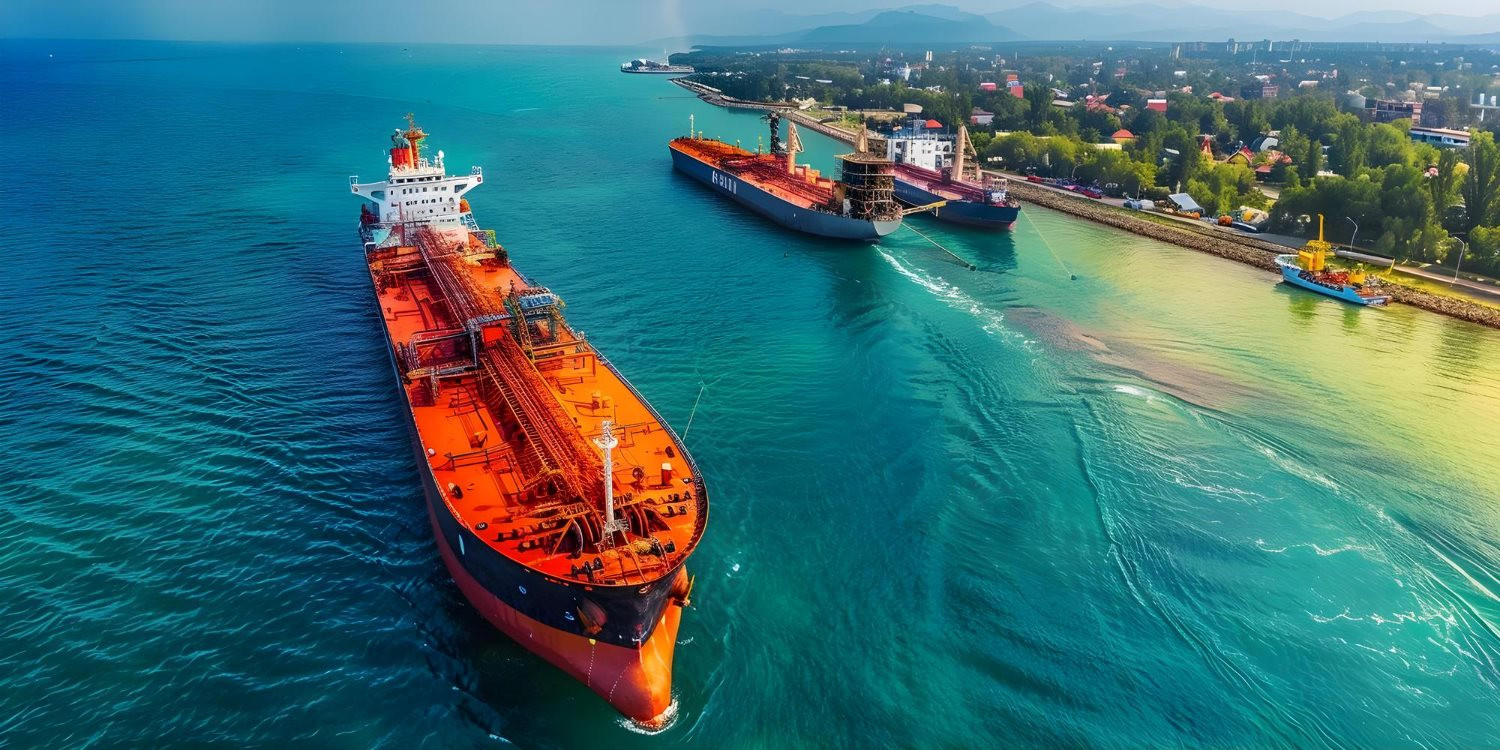
Prepare arrangements for dredged material at the outset
Vietnam's framework is set out in Decree 57/2024/NĐ-CP, amended by Decree 14/2026/NĐ-CP and consolidated in Document 105/2026/VBHN-NĐ-BXD dated 30 September 2026. Articles 6–8 address environmental protection, receiving sites and material management. Approval of a receiving location does not replace applicable environmental procedures or a required permit for dumping at sea. Project planning must establish which requirements apply to the proposed activity and destination.
The receiving arrangement should be developed alongside the construction plan. Without a suitable destination, transport distance and an assessment of receiving capacity, the budget may omit a substantial part of the operation. Early preparation also reduces the possibility of mobilising equipment only to leave it waiting for an unresolved material destination. The project team should be able to explain how material will move from the work area to its intended location, and how that arrangement fits the implementation schedule.
Dredged material should be assessed for composition and characteristics relevant to the proposed management method. It should not automatically be assumed to be contaminated, nor should all material be treated as immediately usable fill. Any opportunity for beneficial use needs to be considered against material quality, a real receiving demand and the applicable legal conditions. This assessment allows the project to distinguish a feasible use from an attractive idea that lacks an appropriate recipient or the necessary basis for implementation.
Management records should connect the dredging area, quantities transported, vessel journeys and receiving location. Consistent information helps the parties reconcile work, identify discrepancies and resolve implementation problems. Responsibilities for following these records should be clear. Monitoring, controls on material dispersion and incident response need to reflect the approved or permitted project documents. Keeping the information connected also makes it easier to understand a delay or a change in quantities without relying on separate records that cannot be compared.
A port's capacity to receive vessels is sustained through a continuing cycle of measurement, needs assessment, maintenance and updated operating information. Preparing material management at the outset provides a stronger basis for controlling time and cost. Maintenance expenditure should therefore be connected to the service the port needs to provide. The objective is to keep underwater infrastructure aligned with actual operating requirements, with dependable information supporting decisions throughout its use.